

How to Create a Balanced Home Environment for Total Wellness
Setting up a home that supports both physical health and mental well-being begins with thoughtful planning. The way you arrange your furniture, select colors, and...
Aug 31, 2026



Small choices before bed can greatly affect how well you sleep. Using your phone or tablet late at night, especially when bright lights shine in your eyes, signals your brain to stay awake. Even if you want to relax, you may find yourself restless instead. Adjusting your screen time and reducing exposure to artificial light in the hour before sleep may help you unwind more easily. Making these simple changes can support a smoother transition to sleep and help you wake feeling more rested and ready for the day ahead.
This guide lays out clear steps you can bring into your nightly routine. You’ll find simple tips backed by research on light exposure, device settings, and habit shifts. Keep reading to learn actionable ways to change your tech habits and improve the rest you get.
Your eyes react to blue light by telling your brain it’s still daytime. That confuses the natural cycle that releases sleep hormones. You end up tossing and turning instead of sliding into deep rest.
Less restful sleep can cause daytime drowsiness, mood dips, or trouble focusing. If you find yourself hitting snooze more often, your screen habits might be at fault.
Cutting off screen time well before bedtime helps your body prepare for rest. You’ll feel that sleepy sensation build naturally instead of chasing it after the fact.
Choose a cutoff time that fits your schedule, then stick to it. Consistency trains your mind to expect downtime, leading to quicker drift-off and fewer midnight awakenings.
When the alarm rings, tuck your devices out of sight. A deliberate break teaches your brain that this phase belongs to rest, not updates or messages.
Replace screen habits with calming activities. Try gentle stretches, guided breathing, or journaling by soft lamp light. Each activity helps shift your focus inward.
Choose two or three simple tasks that soothe your mind. A ritual of repeated steps signals you’re done with the day and ready to let go of stress.
Here’s how one evening might go: Pour a cup of herbal tea. Spend ten minutes with a pen and a few reflective prompts. Then dim the lights and lie down for brief stretching.
Stay flexible. Some nights you might skip tea and listen to quiet music instead. The key is avoiding screens and building signals that tell your body to relax.
Not all tech habits harm your rest. You can use built-in features and apps to reduce the impact of late-day light and minimize interruptions.
Explore these options to adjust your devices for your bedtime needs.
These changes don’t require special gadgets—just tweaks in settings that help you disconnect more smoothly.
Even with a good plan, you might slip up. Watch for these traps and use simple fixes to stay on track.
Notice these habits early. Making a small change today can prevent a restless night tomorrow.
Winding down without screens helps your brain relax and repair. Use consistent cutoff times, calming rituals, and smart settings to improve your sleep quality.
Setting up a home that supports both physical health and mental well-being begins with thoughtful planning. The way you arrange your furniture, select colors, and...
Aug 31, 2026

Seasonal changes bring new opportunities to refresh your health habits and keep your routine exciting. As the calendar shifts, you can find inspiration in the unique...
Jul 24, 2026

Finding a tool that seamlessly fits into your daily routine can make healthy habits easier to maintain. More than just counting steps or estimating calories, you deserve...
Aug 09, 2026
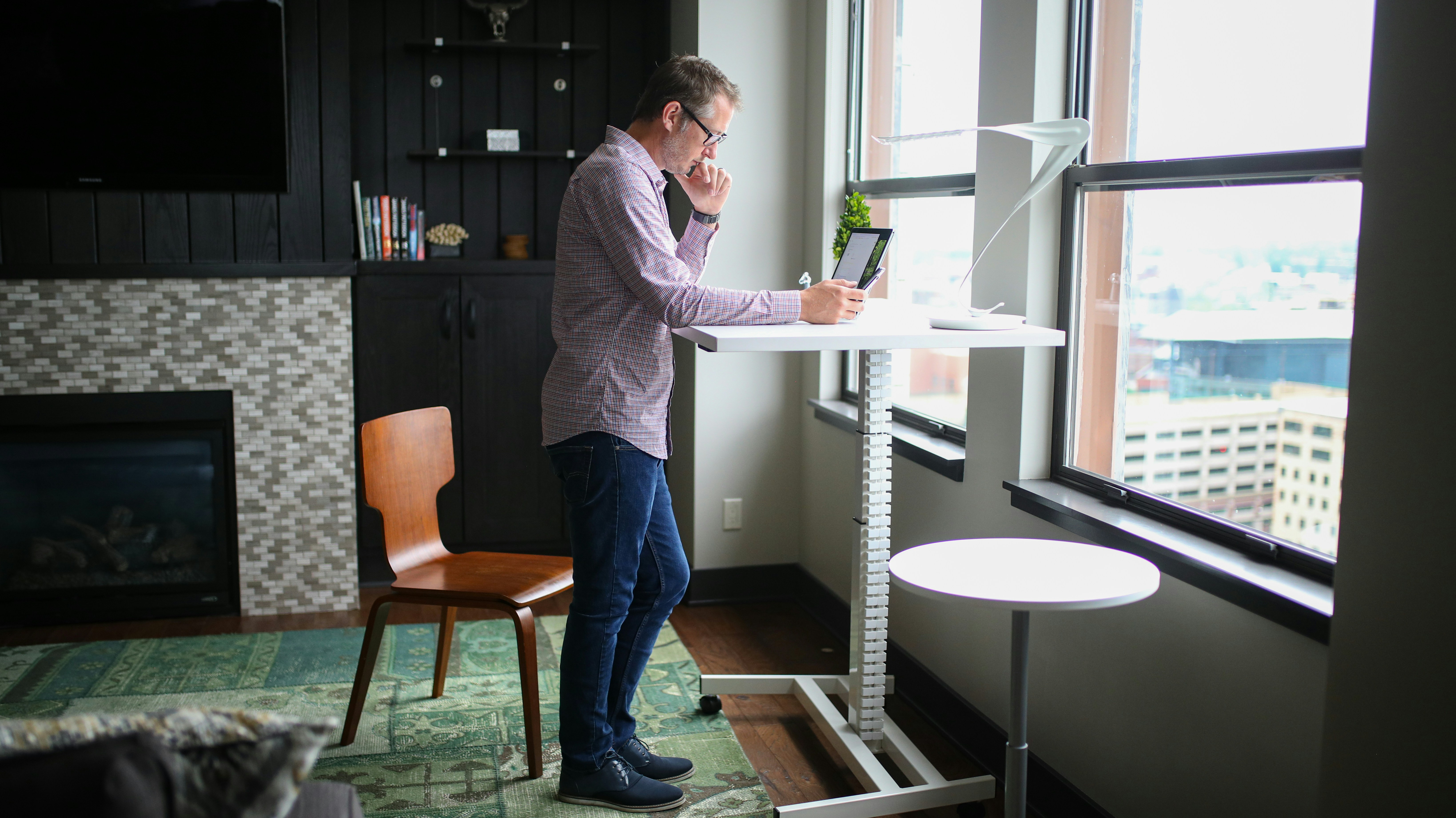
Many people spend hours at their desks while working from home, which can lead to stiffness, soreness, or fatigue before the day is even halfway over. Paying attention...
Sep 21, 2026

Recovering from an injury often means finding new ways to keep your body moving while protecting the area that needs time to heal. When you deal with a sore knee, a...
Jun 02, 2026

Close relationships with friends, family, and neighbors can brighten our mood and support overall physical health. When people connect with others, the brain releases...
Jun 24, 2026

Attending an interactive webinar focused on preventing chronic conditions offers a valuable chance to discover practical ways to lower blood pressure, maintain healthy...
Sep 12, 2026

Staying energized each day depends on more than grabbing a cup of coffee. Your body relies on water to help cells convert nutrients into the fuel you need. When you...
Sep 04, 2026

Fresh sneakers on your feet and a new field or court ahead bring a sense of excitement and anticipation. Many people who join a league feel curious and slightly nervous...
Jun 06, 2026

Riding a bike offers a practical way to improve both lung capacity and heart health, making it easier to handle everyday stress. Pedaling on a regular basis gives you a...
Jul 15, 2026

Group fitness challenges bring people together and make building new exercise habits more enjoyable. Sharing workouts with others who have similar fitness goals creates...
Jul 21, 2026

Taking a moment each day to reflect on your routines helps you understand which habits align with your health goals and which ones may hold you back. By asking yourself...
Aug 02, 2026

Interactive workshops combine emotional understanding with hands-on activities to help people build mental resilience. Attendees engage in exercises designed to sharpen...
Aug 12, 2026

Plenty of runners find themselves going through the motions, checking off miles without really savoring the experience. Initial excitement often fades when running turns...
Aug 19, 2026