Finding time for self-care while managing a busy calendar often feels overwhelming. You aim to get enough rest, eat meals that support your well-being, and keep up with your professional commitments, all without dropping the ball. Instead of treating wellness as an afterthought, you can blend healthy habits seamlessly into your everyday activities. Small changes—such as standing up to stretch instead of scrolling through your phone or making healthier snack choices—can fit naturally into your routine. Making use of moments like commuting or waiting in line helps you support better sleep, keep your body moving, and clear your mind, all without adding extra demands to your day.
Understanding Personal Wellness
- Physical health: quality of sleep, regular exercise and balanced meals.
- Mental clarity: managing stress, taking focused breaks and practicing reflection.
- Emotional balance: connecting with friends, jotting down feelings and setting boundaries.
- Social support: carving out real conversations instead of endless group chats.
Defining wellness this way reveals where small shifts can add up. For example, a five-minute breathing break counts toward mental clarity. Or swapping one processed snack for fresh fruit boosts physical health. Listing these areas pinpoints exactly where to focus your time.
Tracking these elements on a simple spreadsheet or in a planner gives you clear feedback. You’ll see patterns emerge: maybe your energy dips mid-afternoon. That insight lets you swap a coffee run for a quick walk, aligning time management with wellness goals.
Principles of Smart Time Management
- Prioritize tasks with real impact. Use a daily triage: must-dos, should-dos and could-dos.
- Batch similar tasks. Set one block for emails and another for focused project work.
- Use time slots for wellness. Book a 10-minute stretch or meditation just like a work call.
- Set clear limits. End work at a set hour to guard evening downtime.
- Review and adjust weekly. Tweak your plan based on what actually happened.
Pick just a few methods at a time to make the system stick. If you try every tip at once, you risk overwhelm. Instead, start by blocking a 15-minute walk in your schedule twice a week. Notice how it shifts your afternoon focus. Once that feels stable, add another slot for a short gratitude journal entry before bed.
Review your week each Sunday. Compare what you planned with what you did. Did you skip your midday walk? Ask why. Maybe a meeting overran. Next week, build in a buffer. This constant tuning turns a rigid plan into a flexible tool for real life.
Integrating Wellness into Daily Routines
Morning routines set the tone. Instead of checking email first thing, spend five minutes stretching or sipping water. Place your glass on the nightstand so you start hydrated. These actions take under a minute but create momentum. Making a habit of movement early boosts energy for hours.
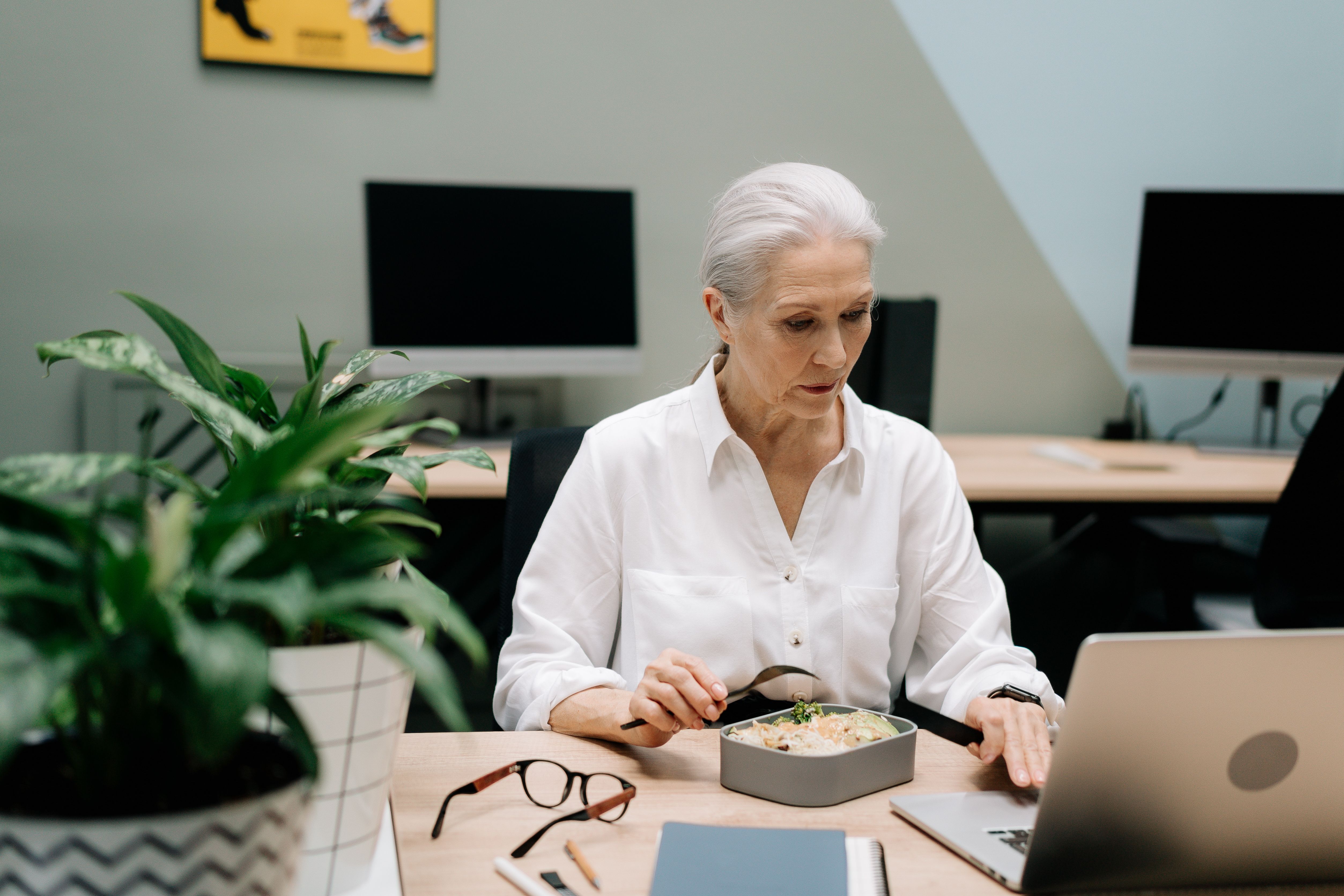
Lunchtime offers a prime slot for a quick reset. Pack a balanced meal and a short breathing exercise into 20 minutes. Eat away from your desk and savor flavors. This break refreshes your mind and helps you return to work with better focus. Use a timer to ensure you don’t slip into a work mode before you’re ready.
Overcoming Common Challenges
- Unpredictable schedules: plan three micro-break options—streetside walk, standing desk stretch or breathing pause.
- Lack of motivation: pair healthy habits with rewards. After a walk, treat yourself to a favorite song or quick call with a friend.
- Too many urgent tasks: protect one time slot per day for wellness no matter what. Mark it “non-negotiable.”
For each challenge, create a simple fallback. If a meeting runs late, do a standing stretch instead of skipping movement entirely. By preparing mini-alternatives, you reduce the friction that kills wellness breaks. Over time, these fallbacks become just as normal as a coffee break.
Motivation often dips when results don’t appear immediately. Track small wins: note when you slept better or felt less tension. Seeing progress, even in tiny increments, keeps you going. Reinforce this by sharing wins with a friend or group chat. The social nudge fuels consistency.
Tools and Techniques to Stay on Track
A simple paper planner or the *Bullet Journal* method can help you plan your day visually. Highlight wellness slots in a bright color. That visual cue reminds you to stand, stretch or walk. If you prefer digital tools, try an app like *Toggl* to log work sessions and break slots. Make it a habit to start and stop the timer.
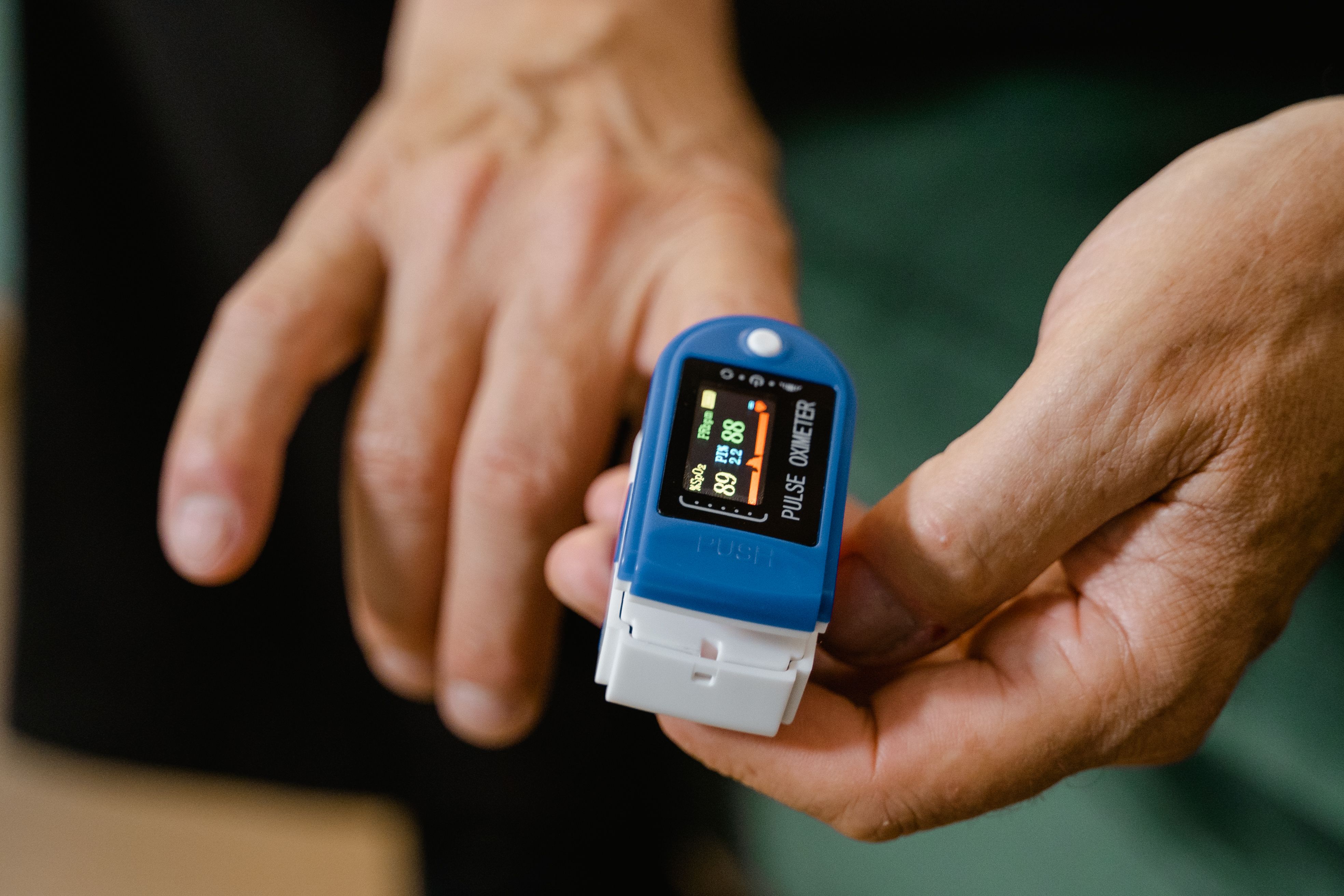
Alarm apps with custom labels work well. Instead of “Timer,” set it to say “2-min desk stretch” or “Mindful sip.” These prompts act as coaches. A wearable device that buzzes after an hour of sitting also nudges you to move. Choose whichever tool fits your style and stick with it for at least two weeks before evaluating its impact.
When you combine these small tactics with clear time blocks, personal wellness stops feeling like a chore. It becomes an integrated part of your day. You’ll move more, eat better and feel sharper at work—all without carving out huge new chunks of time.
Begin by choosing one wellness habit and one time-management change. Track your progress and refine your approach to create a healthier, more balanced routine.