

How to Boost Social Connection for Lasting Well-Being
Close relationships with friends, family, and neighbors can brighten our mood and support overall physical health. When people connect with others, the brain releases...
Jun 24, 2026



Noticing and appreciating small positive moments can lift your spirits and help you concentrate better. By paying attention to everyday good things, you naturally feel more energetic and at ease. You don’t have to set aside hours or follow complicated routines to make gratitude a regular part of your life. Taking a few seconds each day to reflect on what went well or what made you smile can gradually change your perspective. Over time, these simple habits can brighten your mood and make daily challenges feel a bit lighter, helping you approach each day with a more balanced and positive attitude.
This approach draws on research from the *National Institutes of Health* and local well-being studies. People who write down what they appreciate report better sleep and less stress. Clear steps and real examples make adopting gratitude quick and even fun. Ready to get started?
Research shows that counting blessings instead of complaints rewires brain circuits linked to emotion. A short practice, repeated daily, trains your brain to notice what’s working well. That change helps you feel more relaxed and confident at work or home.
Scientific reviews highlight that people who keep a weekly gratitude journal see lasting improvements in well-being. Their energy grows steadily, and they recover faster from setbacks. Investing a little time yields big benefits.
Following these steps takes only minutes, but your momentum will grow quickly. You’ll start noticing good moments you previously overlooked. These small pauses break up busy days and center your mind.
Tracking your progress also feels rewarding. Review past notes and see how your list expands. This record proves your progress and motivates you to keep going.
Attach gratitude to an existing habit. Connect it to brushing your teeth, your morning coffee, or your commute home. This approach helps turn a new habit into part of your daily routine.
Choose one trigger and link your gratitude practice to it. For example, each time you sit down for lunch, take 30 seconds to recall a positive event. No extra devices needed.
At work, start a “gratitude minute” at the beginning of a meeting. Ask everyone to share one recent success. This sets a focused tone and ends with a positive note.
Use weekends for another opportunity. Take a short walk around the block and notice three things you enjoy. Fresh air combined with a grateful mind creates a double benefit.
When life feels overwhelming, finding things to appreciate can be difficult. If that happens, narrow your focus. Instead of searching for big wins, appreciate small comforts, like a warm cup of tea or a favorite song.
If you forget a day, don’t give up. Resume your practice immediately. Feelings of guilt can slow your progress, but a quick restart keeps your momentum. Just three seconds of gratitude are better than none.
If writing feels like a chore, change your method. Try recording a voice note or making a quick doodle. The medium doesn’t matter—only the act of noticing does.
Resistance often arises from the belief that you need perfect conditions. You don’t. Any time, any place, any length of practice counts. Begin where you are.
Jason, a project manager, struggled with afternoon energy dips. He started naming one thing he enjoyed about his morning coffee routine. Within two weeks, he noticed more energy in the afternoons and fewer jitters before meetings.
Sara wrote a thank-you note to a bus driver who always greeted her with a smile. That simple gesture sparked friendly conversations and gave her new motivation during her commute. She also felt a greater sense of community.
After a tough year, team members at a local startup gathered each Friday to share a highlight. This five-minute habit reduced tensions and boosted team spirit. Employees reported fewer stress symptoms and better collaboration.
A retired teacher kept a jar labeled *Tiny Joys*. Every evening, she added a slip of paper describing something positive. Months later, she read through these uplifting moments, brightening her winter days.
These examples show how simple actions can lead to meaningful improvements in mood, focus, and relationships. Adapt these practices to your life and watch small changes build into significant shifts.
Practicing gratitude regularly increases your daily happiness over time. Start small and stay consistent to see lasting results.
Close relationships with friends, family, and neighbors can brighten our mood and support overall physical health. When people connect with others, the brain releases...
Jun 24, 2026

Fresh sneakers on your feet and a new field or court ahead bring a sense of excitement and anticipation. Many people who join a league feel curious and slightly nervous...
Jun 06, 2026

Finding a tool that seamlessly fits into your daily routine can make healthy habits easier to maintain. More than just counting steps or estimating calories, you deserve...
Aug 09, 2026

Interactive workshops combine emotional understanding with hands-on activities to help people build mental resilience. Attendees engage in exercises designed to sharpen...
Aug 12, 2026

Developing mental strength requires dedication, patience, and the right resources to help you stay on track. Personal development courses provide structured support,...
Sep 16, 2026

Long hours at a desk often lead to stiff muscles and reduced blood flow. Taking a few minutes for stretch breaks throughout the day loosens your body and helps you feel...
Jun 10, 2026

Starting your day with a reliable morning routine can make a big difference in how energized and alert you feel. Choose a wake-up time and stick to it each day to give...
Jul 05, 2026

Attending an interactive webinar focused on preventing chronic conditions offers a valuable chance to discover practical ways to lower blood pressure, maintain healthy...
Sep 12, 2026
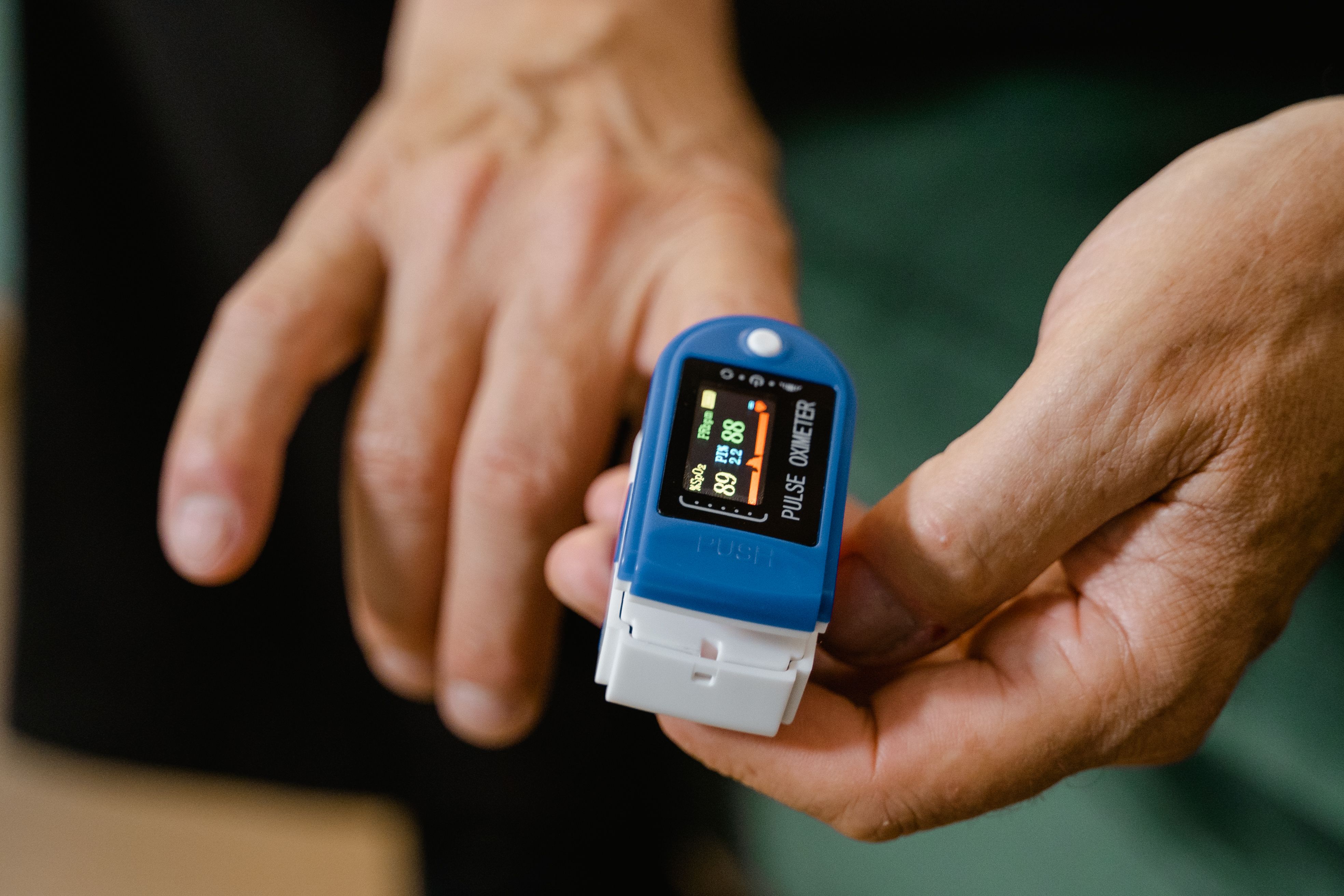
Modern apps and devices simplify the way people keep an eye on their health. These tools deliver instant updates on daily steps, sleep quality, meals, and even stress....
Jul 01, 2026
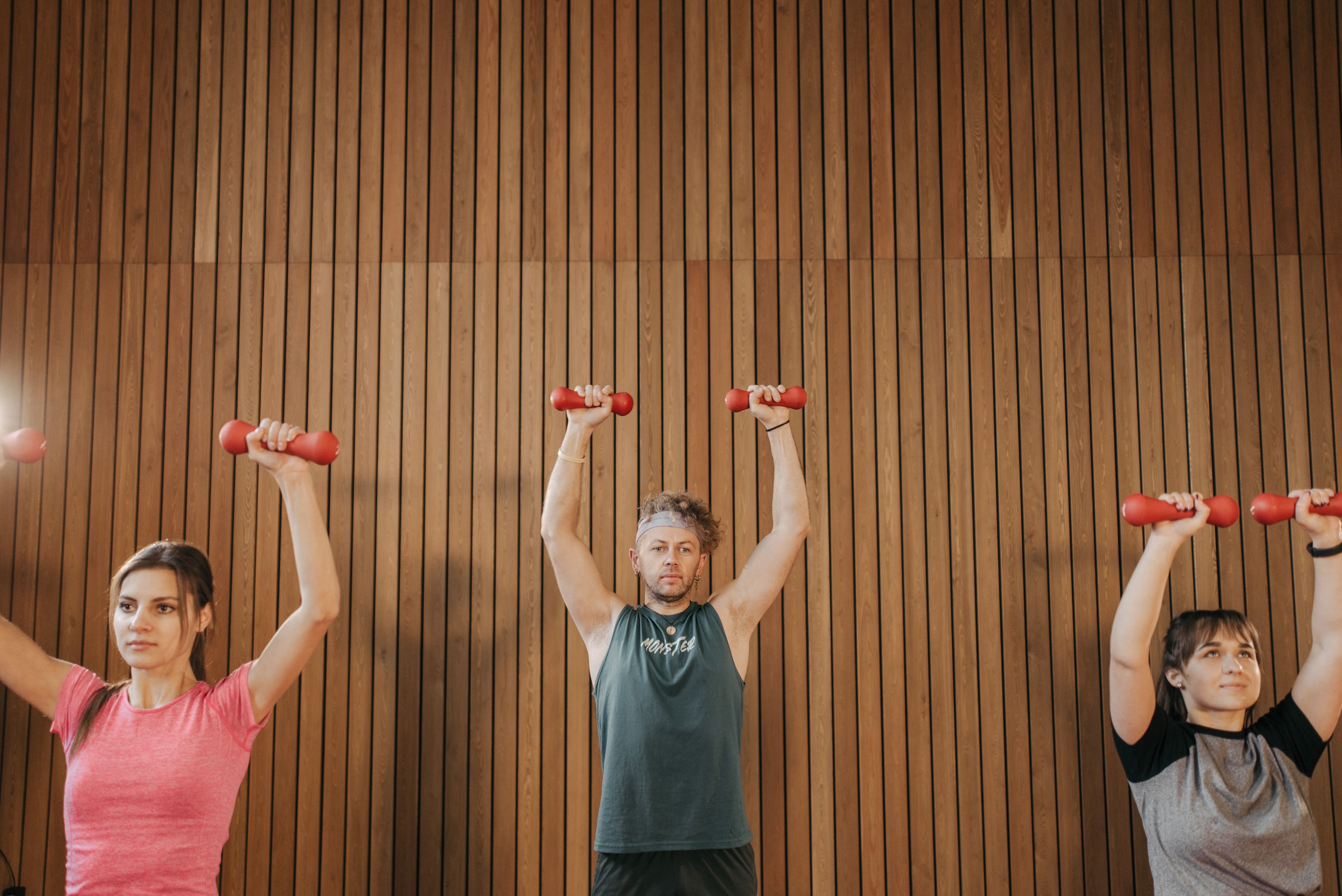
Group fitness challenges bring people together and make building new exercise habits more enjoyable. Sharing workouts with others who have similar fitness goals creates...
Jul 21, 2026

Staying energized each day depends on more than grabbing a cup of coffee. Your body relies on water to help cells convert nutrients into the fuel you need. When you...
Sep 04, 2026

Regular health checkups offer significant benefits by helping you spot potential problems before they become serious. By choosing screenings that fit your age,...
May 23, 2026

Everyday movements, such as lifting grocery bags, carrying children, or pushing open a heavy door, draw from the same strength and motion patterns you develop during...
Aug 22, 2026

Managing healthcare often brings a mix of confusion and stress as you balance appointments, paperwork, and unfamiliar terms. Clear guidance helps you stay calm and make...
Jun 28, 2026