
The Most Effective Group Fitness Challenges for Habit Formation
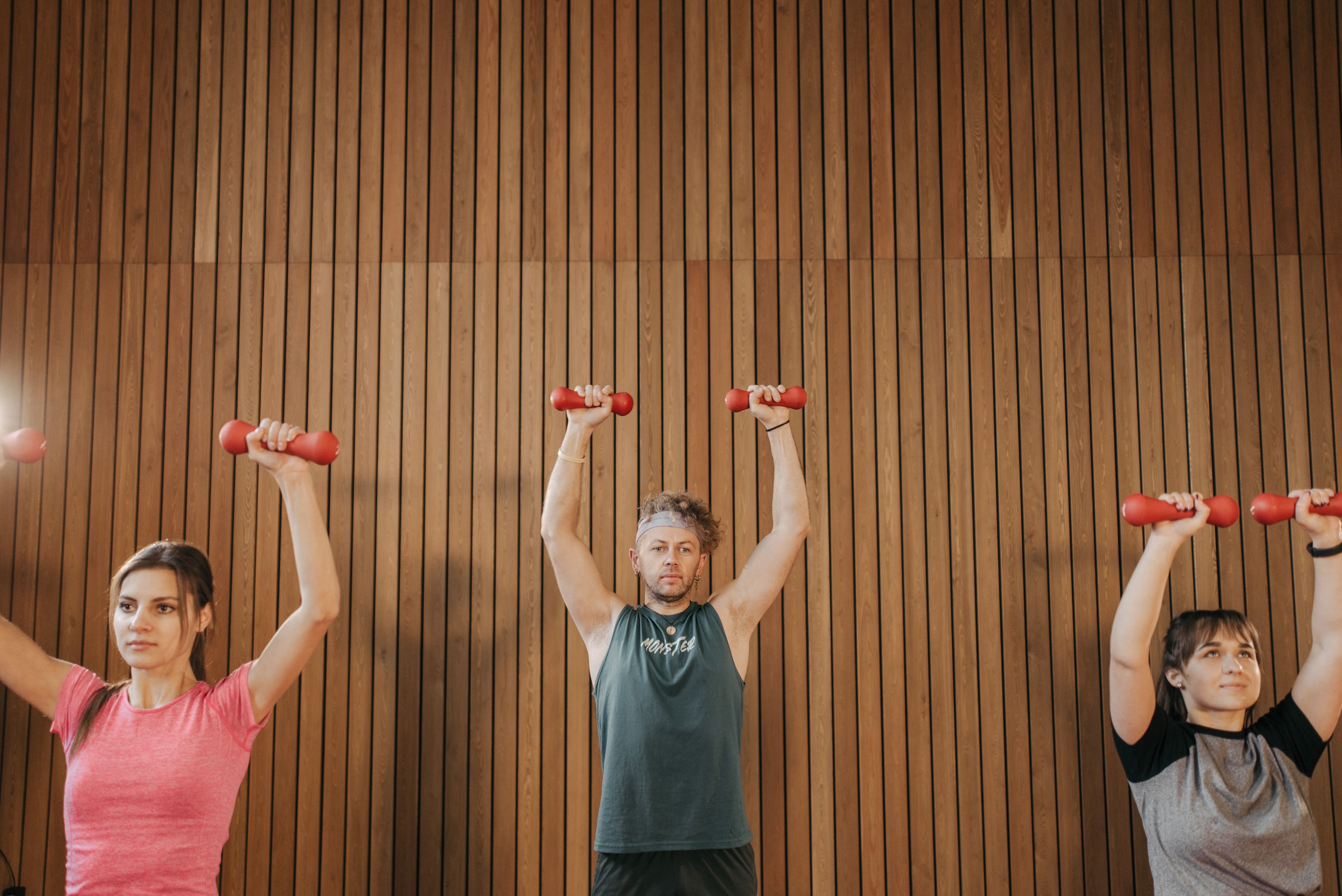
Group fitness challenges bring people together and make building new exercise habits more enjoyable. Sharing workouts with others who have similar fitness goals creates...
Jul 21, 2026



Most people juggle work, family, and personal growth each day, often feeling overwhelmed by the flood of advice on how to improve their routines. Finding practical ways to make positive changes can seem difficult, especially with so many options available. Small, consistent actions that fit easily into your schedule can make a real difference for your well-being. This guide offers straightforward steps to help you develop lasting habits and incorporate simple learning opportunities into your daily life, making it easier to build a healthier and more balanced lifestyle that works for you.
People report 30 percent fewer stress symptoms when they apply simple daily routines. You don’t need big overhauls. A handful of focused changes can reshape energy levels, mood and long-term wellness.
Wellbeing involves more than diet or exercise. It connects physical health with mental clarity and social connection. When you see your habits as parts of one system, each small tweak amplifies the others. Skipping lunch or brushing off sleep affects focus and emotional balance.
Recent surveys show that people who plan daily downtime report 25 percent better concentration. You can track mood shifts alongside sleep quality to find patterns. This feedback loop turns vague intentions into precise, useful insights that guide your choices.
Turning new habits into lasting routines depends on consistent practice. Use clear steps to embed each change before adding another. This prevents overwhelm and keeps motivation high.
Good fuel keeps your body running smoothly. Focus on quality more than strict diets. Even minor shifts in your daily menu produce clear payoffs in energy and focus.
Check your plate after each meal. Ask whether it looks balanced or if any food group is missing. Over time, this reflection helps you pick meals that leave you satisfied and alert.
You don’t need an hour at the gym to get benefits. Short bursts of movement boost mood and burn calories. A ten-minute walk after lunch improves circulation and can cut afternoon drowsiness by up to 20 percent.
Try micro-workouts. Stand and stretch every hour, walk stairs instead of the elevator, or do wall push-ups while waiting for water to boil. These quick actions fit into busy days and build up real gains.
Redirecting attention to the present moment clears mental clutter. Five minutes of focused breathing can lower stress hormone levels by 15 percent. You don’t need a special cushion or a long session to feel the shift.
Use simple cues. Before a meeting, press your fingertips together and take three slow breaths. During a break, gaze out a window and count five details in the view. These small pauses reset your mental baseline.
Reflecting on small wins keeps your momentum going. Keep a brief weekly summary to track wins and obstacles. Write just two sentences: one achievement, one lesson. Reviewing these notes reveals trends you might otherwise miss.
Seek support. Share goals with a friend or join a local class on healthy cooking or walking. Connecting with someone who tries the same steps adds accountability and fresh ideas.
Commit to adopting one new habit each month and refine it before starting the next. Over a year, you’ll develop a toolbox of skills that suit your life.
Small, steady actions create lasting wellbeing. Making learning a daily habit benefits both your body and mind.
Group fitness challenges bring people together and make building new exercise habits more enjoyable. Sharing workouts with others who have similar fitness goals creates...
Jul 21, 2026
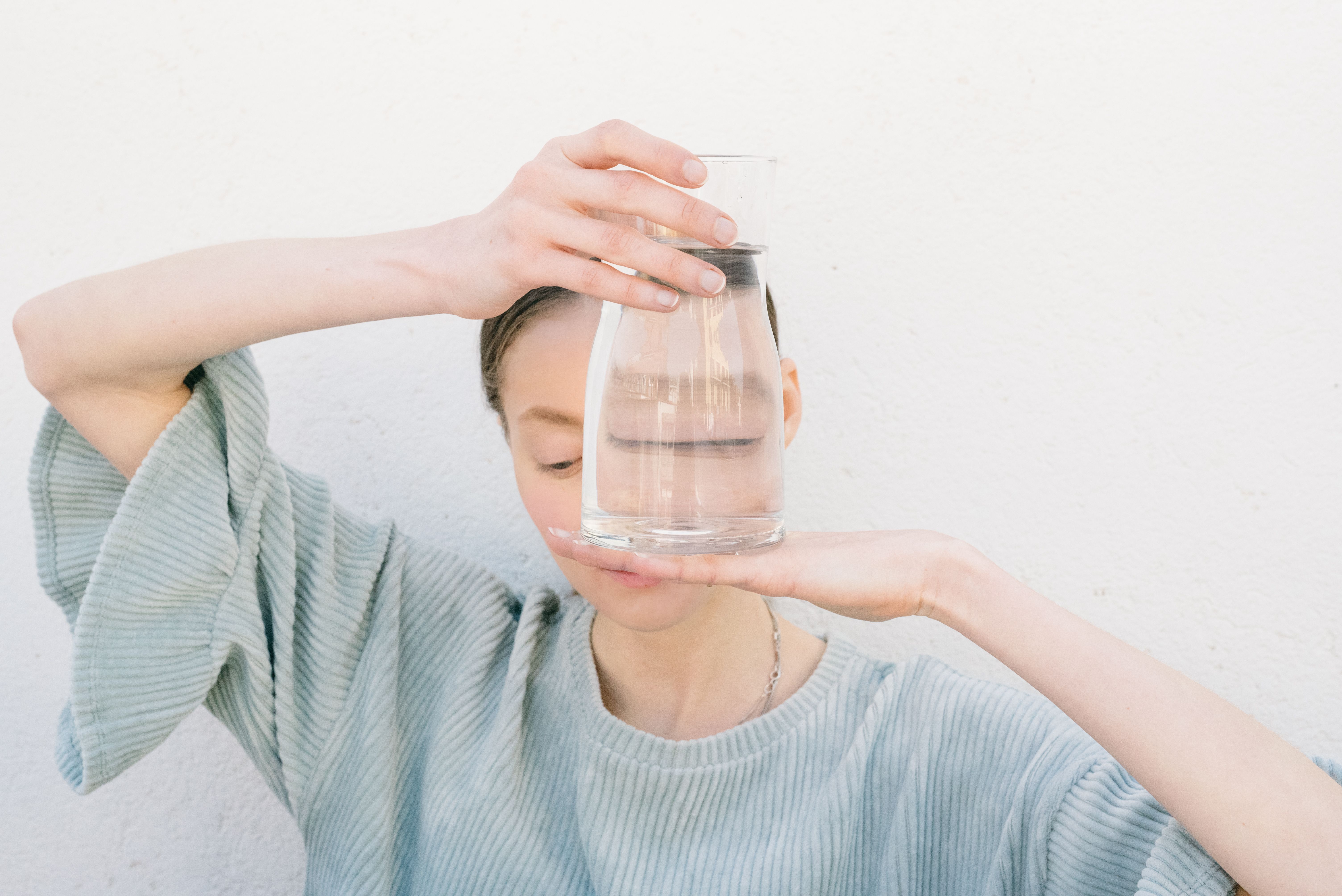
Staying energized each day depends on more than grabbing a cup of coffee. Your body relies on water to help cells convert nutrients into the fuel you need. When you...
Sep 04, 2026

Starting your day with a reliable morning routine can make a big difference in how energized and alert you feel. Choose a wake-up time and stick to it each day to give...
Jul 05, 2026
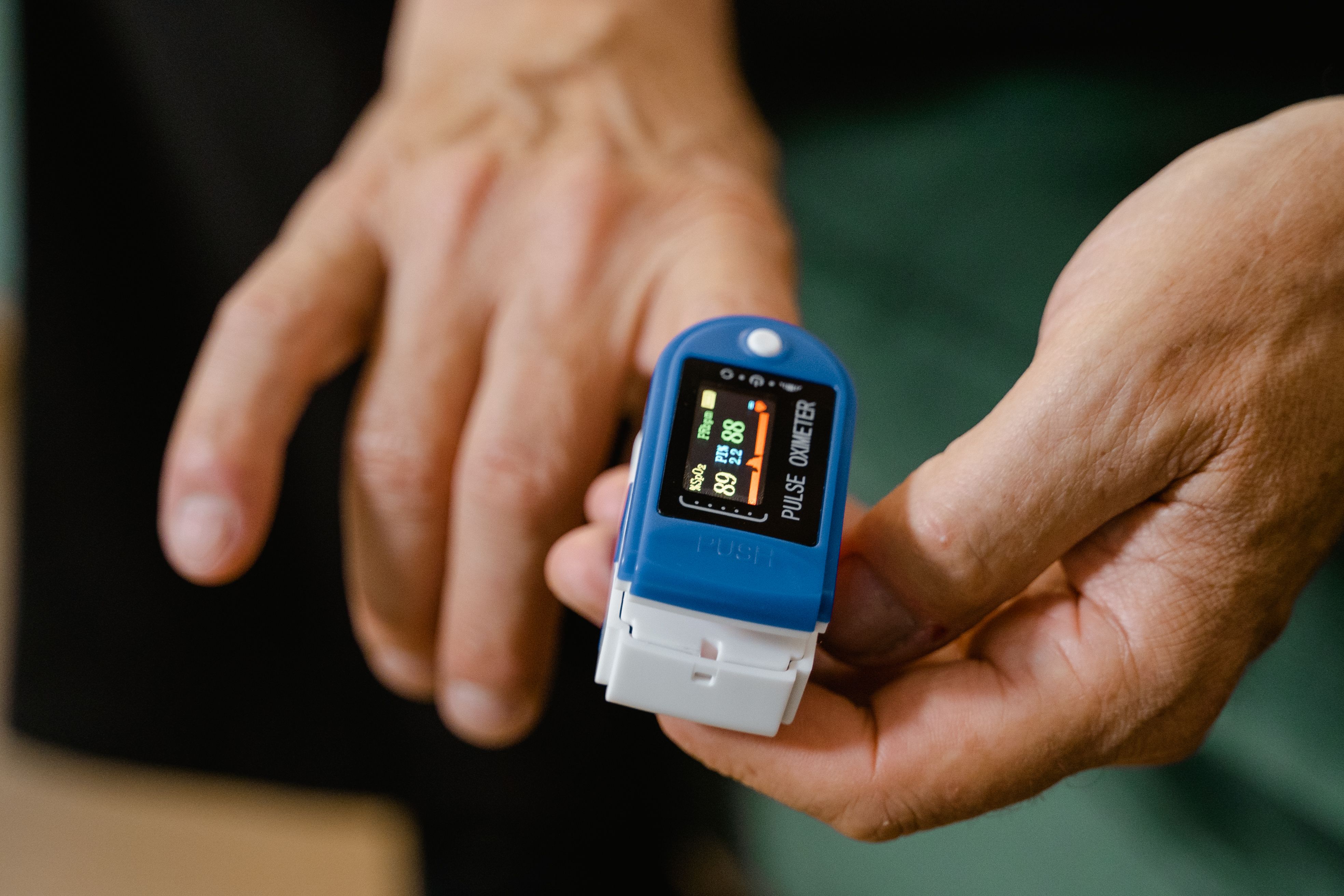
Modern apps and devices simplify the way people keep an eye on their health. These tools deliver instant updates on daily steps, sleep quality, meals, and even stress....
Jul 01, 2026

Building lasting bonds depends on thoughtful, everyday choices. You pick up on subtle shifts, like a dip in enthusiasm or when discussions feel less genuine. Noticing...
Aug 26, 2026

Developing mental strength requires dedication, patience, and the right resources to help you stay on track. Personal development courses provide structured support,...
Sep 16, 2026

Riding a bike offers a practical way to improve both lung capacity and heart health, making it easier to handle everyday stress. Pedaling on a regular basis gives you a...
Jul 15, 2026

Attending an interactive webinar focused on preventing chronic conditions offers a valuable chance to discover practical ways to lower blood pressure, maintain healthy...
Sep 12, 2026

Close relationships with friends, family, and neighbors can brighten our mood and support overall physical health. When people connect with others, the brain releases...
Jun 24, 2026

Long hours at a desk often lead to stiff muscles and reduced blood flow. Taking a few minutes for stretch breaks throughout the day loosens your body and helps you feel...
Jun 10, 2026

Small changes around your home can help reduce exposure to hidden chemicals without overwhelming your daily routine. Switching to gentler cleaning products, improving...
Jun 15, 2026

Plenty of runners find themselves going through the motions, checking off miles without really savoring the experience. Initial excitement often fades when running turns...
Aug 19, 2026

Regular health checkups offer significant benefits by helping you spot potential problems before they become serious. By choosing screenings that fit your age,...
May 23, 2026
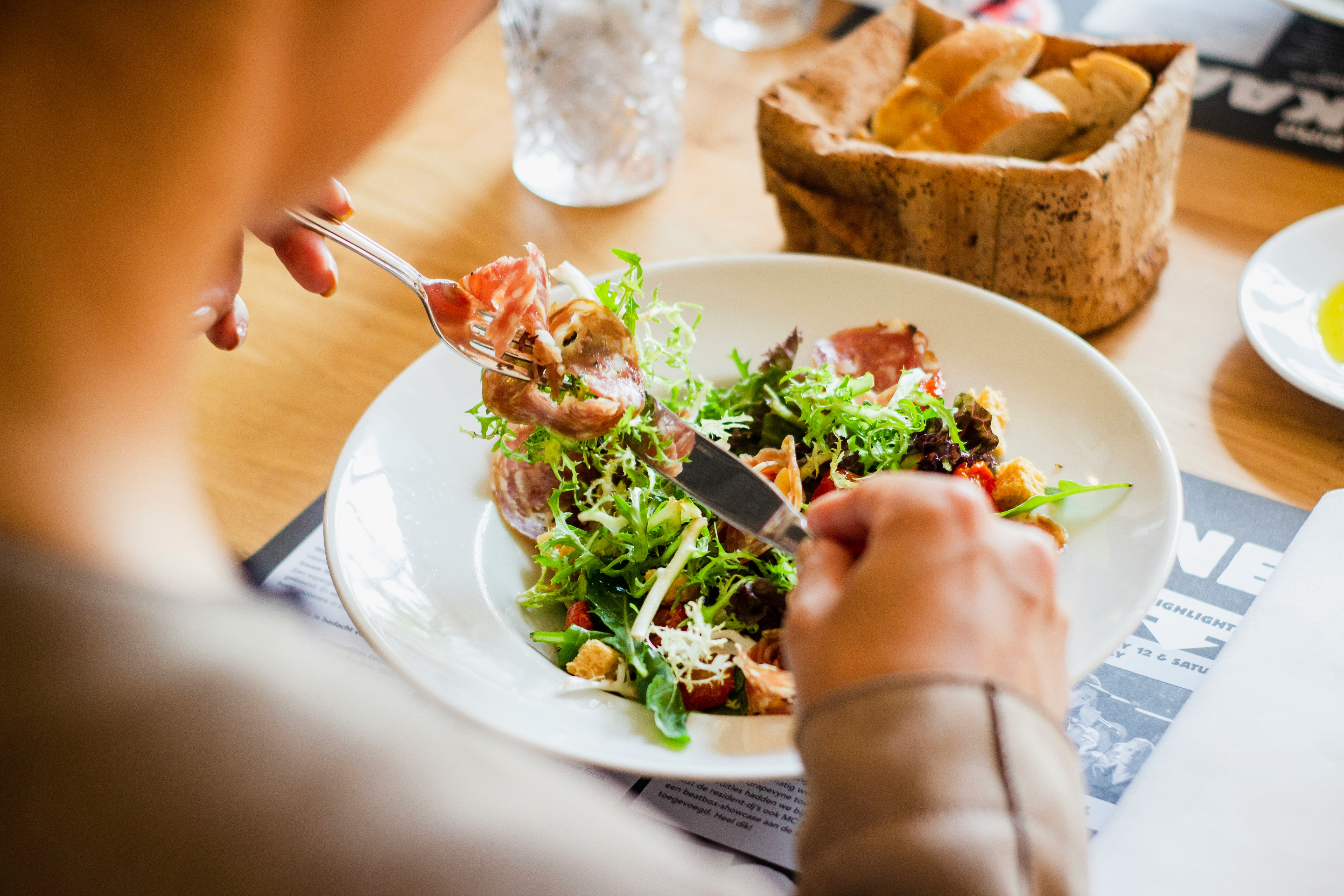
Restaurant meals can fit into your healthy lifestyle with a bit of planning and awareness. You will find plenty of ways to enjoy delicious food while keeping your...
Jul 29, 2026