
The Most Effective Group Fitness Challenges for Habit Formation
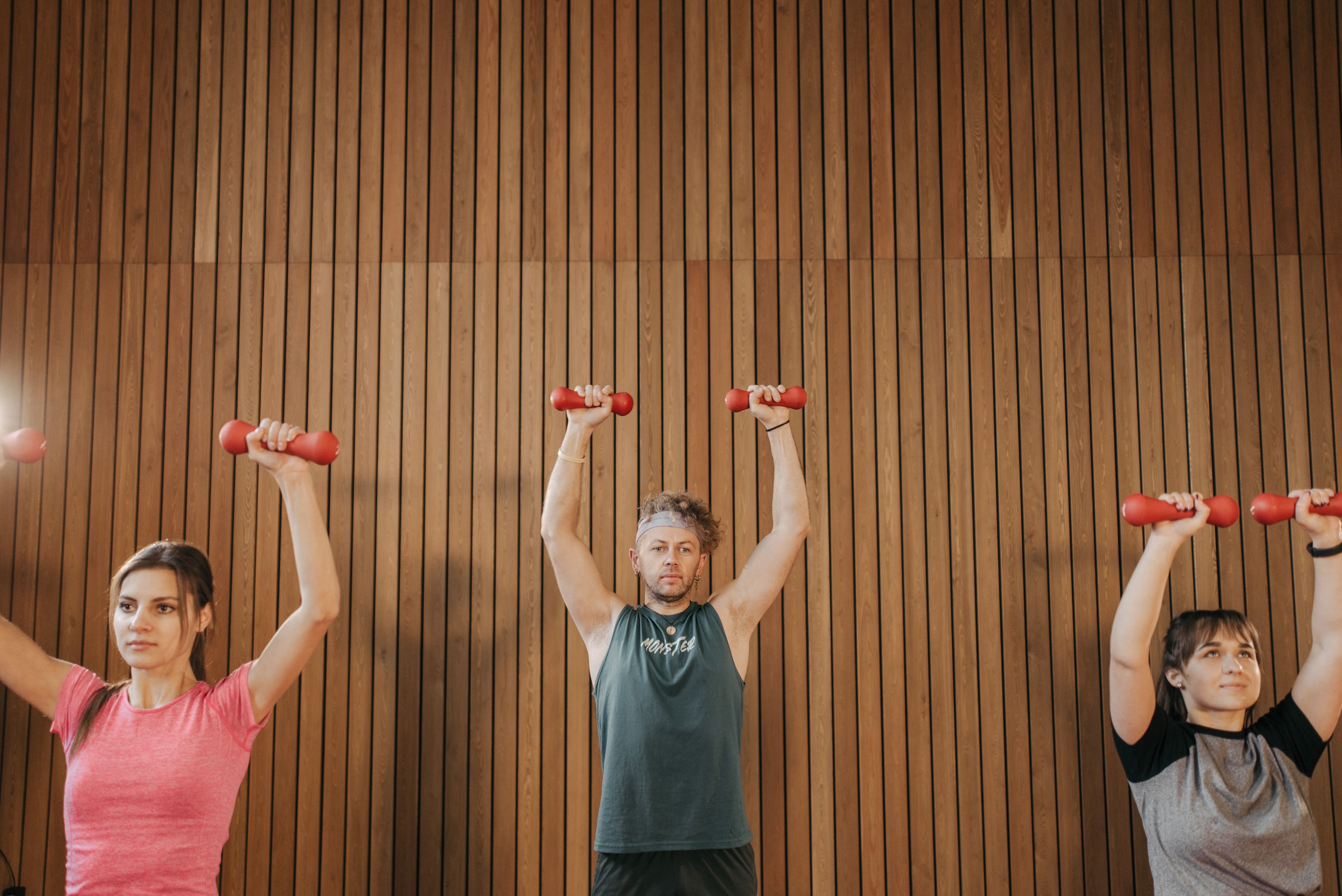
Group fitness challenges bring people together and make building new exercise habits more enjoyable. Sharing workouts with others who have similar fitness goals creates...
Jul 21, 2026



Learning about nutrition online opens up simple ways to improve your eating habits in just a few weeks. Each class introduces useful tips and straightforward actions you can easily add to your everyday life. By selecting a course that matches your needs, you discover fresh meal inspiration, clever ways to shop on a budget, and a dependable routine for better eating. This guide provides real-life examples and clear information to help you turn what you learn into healthier meals at home. You can make lasting changes without feeling overwhelmed, and enjoy the process of building a healthier lifestyle one step at a time.
Skipping fad diets and random blog posts frees up time to focus on proven methods. A well-structured course provides science-backed insights, expert feedback, and peer support. You will track progress easily and adjust your plan as needed. Let’s explore each stage—selection, goal setting, time management, real-life application, and maintaining momentum.
High ratings and success stories show quality content. Prioritize providers that update material regularly to reflect the latest research. A transparent syllabus and sample lesson can reveal teaching style and depth before you enroll.
Write down specific targets like “eat two extra servings of vegetables daily” or “limit added sugar to 25 grams per day.” These clear statements keep you accountable and give your course a specific purpose. Break long-term goals into weekly checkpoints to celebrate small wins.
Attach a reason that matters to each target. Perhaps you want more energy for evening workouts or better blood sugar levels. Understanding why you pursue a goal helps you stick with it. Share your list with a friend or group to stay committed.
When you protect these blocks of time, your brain adapts to a learning rhythm. You will avoid last-minute cramming or skipping important content. If something comes up, reschedule immediately rather than skip the session.
Group similar tasks together to improve focus. For example, watch all videos in one sitting, then complete all worksheets afterward. This approach reduces mental shifts and saves time spent switching contexts.
Start with a simple shopping list template from your course. Group items by store section—produce, proteins, grains—to cut grocery shopping time by as much as 20%. Research shows shoppers who plan lists avoid impulse buys by 30%.
Turn lessons into weekly meal plans. If a module covers balancing macros, assign one recipe daily that meets your target ratios. Use digital tools like spreadsheet trackers or the in-course app to log each meal’s protein, carbs, and fat.
Practice hands-on skills such as reading nutrition labels. When you compare options in the store, note differences in sugar and fiber. You will build confidence choosing high-quality products without second-guessing yourself.
Introduce variety by rotating five breakfast, five lunch, and five dinner ideas. Repeat favorites but change one ingredient weekly—like kale for spinach—to expand your palate and nutrient intake.
Join study groups or online forums related to your course. Sharing successes and challenges with peers keeps you motivated. A Harvard survey found 65% of learners stay on track when they connect with a community.
Track small wins in a visible place—whiteboard, fridge magnet, or phone widget. Checking off daily targets gives a sense of achievement, encouraging you to keep going.
Set up accountability check-ins. Pair with a friend taking the course or schedule short weekly calls with a mentor. Talking about your progress and obstacles enhances your focus and problem-solving skills.
Reward yourself for reaching milestones. Treat yourself to a new kitchen gadget after completing half the modules. Linking real-life rewards to your learning steps helps you remember positive outcomes and enjoy the process.
Reflect on your progress after a few weeks by reviewing your initial goals and identifying habits to improve. This helps you stay focused and ready for the next phase of your healthy eating journey.
Group fitness challenges bring people together and make building new exercise habits more enjoyable. Sharing workouts with others who have similar fitness goals creates...
Jul 21, 2026
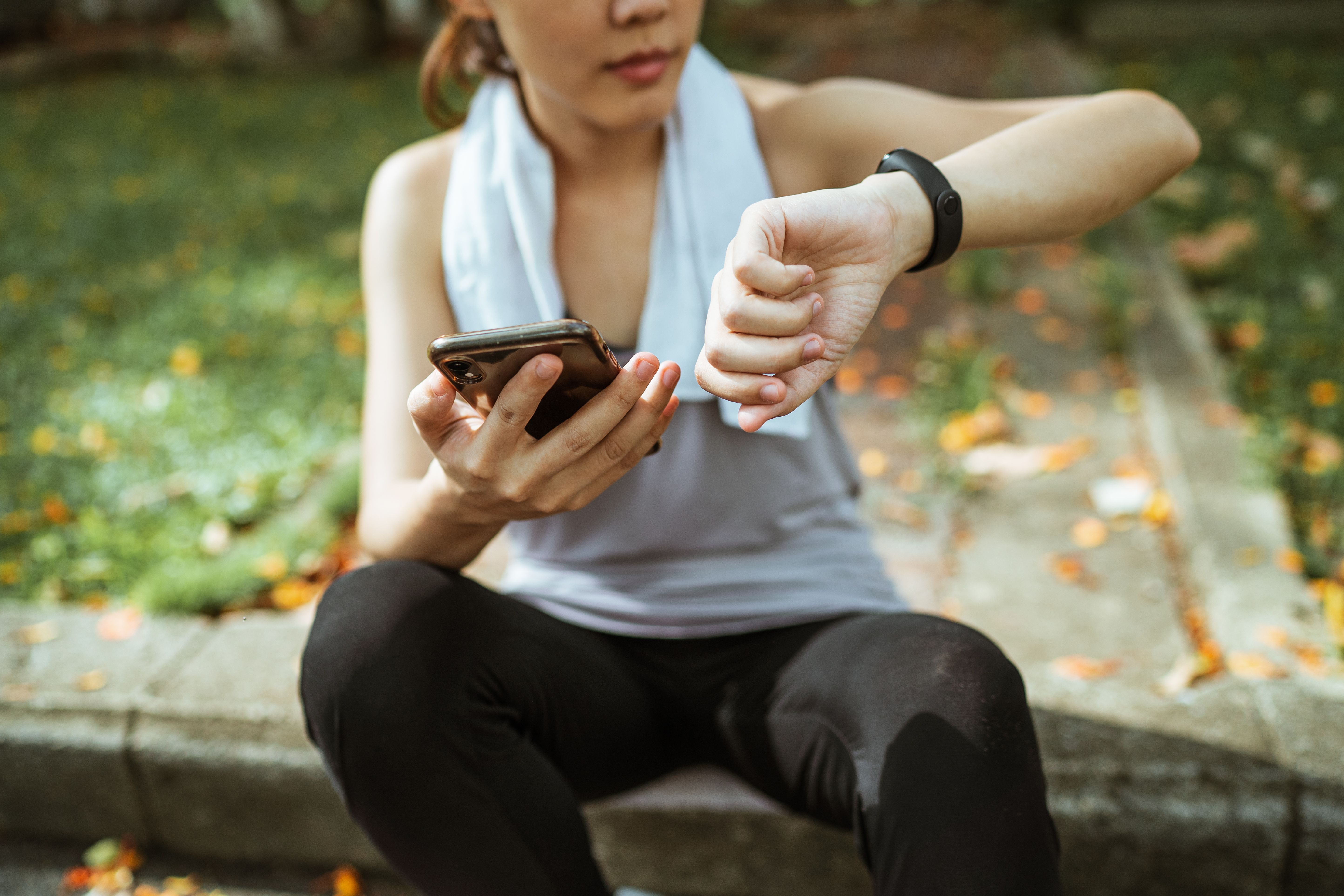
Finding a tool that seamlessly fits into your daily routine can make healthy habits easier to maintain. More than just counting steps or estimating calories, you deserve...
Aug 09, 2026

Starting your day with a reliable morning routine can make a big difference in how energized and alert you feel. Choose a wake-up time and stick to it each day to give...
Jul 05, 2026

Plenty of runners find themselves going through the motions, checking off miles without really savoring the experience. Initial excitement often fades when running turns...
Aug 19, 2026
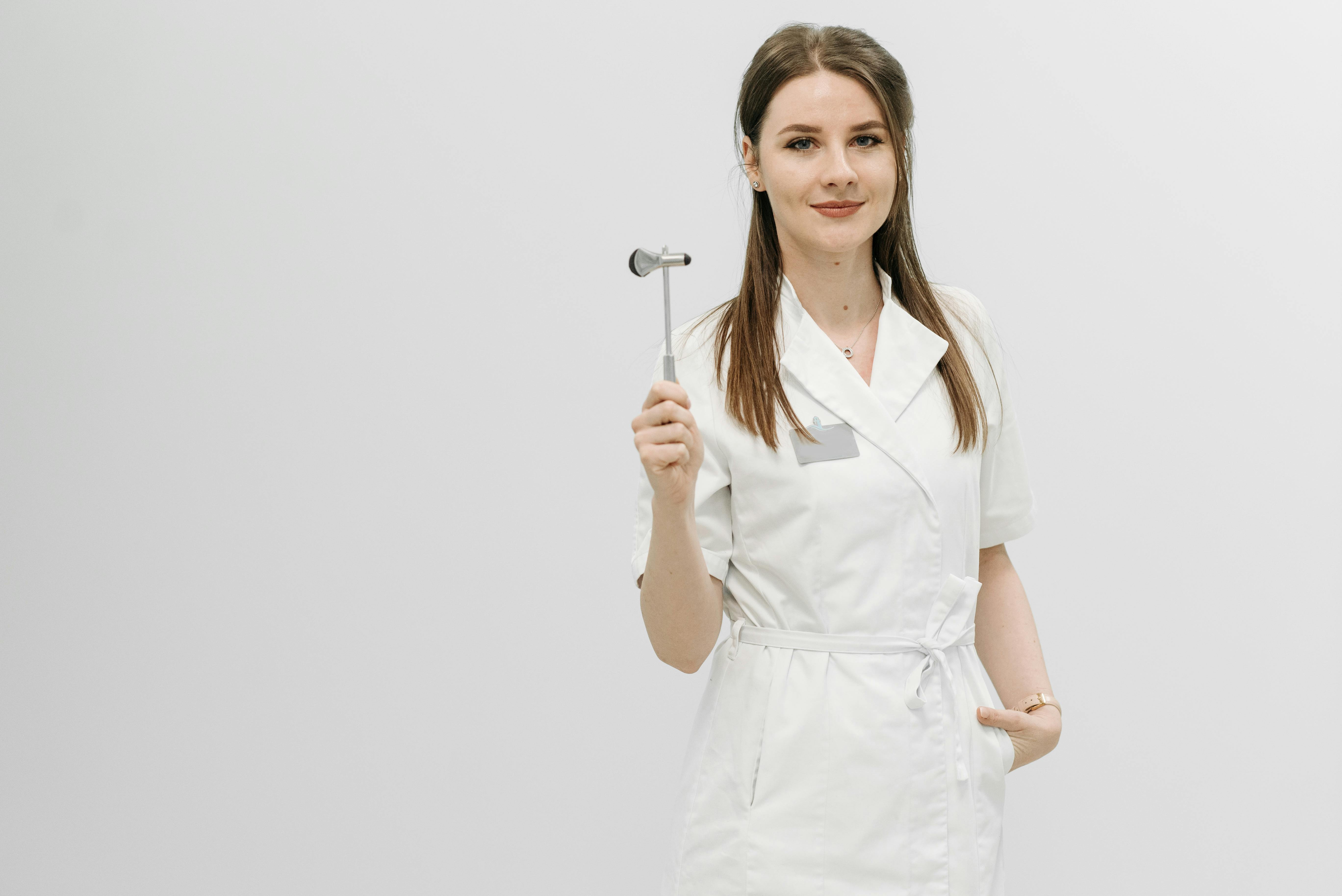
Regular health checkups offer significant benefits by helping you spot potential problems before they become serious. By choosing screenings that fit your age,...
May 23, 2026

Riding a bike offers a practical way to improve both lung capacity and heart health, making it easier to handle everyday stress. Pedaling on a regular basis gives you a...
Jul 15, 2026
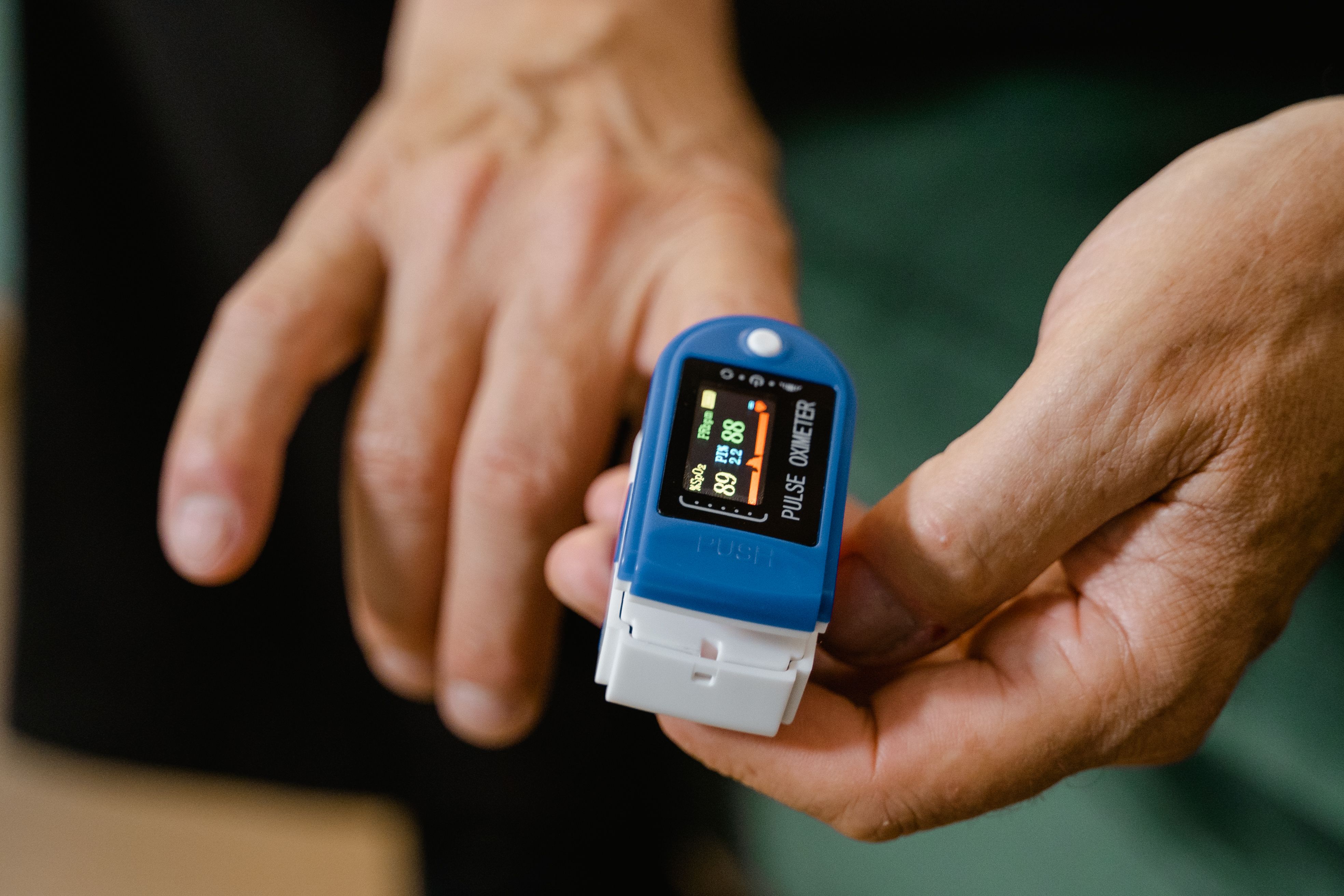
Modern apps and devices simplify the way people keep an eye on their health. These tools deliver instant updates on daily steps, sleep quality, meals, and even stress....
Jul 01, 2026
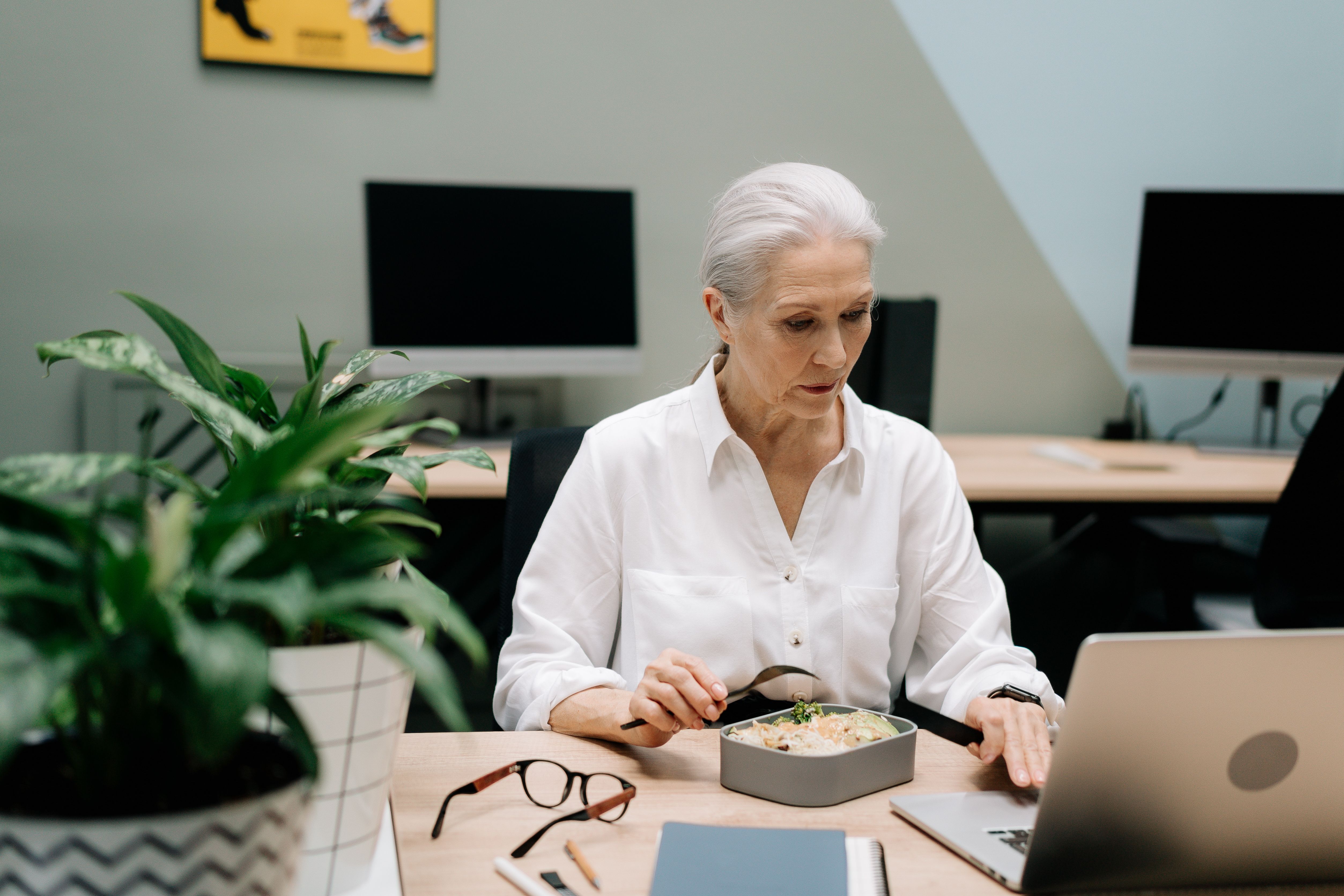
Busy workweeks often make it challenging to maintain healthy eating habits. As tasks build up and meetings fill your schedule, you might find yourself reaching for quick...
Aug 05, 2026

Seasonal changes bring new opportunities to refresh your health habits and keep your routine exciting. As the calendar shifts, you can find inspiration in the unique...
Jul 24, 2026

Staying energized each day depends on more than grabbing a cup of coffee. Your body relies on water to help cells convert nutrients into the fuel you need. When you...
Sep 04, 2026

Fresh sneakers on your feet and a new field or court ahead bring a sense of excitement and anticipation. Many people who join a league feel curious and slightly nervous...
Jun 06, 2026

Long hours at a desk often lead to stiff muscles and reduced blood flow. Taking a few minutes for stretch breaks throughout the day loosens your body and helps you feel...
Jun 10, 2026
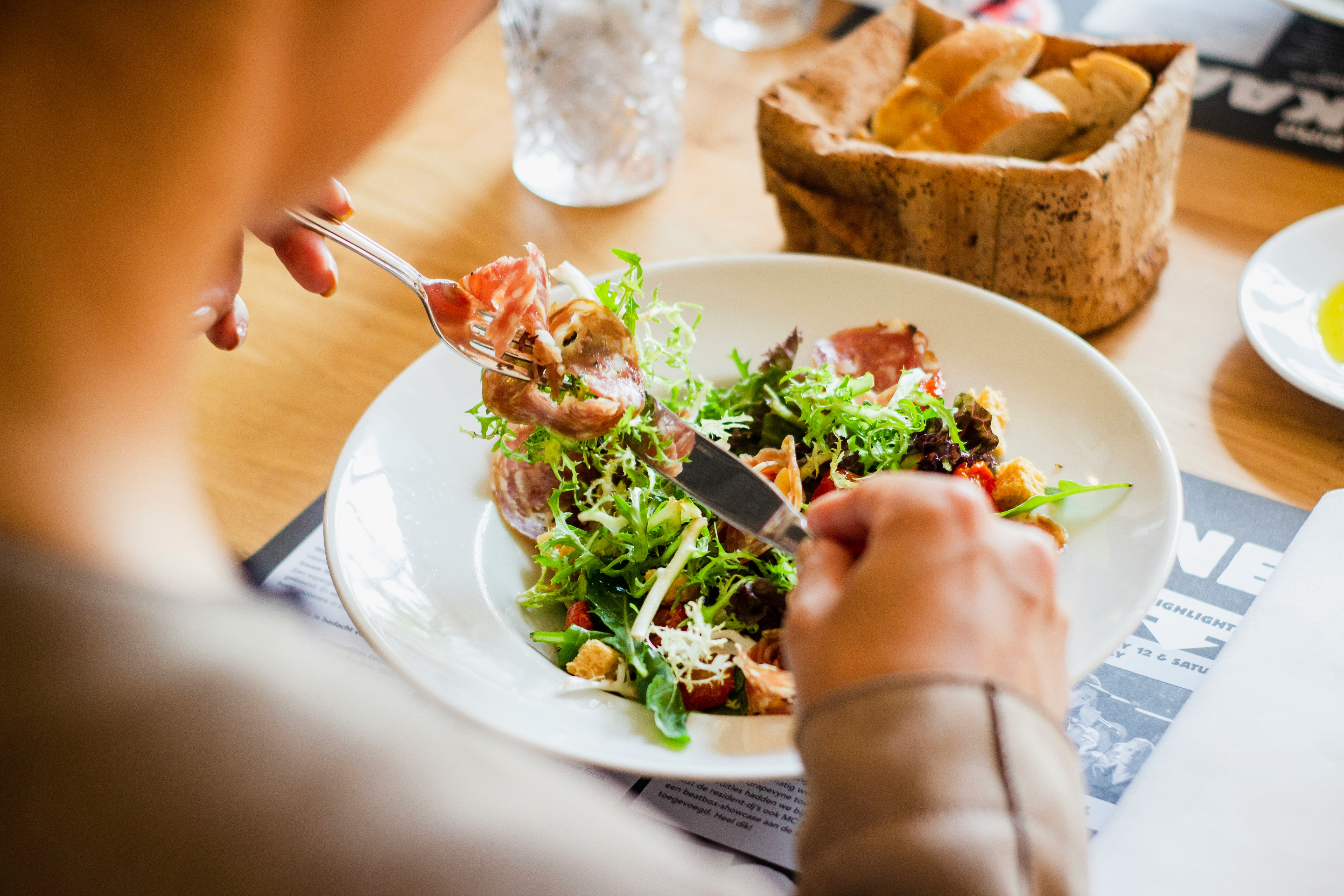
Restaurant meals can fit into your healthy lifestyle with a bit of planning and awareness. You will find plenty of ways to enjoy delicious food while keeping your...
Jul 29, 2026
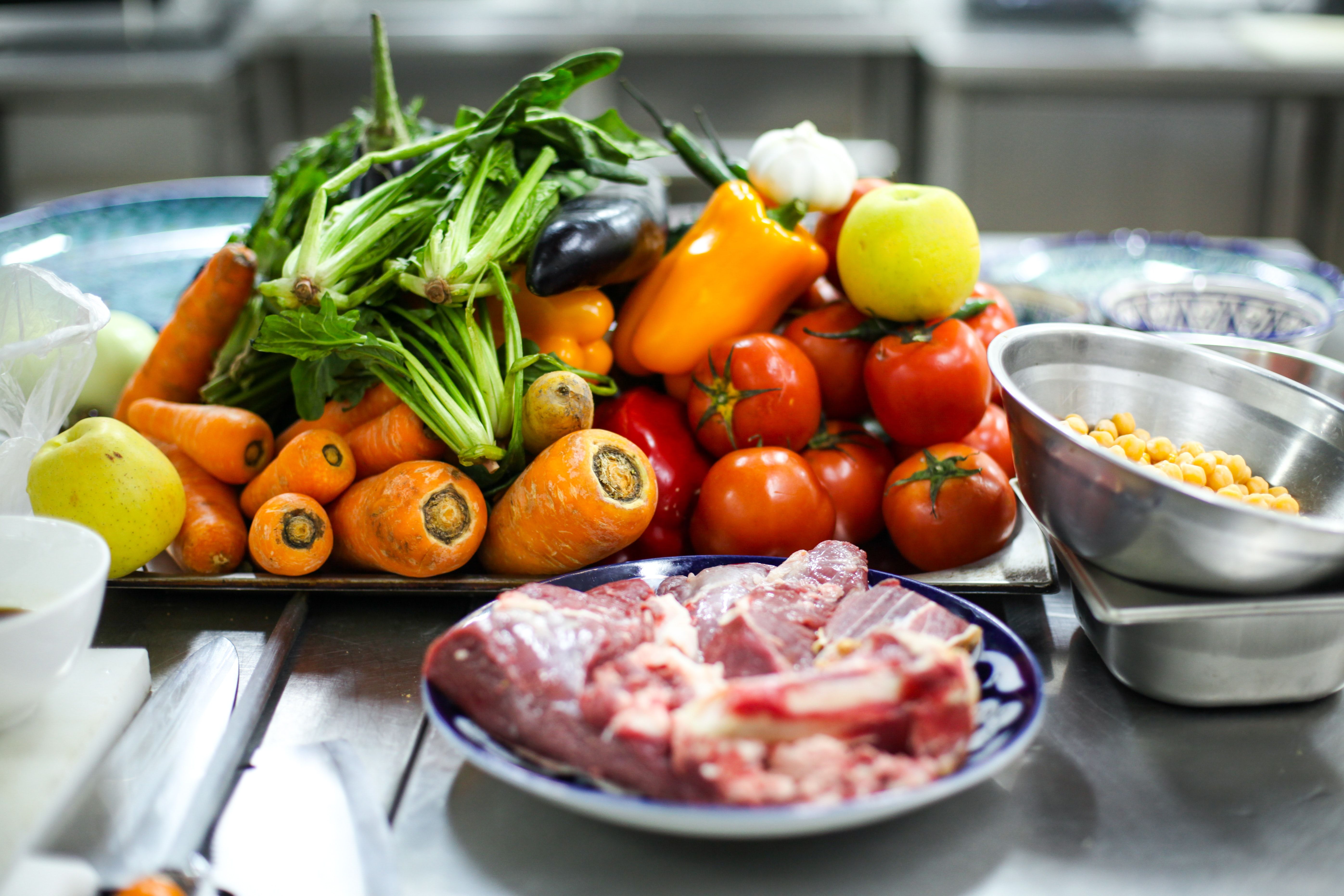
Preparing meals ahead of time streamlines your approach to healthy eating and makes evenings much less hectic. By choosing reliable kitchen equipment, you can create...
Jun 21, 2026