
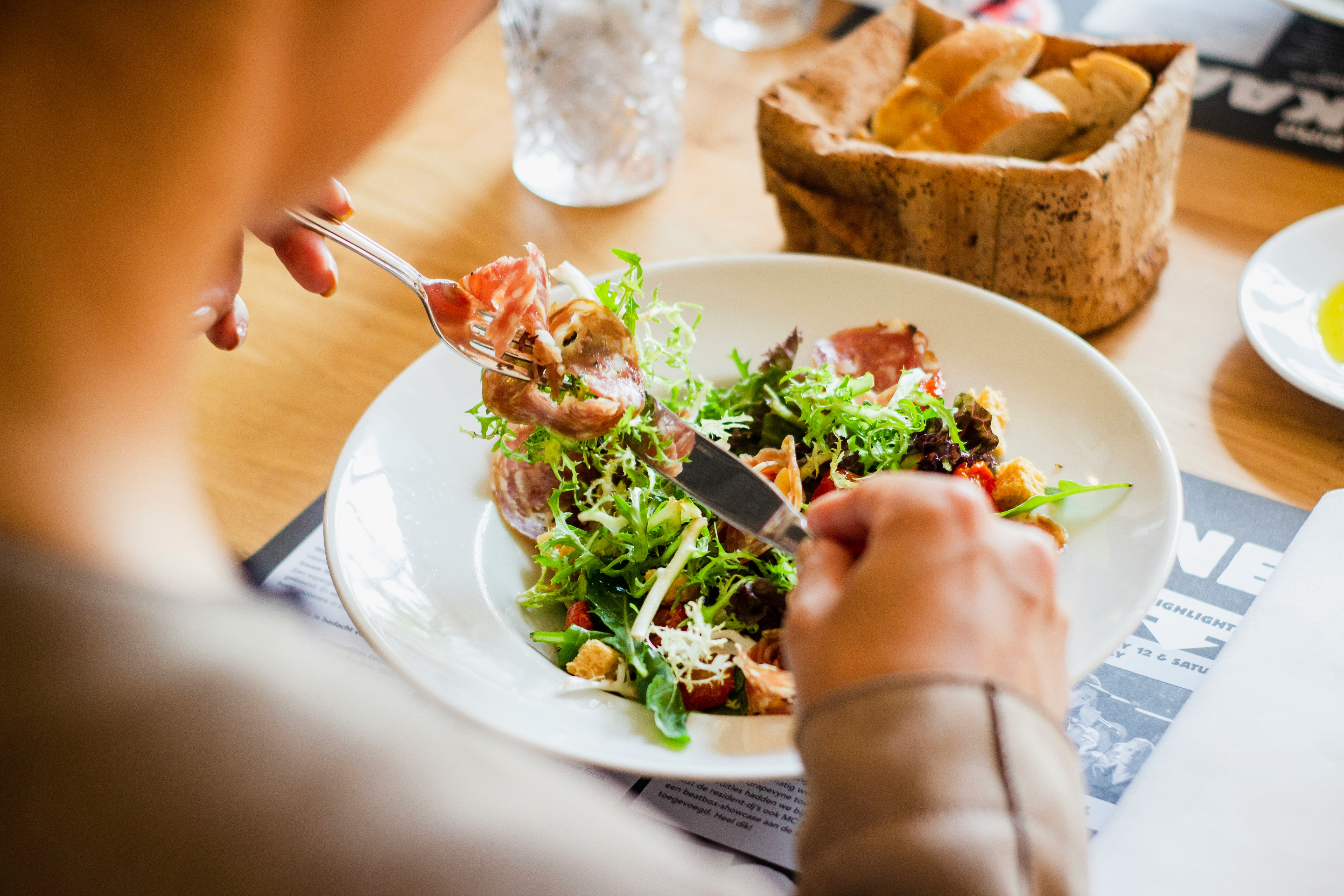
The Best Dining Out Strategies for Maintaining Balanced Nutrition
Restaurant meals can fit into your healthy lifestyle with a bit of planning and awareness. You will find plenty of ways to enjoy delicious food while keeping your...
Jul 29, 2026



Planning and preparing meals in advance brings calm to hectic evenings and makes it easier to eat well every day. Setting aside a few hours during the weekend allows you to avoid the stress of last-minute dinner decisions and helps you skip the temptation of fast food. You decide what goes onto your plate, control portions, and tailor each meal to your nutritional needs. Cooking ahead also lets you explore new recipes, enjoy different tastes, and keep your weekly menu interesting. With just a bit of preparation, you make it much simpler to enjoy wholesome, delicious food all week long.
Imagine reaching into the fridge for a perfectly balanced meal that aligns with your goals—whether that’s building muscle, shedding a few pounds, or just feeling energized. This system reduces decision fatigue and keeps grocery shopping organized. You learn how to gather the right tools, plan your menu, and select nutrient-dense ingredients that taste great cold or reheated.
Planning ahead prevents impulsive splurges on sugary snacks or greasy takeout. When your meals sit ready in containers, you choose what you know fuels your body. This clarity can boost your confidence in your choices and ease worries about hidden calories.
Bulk cooking also reduces the time you spend over the stove. Instead of washing pans every night, you wash a few pots and spend minutes packing up meals. That frees up evenings for hobbies, workouts, or extra rest. You reclaim hours each week while maintaining healthier eating habits.
Having the right gear makes batch cooking efficient and cleanup simple. A few key items turn a weekend session into a smooth process.
With these essentials, you can roast, simmer, steam, and portion without extra fuss. Opt for stackable designs to maximize fridge space and plastic that transitions easily from freezer to microwave.
Organize your session so that prep, cooking, and packaging flow smoothly. A clear sequence prevents you from juggling too many tasks at once.
Following these steps in order keeps you focused and makes cleanup easier. Add your favorite spices or sauces to keep meals interesting.
Small swaps and additions can turn a standard meal into a nutrient-rich one. Focus on vitamins, minerals, and fiber without sacrificing flavor.
Change ingredients weekly to get different micronutrients and keep your palate excited. Use spice blends like turmeric-cumin or ginger-garlic to boost flavor and shelf life.
Streamlining your routine means spending less time under grocery store lights and more moments on your schedule. Shop online or opt for curbside pickup to avoid wandering aisles.
Combine work and recipes. Cook grains in bulk while prepping vegetables. Toss items into the oven as you chop. When you multitask like this, each step overlaps, saving minutes.
Freeze smoothie packets by filling freezer bags with fruit, spinach, and protein powder. In the morning, just dump the bag, add liquid, and blend. You can do the same with soups—freeze single servings for quick lunches.
When your energy dips or weeknight plans change, keep a stash of pre-cooked staples like hard-boiled eggs or grilled chicken strips in the fridge. Add them to wraps or salads to save effort.
When cravings hit, reach for a healthy snack that fits your plan—apple slices with almond butter or Greek yogurt topped with mixed berries. This way, you avoid throwing off your progress by relying on ready-to-eat options prepared in advance.
If you get tired of your usual recipes, swap meals with a friend or explore a new cuisine each week. Lebanese, Thai, or Mexican dishes work well in meal prep containers and introduce fresh flavors without hurting your nutrition goals.
This method takes practice but pays off quickly. Your fridge becomes an ally, stocked with meals that support your health and save time.
Begin with simple tasks like prepping breakfasts or lunches to build confidence. As you progress, preparing full dinner menus will become easier. Eventually, nourishing yourself well will feel natural and satisfying.
Restaurant meals can fit into your healthy lifestyle with a bit of planning and awareness. You will find plenty of ways to enjoy delicious food while keeping your...
Jul 29, 2026

Attending an interactive webinar focused on preventing chronic conditions offers a valuable chance to discover practical ways to lower blood pressure, maintain healthy...
Sep 12, 2026
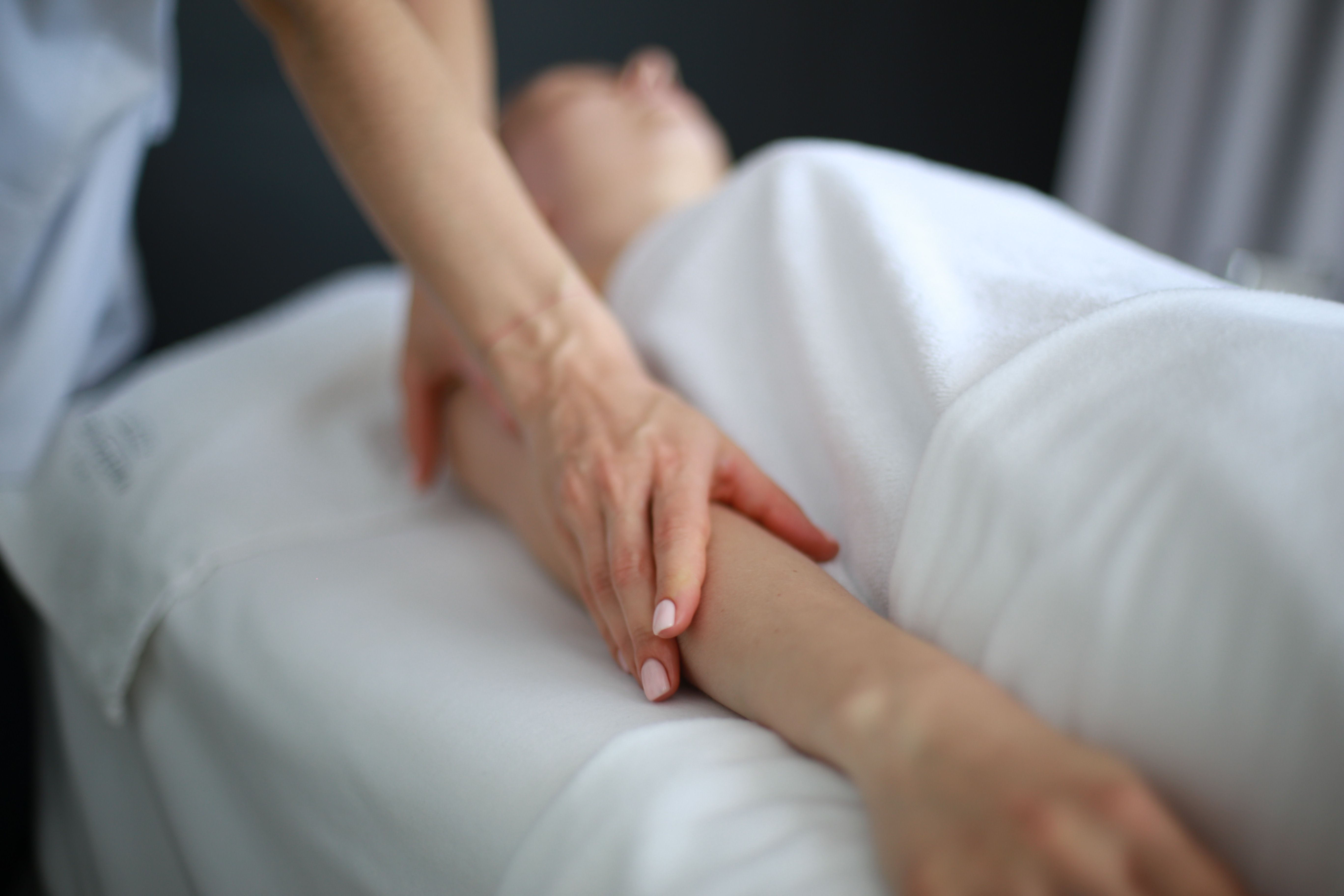
Seasonal changes bring new opportunities to refresh your health habits and keep your routine exciting. As the calendar shifts, you can find inspiration in the unique...
Jul 24, 2026

Taking a moment each day to reflect on your routines helps you understand which habits align with your health goals and which ones may hold you back. By asking yourself...
Aug 02, 2026

Building lasting bonds depends on thoughtful, everyday choices. You pick up on subtle shifts, like a dip in enthusiasm or when discussions feel less genuine. Noticing...
Aug 26, 2026

Finding a tool that seamlessly fits into your daily routine can make healthy habits easier to maintain. More than just counting steps or estimating calories, you deserve...
Aug 09, 2026

Starting your day with a reliable morning routine can make a big difference in how energized and alert you feel. Choose a wake-up time and stick to it each day to give...
Jul 05, 2026
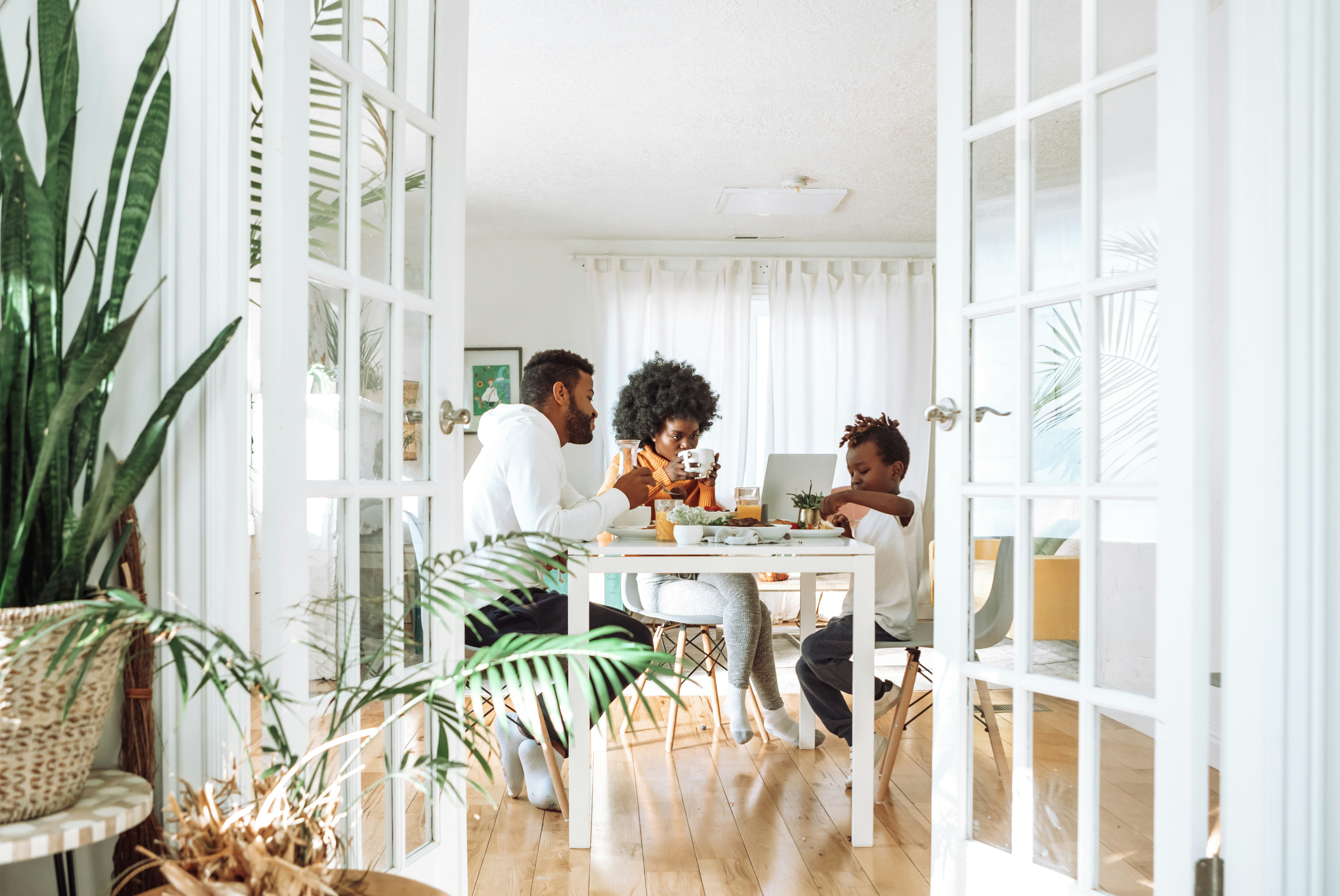
Setting up a home that supports both physical health and mental well-being begins with thoughtful planning. The way you arrange your furniture, select colors, and...
Aug 31, 2026

Riding a bike offers a practical way to improve both lung capacity and heart health, making it easier to handle everyday stress. Pedaling on a regular basis gives you a...
Jul 15, 2026

Close relationships with friends, family, and neighbors can brighten our mood and support overall physical health. When people connect with others, the brain releases...
Jun 24, 2026

Small changes around your home can help reduce exposure to hidden chemicals without overwhelming your daily routine. Switching to gentler cleaning products, improving...
Jun 15, 2026
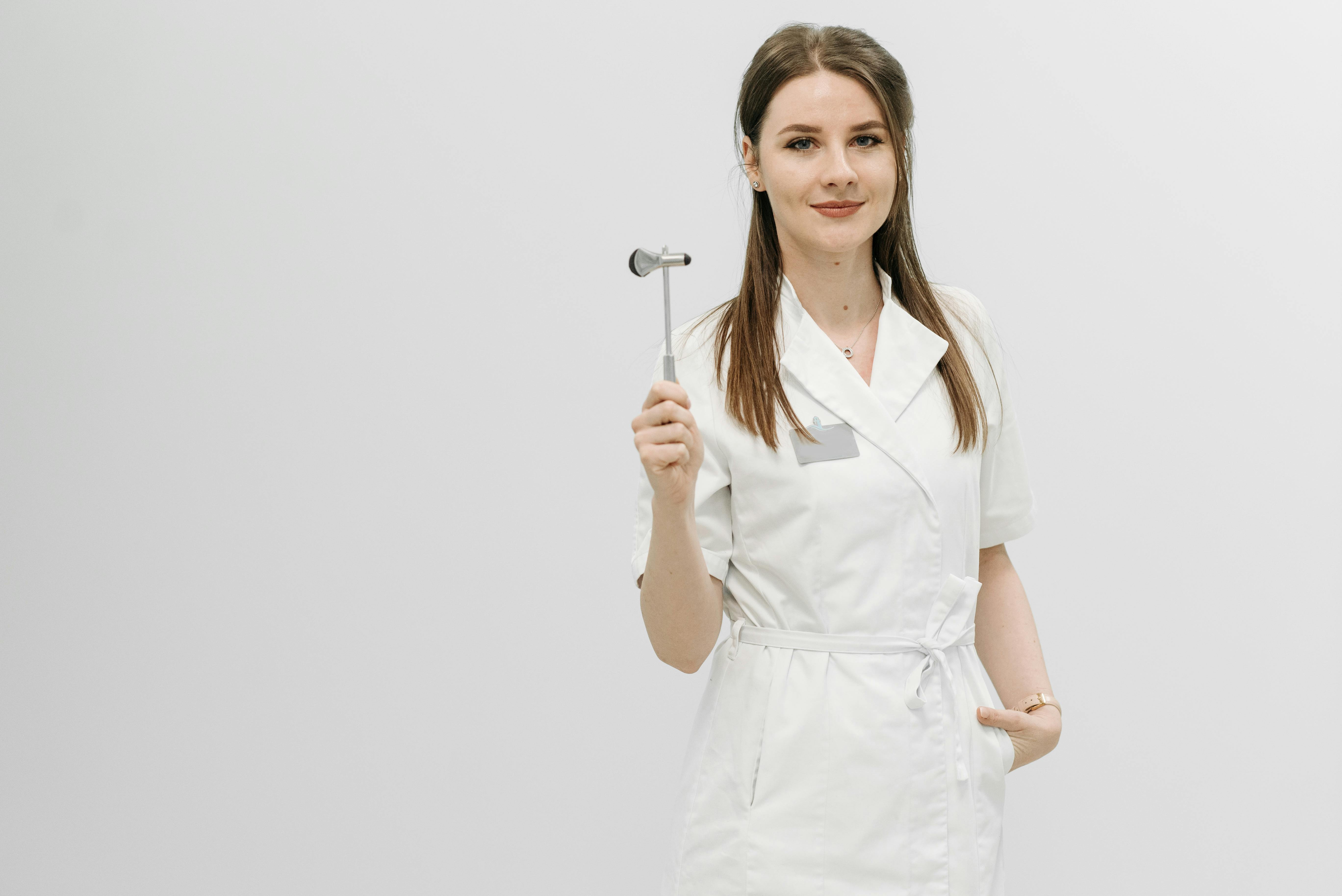
Regular health checkups offer significant benefits by helping you spot potential problems before they become serious. By choosing screenings that fit your age,...
May 23, 2026
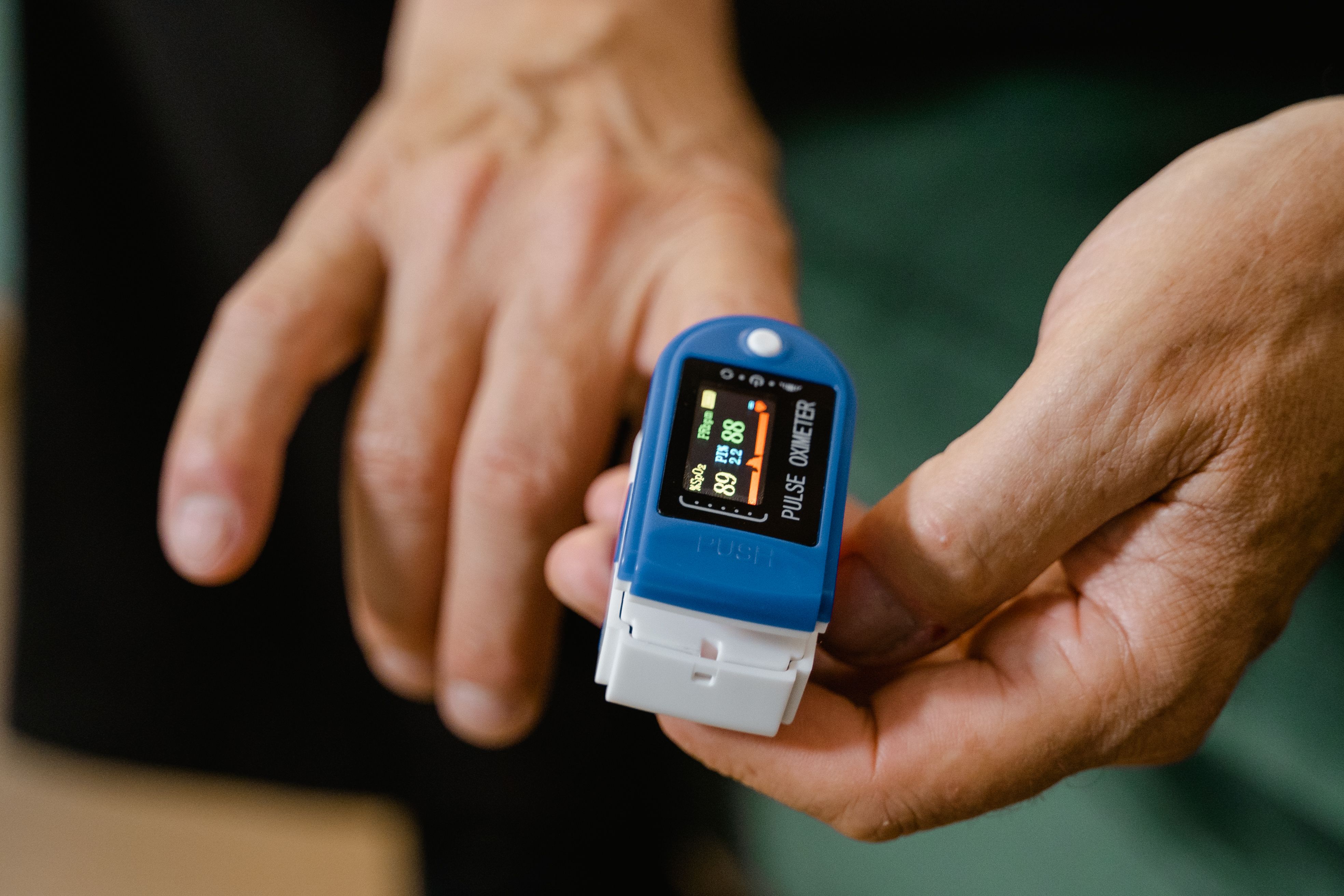
Modern apps and devices simplify the way people keep an eye on their health. These tools deliver instant updates on daily steps, sleep quality, meals, and even stress....
Jul 01, 2026

Everyday movements, such as lifting grocery bags, carrying children, or pushing open a heavy door, draw from the same strength and motion patterns you develop during...
Aug 22, 2026