
The Best Meal Prepping Tools for Effortless Healthy Eating
Preparing meals ahead of time streamlines your approach to healthy eating and makes evenings much less hectic. By choosing reliable kitchen equipment, you can create...
Jun 21, 2026



Many kitchen shelves overflow with processed snacks and ready-made meals, which often work against your nutrition goals. Choosing fresher foods instead can increase your energy, improve concentration, and benefit your health over time. Simple changes make a difference—adjusting the way you shop, cook, and snack leads to noticeable improvements without overwhelming your routine. Explore these six clear methods designed to help you cut down on processed foods and build a stronger, healthier daily menu.
Mapping out meals creates a clear grocery list and reduces impulsive purchases. Spend ten minutes each weekend sketching breakfasts, lunches and dinners. Note any extra servings you can freeze or repurpose for quick reheats.
For example, list Tuesday’s lunch as turkey and veggie grain bowl with homemade dressing. Write Thursday’s dinner as stir-fry using those leftover peppers and carrots. You’ll arrive at the store with purpose—and leave the aisles of packaged snacks behind.
Switch from boxed cereals or instant noodles to oats, whole-grain pasta or brown rice. Whole grains provide fiber and nutrients, while many processed staples offer little beyond empty calories. Embrace simple swaps.
Trade flavored yogurts for plain Greek yogurt topped with chopped fruit and seeds. Replace sugary granola bars with unshelled nuts mixed with dried berries. Those small swaps add up: a recent study found people who prefer whole foods over packaged options consumed 30% more fiber and cut sugar intake by 25%.
Labels can hide high salt, sugar and additives inside familiar packages. Build a quick mental checklist to spot red flags and pick cleaner options:
Use tools like *NutriCheck* or *MyFitnessPal* to log a few labels and identify patterns. Within a week, you’ll instinctively avoid ultra-processed options.
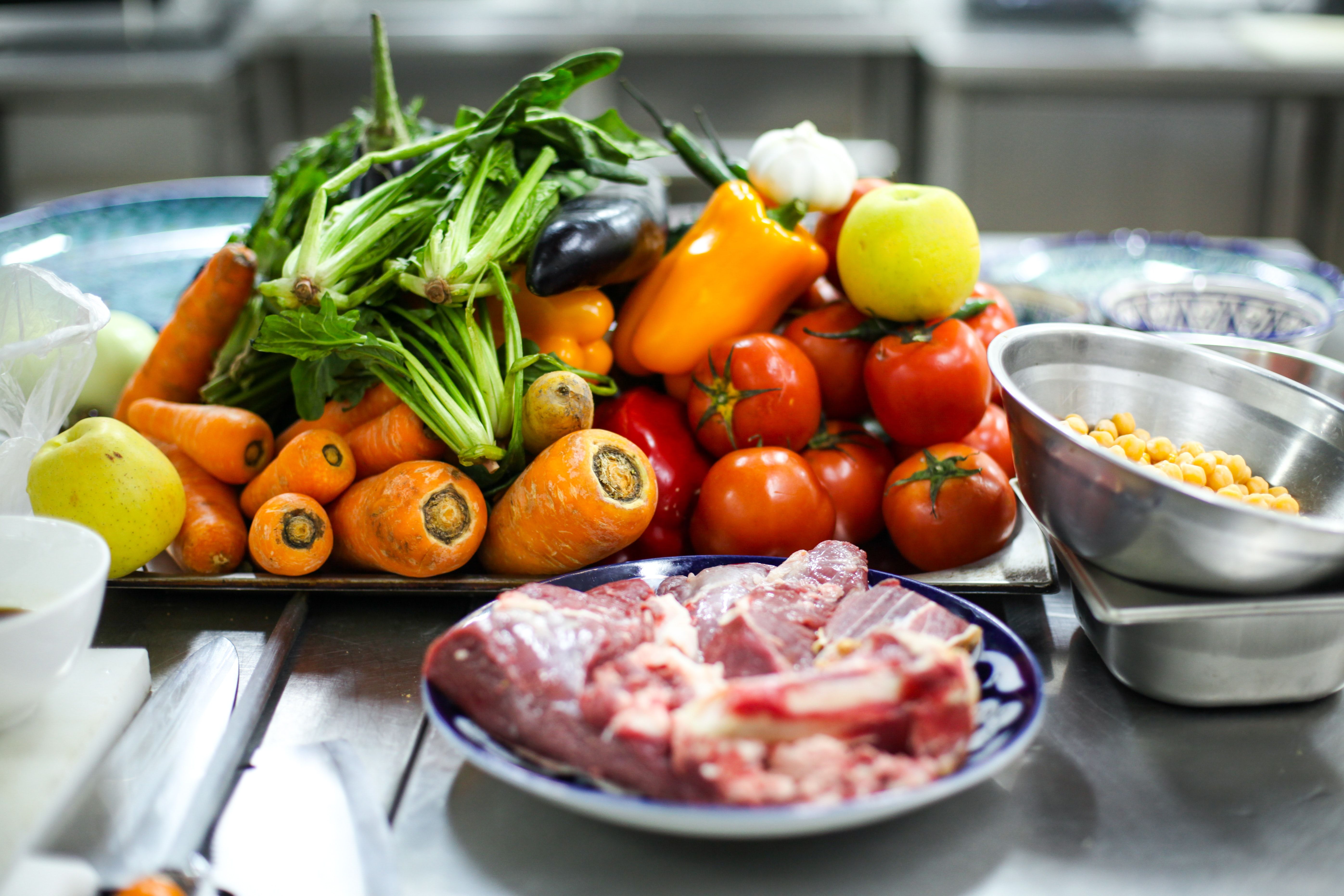
Filling half your plate with vegetables or fruit reduces space for processed items. Keep a colorful rotation: dark leafy greens, bright bell peppers, juicy berries and crisp apples. Pair produce with protein or whole grains for balanced meals.
For instance, toss tomatoes and cucumbers with olive oil, lemon juice and chopped herbs for a quick side salad. Snack on carrot sticks plus hummus instead of reaching for chips. By rotating produce weekly, you prevent boredom and ensure a broad intake of vitamins.
Preparing your own dishes gives you control over ingredients. Start with three simple recipe templates you can mix and match based on pantry staples and fresh items.
These templates adapt quickly. Swap veggies, lean proteins or spices to keep each dinner fresh. Cooking five nights a week helps you limit takeout and avoid hidden additives.
Good snacks prevent hunger from pushing you toward vending machines. Cook bulk items on Sunday: hard-boiled eggs, roasted chickpeas and quinoa salad. Portion into small containers so grab-and-go never feels like a compromise.
Pair protein and fiber-rich bites—almonds with apple slices, yogurt topped with chia seeds or whole-grain crackers plus avocado mash. With prepped packs on hand, you avoid the temptation of pre-wrapped sweets loaded with refined sugars.
Use these six methods to cut processed foods and focus on real ingredients. Combined, they create a lasting shift toward healthier eating.
Preparing meals ahead of time streamlines your approach to healthy eating and makes evenings much less hectic. By choosing reliable kitchen equipment, you can create...
Jun 21, 2026

Setting up a home that supports both physical health and mental well-being begins with thoughtful planning. The way you arrange your furniture, select colors, and...
Aug 31, 2026

Small changes around your home can help reduce exposure to hidden chemicals without overwhelming your daily routine. Switching to gentler cleaning products, improving...
Jun 15, 2026

Attending an interactive webinar focused on preventing chronic conditions offers a valuable chance to discover practical ways to lower blood pressure, maintain healthy...
Sep 12, 2026

Starting your day with a reliable morning routine can make a big difference in how energized and alert you feel. Choose a wake-up time and stick to it each day to give...
Jul 05, 2026

Seasonal changes bring new opportunities to refresh your health habits and keep your routine exciting. As the calendar shifts, you can find inspiration in the unique...
Jul 24, 2026

Everyday movements, such as lifting grocery bags, carrying children, or pushing open a heavy door, draw from the same strength and motion patterns you develop during...
Aug 22, 2026

Finding a tool that seamlessly fits into your daily routine can make healthy habits easier to maintain. More than just counting steps or estimating calories, you deserve...
Aug 09, 2026

Interactive workshops combine emotional understanding with hands-on activities to help people build mental resilience. Attendees engage in exercises designed to sharpen...
Aug 12, 2026

Taking a moment each day to reflect on your routines helps you understand which habits align with your health goals and which ones may hold you back. By asking yourself...
Aug 02, 2026

Fresh sneakers on your feet and a new field or court ahead bring a sense of excitement and anticipation. Many people who join a league feel curious and slightly nervous...
Jun 06, 2026

Developing mental strength requires dedication, patience, and the right resources to help you stay on track. Personal development courses provide structured support,...
Sep 16, 2026

Regular health checkups offer significant benefits by helping you spot potential problems before they become serious. By choosing screenings that fit your age,...
May 23, 2026

Building lasting bonds depends on thoughtful, everyday choices. You pick up on subtle shifts, like a dip in enthusiasm or when discussions feel less genuine. Noticing...
Aug 26, 2026