

Top Hydration Strategies That Support Energy Without Sugary Drinks
Staying energized each day depends on more than grabbing a cup of coffee. Your body relies on water to help cells convert nutrients into the fuel you need. When you...
Sep 04, 2026



Home-cooked meals can delight your taste buds while supporting a healthy heart. With a few simple ingredient swaps and easy adjustments in the kitchen, you still get to enjoy every delicious bite. Making small changes doesn’t take away the pleasure of eating; instead, it brings new flavors and health benefits to your table. Try eight practical ways to boost your cardiovascular wellness through everyday cooking. These easy updates fit seamlessly into your routine, turning each meal into an opportunity to care for your body and enjoy the process of preparing food.
Select oils rich in unsaturated fats. These support healthy cholesterol levels and reduce inflammation. Common choices include:
Store oils in a cool, dark cabinet. Replace oils after six months to keep them fresh. When sautéing, heat gently to prevent smoking and nutrient loss. For dressings, whisk olive oil with vinegar, herbs, or citrus juice for a bright finish.
Fruits and vegetables provide fiber, vitamins, and minerals that support blood pressure and artery health. Try quick prep methods like:
Color on your plate matters. Aim for reds, greens, yellows, and purples. Mix raw and cooked produce. Raw items deliver enzymes and crunch, while cooked ones can unlock deeper flavors.
Replace refined carbs with whole grains to boost fiber and nutrients. Try quinoa, brown rice, barley, or farro. Each serving provides 3–5 grams of fiber and essential B vitamins. Start by replacing half of the white rice in your recipes with brown rice. Gradually increase the ratio until you cook with 100% whole grain.
Stir grains into salads, soups, or breakfast bowls. Use rolled oats for meatloaf instead of breadcrumbs. For quick meals, keep cooked grains in the fridge and reheat with veggies or lean protein.
High sodium intake can raise blood pressure. Fight blandness by layering fresh or dried herbs. Basil, cilantro, dill, and parsley brighten dishes without salt. Toast spices like cumin, paprika, or coriander in a dry pan for 30 seconds to release oils and deepen aroma.
Build simple seasoning blends: mix garlic powder, onion powder, smoked paprika, and black pepper. Store in a jar for a no-salt finishing touch. Cilantro-lime, lemon-pepper, or za’atar blends keep meals exciting and heart-smart.
Lean proteins support muscle and repair arteries. Swap red meat for fish, poultry, or plant-based options at least twice a week. Fatty fish like salmon and mackerel deliver omega-3s—aim for 8–12 ounces per week. Chickpeas, lentils, and tofu make great meat alternatives in tacos, stir-fries, or burgers.
Grill skinless chicken or pan-sear turkey breast with a spritz of oil. For a plant-based boost, stir chopped mushrooms into ground turkey; they add moisture and cut calories. These swaps lower saturated fat and keep flavors satisfying.
Draft meals on Sunday to avoid last-minute fast-food runs. Choose two proteins, three vegetables, and two grains as your building blocks. This approach yields variety without extra shopping trips.
Use a simple template: Monday – fish + greens + brown rice; Tuesday – tofu + bell peppers + quinoa. Write down snacks like apple slices with peanut butter or carrot sticks with hummus. A clear plan reduces stress and keeps you on track.
Set aside a block of time once a week. Cook large batches, then divide into portions. You’ll save 2–3 hours on cooking over the week and avoid tempting takeout menus.
Label containers with dates and ingredients. Freeze meals flat for quick thawing. Pop one in the fridge the night before or microwave straight from frozen for a fuss-free dinner.
Healthy snacks curb hunger and stabilize blood sugar. Keep nuts, seeds, or trail mix on hand—one ounce of mixed nuts provides 170 calories and 3 grams of fiber. Pair a small handful with a piece of fruit for balanced energy.
Greek yogurt with berries provides protein and antioxidants. Edamame pods offer 8 grams of plant-based protein per half-cup. These simple swaps prevent impulse grabs of chips or candy and support heart health.
Try one or two of these eight tactics today and build from there. Small changes can make a big difference, and your heart will thank you.
Staying energized each day depends on more than grabbing a cup of coffee. Your body relies on water to help cells convert nutrients into the fuel you need. When you...
Sep 04, 2026

Small changes around your home can help reduce exposure to hidden chemicals without overwhelming your daily routine. Switching to gentler cleaning products, improving...
Jun 15, 2026

Finding a tool that seamlessly fits into your daily routine can make healthy habits easier to maintain. More than just counting steps or estimating calories, you deserve...
Aug 09, 2026

Seasonal changes bring new opportunities to refresh your health habits and keep your routine exciting. As the calendar shifts, you can find inspiration in the unique...
Jul 24, 2026

Setting up a home that supports both physical health and mental well-being begins with thoughtful planning. The way you arrange your furniture, select colors, and...
Aug 31, 2026

Everyday movements, such as lifting grocery bags, carrying children, or pushing open a heavy door, draw from the same strength and motion patterns you develop during...
Aug 22, 2026

Starting your day with a reliable morning routine can make a big difference in how energized and alert you feel. Choose a wake-up time and stick to it each day to give...
Jul 05, 2026

Attending an interactive webinar focused on preventing chronic conditions offers a valuable chance to discover practical ways to lower blood pressure, maintain healthy...
Sep 12, 2026

Interactive workshops combine emotional understanding with hands-on activities to help people build mental resilience. Attendees engage in exercises designed to sharpen...
Aug 12, 2026
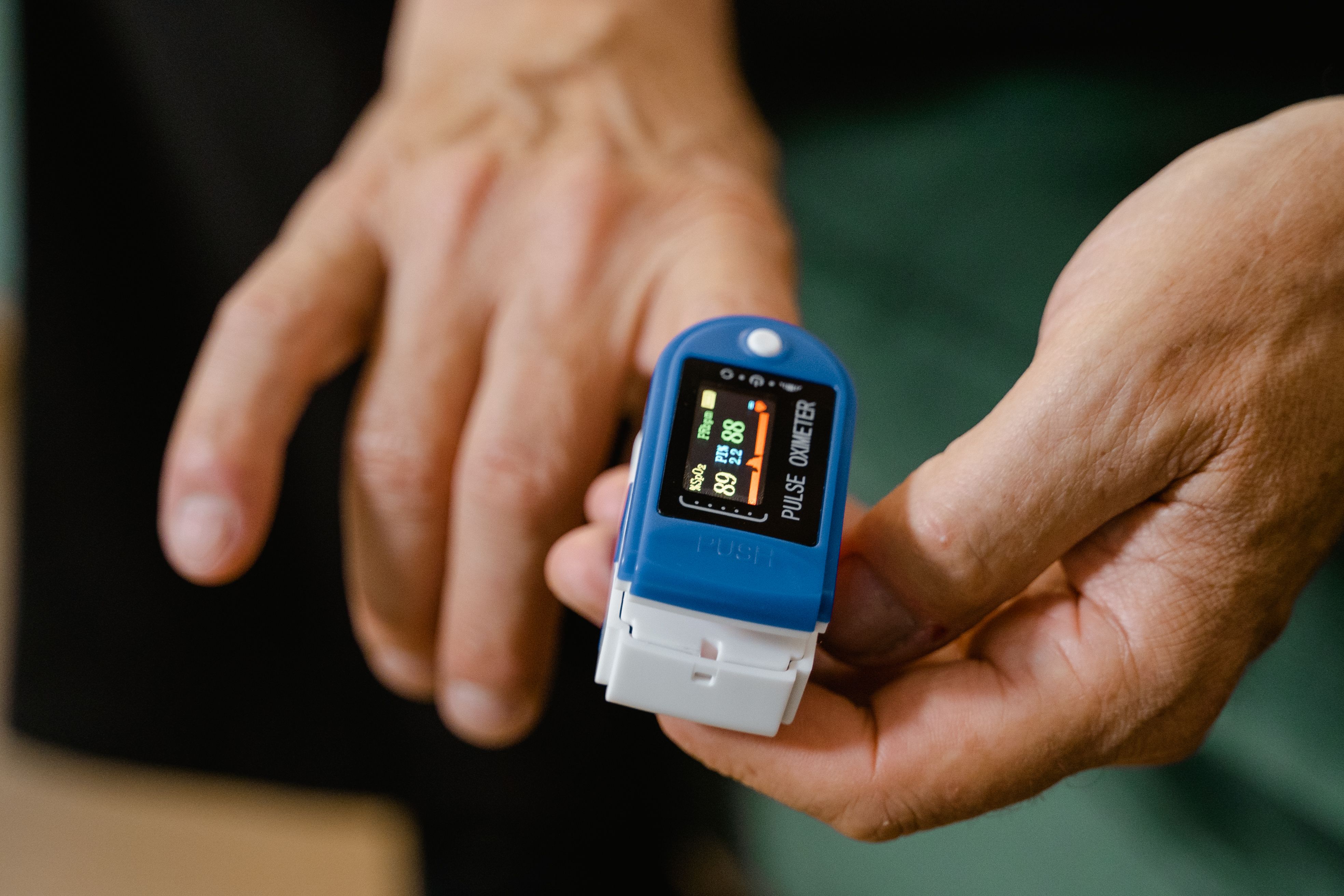
Modern apps and devices simplify the way people keep an eye on their health. These tools deliver instant updates on daily steps, sleep quality, meals, and even stress....
Jul 01, 2026

Taking a moment each day to reflect on your routines helps you understand which habits align with your health goals and which ones may hold you back. By asking yourself...
Aug 02, 2026

Riding a bike offers a practical way to improve both lung capacity and heart health, making it easier to handle everyday stress. Pedaling on a regular basis gives you a...
Jul 15, 2026

Building lasting bonds depends on thoughtful, everyday choices. You pick up on subtle shifts, like a dip in enthusiasm or when discussions feel less genuine. Noticing...
Aug 26, 2026

Regular health checkups offer significant benefits by helping you spot potential problems before they become serious. By choosing screenings that fit your age,...
May 23, 2026