Many people find that balancing work, family, and personal commitments drains their energy throughout the day. By adding easy movement and making thoughtful food choices, you can restore your sense of vitality. Simple changes, such as taking short walks or choosing nutritious snacks, often lead to noticeable improvements in mood, concentration, and overall stamina. A practical routine helps you blend these healthy habits without any need for drastic changes. You will soon notice how regular activity and balanced meals support each other, helping you feel more energized and focused from morning to night.
The Power of Daily Movement
Moving your body sparks chemical changes in the brain that boost mood and alertness. Even a short walk can increase blood flow and release endorphins, the brain’s natural feel-good molecules. That surge of energy often lasts beyond the activity itself.
Muscles adapt quickly to regular use. When you build a habit of daily activity, you strengthen joints, improve posture, and enhance balance. These gains lower injury risk and make everyday tasks feel easier.
- Improved mood: Walking, cycling, or dancing triggers endorphin release.
- Higher energy: Blood flow carries more oxygen to tissues and organs.
- Better focus: Short bursts of activity break mental fatigue.
- Long-term resilience: Bones and muscles grow stronger with regular stress.
Smart Nutrition Basics
Feeding your body with the right nutrients enhances the benefits of movement. When you eat a balanced mix of carbs, proteins, and fats, your cells get the building blocks they need for repair and growth. Your body then uses energy more efficiently, so you recover faster from workouts or a busy day.
Hydration plays an important role. Water supports digestion, regulates temperature, and flushes waste. Losing as little as 2% of your body weight in water can sap performance and concentration. Keep a refillable bottle on hand throughout the day.
- Whole grains: Brown rice, oats, and quinoa provide steady energy.
- Lean proteins: Fish, poultry, beans, and *Greek yogurt* help muscle repair.
- Healthy fats: Avocados, nuts, and olive oil support cell function.
- Fruits and vegetables: Colorful produce delivers vitamins and antioxidants.
- Water: Aim for 8 cups daily or more if you exercise heavily.
Combining Movement and Nutrition
Create a weekly plan to make sure both movement and meals work well together. Start by blocking activity sessions in your calendar. Even 20-minute slots make a difference. Then plan balanced meals around those workouts to maximize energy and recovery.
Here’s a sample weekday schedule that mixes exercise and eating smoothly:
- 6:30 AM – 10-minute stretch routine plus glass of water with lemon
- 7:00 AM – Oatmeal with fruit and a scoop of protein powder
- 12:00 PM – Brisk 15-minute walk before lunch
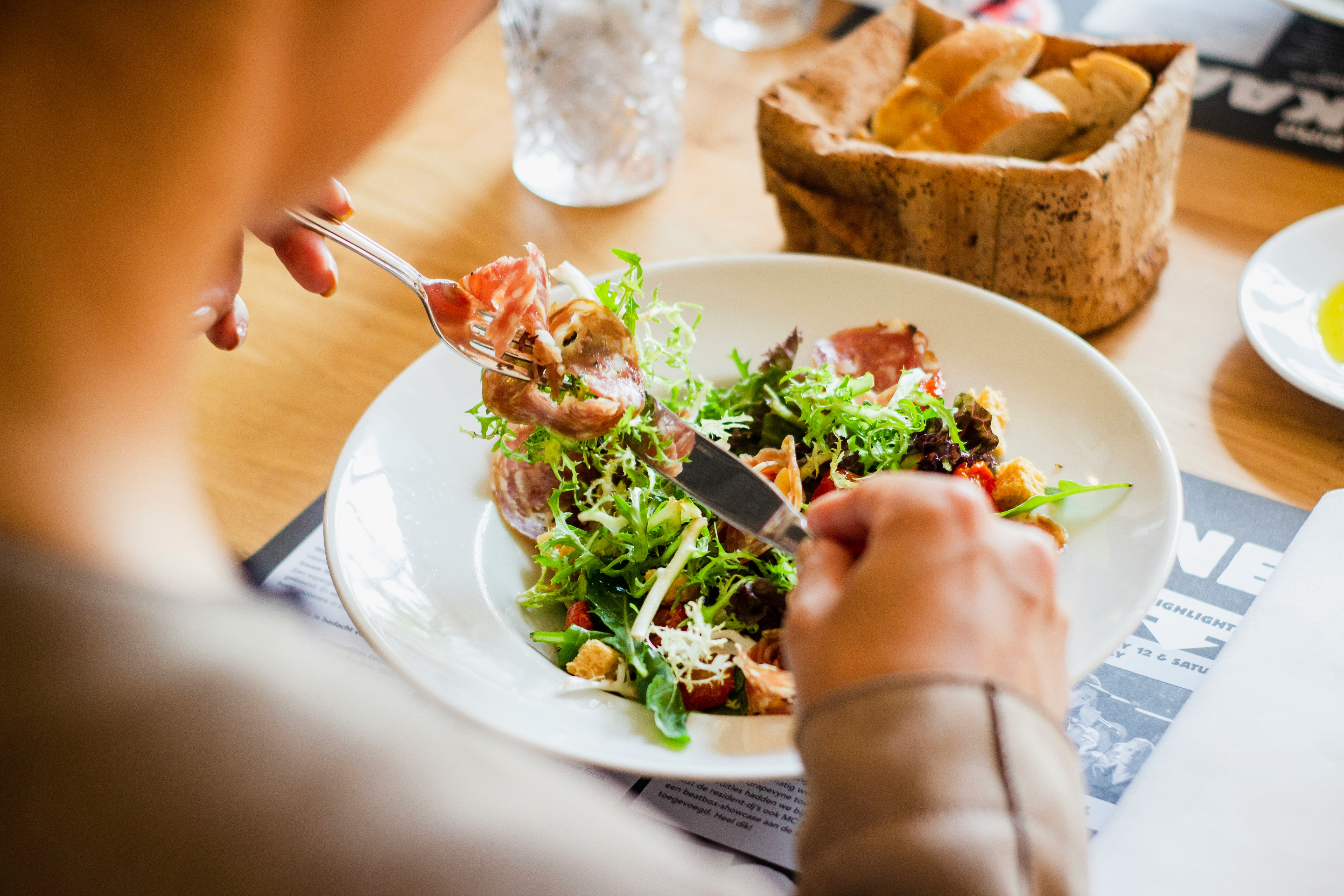
- 12:30 PM – Salad with mixed greens, quinoa, chickpeas, and olive oil
- 3:00 PM – Handful of nuts and an apple for a quick energy boost
- 6:00 PM – 30-minute bike ride or bodyweight circuit
- 7:00 PM – Grilled salmon, roasted veggies, and a side of brown rice
Adjust the timing to fit your routine. The main idea is to pair movement with fuel before and after to feel your best.
Practical Tips and Tricks
Avoid turning healthy habits into chores. Keep workouts and meals simple to stay consistent. For example, set your shoes and water bottle by the door to prompt a quick trip outside. Place chopped veggies in clear containers at eye level in the fridge to make snack prep effortless.
Use technology wisely. A simple step tracker, like *Fitbit*, reminds you to stand up and move. Nutrition apps such as *MyFitnessPal* help you monitor intake without overwhelming you with data.
- Batch cook staples (grains, proteins, veggies) for easy meal assembly.
- Set a timer every hour to stand and stretch for two minutes.
- Swap elevator rides for stairs whenever possible.
- Alternate workout styles: walk one day, do yoga the next, and strength train the third.
- Keep healthy snacks visible: fruit bowl on the counter, nut packets in your bag.
- Plan a “movement meeting” by walking while on phone calls.
Real-Life Examples
Maria, a graphic designer, felt midday slumps until she added three five-minute walking breaks to her workday. She pairs each walk with a handful of almonds and water. Now she finishes tasks faster and sleeps more soundly.
James logged long hours at his desk until he tried a simple routine: two sets of 10 squats during TV commercials and a smoothie packed with spinach, banana, and protein after workouts. He says this combination gave him steady energy through late-night projects.
Insights from these cases show that small, repeatable actions build momentum. Scaling up gradually avoids burnout and keeps progress on track.
Making small daily changes, like walking or adding vegetables, improves your energy and focus. Begin with one simple step today to create a healthier routine.