

The Best Functional Fitness Exercises for Real-Life Strength
Everyday movements, such as lifting grocery bags, carrying children, or pushing open a heavy door, draw from the same strength and motion patterns you develop during...
Aug 22, 2026



Many people find that low-impact cardio provides an effective way to raise the heart rate while keeping movements easy on the knees and hips. Choosing activities that avoid jarring or repetitive stress helps protect your joints, so you stay active without discomfort. Low-impact workouts let you burn calories, increase your stamina, and support healthy circulation, all while reducing the risk of lingering aches and pains. As you continue with these gentle exercises, you may notice an improved mood and greater motivation to maintain a regular fitness routine, making it easier to stay consistent with your health goals over time.
This guide breaks down simple definitions and top activities. You’ll find clear tips to start safely, joint-saving pointers, and a full weekly plan. Each suggestion fits into busy routines, so you can stay active without setbacks.
Low-impact cardio describes exercises where one foot stays in contact with the ground most of the time. This reduces jarring forces that can strain joints. You still raise your heart rate through continuous movement, but you avoid hard landings.
These workouts often involve smooth motions like cycling or walking, not jumping or sprinting. That gentle rhythm helps you stick with your routine for months or years. It suits people who face tight schedules, minor aches, or past injuries.
All these options offer adjustable resistance and pace. You can start gently and increase intensity when you feel ready. Mixing them up prevents boredom and targets different muscle groups.
Select two or three options that suit your schedule and interests. Including variety helps prevent overuse injuries and keeps your motivation high.
Before putting on shoes or getting on a bike, check with a medical professional if you have chronic conditions. Getting quick approval gives you confidence to proceed.
Next, set aside a short warm-up and cool-down. Spend five minutes on dynamic stretches—leg swings, arm circles—before your main workout. After finishing, do gentle stretches for calves, quads, and shoulders to ease tightness.
Begin with 15 to 20 minutes of activity, three times weekly. Record your sessions in a simple journal or app. Gradually add five minutes each week until you reach 30 to 45 minutes per session.
Choose supportive footwear with good cushioning. Replace shoes every 300 to 500 miles to maintain shock absorption.
These steps help you move without aggravating sensitive areas. Small adjustments can significantly improve joint comfort.
You can swap days to match your schedule. After two weeks, increase each session by five minutes. Use your heart rate or a simple scale (1–10) to stay within a manageable effort zone.
Choose joint-friendly workouts and gradually increase your activity to stay active long-term. Track each session and adjust to prevent strain, helping your body and mind benefit from regular activity.
Everyday movements, such as lifting grocery bags, carrying children, or pushing open a heavy door, draw from the same strength and motion patterns you develop during...
Aug 22, 2026

Plenty of runners find themselves going through the motions, checking off miles without really savoring the experience. Initial excitement often fades when running turns...
Aug 19, 2026
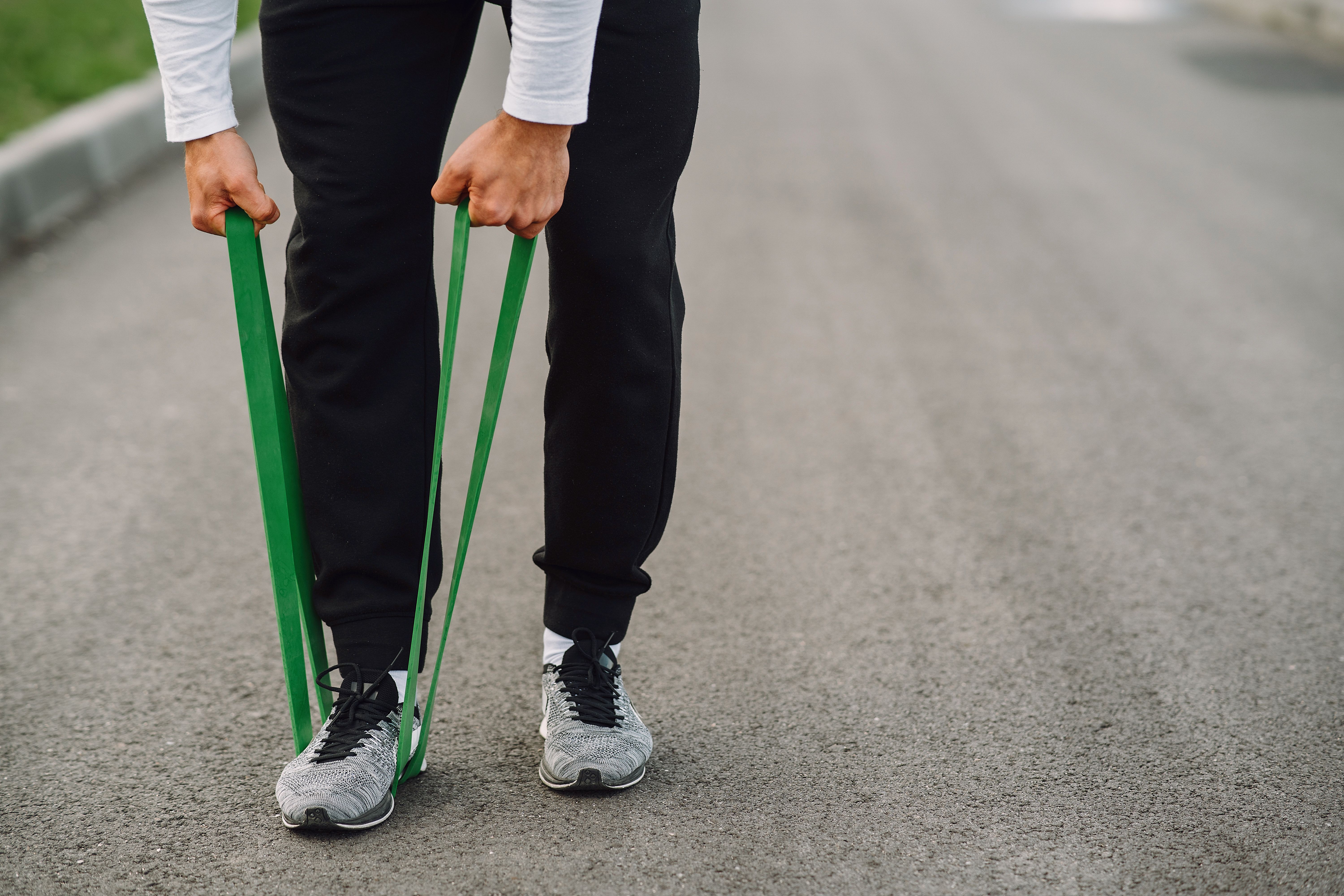
Resistance bands offer an effective way to build strength and increase flexibility without the need for heavy equipment. Their compact size means you can store them in a...
Jul 10, 2026

Finding a tool that seamlessly fits into your daily routine can make healthy habits easier to maintain. More than just counting steps or estimating calories, you deserve...
Aug 09, 2026
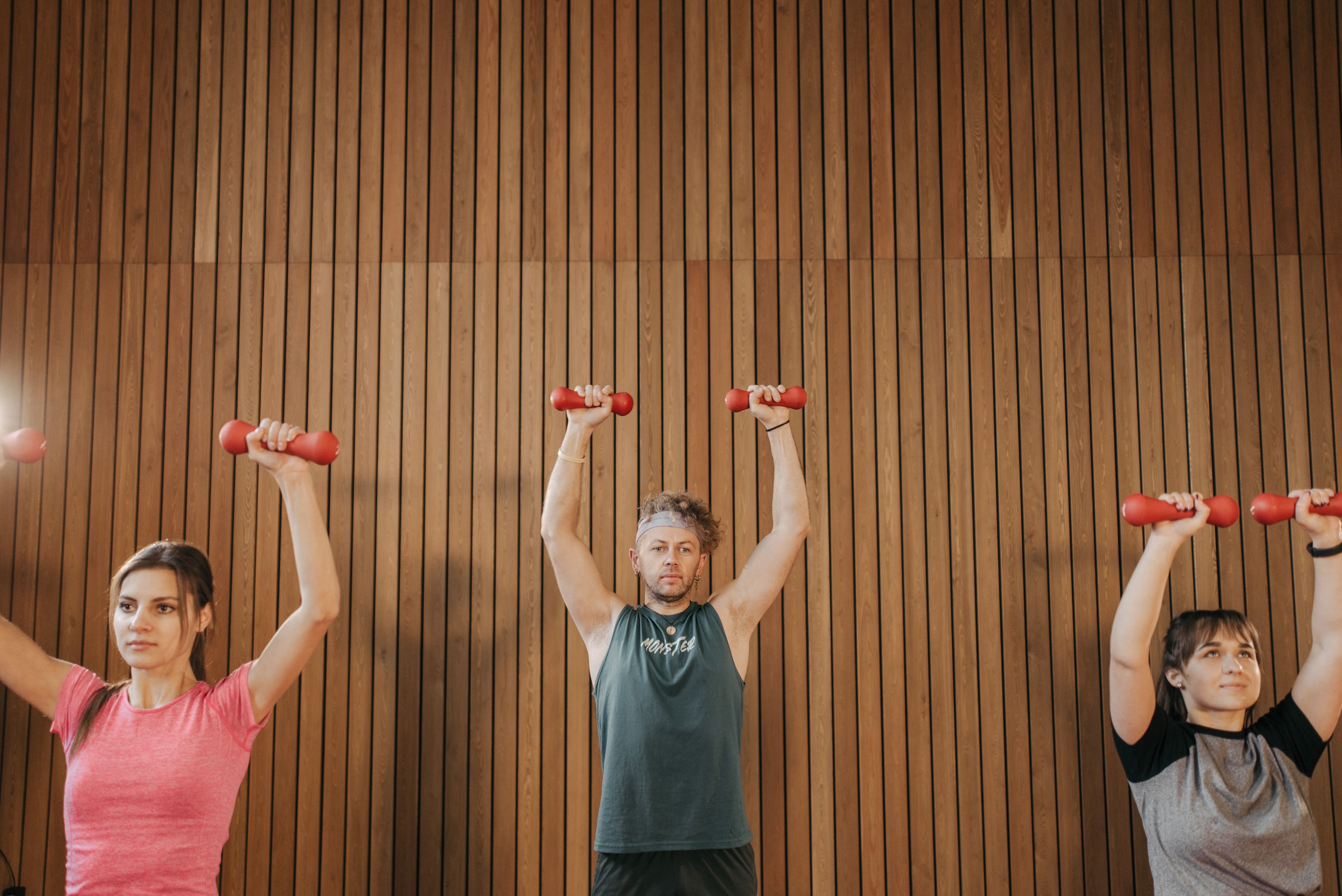
Group fitness challenges bring people together and make building new exercise habits more enjoyable. Sharing workouts with others who have similar fitness goals creates...
Jul 21, 2026

Setting up a home that supports both physical health and mental well-being begins with thoughtful planning. The way you arrange your furniture, select colors, and...
Aug 31, 2026

Developing mental strength requires dedication, patience, and the right resources to help you stay on track. Personal development courses provide structured support,...
Sep 16, 2026

Attending an interactive webinar focused on preventing chronic conditions offers a valuable chance to discover practical ways to lower blood pressure, maintain healthy...
Sep 12, 2026

Seasonal changes bring new opportunities to refresh your health habits and keep your routine exciting. As the calendar shifts, you can find inspiration in the unique...
Jul 24, 2026

Interactive workshops combine emotional understanding with hands-on activities to help people build mental resilience. Attendees engage in exercises designed to sharpen...
Aug 12, 2026

Fresh sneakers on your feet and a new field or court ahead bring a sense of excitement and anticipation. Many people who join a league feel curious and slightly nervous...
Jun 06, 2026

Starting your day with a reliable morning routine can make a big difference in how energized and alert you feel. Choose a wake-up time and stick to it each day to give...
Jul 05, 2026

Restaurant meals can fit into your healthy lifestyle with a bit of planning and awareness. You will find plenty of ways to enjoy delicious food while keeping your...
Jul 29, 2026

Staying energized each day depends on more than grabbing a cup of coffee. Your body relies on water to help cells convert nutrients into the fuel you need. When you...
Sep 04, 2026