
The Most Effective Group Fitness Challenges for Habit Formation
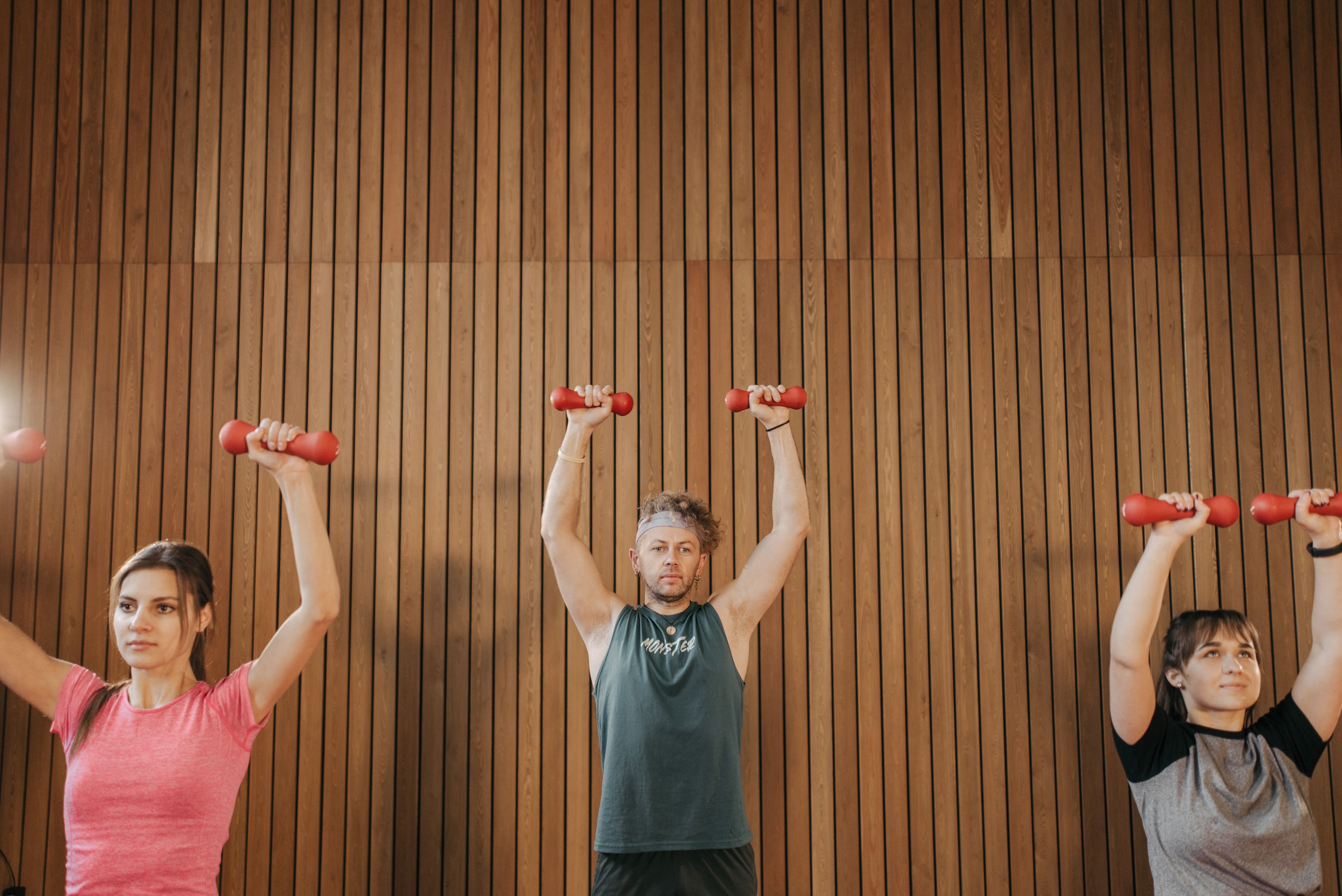
Group fitness challenges bring people together and make building new exercise habits more enjoyable. Sharing workouts with others who have similar fitness goals creates...
Jul 21, 2026



Building strength and improving fitness at home or outdoors requires only your body, some open space, and a consistent routine. You do not need expensive gym equipment or specialized machines to achieve impressive results. By following simple exercises and sticking to a regular schedule, you can increase your power, burn calories, and feel more confident every day. This guide provides practical advice and easy-to-follow instructions, helping you make the most out of your workouts wherever you choose to exercise. Whether you are just starting out or looking to enhance your current routine, these tips can help you reach your fitness goals.
Each tip here keeps things straightforward. You’ll find solid advice on movements, progress tracking, meal basics, and staying on track. No fluff. Just practical advice you can use today.
Training with your own weight gives you freedom. You can exercise anywhere, anytime. It saves money and cuts travel time. No waiting for machines. You can start with simple moves and increase difficulty gradually.
This style enhances functional strength. You train muscles to work together, improving balance and coordination. You also lower injury risk by honing body control. Here are the main benefits:
Start with core movements that establish a strong foundation. Each move targets major muscle groups and trains stability. Master these before trying variations.
Maintain proper form. Keep your back straight, engage your core, and control each repetition. Prioritize quality over quantity.
If basic moves feel easy, change them up. Small modifications can make a big difference. Increase difficulty by shifting angles, adding holds, or increasing your range of motion.
Monitor your reps and adjust weekly. Seek steady progress rather than sudden jumps, which might cause injury.
Plan your workouts carefully. A good routine balances push, pull, and lower-body exercises. Consider a three-day plan: focus on upper body, lower body, and full-body circuits.
Keep sessions under an hour. Start with a quick warm-up, then do 20–30 minutes of main exercises, and finish with a short cool-down. Use different rep ranges: 8–12 for strength, 15–20 for endurance.
Your muscles need proper fuel to grow. Aim for a balanced diet with protein, healthy fats, and complex carbs. Good protein sources include eggs, chicken, beans, and low-fat dairy that help repair muscles.
Track your intake using simple tools like MyFitnessPal. To build muscle, stay in a slight calorie surplus. To lose fat while maintaining strength, keep a small calorie deficit.
Set clear, short-term goals. Focus on completing workouts four times a week for a month. Reward yourself with non-food treats, like a new workout shirt.
Create habits. Do a quick plank after brushing your teeth. This small action reinforces your routine and builds momentum. Track your progress with a simple journal or the Fitbit app to see how far you’ve come.
Give yourself time to adapt and make small improvements consistently. Stick with these methods, and you will see real progress within weeks.
Group fitness challenges bring people together and make building new exercise habits more enjoyable. Sharing workouts with others who have similar fitness goals creates...
Jul 21, 2026

Riding a bike offers a practical way to improve both lung capacity and heart health, making it easier to handle everyday stress. Pedaling on a regular basis gives you a...
Jul 15, 2026

Daily routines often become more challenging when your joints feel stiff and uncooperative. Keeping your body moving with consistent mobility exercises helps you stay...
Aug 16, 2026

Long hours at a desk often lead to stiff muscles and reduced blood flow. Taking a few minutes for stretch breaks throughout the day loosens your body and helps you feel...
Jun 10, 2026

Plenty of runners find themselves going through the motions, checking off miles without really savoring the experience. Initial excitement often fades when running turns...
Aug 19, 2026

Finding a tool that seamlessly fits into your daily routine can make healthy habits easier to maintain. More than just counting steps or estimating calories, you deserve...
Aug 09, 2026

Developing mental strength requires dedication, patience, and the right resources to help you stay on track. Personal development courses provide structured support,...
Sep 16, 2026

Seasonal changes bring new opportunities to refresh your health habits and keep your routine exciting. As the calendar shifts, you can find inspiration in the unique...
Jul 24, 2026

Starting your day with a reliable morning routine can make a big difference in how energized and alert you feel. Choose a wake-up time and stick to it each day to give...
Jul 05, 2026

Attending an interactive webinar focused on preventing chronic conditions offers a valuable chance to discover practical ways to lower blood pressure, maintain healthy...
Sep 12, 2026

Staying energized each day depends on more than grabbing a cup of coffee. Your body relies on water to help cells convert nutrients into the fuel you need. When you...
Sep 04, 2026

Interactive workshops combine emotional understanding with hands-on activities to help people build mental resilience. Attendees engage in exercises designed to sharpen...
Aug 12, 2026

Regular health checkups offer significant benefits by helping you spot potential problems before they become serious. By choosing screenings that fit your age,...
May 23, 2026

Taking a moment each day to reflect on your routines helps you understand which habits align with your health goals and which ones may hold you back. By asking yourself...
Aug 02, 2026