
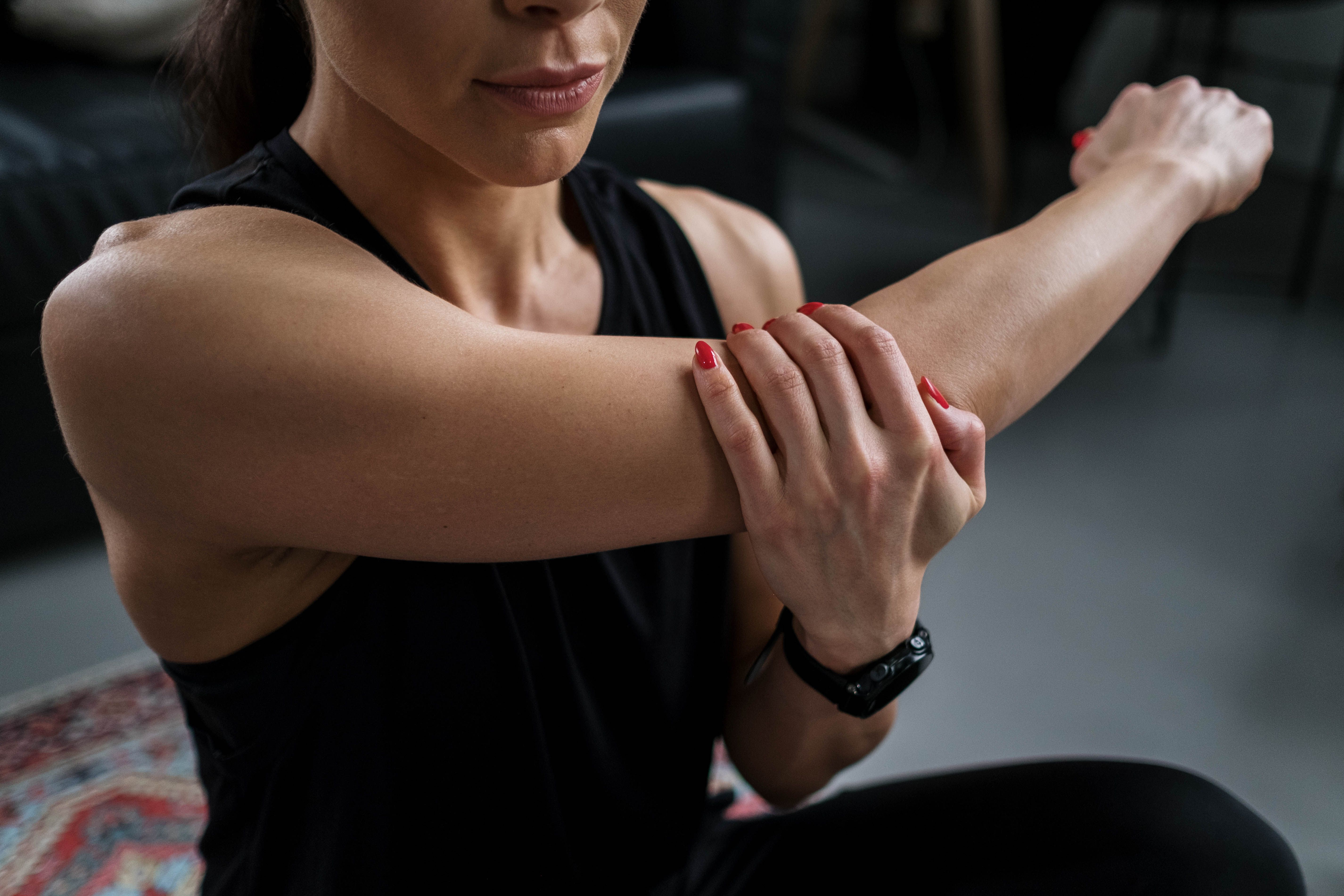
10 Mobility Drills to Improve Joint Health and Prevent Stiffness
Daily routines often become more challenging when your joints feel stiff and uncooperative. Keeping your body moving with consistent mobility exercises helps you stay...
Aug 16, 2026



Small but powerful, resistance bands add intensity to your workouts by engaging muscles throughout your entire body. With these simple loops, you can increase strength, boost flexibility, and sculpt your physique without relying on heavy gym equipment. Whether you find yourself at home, traveling, or enjoying the outdoors, resistance bands adapt to almost any environment, making them a practical choice for everyday fitness. This guide walks you through straightforward instructions, effective exercises, and useful advice so you can confidently start a resistance band routine that leads to noticeable improvements in both strength and mobility.
Using bands keeps tension constant throughout the entire range of motion. This tension increases muscle activation by up to 30%, based on recent studies. You break through strength plateaus faster than with machines that load only specific angles.
Resistance bands adjust to any fitness level. They start light and can be scaled up to heavy resistance. This flexibility makes them perfect for warming up, recovering from injuries, or pushing through advanced workouts. Plus, they cost a fraction of dumbbell sets and fit in a gym bag.
Select a set that includes light, medium, and heavy resistance. Look for bands with protected inner cords and secure handles. Brands like TheraBand or similar labels often display clear resistance ratings. You also need a sturdy anchor—such as door anchors or a secure hook on a fence.
Set up in an open space with enough room to stretch your arms and legs fully. Attach the band at knee height for upper-body exercises. For lower-body moves, position it under your feet or at hip level on a stable post. Use a yoga mat or carpet to protect your knees during ground exercises. Adjust tension by shortening or lengthening the band’s loop.
Check your bands before each workout. Look for tears, frays, or thinning spots. A broken band can snap back and cause injury. Replace any worn band immediately.
Avoid twisting or rolling up bands during exercises. Uneven tension can compromise your form and overload your joints. Keep bands flat and grip both ends firmly. Engage your core to protect your spine, especially during standing pulls or presses. Keep your shoulders down and your neck relaxed to prevent strain.
Maintain a workout journal to record the resistance level, reps, and sets. Note any changes in how you feel—such as energy levels, soreness, or ease of movement. Over time, you will notice noticeable trends. For example, you might find yourself switching from a medium to a heavy band for squats within four weeks.
Set small goals like adding two more reps or increasing resistance. Celebrate your progress with rewards that are not food-related, such as a new playlist, a fitness tracker upgrade, or a massage. Find a workout buddy to keep yourself accountable. Studies show that people who exercise with a partner tend to stick with their programs about 35% longer on average.
Resistance bands challenge muscles and improve stability as you get stronger. Use them regularly to begin your full-body workout today.
Daily routines often become more challenging when your joints feel stiff and uncooperative. Keeping your body moving with consistent mobility exercises helps you stay...
Aug 16, 2026
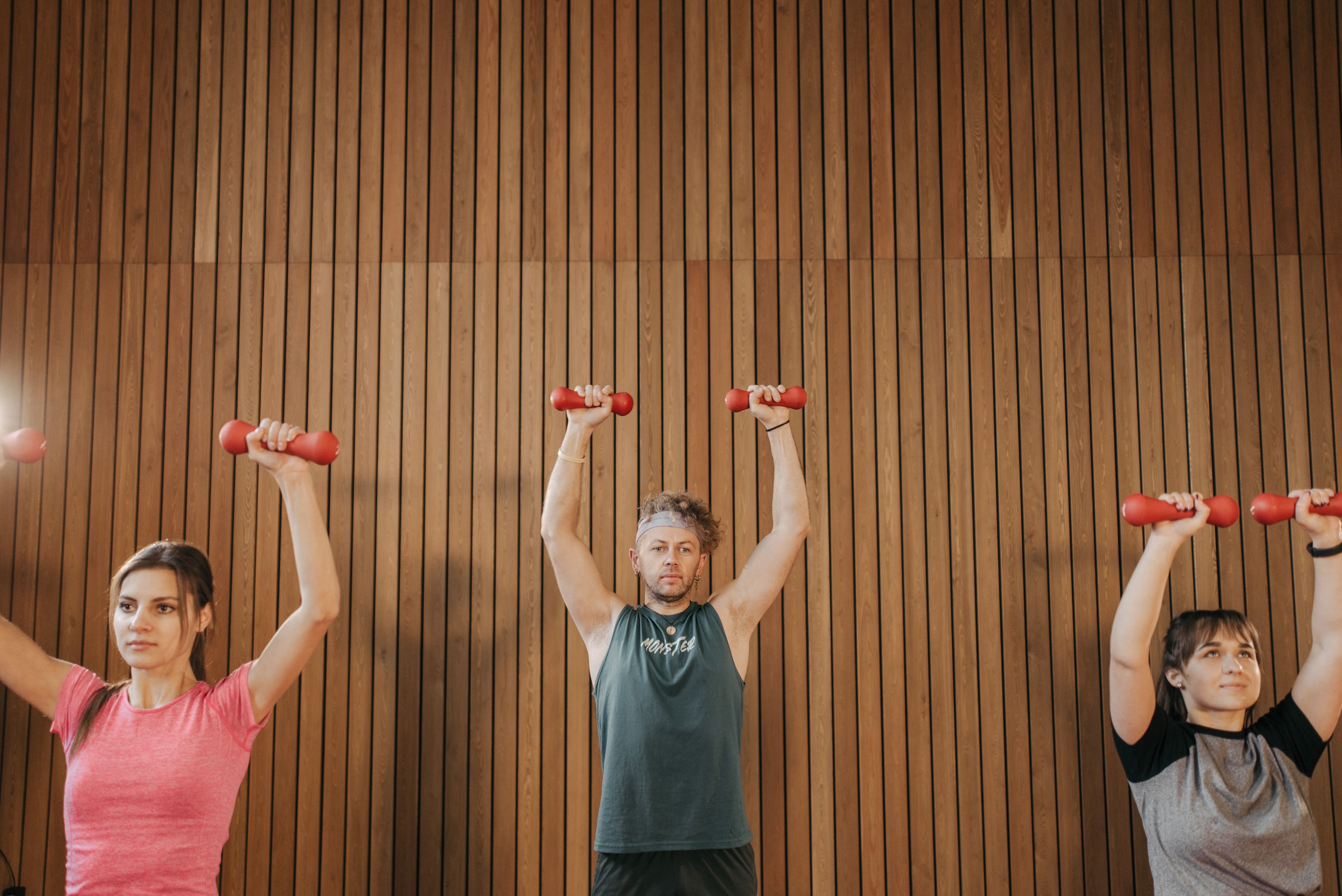
Group fitness challenges bring people together and make building new exercise habits more enjoyable. Sharing workouts with others who have similar fitness goals creates...
Jul 21, 2026

Developing mental strength requires dedication, patience, and the right resources to help you stay on track. Personal development courses provide structured support,...
Sep 16, 2026

Riding a bike offers a practical way to improve both lung capacity and heart health, making it easier to handle everyday stress. Pedaling on a regular basis gives you a...
Jul 15, 2026

Seasonal changes bring new opportunities to refresh your health habits and keep your routine exciting. As the calendar shifts, you can find inspiration in the unique...
Jul 24, 2026

Long hours at a desk often lead to stiff muscles and reduced blood flow. Taking a few minutes for stretch breaks throughout the day loosens your body and helps you feel...
Jun 10, 2026

Interactive workshops combine emotional understanding with hands-on activities to help people build mental resilience. Attendees engage in exercises designed to sharpen...
Aug 12, 2026

Attending an interactive webinar focused on preventing chronic conditions offers a valuable chance to discover practical ways to lower blood pressure, maintain healthy...
Sep 12, 2026

Starting your day with a reliable morning routine can make a big difference in how energized and alert you feel. Choose a wake-up time and stick to it each day to give...
Jul 05, 2026

Taking a moment each day to reflect on your routines helps you understand which habits align with your health goals and which ones may hold you back. By asking yourself...
Aug 02, 2026

Staying energized each day depends on more than grabbing a cup of coffee. Your body relies on water to help cells convert nutrients into the fuel you need. When you...
Sep 04, 2026

Finding a tool that seamlessly fits into your daily routine can make healthy habits easier to maintain. More than just counting steps or estimating calories, you deserve...
Aug 09, 2026

Building lasting bonds depends on thoughtful, everyday choices. You pick up on subtle shifts, like a dip in enthusiasm or when discussions feel less genuine. Noticing...
Aug 26, 2026

Plenty of runners find themselves going through the motions, checking off miles without really savoring the experience. Initial excitement often fades when running turns...
Aug 19, 2026