
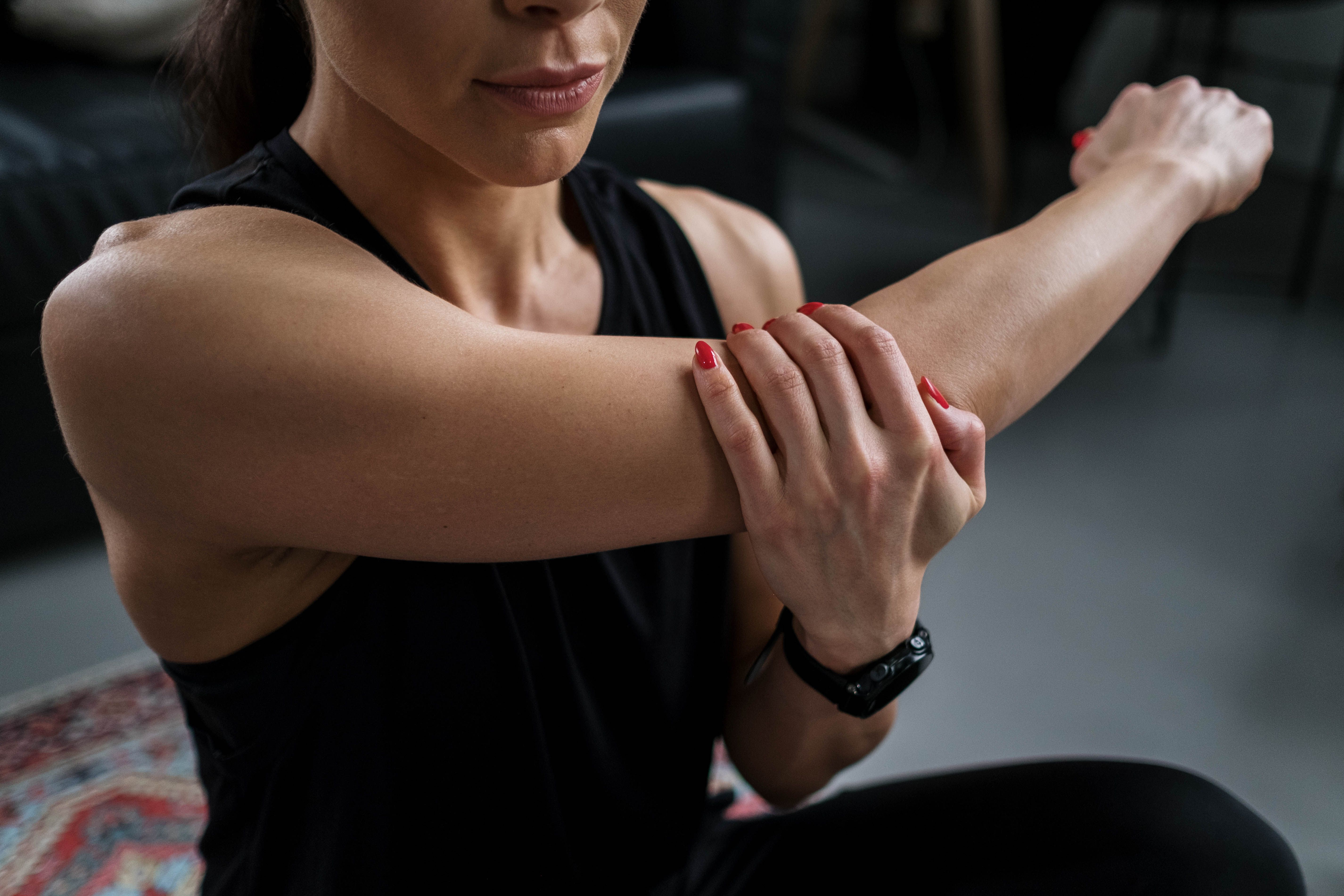
10 Mobility Drills to Improve Joint Health and Prevent Stiffness
Daily routines often become more challenging when your joints feel stiff and uncooperative. Keeping your body moving with consistent mobility exercises helps you stay...
Aug 16, 2026



Daily routines fill up quickly with work commitments, errands, and evenings out, yet the need for movement never fades. Urban environments offer plenty of spaces, whether you prefer the rhythm of the sidewalk, the quiet of your living room, or the open air on a rooftop. Low-impact cardio makes it easy to stay active wherever you are. This approach increases your heart rate while keeping your joints comfortable, making exercise accessible even amidst the busiest city schedule. You'll notice improvements in stamina, a rise in energy, and greater overall strength—all while enjoying the unique backdrop of city life rather than heading out to the countryside.
Walking briskly through vibrant neighborhoods immerses you in local culture. You spot street art, pause for a quick market run, and accumulate steps. This steady pace strengthens your heart and lungs. It also tones lower-body muscles and improves your posture.
You protect your joints with gentle moves. Urban sidewalks often vary in texture. Low-impact exercises soften the landing for ankles, knees, and hips. You avoid common aches linked to high-impact routines. Plus, you reclaim mental space amid city noise. A focused walk or indoor session helps your mind reset.
Each move targets different muscles while sparing your joints. Mix and match exercises during your lunch break, after work, or on weekends.
Change routines every two weeks to prevent plateaus. Replace one exercise with a new low-impact move like resistance-band leg lifts or swimming at a local pool.
Set clear goals, such as two weekly stair climbs or 10,000 steps daily. Track your progress with your phone’s health app or Fitbit. Watching your numbers increase keeps your motivation high.
Music energizes you. Create a playlist with 120–140 beats per minute. That tempo helps you stay moving. Join a walking group through social apps or local community boards. Sharing your goals makes workouts more social and less lonely.
Urban sidewalks may hide cracks or slippery patches. Watch your path and slow down when the ground looks uneven. Wear shoes with good tread and ankle support. Keep a small first-aid kit in your bag. Include bandages, antiseptic wipes, and blister pads.
You don’t need gym-grade gear. Grab a yoga mat, two light dumbbells, and a resistance band. Pack them in a small bag for quick access. For a more intense cardio workout, try an affordable mini stepper at home.
Air quality can change block by block in a city. Check your local air-quality index app before midday sessions. Pick routes with trees or quieter streets. If pollution levels spike, use an indoor elliptical or follow a pre-recorded low-impact workout on Peloton.
Mix activities like walking, climbing stairs, and indoor equipment to keep low-impact cardio interesting. Track your progress and protect your joints. You will see increased energy, better mood, and a leaner body over time.
Daily routines often become more challenging when your joints feel stiff and uncooperative. Keeping your body moving with consistent mobility exercises helps you stay...
Aug 16, 2026
Seasonal changes bring new opportunities to refresh your health habits and keep your routine exciting. As the calendar shifts, you can find inspiration in the unique...
Jul 24, 2026
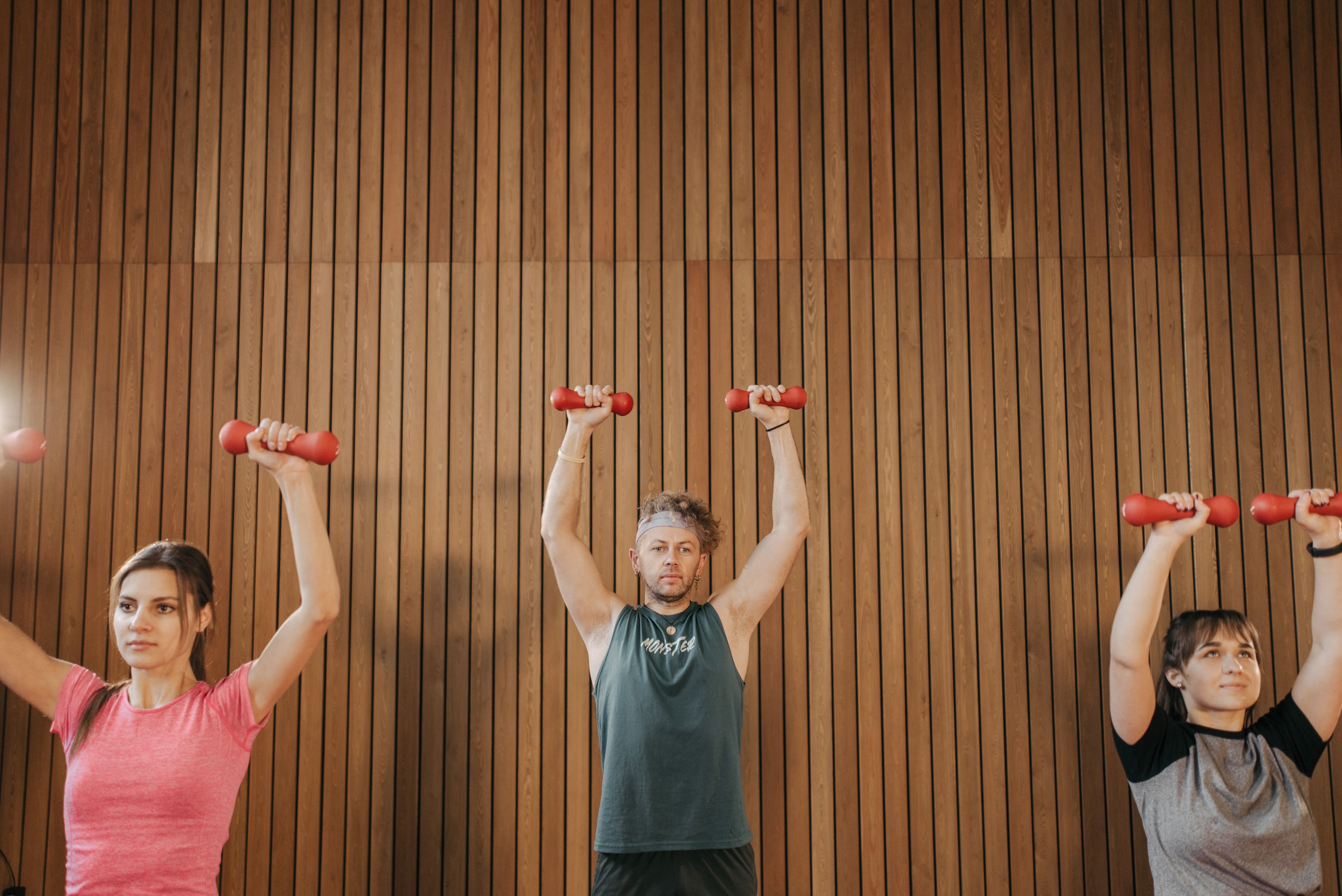
Group fitness challenges bring people together and make building new exercise habits more enjoyable. Sharing workouts with others who have similar fitness goals creates...
Jul 21, 2026

Plenty of runners find themselves going through the motions, checking off miles without really savoring the experience. Initial excitement often fades when running turns...
Aug 19, 2026

Riding a bike offers a practical way to improve both lung capacity and heart health, making it easier to handle everyday stress. Pedaling on a regular basis gives you a...
Jul 15, 2026

Interactive workshops combine emotional understanding with hands-on activities to help people build mental resilience. Attendees engage in exercises designed to sharpen...
Aug 12, 2026

Attending an interactive webinar focused on preventing chronic conditions offers a valuable chance to discover practical ways to lower blood pressure, maintain healthy...
Sep 12, 2026

Developing mental strength requires dedication, patience, and the right resources to help you stay on track. Personal development courses provide structured support,...
Sep 16, 2026

Small changes around your home can help reduce exposure to hidden chemicals without overwhelming your daily routine. Switching to gentler cleaning products, improving...
Jun 15, 2026

Long hours at a desk often lead to stiff muscles and reduced blood flow. Taking a few minutes for stretch breaks throughout the day loosens your body and helps you feel...
Jun 10, 2026

Finding a tool that seamlessly fits into your daily routine can make healthy habits easier to maintain. More than just counting steps or estimating calories, you deserve...
Aug 09, 2026

Staying energized each day depends on more than grabbing a cup of coffee. Your body relies on water to help cells convert nutrients into the fuel you need. When you...
Sep 04, 2026

Fresh sneakers on your feet and a new field or court ahead bring a sense of excitement and anticipation. Many people who join a league feel curious and slightly nervous...
Jun 06, 2026

Taking a moment each day to reflect on your routines helps you understand which habits align with your health goals and which ones may hold you back. By asking yourself...
Aug 02, 2026