

The Best Stretch Break Routines to Combat Office Stiffness
Long hours at a desk often lead to stiff muscles and reduced blood flow. Taking a few minutes for stretch breaks throughout the day loosens your body and helps you feel...
Jun 10, 2026



Stiff joints can make simple tasks and exercise routines more challenging than they need to be. By practicing specific movements designed to increase mobility, you can ease discomfort and improve your range of motion. Each exercise helps your joints move more smoothly and may lessen aches that hold you back. With the correct technique and a bit of patience, you might notice your body feeling lighter and more comfortable in just a short time. Give these movements a try and see how much easier your day can become when your joints move with greater freedom.
This guide breaks down key steps. You will learn what causes joints to become stiff and which drills improve mobility. Concrete tips show you how to incorporate these moves into any routine. By the end, you will have a clear plan to keep your body moving smoothly.
Expect simple drills that need no gear or fancy setup. Clear instructions and precise reps let you jump in right away. Track your progress easily and adjust as you go. Ready to say goodbye to achy joints? Let’s dive in.
Joints function best when you balance mobility and strength. Too much looseness causes instability and injuries. Moving too little leads to stiffness and pain. The goal is to increase range of motion while strengthening the supporting muscles nearby.
Warmed muscles allow deeper stretches and safer drills. A quick dynamic warm-up—think arm circles or leg swings—prepares your body. It activates blood flow and nerve signals. This sets the stage for targeted mobility exercises without risk.
1. Shoulder Pass-Through: Hold a broomstick or towel wide. Rotate it overhead and behind your back. Keep arms straight. Control the movement and feel a gentle stretch across the chest and shoulder capsule.
2. Thoracic Spine Rotation: Kneel on all fours. Place one hand behind your head. Twist your upper torso toward the ceiling. Return slowly and repeat. This mobilizes the mid-back, improving posture and breathing.
Scapular Wall Slides focus on shoulder blade control. Stand facing a wall. Press forearms flat. Slide your arms upward while keeping your spine neutral. Funnel shoulder blades down and together. This exercise improves scapular tracking and releases tension.
Deep Squat Hold: Stand with feet shoulder-width apart. Sink into a full squat, keeping heels on the floor. Press hips outward to stretch groin and ankles. Hold for 30 to 60 seconds. This improves hip and ankle mobility together.
Hip CARs: Stand tall with one hand on a chair. Lift one knee toward your chest. Circle it out, down, and back. Keep the movement slow and controlled. This increases joint lubrication and builds stability.
Hamstring Windmills: Extend one leg forward on a low platform. Hinge at the hip, reach toward your foot, and rotate your torso upward. This exercise combines hamstring flexibility with spine mobility. Perform on both sides for balanced results.
Perform these exercises before strength training or cardio. A dynamic warm-up with mobility moves prepares both joints and muscles. For example, do shoulder pass-throughs before push-ups. Add hip CARs before lunges. This enhances performance and helps prevent injuries.
Create quick circuits by selecting four moves and cycling through them for 30 seconds each. Repeat twice. You can include this circuit on rest days or after workouts. Consistency beats duration—aim for five minutes daily.
Ignoring proper alignment causes uneven stress on joints. Always check mirror feedback or record yourself. Keep your spine, hips, and shoulders stacked properly. Small adjustments in your form can reduce pain and improve results.
Rushing through repetitions reduces benefits. Perform slow, controlled movements to allow fluids to enter the joint capsule. Count a two-second lift and a two-second descent. This steady pace helps unlock deeper mobility.
Skipping static holds shortchanges your progress. End each session with a 30-second stretch hold. Focus on breathing and gentle tension. This reinforces flexibility gains from dynamic exercises.
Overloading your joints too quickly can backfire. Start with bodyweight drills. Add resistance only after mastering your form and control. This gradual approach builds lasting mobility while avoiding flare-ups.
Neglecting balance exercises increases injury risk. Pair exercises that open one plane with those in the opposite direction. For example, follow a deep squat hold with a standing hip extension. This maintains muscle balance around the joint.
Following generic advice wastes your time. Customize exercises to target your tight spots. Identify where stiffness first appears and focus there. Then expand to other areas. Personalizing your plan turns generic moves into specific relief.
Use a simple tracking method. Write down your reps, holds, and pain levels before and after each session. This helps you recognize patterns quickly. If a move causes discomfort, adjust your range or rest more between sets. Smart tracking supports steady progress.
Consult a physical therapist for persistent pain. These exercises suit most adults but might miss underlying issues. A professional can identify weak points and modify your plan accordingly. This ensures your exercises improve, not worsen, joint health.
Use your tools and knowledge to stay consistent with exercises that keep your joints fluid and strong. Start small and listen to your body's response to move without pain.
Long hours at a desk often lead to stiff muscles and reduced blood flow. Taking a few minutes for stretch breaks throughout the day loosens your body and helps you feel...
Jun 10, 2026

Resistance bands offer an effective way to build strength and increase flexibility without the need for heavy equipment. Their compact size means you can store them in a...
Jul 10, 2026
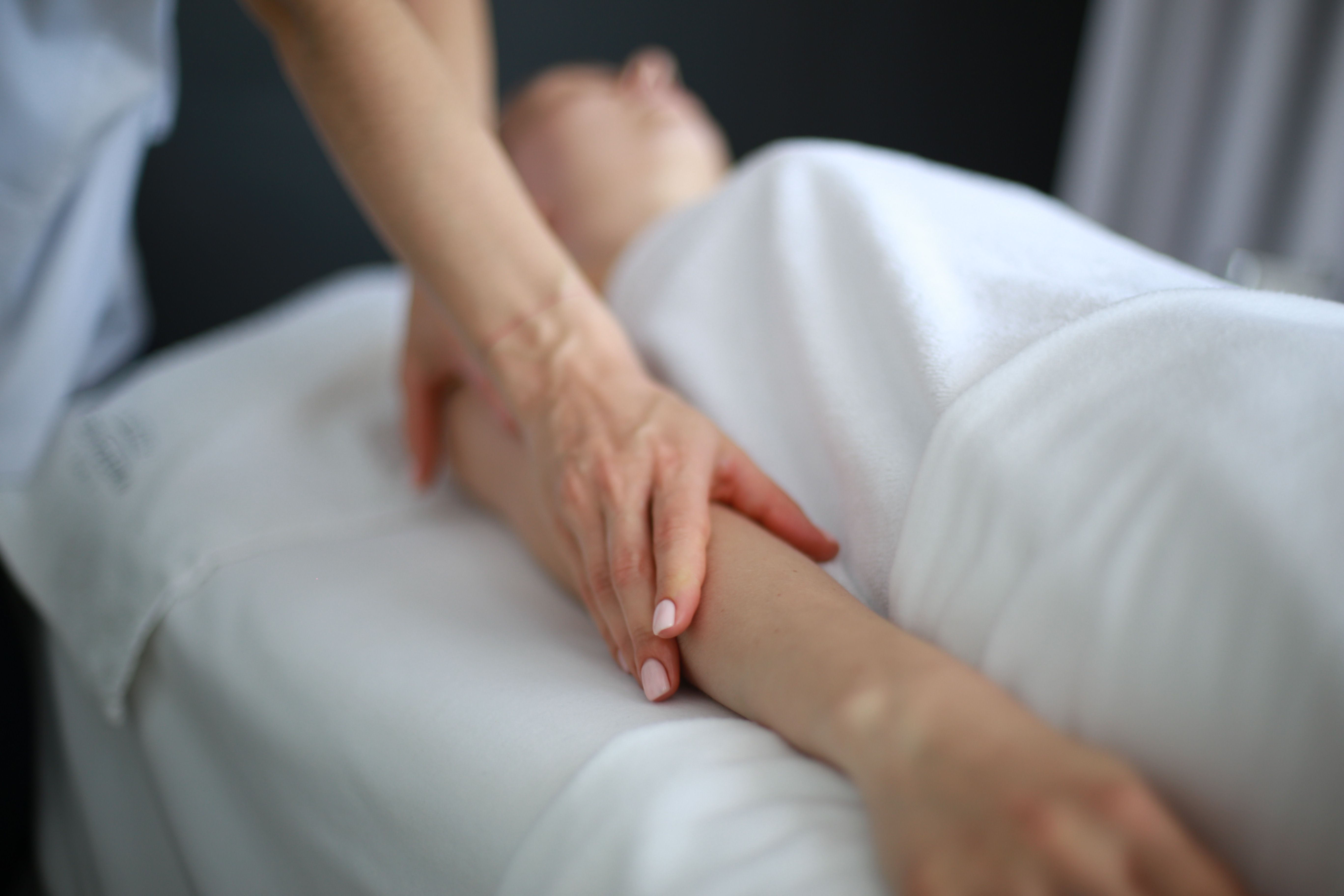
Seasonal changes bring new opportunities to refresh your health habits and keep your routine exciting. As the calendar shifts, you can find inspiration in the unique...
Jul 24, 2026
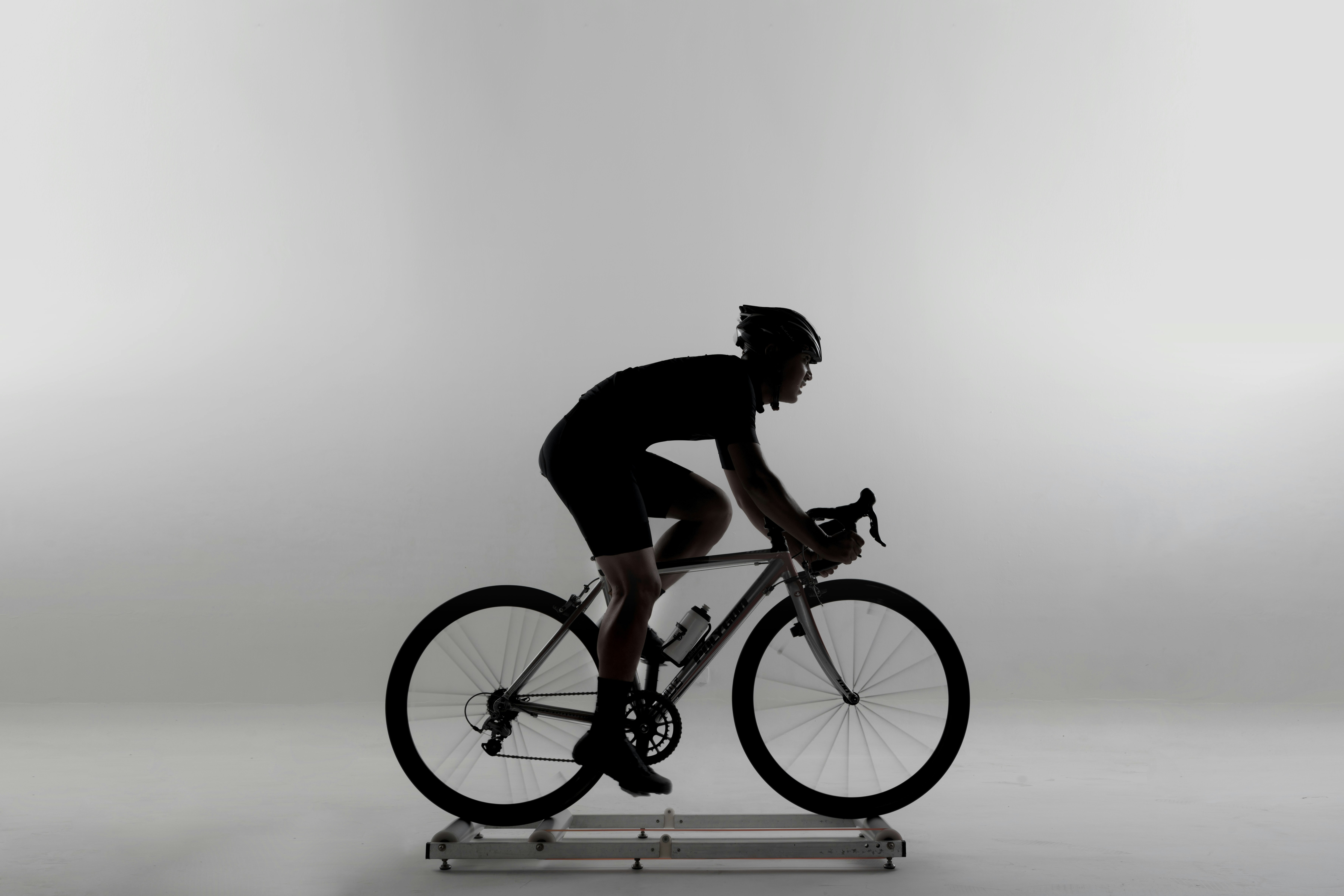
Riding a bike offers a practical way to improve both lung capacity and heart health, making it easier to handle everyday stress. Pedaling on a regular basis gives you a...
Jul 15, 2026

Interactive workshops combine emotional understanding with hands-on activities to help people build mental resilience. Attendees engage in exercises designed to sharpen...
Aug 12, 2026
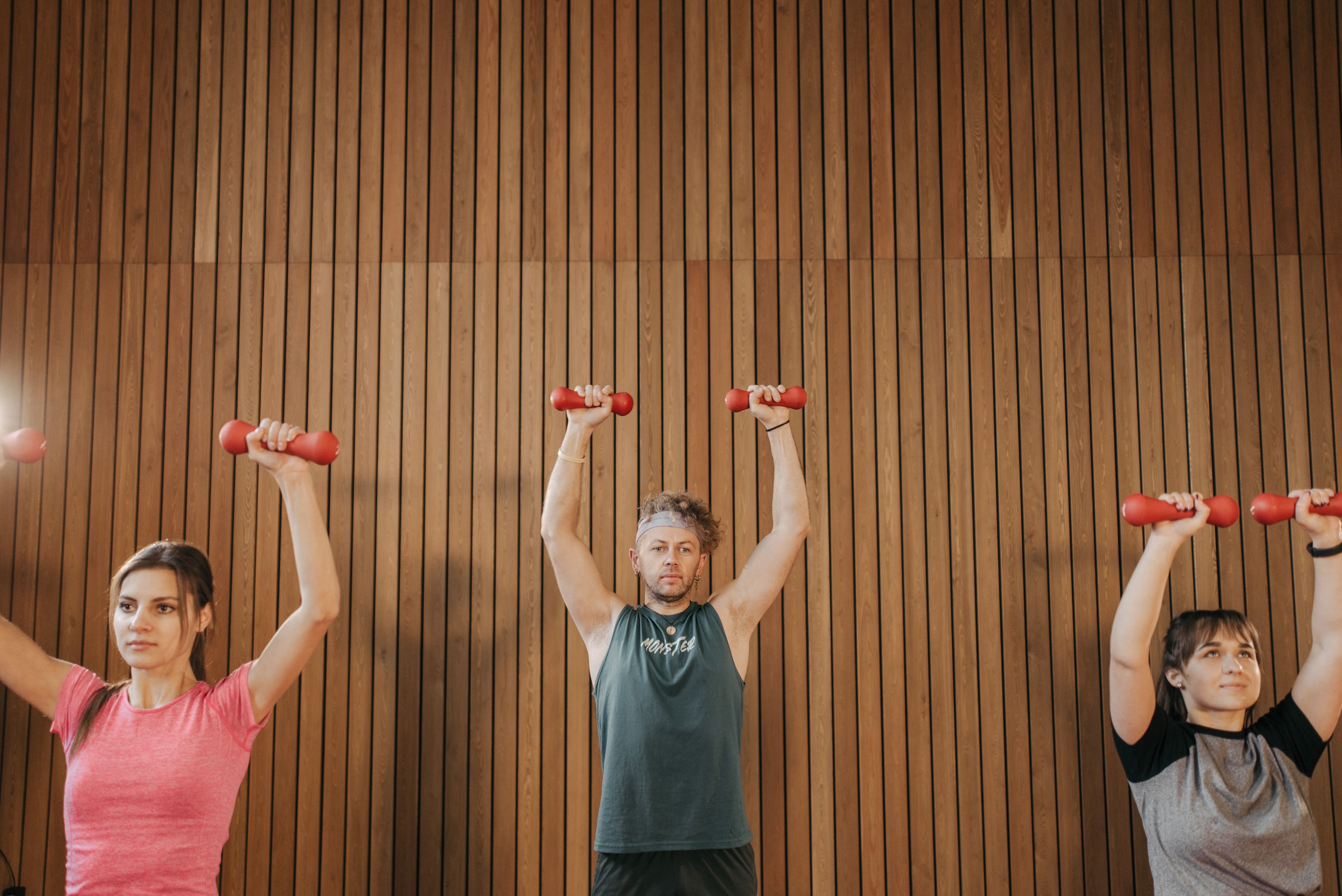
Group fitness challenges bring people together and make building new exercise habits more enjoyable. Sharing workouts with others who have similar fitness goals creates...
Jul 21, 2026

Developing mental strength requires dedication, patience, and the right resources to help you stay on track. Personal development courses provide structured support,...
Sep 16, 2026

Starting your day with a reliable morning routine can make a big difference in how energized and alert you feel. Choose a wake-up time and stick to it each day to give...
Jul 05, 2026

Fresh sneakers on your feet and a new field or court ahead bring a sense of excitement and anticipation. Many people who join a league feel curious and slightly nervous...
Jun 06, 2026

Staying energized each day depends on more than grabbing a cup of coffee. Your body relies on water to help cells convert nutrients into the fuel you need. When you...
Sep 04, 2026

Attending an interactive webinar focused on preventing chronic conditions offers a valuable chance to discover practical ways to lower blood pressure, maintain healthy...
Sep 12, 2026

Plenty of runners find themselves going through the motions, checking off miles without really savoring the experience. Initial excitement often fades when running turns...
Aug 19, 2026

Busy workweeks often make it challenging to maintain healthy eating habits. As tasks build up and meetings fill your schedule, you might find yourself reaching for quick...
Aug 05, 2026

Taking a moment each day to reflect on your routines helps you understand which habits align with your health goals and which ones may hold you back. By asking yourself...
Aug 02, 2026