

The Best Functional Fitness Exercises for Real-Life Strength
Everyday movements, such as lifting grocery bags, carrying children, or pushing open a heavy door, draw from the same strength and motion patterns you develop during...
Aug 22, 2026



Building a workout routine at home offers the chance to fit exercise into your daily schedule without the hassle of commuting. You have the freedom to choose activities that suit your space, whether you prefer stretching in the living room or doing bodyweight exercises in the backyard. With a well-organized plan, each session feels purposeful and helps you maintain steady progress. Regular workouts at home not only save time but also help you stay motivated, as you watch yourself improve over time. Setting clear goals and following a routine ensures that every effort counts, making your fitness journey rewarding and manageable.
Set realistic steps and choose workouts you enjoy. Small wins build momentum, and variety keeps your body adapting. Follow these ten tips to craft a plan that feels natural and sticks long term.
By clarifying your aims, you eliminate confusion. Goals give each session a purpose, making your progress obvious.
That sense of direction keeps your energy high on days you might otherwise skip workouts.
Knowing your gear allows you to mix strength, cardio, and flexibility exercises without waiting. You avoid clumsy setups that can derail workouts.
Turning your living room into a mini gym feels satisfying when you realize how little equipment you need to get started.
Combine strength, cardio, and mobility exercises each week. Strength sessions build muscle, cardio improves heart health, and mobility reduces injury risk.
Designate days for full-body circuits, running or cycling, and stretching flows. This variety helps you stay resilient and prevents overuse injuries.
Block out workout times like any other appointment. Mark them on your calendar and treat them as nonnegotiable commitments.
Morning slots suit early risers, while evening workouts fit those who are more active later. Choose what works for you and stick to it.
Change exercises every four weeks. Swap squats for split squats, push-ups for incline versions, or jogging for interval sprints. Your body adapts quickly, so shifting routines prevents plateaus.
Gradually increase sets, reps, weight, or tempo. Small adjustments push your fitness forward without shocking your system.
Use a simple journal or a fitness app like Fitbit or Nike Training Club to log your results. Checking off sessions fuels your sense of achievement.
Partner with a friend or join an online group. Shared commitment makes you less likely to skip workouts.
Plan at least one full rest day each week. Muscles grow during downtime, not just in workouts. Skipping rest leads to fatigue and increases injury risk.
Include gentle recovery moves like foam rolling or a short yoga flow. That keeps blood flowing and eases stiffness.
Try a timer app to structure circuits or a heart-rate monitor to stay in target zones. Data helps you push hard when needed and slow down before burnout.
Follow tutorial videos from reputable coaches to learn proper form. You'll avoid bad habits that slow your progress.
Attach rewards to milestones. Complete ten workouts? Enjoy a massage or a new pair of trainers. Rewards reinforce positive habits.
Celebrate non-scale wins too: extra energy, better sleep, or calmer moods. Recognize small improvements daily.
Review your plan each month. Are your workouts still challenging? Is your schedule realistic? If not, tweak durations or swap exercises to fit new circumstances.
Changing your routine sparks excitement. Switching to a new plan prevents boredom and keeps you curious about your next session.
Set clear goals, follow a consistent schedule, and include small rewards to turn your effort into a lasting habit. Creating a home workout plan with these elements ensures sustained progress.
Everyday movements, such as lifting grocery bags, carrying children, or pushing open a heavy door, draw from the same strength and motion patterns you develop during...
Aug 22, 2026

Developing mental strength requires dedication, patience, and the right resources to help you stay on track. Personal development courses provide structured support,...
Sep 16, 2026

Recovering from an injury often means finding new ways to keep your body moving while protecting the area that needs time to heal. When you deal with a sore knee, a...
Jun 02, 2026
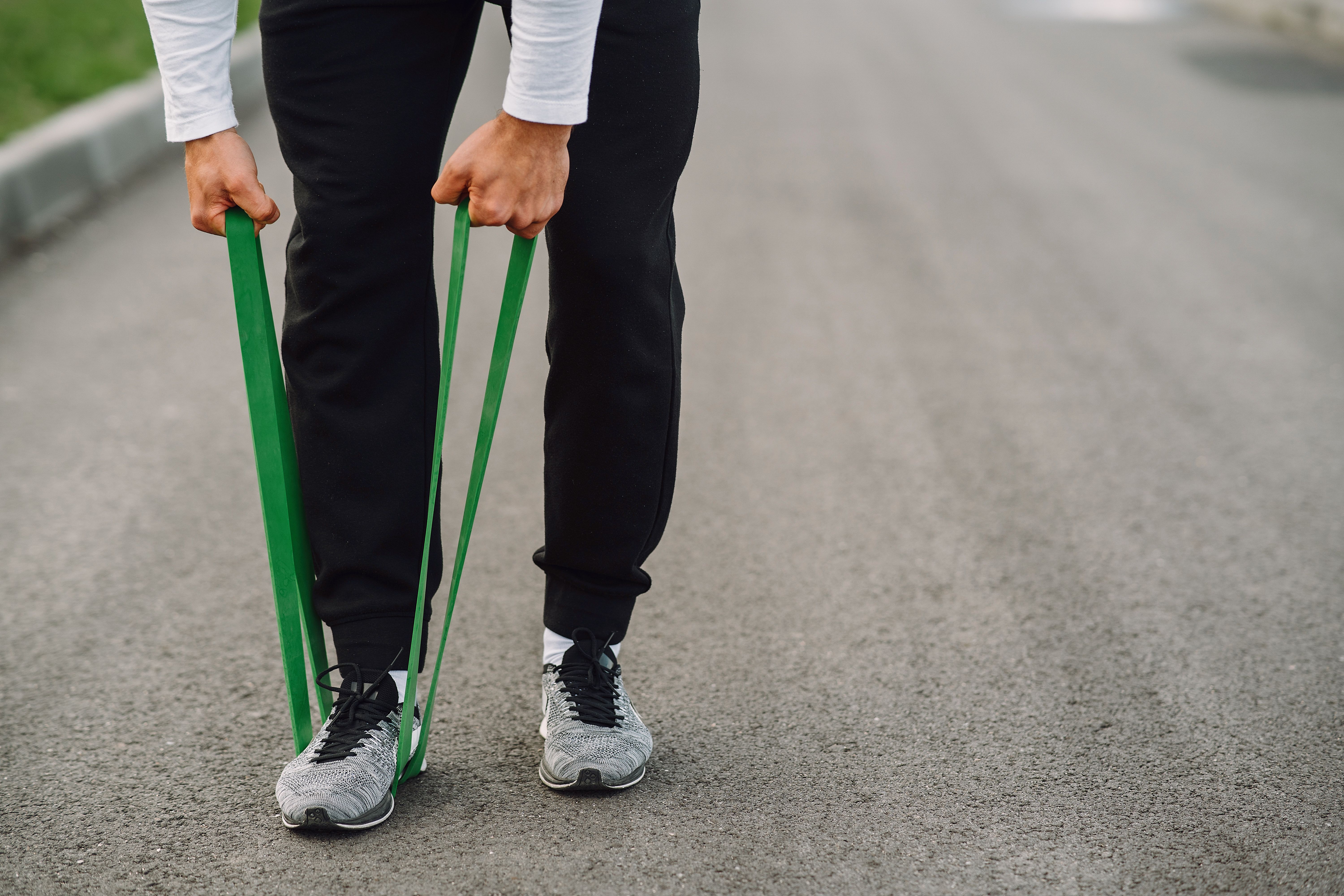
Resistance bands offer an effective way to build strength and increase flexibility without the need for heavy equipment. Their compact size means you can store them in a...
Jul 10, 2026

Finding a tool that seamlessly fits into your daily routine can make healthy habits easier to maintain. More than just counting steps or estimating calories, you deserve...
Aug 09, 2026

Fresh sneakers on your feet and a new field or court ahead bring a sense of excitement and anticipation. Many people who join a league feel curious and slightly nervous...
Jun 06, 2026

Starting your day with a reliable morning routine can make a big difference in how energized and alert you feel. Choose a wake-up time and stick to it each day to give...
Jul 05, 2026

Attending an interactive webinar focused on preventing chronic conditions offers a valuable chance to discover practical ways to lower blood pressure, maintain healthy...
Sep 12, 2026

Taking a moment each day to reflect on your routines helps you understand which habits align with your health goals and which ones may hold you back. By asking yourself...
Aug 02, 2026

Staying energized each day depends on more than grabbing a cup of coffee. Your body relies on water to help cells convert nutrients into the fuel you need. When you...
Sep 04, 2026
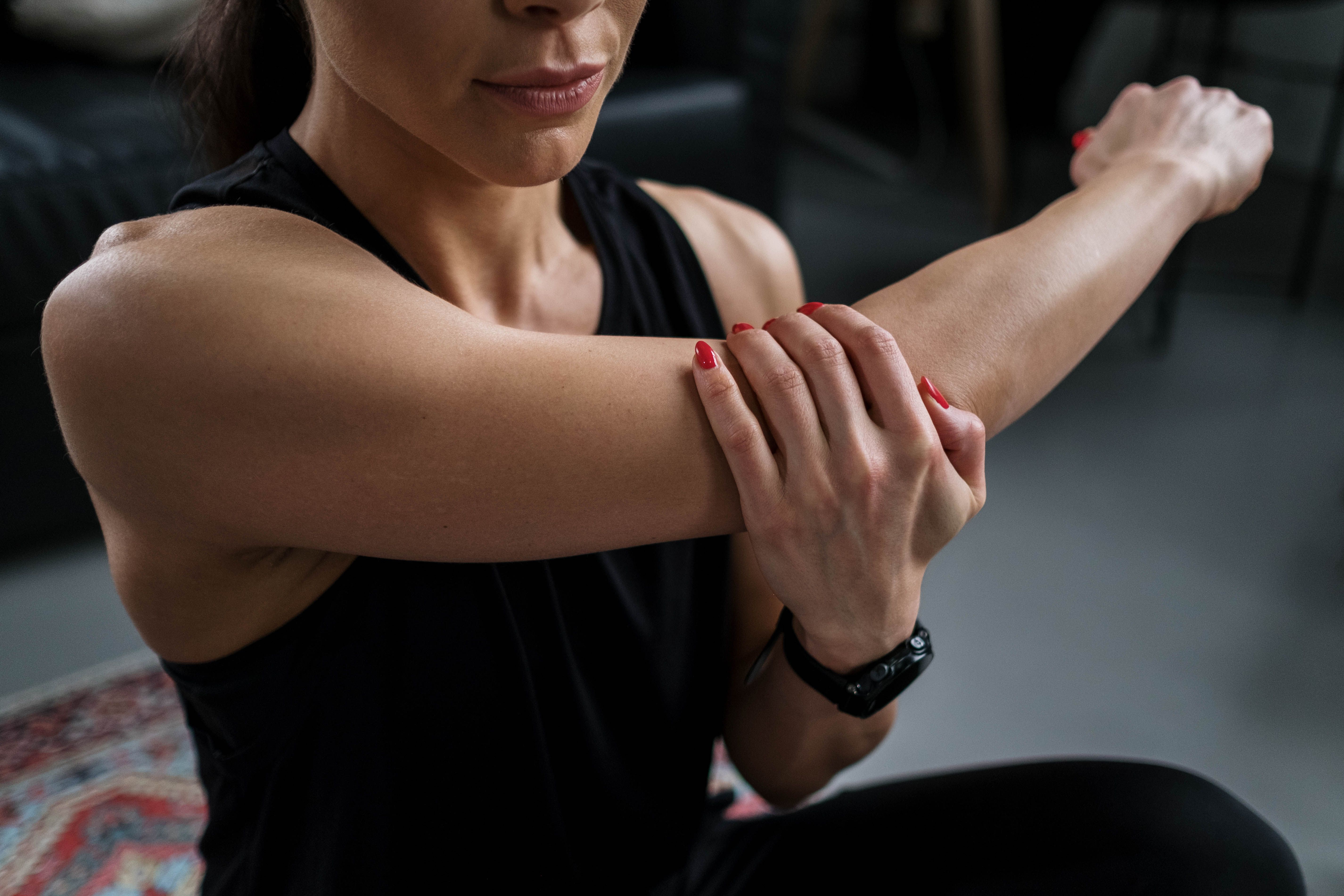
Daily routines often become more challenging when your joints feel stiff and uncooperative. Keeping your body moving with consistent mobility exercises helps you stay...
Aug 16, 2026

Long hours at a desk often lead to stiff muscles and reduced blood flow. Taking a few minutes for stretch breaks throughout the day loosens your body and helps you feel...
Jun 10, 2026

Modern apps and devices simplify the way people keep an eye on their health. These tools deliver instant updates on daily steps, sleep quality, meals, and even stress....
Jul 01, 2026

Restaurant meals can fit into your healthy lifestyle with a bit of planning and awareness. You will find plenty of ways to enjoy delicious food while keeping your...
Jul 29, 2026