

The Best Functional Fitness Exercises for Real-Life Strength
Everyday movements, such as lifting grocery bags, carrying children, or pushing open a heavy door, draw from the same strength and motion patterns you develop during...
Aug 22, 2026



Maintaining a consistent workout routine becomes challenging when travel takes you away from your usual environment. Changes in location and schedule can interrupt your training, but staying active remains entirely possible with the right approach. By preparing in advance, packing essential gear, and making simple changes to your usual exercises, you can continue building strength and keeping your motivation up. This guide explains how to organize your workouts, choose versatile equipment, and make the most of any setting, ensuring that you come back from your trip feeling strong and fully prepared to pick up where you left off.
By focusing on flexibility and practical tools, you’ll bridge gaps between gym sessions. Read on for actionable insights built around real-world scenarios: from quick airport workouts to healthy hotel meals. Your journey can fuel gains rather than stall them.
Start by mapping your trip timeline and workout windows. Identify days when long transit, early meetings, or limited daylight block your schedule. Slot in shorter sessions or mobility breaks on busy days, then reserve full workouts for quieter periods. This upfront structure prevents missed sessions and keeps momentum.
Next, set realistic goals for each segment of travel. You might aim to maintain strength during a conference trip or improve cardio during a beach vacation. Tailor your targets to the situation. Outline how many sessions you’ll do, how long they’ll last, and which muscle groups you’ll target.
Packing light gear can turn a hotel room into a mini-gym. Resistance bands, for example, weigh next to nothing and offer dozens of exercise variations. A foldable yoga mat provides traction and comfort on any surface.
Invest in a compact tracker app to log workouts and monitor steps when your routine feels out of rhythm. *Fitbit* devices or *Garmin* watches connect seamlessly to *MyFitnessPal*, letting you adjust calories on the fly. Keep gear in a separate pouch for quick airport checks and hotel arrivals.
You don’t need free weights to spark muscle growth. Bodyweight moves like squats, lunges, push-ups, and plank variations build strength and stability. Combine these with band exercises—such as standing band rows or banded glute bridges—to target often-neglected muscles.
Try a quick circuit: 10 push-ups, 15 air squats, 20 mountain climbers, 30-second side plank each side. Rest one minute and repeat three times. This routine raises your heart rate, preserves upper-body and core strength, and takes just 12 minutes. Adjust reps to match your fitness level and available time.
Make the most of your destination. Swap a hotel conference room for an early-morning park run. Many cities offer free outdoor fitness stations that support pull-ups and dips. Join a local yoga or spin class via drop-in passes—this adds novelty and social interaction to your routine.
When exploring, combine walking tours with stair climbs or stairwell sprints. Climb hotel stairwells during a work break. If you stay in an apartment, skip the elevator and tackle each flight at a steady pace. These small bursts add up, keeping your cardiovascular system primed.
Airports and tourist zones tend to push convenience foods. Counter this by packing healthy snacks: nuts, jerky, fruit packets, and single-serve oatmeal. These staples fuel workouts and steady blood sugar between meals. Many hotel rooms include a mini-fridge—stock it with Greek yogurt or pre-cut veggies.
Hydration influences recovery and performance. Carry a refillable bottle and aim for at least eight 8-ounce servings daily, more if you’re in a hot climate or hitting outdoor trails. When you dine out, pick grilled proteins and veggies instead of deep-fried options. Ask for dressings on the side to control added calories.
Return home with a debrief: review your travel logs and note what worked. Did early morning band workouts fit your schedule? Was a local spin class more motivating than a treadmill session? Use these insights to refine your year-round plan.
Ease back into your routine with a transitional week. Restore full gym sessions at 70–80% intensity, then ramp up. This method reduces injury risk and rebuilds confidence. If your momentum dipped, revisit travel routines on off days to add variety and prevent boredom.
Combine firsthand tweaks—like breakfast smoothies to replace slow hotel buffets—with your main program to build a strong foundation. You avoid starting from zero and maintain the consistency that fuels long-term progress.
View travel as a manageable challenge and focus on maintaining your progress. Use simple steps during your trip to stay consistent and strengthen your habits.
Everyday movements, such as lifting grocery bags, carrying children, or pushing open a heavy door, draw from the same strength and motion patterns you develop during...
Aug 22, 2026
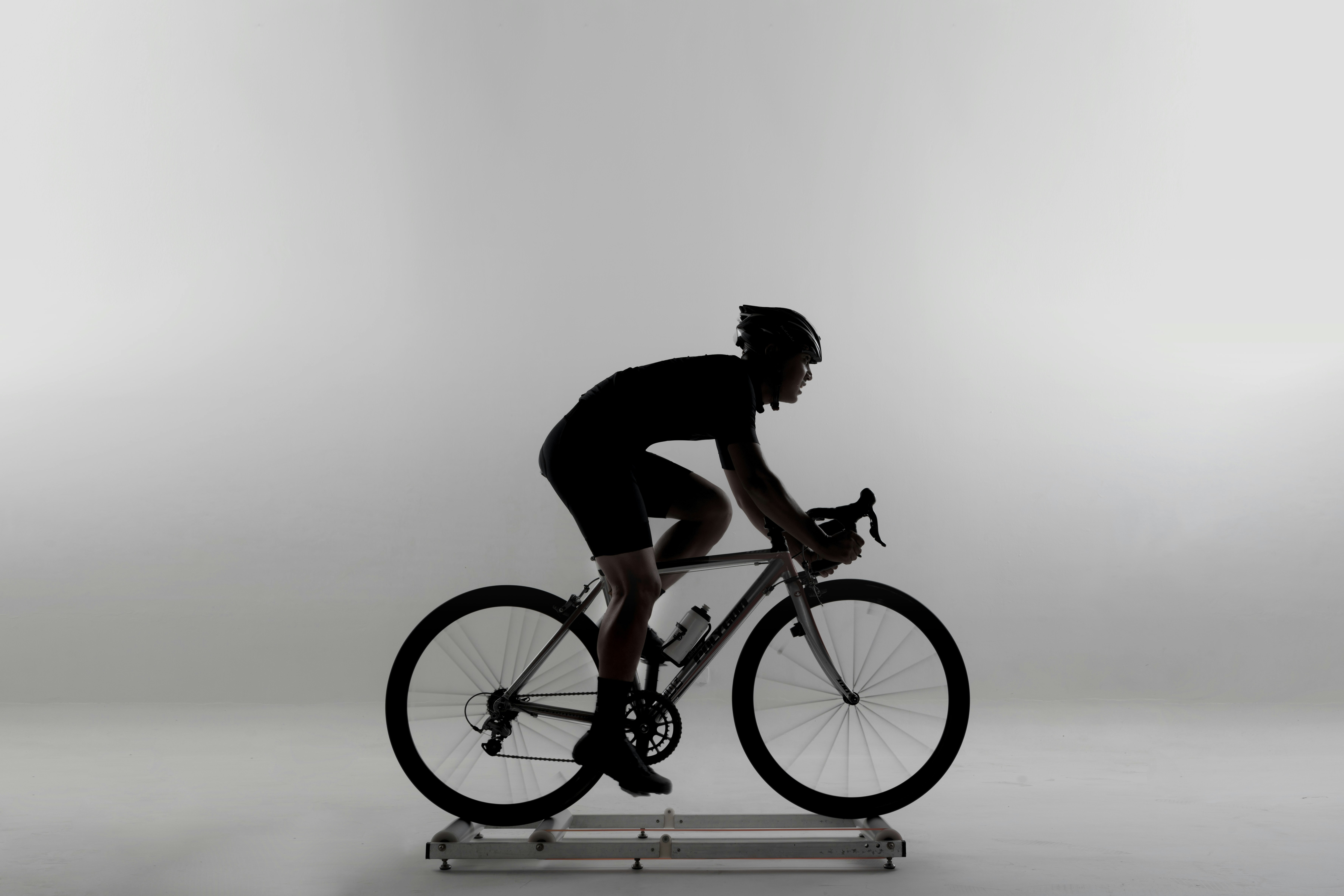
Riding a bike offers a practical way to improve both lung capacity and heart health, making it easier to handle everyday stress. Pedaling on a regular basis gives you a...
Jul 15, 2026

Plenty of runners find themselves going through the motions, checking off miles without really savoring the experience. Initial excitement often fades when running turns...
Aug 19, 2026

Finding a tool that seamlessly fits into your daily routine can make healthy habits easier to maintain. More than just counting steps or estimating calories, you deserve...
Aug 09, 2026

Developing mental strength requires dedication, patience, and the right resources to help you stay on track. Personal development courses provide structured support,...
Sep 16, 2026
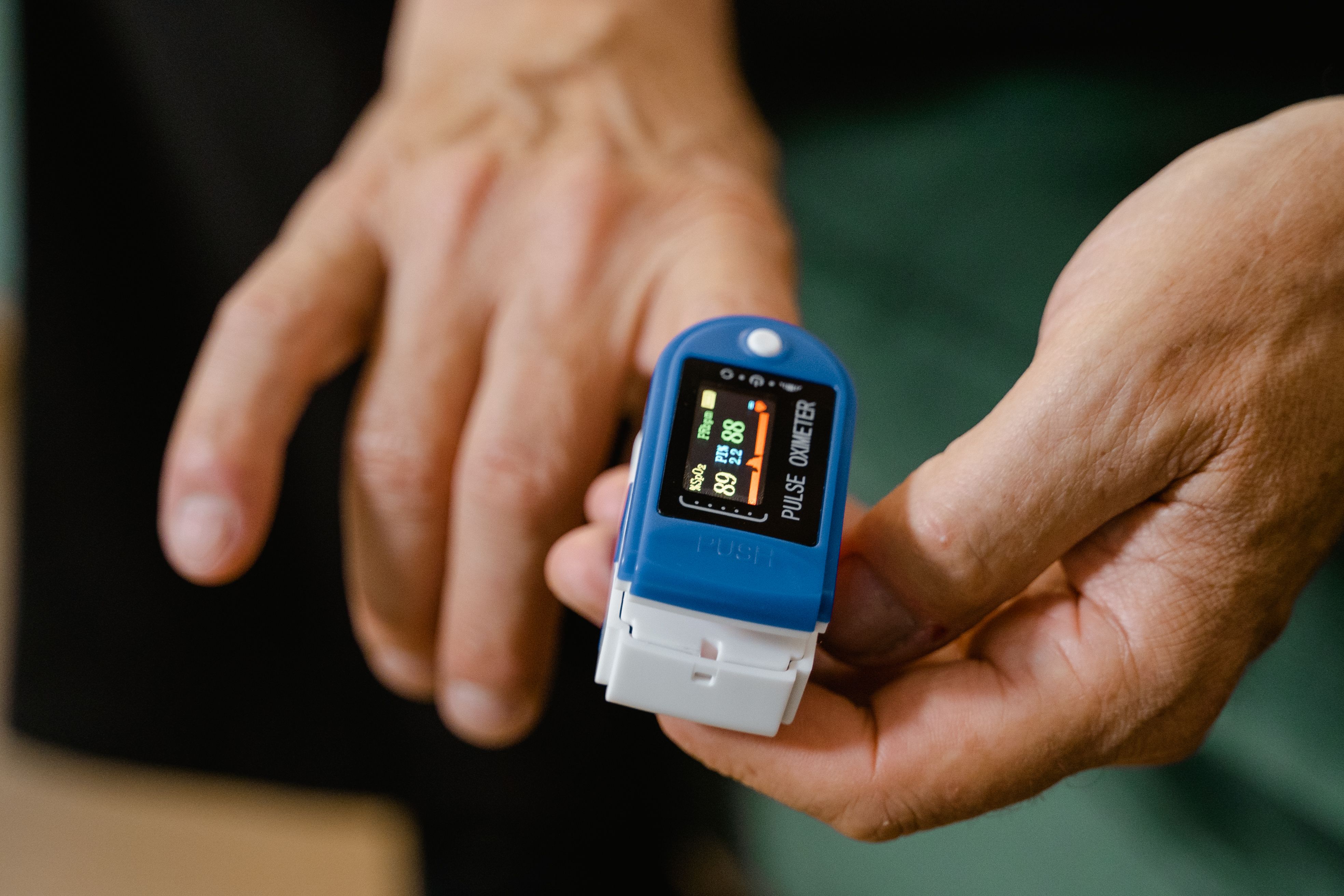
Modern apps and devices simplify the way people keep an eye on their health. These tools deliver instant updates on daily steps, sleep quality, meals, and even stress....
Jul 01, 2026

Fresh sneakers on your feet and a new field or court ahead bring a sense of excitement and anticipation. Many people who join a league feel curious and slightly nervous...
Jun 06, 2026

Long hours at a desk often lead to stiff muscles and reduced blood flow. Taking a few minutes for stretch breaks throughout the day loosens your body and helps you feel...
Jun 10, 2026
Seasonal changes bring new opportunities to refresh your health habits and keep your routine exciting. As the calendar shifts, you can find inspiration in the unique...
Jul 24, 2026

Setting up a home that supports both physical health and mental well-being begins with thoughtful planning. The way you arrange your furniture, select colors, and...
Aug 31, 2026

Preparing meals ahead of time streamlines your approach to healthy eating and makes evenings much less hectic. By choosing reliable kitchen equipment, you can create...
Jun 21, 2026

Attending an interactive webinar focused on preventing chronic conditions offers a valuable chance to discover practical ways to lower blood pressure, maintain healthy...
Sep 12, 2026

Managing healthcare often brings a mix of confusion and stress as you balance appointments, paperwork, and unfamiliar terms. Clear guidance helps you stay calm and make...
Jun 28, 2026

Starting your day with a reliable morning routine can make a big difference in how energized and alert you feel. Choose a wake-up time and stick to it each day to give...
Jul 05, 2026