
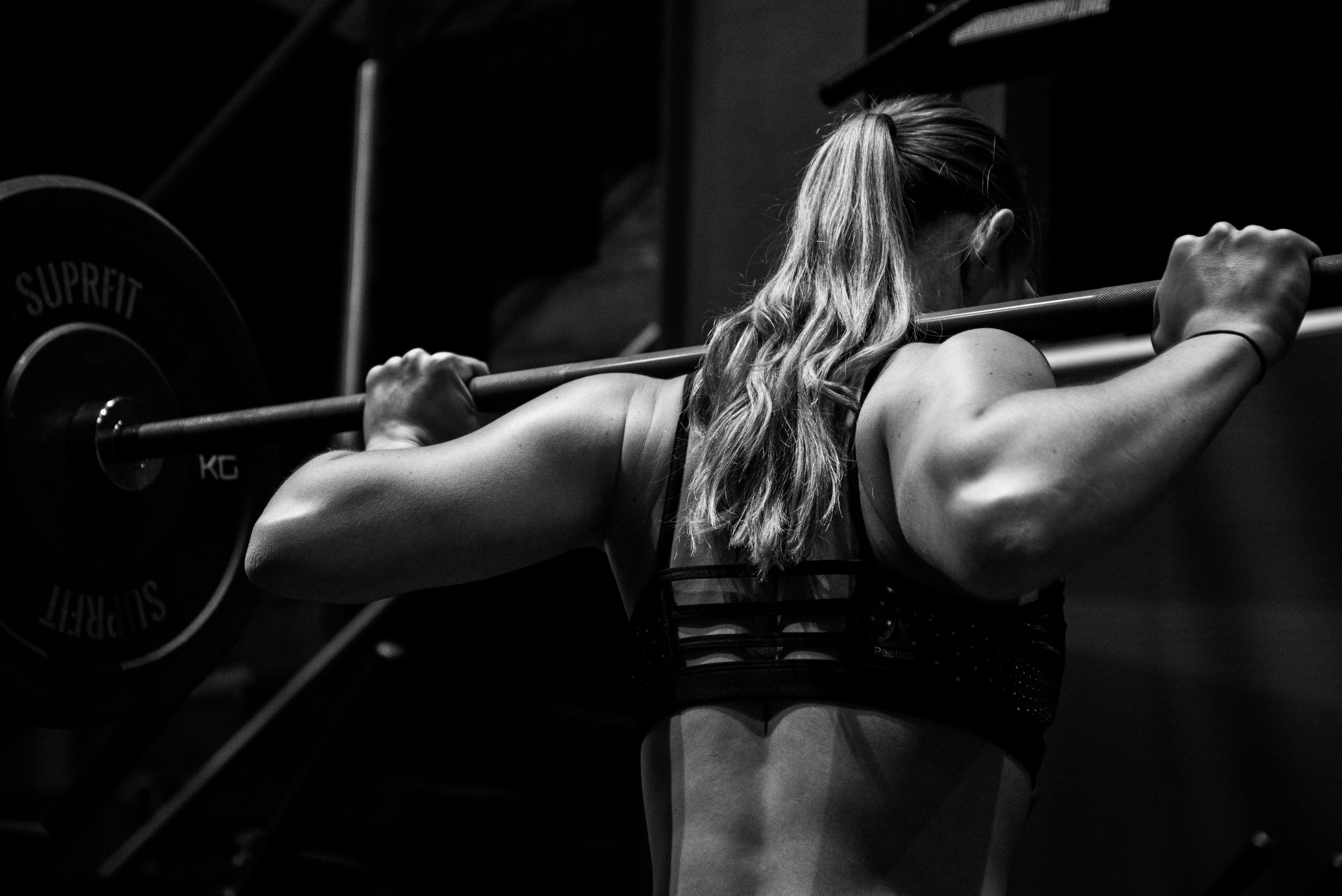
5 Fitness Modifications That Help You Stay Active With Injuries
Recovering from an injury often means finding new ways to keep your body moving while protecting the area that needs time to heal. When you deal with a sore knee, a...
Jun 02, 2026



Starting a workout routine at home brings a sense of accomplishment and energy. Small spaces work just as well as larger ones, and there’s no need for expensive gym memberships or elaborate equipment. With a well-structured plan and a few key pieces of gear, you can transform your living area into an inviting place to exercise. This guide breaks down practical steps, highlights reliable equipment choices, and shares helpful tips from fitness professionals to help you stay motivated and make steady progress in your fitness journey.
Grab a mat, set a timer, and let’s dive in. You’ll find simple but effective ways to stay on track. Follow actionable tips and watch your energy levels rise.
Branded platforms often provide detailed plans that adjust as you improve. A 2023 survey showed 68% of people exercising at home stick with guided programs longer than solo routines. Clear directions, visual cues, and pace control help users push themselves harder safely.
You’ll build confidence quickly. Instead of guessing reps or rest times, you follow a coach. That focus encourages longer sessions and better results. Plus, the community chats in many apps add extra motivation.
Select equipment that matches your goals and room size. Adjustable dumbbells replace a full rack, while bands fold into a drawer. A compact jump rope travels easily, allowing you to do quick sessions outdoors or during breaks.
Prioritize durability and grip. An extra-thick mat reduces knee or back pain. Look for sweat-resistant handles on dumbbells and ropes. These details keep your setup safe and comfortable.
Plan a weekly schedule that includes variety. Aim for three days focused on strength, two on cardio, and one on mobility. This mix builds muscle, burns fat, and improves flexibility. For strength days, combine upper-body exercises with core work. On cardio days, alternate HIIT sprints with low-intensity steady-state walks.
Define clear goals. Use rep ranges like 8–12 for muscle growth and 15–20 for endurance. Keep track of sets to avoid hitting plateaus. Using a simple table on your phone or journal helps you monitor progress. Schedule rest days to allow muscles to recover. Rest reduces injury risk and enhances your next workout.
Change your workouts every four to six weeks. Adjust tempo, rep count, or exercise order. This variation stimulates muscle fibers and supports continued growth. For mobility, try a guided yoga flow or dynamic stretching session. These moves improve posture and reduce soreness after intense workouts.
Set small goals each week. Instead of simply aiming to “get fit,” try to complete three 30-minute sessions. Reward yourself with non-food treats like new workout socks or an extra episode of your favorite show. This approach builds momentum and makes progress visible and rewarding.
Join a virtual class once a week. A live coach calls out names and corrects form. That interaction encourages you more than solo video loops. You also connect with peers in the chat, which increases accountability.
Use a timer app to split your sessions into short bursts. The 25-minute work blocks with 5-minute breaks keep energy high. It also helps fit fitness into a busy schedule. When time is tight, do two shorter bursts instead of a full hour.
Record your sessions. Log weights lifted, reps completed, and total time. Note how you feel afterward—energized or wiped out. Over time, patterns will emerge. You’ll see if you stall at a certain weight or grow stronger consistently.
Review your progress monthly. Use body measurements, scale weight, or performance markers like faster mile times. Compare these changes to your initial baseline. A 2022 study indicated that people who tracked workouts improved adherence by 45% compared to those who didn’t log data.
If progress slows, change one variable: add 10% more weight, try a new exercise, or reduce rest time by 15 seconds. Small shifts spark fresh gains. Reassess every four weeks to keep your program evolving.
With clear steps, suitable equipment, and consistent tracking, your home setup becomes a powerful workout space. Guided routines and smart gear choices make staying consistent easier and progress more visible. Start today and see each session lead to better health and increased confidence.
Get your gear, choose a plan, and set a small goal to begin. Each rep brings you closer to establishing a routine at home you’ll enjoy. Start today and see how easy it is to make progress.
Recovering from an injury often means finding new ways to keep your body moving while protecting the area that needs time to heal. When you deal with a sore knee, a...
Jun 02, 2026
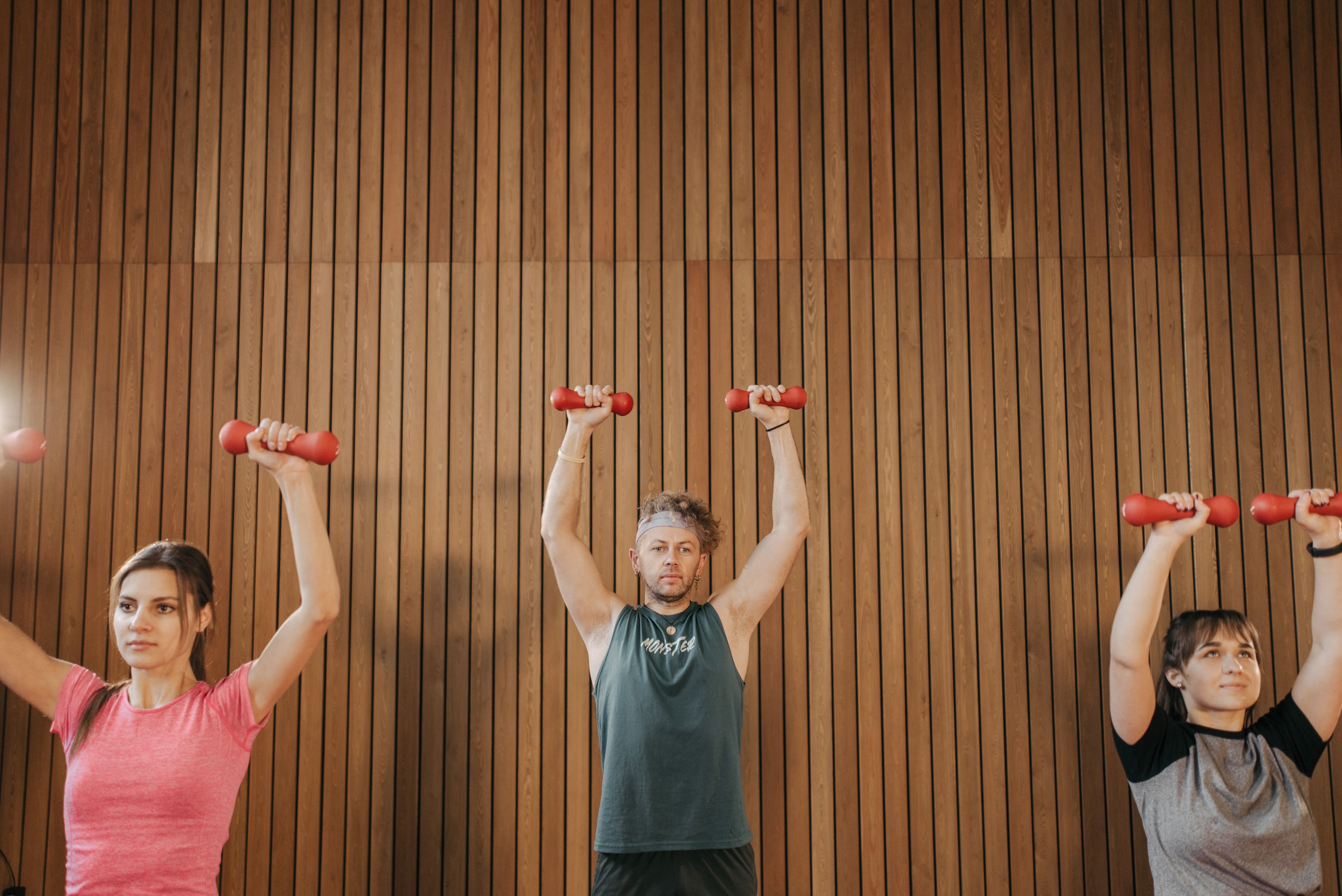
Group fitness challenges bring people together and make building new exercise habits more enjoyable. Sharing workouts with others who have similar fitness goals creates...
Jul 21, 2026
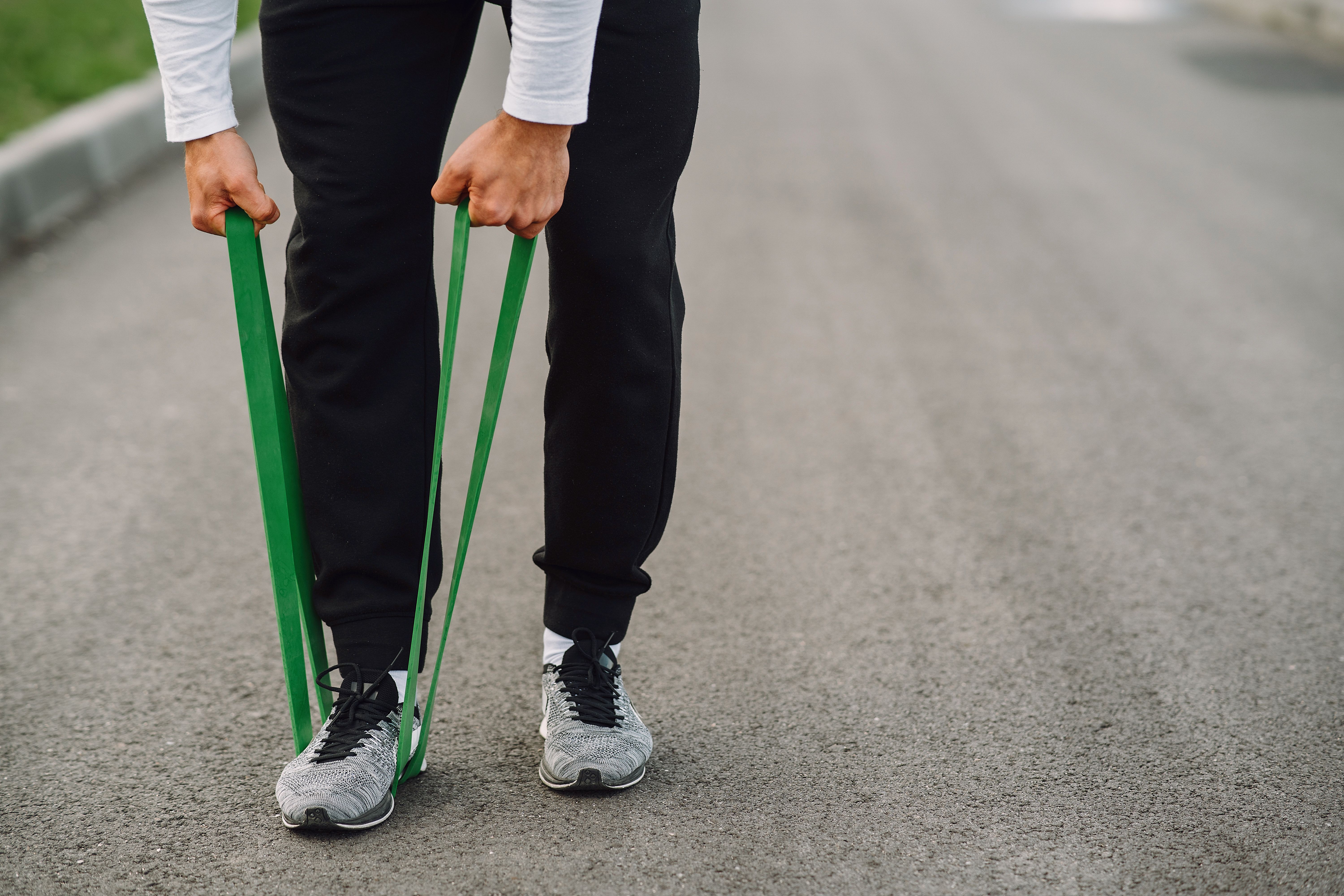
Resistance bands offer an effective way to build strength and increase flexibility without the need for heavy equipment. Their compact size means you can store them in a...
Jul 10, 2026

Fresh sneakers on your feet and a new field or court ahead bring a sense of excitement and anticipation. Many people who join a league feel curious and slightly nervous...
Jun 06, 2026

Finding a tool that seamlessly fits into your daily routine can make healthy habits easier to maintain. More than just counting steps or estimating calories, you deserve...
Aug 09, 2026

Developing mental strength requires dedication, patience, and the right resources to help you stay on track. Personal development courses provide structured support,...
Sep 16, 2026

Setting up a home that supports both physical health and mental well-being begins with thoughtful planning. The way you arrange your furniture, select colors, and...
Aug 31, 2026

Long hours at a desk often lead to stiff muscles and reduced blood flow. Taking a few minutes for stretch breaks throughout the day loosens your body and helps you feel...
Jun 10, 2026

Attending an interactive webinar focused on preventing chronic conditions offers a valuable chance to discover practical ways to lower blood pressure, maintain healthy...
Sep 12, 2026

Taking a moment each day to reflect on your routines helps you understand which habits align with your health goals and which ones may hold you back. By asking yourself...
Aug 02, 2026
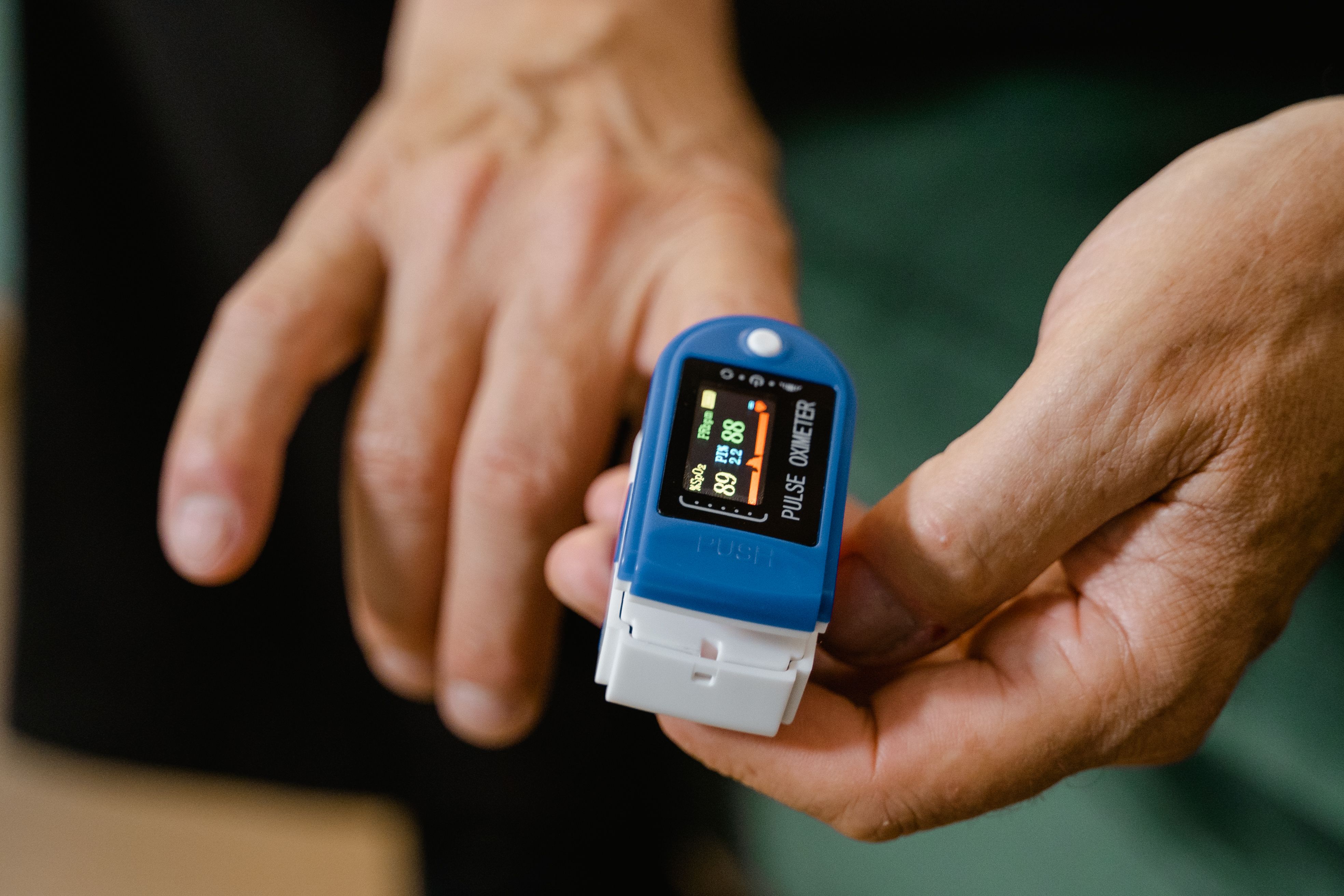
Modern apps and devices simplify the way people keep an eye on their health. These tools deliver instant updates on daily steps, sleep quality, meals, and even stress....
Jul 01, 2026

Preparing meals ahead of time streamlines your approach to healthy eating and makes evenings much less hectic. By choosing reliable kitchen equipment, you can create...
Jun 21, 2026
Seasonal changes bring new opportunities to refresh your health habits and keep your routine exciting. As the calendar shifts, you can find inspiration in the unique...
Jul 24, 2026

Regular health checkups offer significant benefits by helping you spot potential problems before they become serious. By choosing screenings that fit your age,...
May 23, 2026