
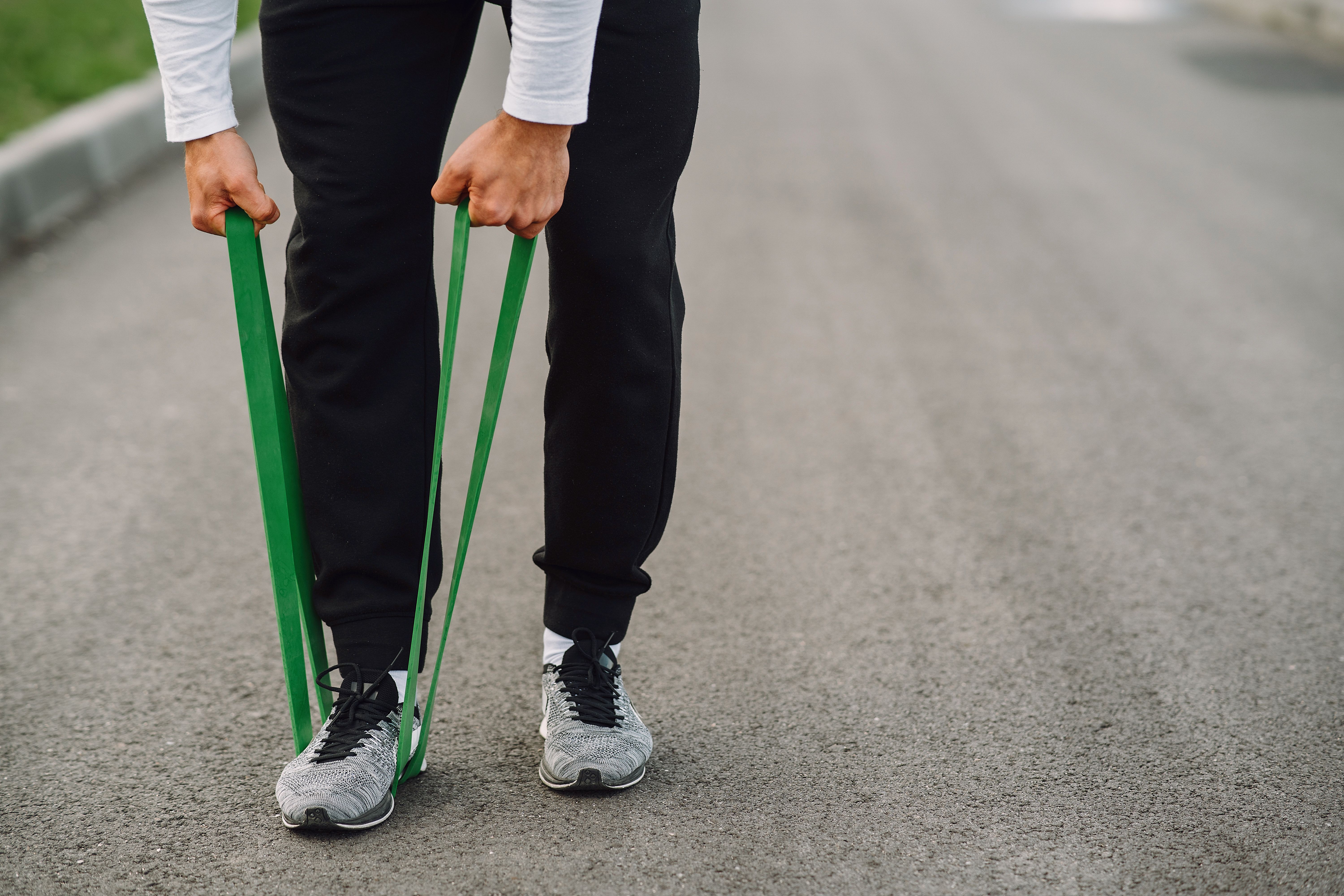
5 Resistance Band Moves That Target Every Major Muscle Group
Resistance bands offer an effective way to build strength and increase flexibility without the need for heavy equipment. Their compact size means you can store them in a...
Jul 10, 2026



Building a strong foundation for fitness begins with exercises that push your limits while keeping safety at the forefront. Starting with effective movements helps you improve strength and endurance without putting yourself at risk. This guide offers clear steps for creating workouts that keep you motivated and progressing. By focusing on proper technique and gradual progression, you can enjoy the benefits of regular exercise while reducing the chance of setbacks. Explore practical advice and simple routines designed to help you achieve your goals with confidence, all while making your health and well-being a priority every step of the way.
You’ll find tips you won’t see in every handbook. Simple hitches in form or planning can derail progress. Follow these steps for clear routines, solid recovery, and a system that grows with you.
Prevent injuries by maintaining consistency. Minor strains can sideline you for days. You will learn core rules to keep muscles, joints, and bones safe under load.
Neglecting safety can slow your progress. A small nagging ache might seem harmless until days of discomfort follow. By sticking to clear steps, you will keep workouts productive and injury-free.
Creating a plan that fits you keeps your motivation high. Spread sessions across the week for balanced gains. Aim for three to five workouts per week.
Reducing guesswork leads to better results. When you know exactly which move comes next, you avoid wasting minutes pondering what to do. This keeps your heart rate steady and your focus sharp.
Weekly logs give clear feedback. Record sets, reps, and load. Over time, you will notice trends and determine where to push harder or dial back.
Poor form reduces power and increases risk. Correct posture and alignment let you lift heavier without pain. Use these points during training.
Record yourself with your phone. A quick video highlights flaws you might miss in a mirror. Small adjustments—like shifting your stance a few inches—can lead to big improvements.
Work with a trained professional at least once. A certified coach detects subtle errors you won’t notice. Afterward, regular self-checks help you stay on track.
You cannot out-train a poor diet. Macronutrients power your workouts, and recovery requires the right balance of protein, carbs, and healthy fats. Aim for 1.2–2.0 grams of protein per kilogram of body weight daily. This range supports muscle repair and growth.
Fill half your plate with vegetables. Colorful produce provides antioxidants that reduce inflammation. Whole grains and legumes replenish energy stores and stabilize blood sugar. Don’t skip healthy fats like avocado, nuts, or olive oil—they help maintain hormone levels.
Stay hydrated. Drink at least 2 liters of water daily. On intense workout days, add another liter to replace sweat loss. If you sweat heavily, consider coconut water or a low-sugar electrolyte drink.
Recovery begins right after your session. Cool down with light stretching or a slow walk. Hold each stretch for 20–30 seconds. Better flexibility reduces the risk of pulls or strains.
Seeing your progress keeps you motivated. Numbers and notes highlight improvements you might miss otherwise. Use simple tools like a notebook or a free app such as *MyFitnessPal* for weights and reps.
Short-term targets break larger goals into manageable steps. Each check-in allows you to celebrate progress and identify plateaus early. Then, you can adjust volume or intensity to overcome obstacles.
Partner with a friend or join a local class. Social support encourages consistency. You will push yourself harder when someone else expects you to show up.
Follow these tips to develop routines that match your schedule and goals. Focus on proper form, nutrition, and tracking progress to avoid setbacks and see steady improvement.
Resistance bands offer an effective way to build strength and increase flexibility without the need for heavy equipment. Their compact size means you can store them in a...
Jul 10, 2026

Long hours at a desk often lead to stiff muscles and reduced blood flow. Taking a few minutes for stretch breaks throughout the day loosens your body and helps you feel...
Jun 10, 2026

Plenty of runners find themselves going through the motions, checking off miles without really savoring the experience. Initial excitement often fades when running turns...
Aug 19, 2026
Recovering from an injury often means finding new ways to keep your body moving while protecting the area that needs time to heal. When you deal with a sore knee, a...
Jun 02, 2026
Daily routines often become more challenging when your joints feel stiff and uncooperative. Keeping your body moving with consistent mobility exercises helps you stay...
Aug 16, 2026

Taking a moment each day to reflect on your routines helps you understand which habits align with your health goals and which ones may hold you back. By asking yourself...
Aug 02, 2026

Finding a tool that seamlessly fits into your daily routine can make healthy habits easier to maintain. More than just counting steps or estimating calories, you deserve...
Aug 09, 2026

Staying energized each day depends on more than grabbing a cup of coffee. Your body relies on water to help cells convert nutrients into the fuel you need. When you...
Sep 04, 2026

Modern apps and devices simplify the way people keep an eye on their health. These tools deliver instant updates on daily steps, sleep quality, meals, and even stress....
Jul 01, 2026

Seasonal changes bring new opportunities to refresh your health habits and keep your routine exciting. As the calendar shifts, you can find inspiration in the unique...
Jul 24, 2026

Setting up a home that supports both physical health and mental well-being begins with thoughtful planning. The way you arrange your furniture, select colors, and...
Aug 31, 2026

Starting your day with a reliable morning routine can make a big difference in how energized and alert you feel. Choose a wake-up time and stick to it each day to give...
Jul 05, 2026

Developing mental strength requires dedication, patience, and the right resources to help you stay on track. Personal development courses provide structured support,...
Sep 16, 2026

Fresh sneakers on your feet and a new field or court ahead bring a sense of excitement and anticipation. Many people who join a league feel curious and slightly nervous...
Jun 06, 2026