

The Best Functional Fitness Exercises for Real-Life Strength
Everyday movements, such as lifting grocery bags, carrying children, or pushing open a heavy door, draw from the same strength and motion patterns you develop during...
Aug 22, 2026



Gentle stretching before and after exercise helps protect muscles and joints from strain and discomfort. Preparing your body with a short series of movements can make all the difference, allowing you to move more easily and avoid painful setbacks. Paying close attention to the way your muscles feel, selecting stretches that suit your activity, and holding each pose for the right amount of time all combine to form a routine that supports your body’s needs. Building these habits not only guards against injury but also boosts your confidence and comfort during every workout session.
Each time you extend a muscle, you boost its ability to handle stress. Over time, that lowers your chances of sudden tears. You’ll feel looser and more in control during any workout.
When you skip stretching, you miss out on this tune-up. Tight muscles pull unevenly on joints. That imbalance invites sprains and strains, especially in high-impact moves like jumping or sprinting. A quick stretch session protects your body from common problems.
Choose dynamic movements to prepare your body. They mimic the motions you’ll perform and engage your stabilizing muscles. If you plan to sprint or lunge, add lunges with rotation to activate your hips and torso.
Finish with static holds to signal recovery. Gently ease into each hold. Push just to but not beyond discomfort—aim for a mild tension, not pain. Release slowly, letting the muscle settle.
Overstretching your range of motion feels like making progress, but it risks tiny tears in muscle fibers. Stretch sensibly. Keep a slight bend in the knee or elbow when you hold a pose. That angle prevents overstretching.
Rushing through stretches undermines their purpose. You need at least 20 seconds per static hold. Use a stopwatch or count silently to 20. Shorter holds won’t coax muscles into lasting length.
Skipping warm-ups before static work leaves muscles cold. If you dive straight into a deep hamstring stretch, you stress the tissue rather than gently coax it open. Start with light cardio or dynamic drills first.
Finally, avoid stretching the same area daily without rest. Soft tissue needs repair time. If your shoulders are sore, switch focus to lower-body stretches and come back in 48 hours.
Create a template you can repeat. For example, Monday might focus on lower-body warm-ups and static cool-downs. Wednesday switches to upper body. Friday combines them. This structure ensures balance and complete recovery.
Allow each muscle group time to recover. If you stretch quads intensely on Monday, stretch them lightly on Tuesday or skip until Wednesday. Balancing load and rest helps reduce fatigue and soreness.
A proper warm-up quickly increases blood flow. Jog in place for a minute, then shift into high knees and butt kicks. These prepare joints and raise your heart rate.
Pair your dynamic stretches with movement drills. For example, follow walking lunges with torso twists. You work hips, quads, and core all at once.
Cool-downs gently slow the system. Walk for two to three minutes. Then move into static holds to guide muscles back to baseline length.
Finish with joint rotations. Circle your wrists, ankles, and neck slowly. This last step flushes out waste and reduces post-workout tightness.
Choose a fixed time each session. Include stretching in your routine like brushing your teeth. Consistency helps you develop the habit and prevents injuries.
Use simple measurements. Record how far your fingertips reach toward toes. Track hip flexion depth or how high you can lift your arm behind your head. Write down these numbers weekly.
Notice when progress stalls. If you stay at the same angle for three weeks, try PNF (proprioceptive neuromuscular facilitation) techniques. Contract the muscle for a few seconds before stretching further.
Celebrate small wins. A half-inch closer to the floor or smoother shoulder circles show progress. These milestones motivate you to keep going.
Smart stretching protects your body and improves recovery. Follow a plan, track progress, and adjust as needed. Your muscles will thank you.
Everyday movements, such as lifting grocery bags, carrying children, or pushing open a heavy door, draw from the same strength and motion patterns you develop during...
Aug 22, 2026
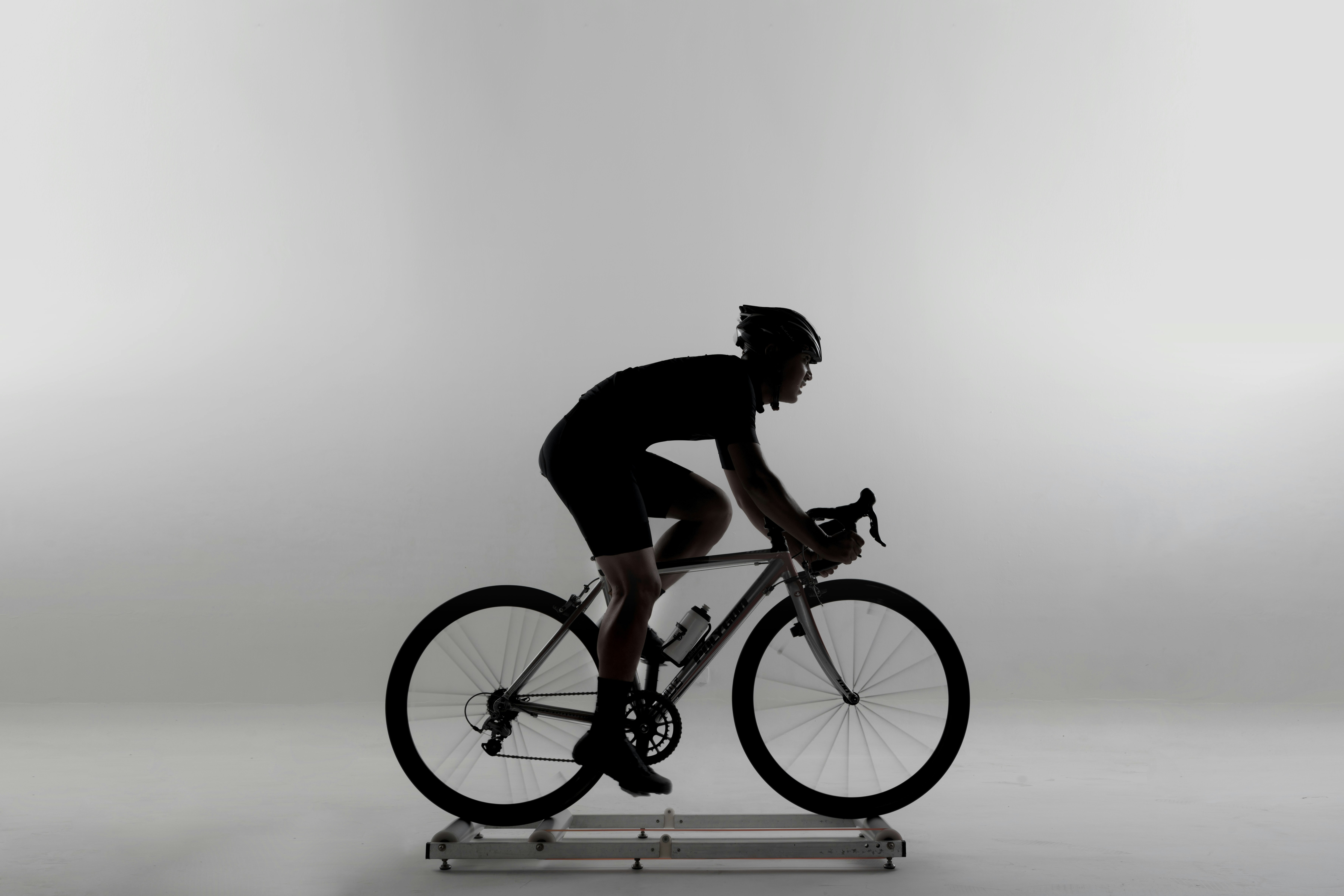
Riding a bike offers a practical way to improve both lung capacity and heart health, making it easier to handle everyday stress. Pedaling on a regular basis gives you a...
Jul 15, 2026

Long hours at a desk often lead to stiff muscles and reduced blood flow. Taking a few minutes for stretch breaks throughout the day loosens your body and helps you feel...
Jun 10, 2026
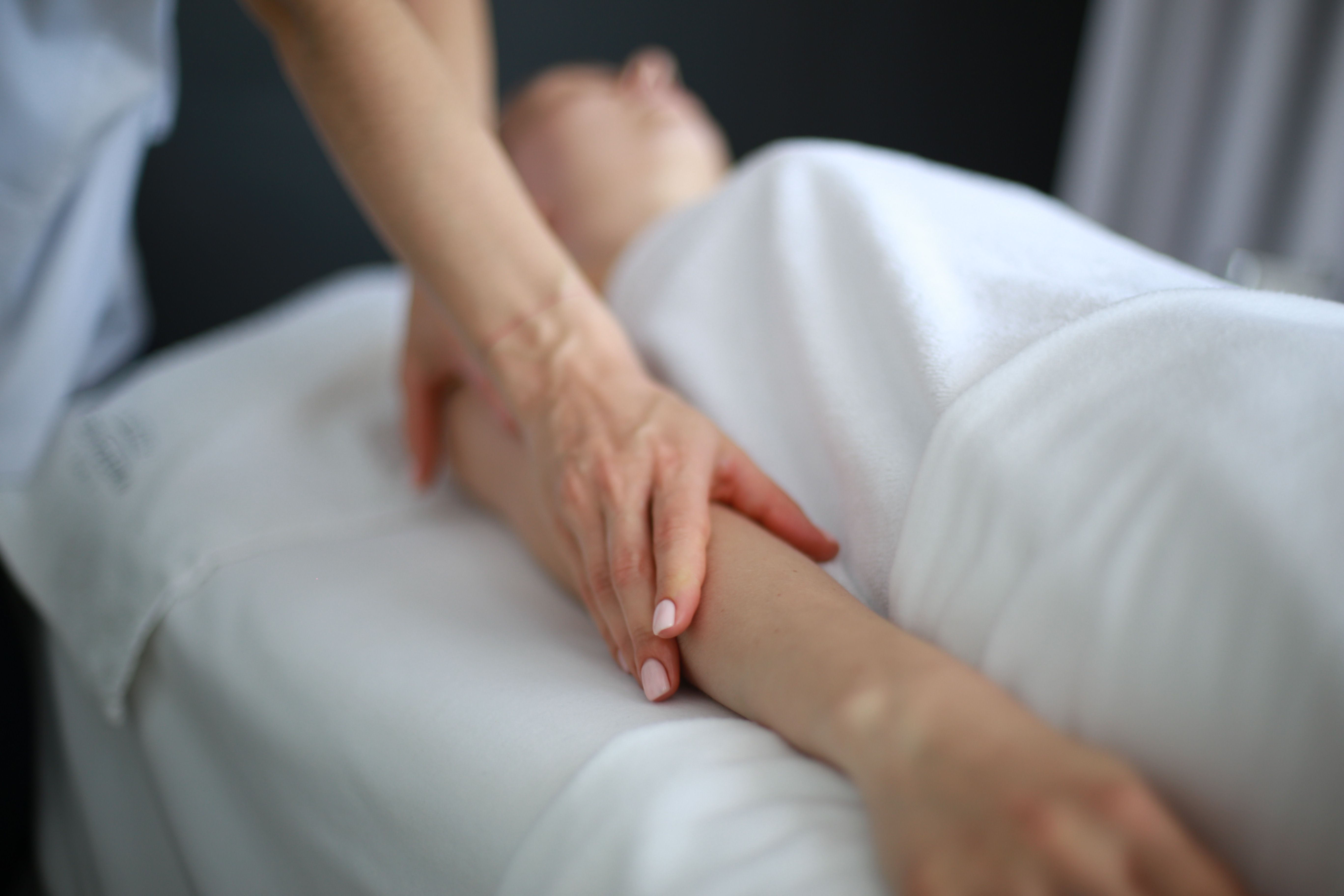
Seasonal changes bring new opportunities to refresh your health habits and keep your routine exciting. As the calendar shifts, you can find inspiration in the unique...
Jul 24, 2026

Staying energized each day depends on more than grabbing a cup of coffee. Your body relies on water to help cells convert nutrients into the fuel you need. When you...
Sep 04, 2026
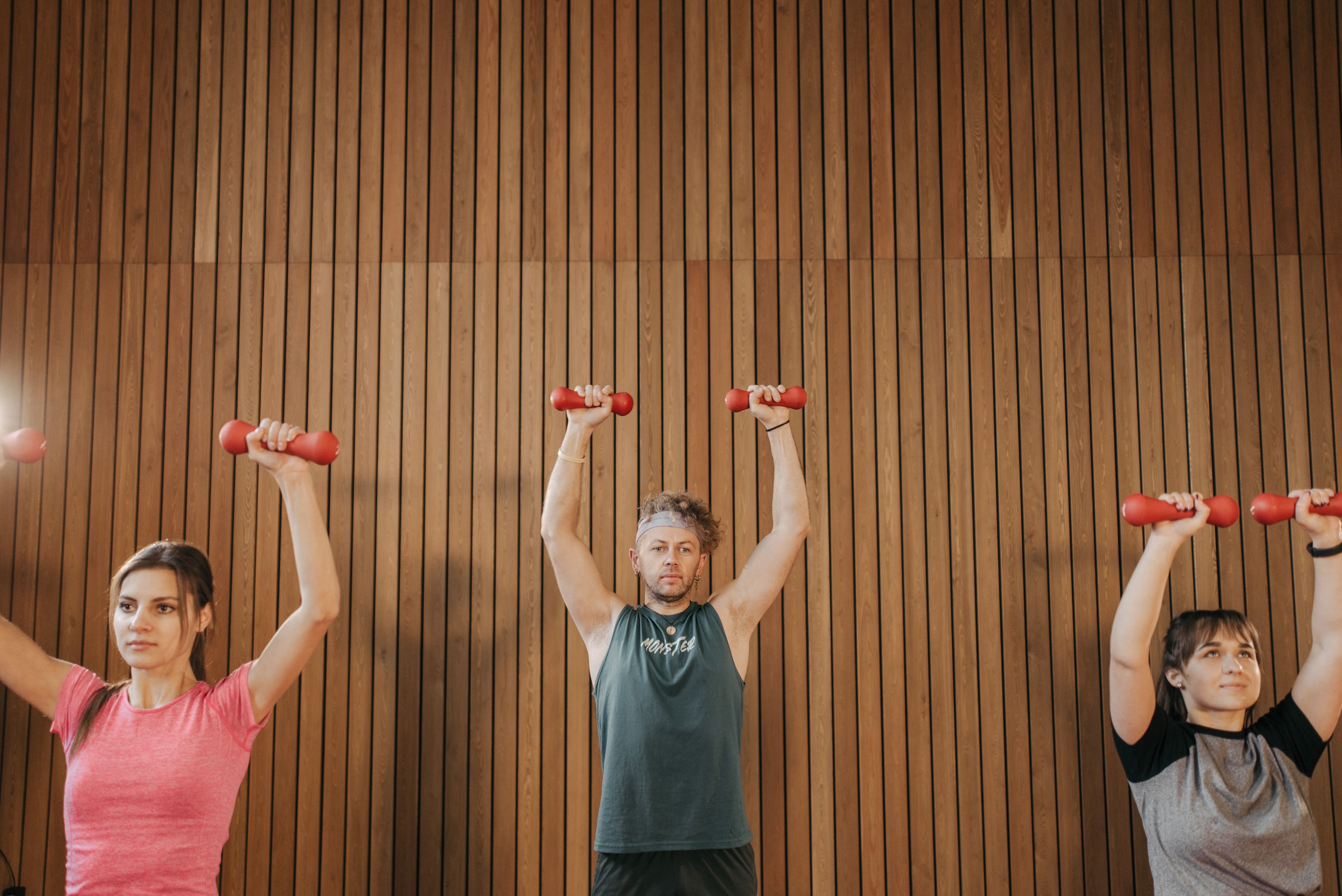
Group fitness challenges bring people together and make building new exercise habits more enjoyable. Sharing workouts with others who have similar fitness goals creates...
Jul 21, 2026

Taking a moment each day to reflect on your routines helps you understand which habits align with your health goals and which ones may hold you back. By asking yourself...
Aug 02, 2026

Developing mental strength requires dedication, patience, and the right resources to help you stay on track. Personal development courses provide structured support,...
Sep 16, 2026

Plenty of runners find themselves going through the motions, checking off miles without really savoring the experience. Initial excitement often fades when running turns...
Aug 19, 2026

Finding a tool that seamlessly fits into your daily routine can make healthy habits easier to maintain. More than just counting steps or estimating calories, you deserve...
Aug 09, 2026

Attending an interactive webinar focused on preventing chronic conditions offers a valuable chance to discover practical ways to lower blood pressure, maintain healthy...
Sep 12, 2026

Modern apps and devices simplify the way people keep an eye on their health. These tools deliver instant updates on daily steps, sleep quality, meals, and even stress....
Jul 01, 2026

Interactive workshops combine emotional understanding with hands-on activities to help people build mental resilience. Attendees engage in exercises designed to sharpen...
Aug 12, 2026

Starting your day with a reliable morning routine can make a big difference in how energized and alert you feel. Choose a wake-up time and stick to it each day to give...
Jul 05, 2026