

The Best Stretch Break Routines to Combat Office Stiffness
Long hours at a desk often lead to stiff muscles and reduced blood flow. Taking a few minutes for stretch breaks throughout the day loosens your body and helps you feel...
Jun 10, 2026



Understanding how your body works lays the groundwork for confident movement every day. You influence your posture by the way you stand, the way you sit, and how you lift objects during routine activities. When you pay attention to your body’s signals and respect its limits, you can avoid unnecessary strain and protect your joints from injury. Practicing safe movement, guided by clear instructions, allows you to strengthen your body while reducing the risk of discomfort or pain. These mindful actions make a noticeable difference, helping you move more freely and maintain good health as you go about your daily life.
That clarity shines in focused workshops. Experts break complex moves into simple steps. You practice under watchful eyes, get instant feedback, and refine your technique. As you master core drills, you grow stronger and trust your movement.
Consistent progress depends on staying steady. Keep simple notes to track your performance. Record how many reps you complete, how you felt, and any adjustments you plan to make next session. That log becomes your guide for safe improvement.
In each workshop, experts guide you through mirror drills. You hold each pose as they adjust your angles. Those small adjustments create significant benefits. A tiny tilt can shift stress away from sensitive structures and onto stronger muscles.
Many people round their back during deadlifts. This puts compressive force on spinal discs. Protect your spine by keeping your back flat or slightly arched. Think of your torso as a strong plank rather than a hinge.
Another common mistake appears in lunges. People let the front knee drift inward. This movement strains the medial ligaments. Push your knee outward along the same line as your second toe. That adjustment keeps muscles balanced and joints safe.
Each session lasts 60 minutes. Trainers use video tools like Coach’s Eye or apps such as Fitbit to record your form. Watching your own movement helps you identify areas to improve faster than verbal cues alone.
Set small goals each week. Check off mini objectives like "10 perfect reps" instead of aiming for large numbers. Small wins keep motivation high. Use a habit tracker or calendar to mark each workout. Seeing your progress encourages steady commitment.
Combine skill drills with daily routines. Do ten wall angels while waiting for your coffee. Hold a plank during TV commercials. These small practices reinforce new habits, helping you carry safe movement into every part of your day.
Every expert-led session provides clear instructions and corrective drills. Practice with guidance to build strength and avoid injury.
Long hours at a desk often lead to stiff muscles and reduced blood flow. Taking a few minutes for stretch breaks throughout the day loosens your body and helps you feel...
Jun 10, 2026
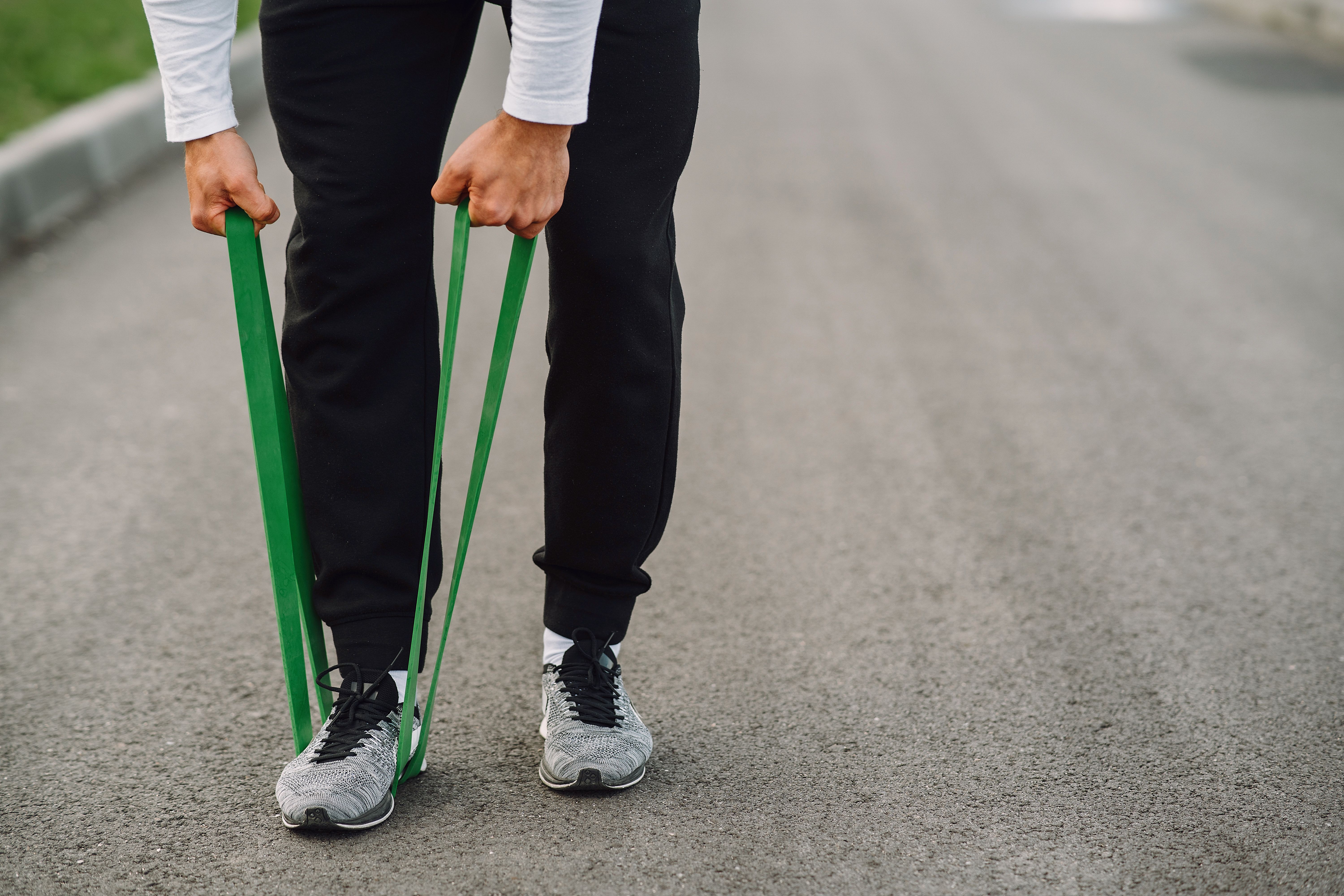
Resistance bands offer an effective way to build strength and increase flexibility without the need for heavy equipment. Their compact size means you can store them in a...
Jul 10, 2026
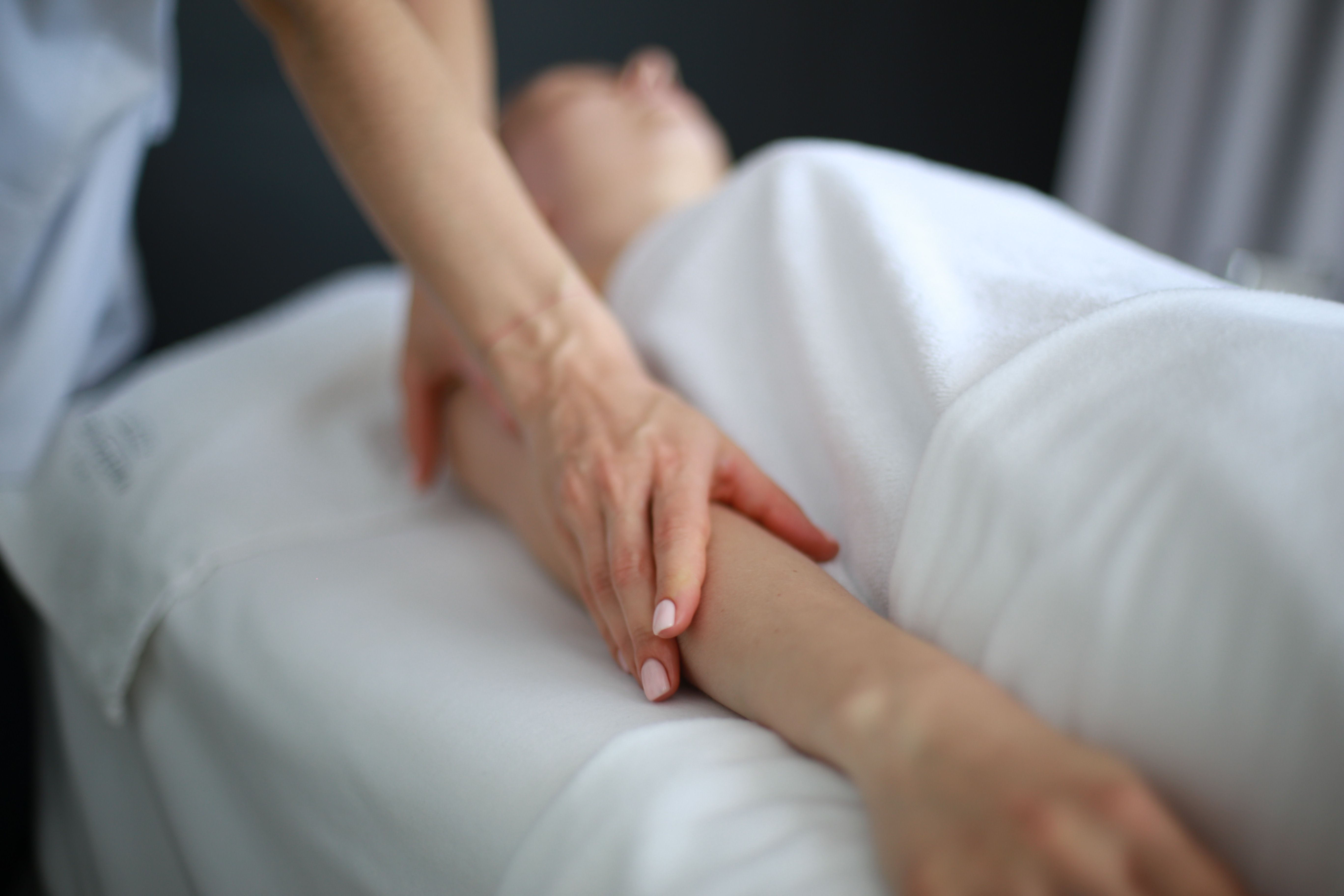
Seasonal changes bring new opportunities to refresh your health habits and keep your routine exciting. As the calendar shifts, you can find inspiration in the unique...
Jul 24, 2026

Interactive workshops combine emotional understanding with hands-on activities to help people build mental resilience. Attendees engage in exercises designed to sharpen...
Aug 12, 2026
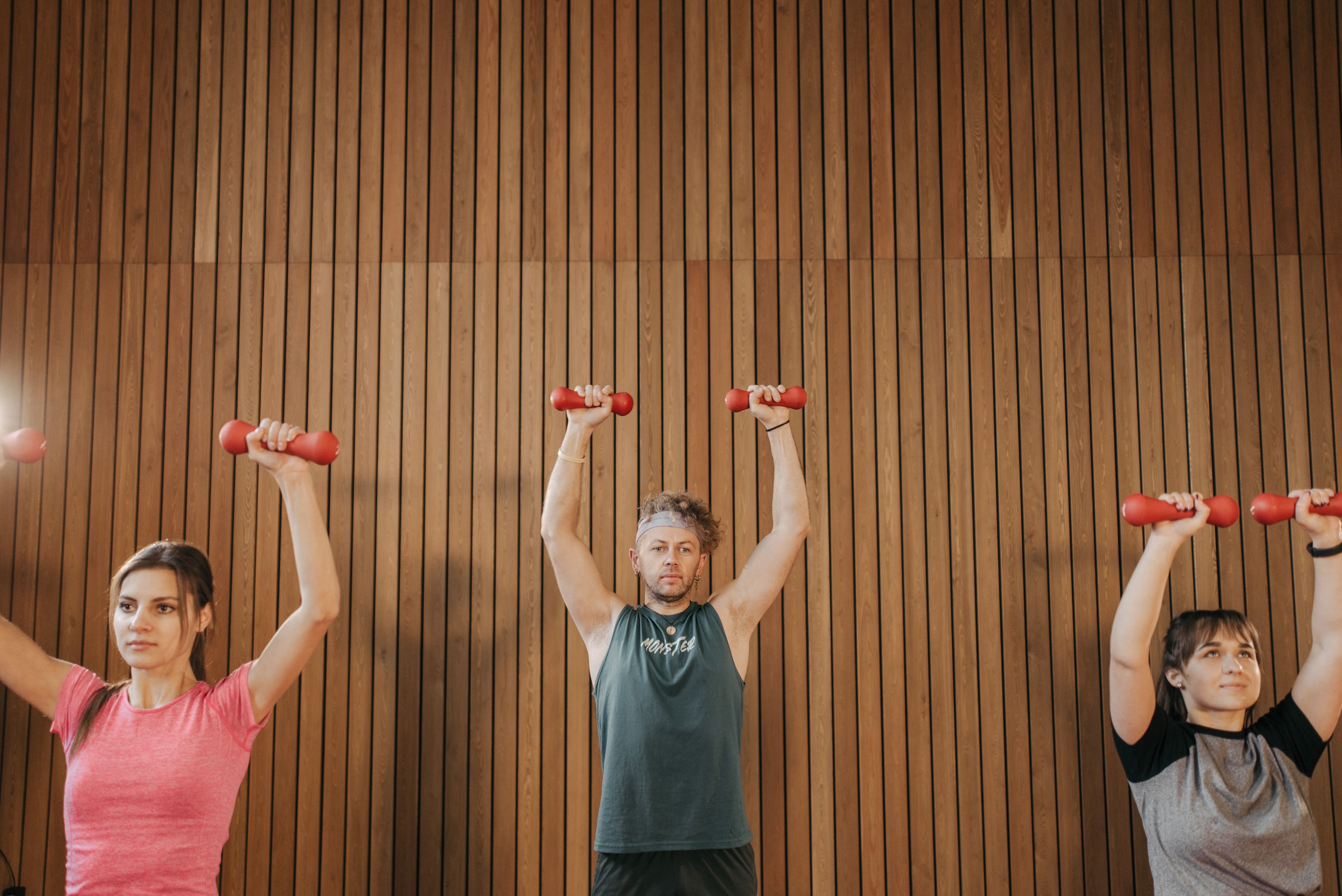
Group fitness challenges bring people together and make building new exercise habits more enjoyable. Sharing workouts with others who have similar fitness goals creates...
Jul 21, 2026

Fresh sneakers on your feet and a new field or court ahead bring a sense of excitement and anticipation. Many people who join a league feel curious and slightly nervous...
Jun 06, 2026

Plenty of runners find themselves going through the motions, checking off miles without really savoring the experience. Initial excitement often fades when running turns...
Aug 19, 2026

Developing mental strength requires dedication, patience, and the right resources to help you stay on track. Personal development courses provide structured support,...
Sep 16, 2026

Setting up a home that supports both physical health and mental well-being begins with thoughtful planning. The way you arrange your furniture, select colors, and...
Aug 31, 2026

Attending an interactive webinar focused on preventing chronic conditions offers a valuable chance to discover practical ways to lower blood pressure, maintain healthy...
Sep 12, 2026

Starting your day with a reliable morning routine can make a big difference in how energized and alert you feel. Choose a wake-up time and stick to it each day to give...
Jul 05, 2026

Building lasting bonds depends on thoughtful, everyday choices. You pick up on subtle shifts, like a dip in enthusiasm or when discussions feel less genuine. Noticing...
Aug 26, 2026
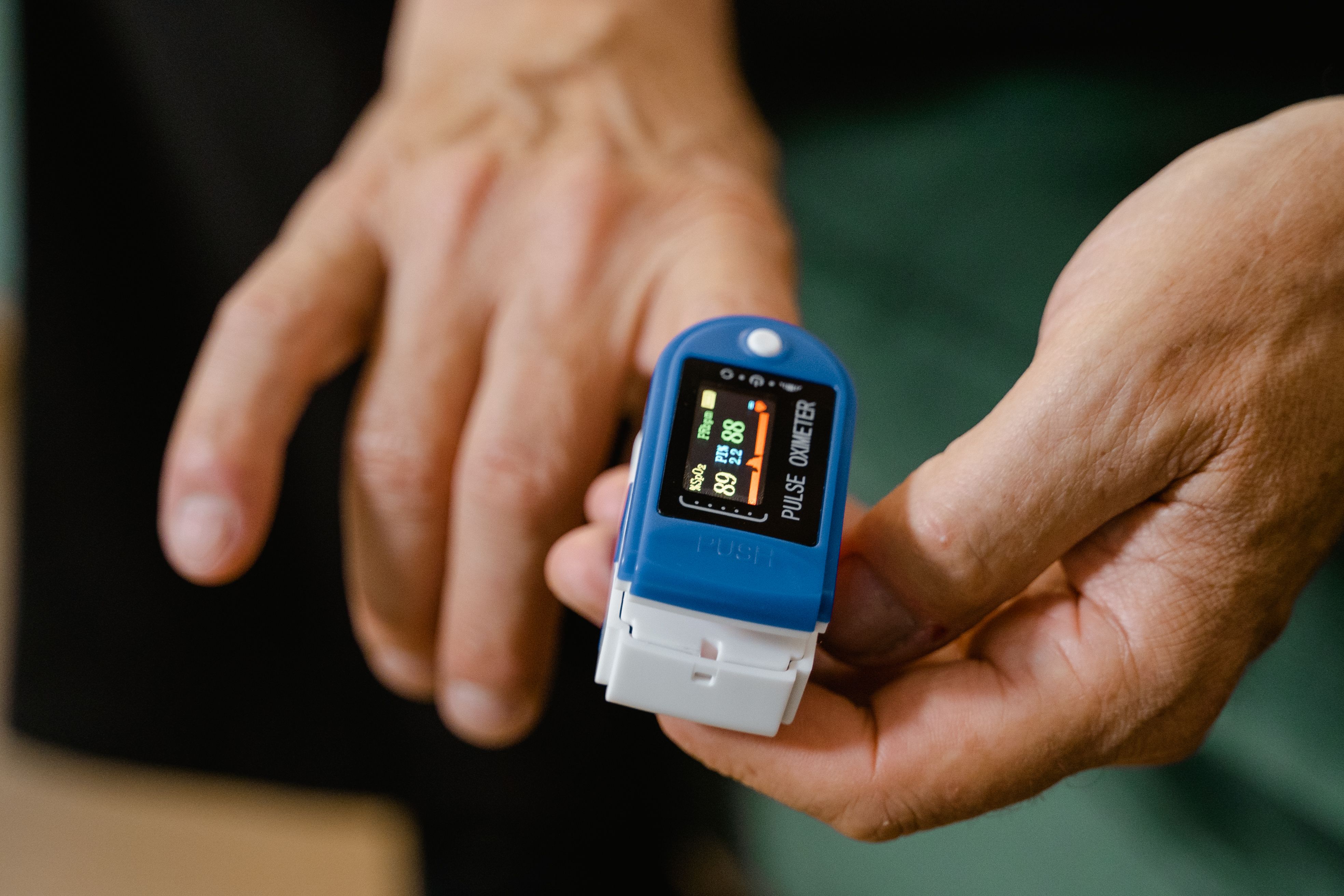
Modern apps and devices simplify the way people keep an eye on their health. These tools deliver instant updates on daily steps, sleep quality, meals, and even stress....
Jul 01, 2026

Staying energized each day depends on more than grabbing a cup of coffee. Your body relies on water to help cells convert nutrients into the fuel you need. When you...
Sep 04, 2026