

5 Fitness Modifications That Help You Stay Active With Injuries
Recovering from an injury often means finding new ways to keep your body moving while protecting the area that needs time to heal. When you deal with a sore knee, a...
Jun 02, 2026



Strong balance and steady footing play a crucial role in your daily movements, even if they sometimes go unnoticed. Adding specific drills to your regular routine helps you develop a solid foundation, which can lead to better performance in activities, fewer aches, and a greater sense of confidence in each step you take. You will find practical steps and helpful ideas in this guide, making it easy to begin improving your stability from the very first session. With consistent practice, you will notice your movements becoming smoother and your overall comfort increasing over time.
Balance is your ability to stay upright, whether you’re walking, lifting, or shifting weight. Stability supports that balance by controlling movement around your joints. They work together to safeguard you against twists or falls.
Your core muscles hold your center of gravity. Your ankles and hips act as shock absorbers. When these areas work in sync, you move with precision and power.
Proprioception, or body awareness, tells your brain where everything sits in space. Sharp proprioception lets you adjust quickly on uneven ground or under load. You can improve it with specific drills and feedback devices.
Muscular coordination matters as much as strength. Your body relies on small stabilizer muscles to hold joints in place. Training those deeper fibers pays off in everyday tasks and workouts alike.
Single-Leg Deadlift: Stand on one foot, hinge at the hips, and reach toward the ground while extending the opposite leg behind you. Keep your spine neutral. This move strengthens your hamstrings and stabilizes your ankles.
Side Plank with Leg Lift: Support your weight on one forearm and the side of your foot. Lift your top leg up and down with control. This drill targets your obliques and hip abductors.
*BOSU* Ball Squats: Place the flat side of the *BOSU* on the floor, step onto the dome, and perform squats. The unstable surface activates deep core muscles and ankle stabilizers.
Heel-to-Toe Walk: Walk in a straight line, placing your heel to your toe each step. Spread your arms for extra support if needed. This simple exercise sharpens gait and foot control.
Pallof Press: Anchor a resistance band at chest height. Stand perpendicular, press the band away, and resist rotation. You strengthen your core and improve trunk stability.
Bird Dog: On all fours, extend opposite arm and leg. Pause at full extension then switch sides. This move improves spinal alignment and hip stability.
Wobble Cushion Push-Ups: Place a wobble cushion under your hands and perform push-ups. The shifting base forces your shoulders and core to work harder.
Swiss Ball Wall Squat: Hold a stability ball against a wall with your lower back. Sink into a squat, pause, and rise. You engage your quadriceps, glutes, and deep spinal muscles.
Clock Reach Stand: Imagine a clock on the floor. Stand at its center, reach a foot to 12, 3, 6, then 9 o’clock. Return to the center between each reach. This challenges your balance from different angles.
Rushing through drills defeats their purpose. Take your time on each repetition and focus on proper alignment. Moving too fast through a single-leg squat or wobble cushion push-up causes you to miss the deep muscle engagement that drives progress.
Relying on brushes against a wall or a partner’s hand reduces the challenge. Slightly crooked postures or small wobbles help you increase body awareness. Accept mild instability to develop real strength.
Skipping progressions leaves you stuck. Always move forward when you feel steady. For example, progress from two-leg squats on a flat floor to two-leg squats on a foam pad, then to single-leg versions.
Adding balance and stability exercises improves your lifts and reduces the risk of slips or strains. Begin with simple steps, track your progress, and gradually increase difficulty as your confidence grows.
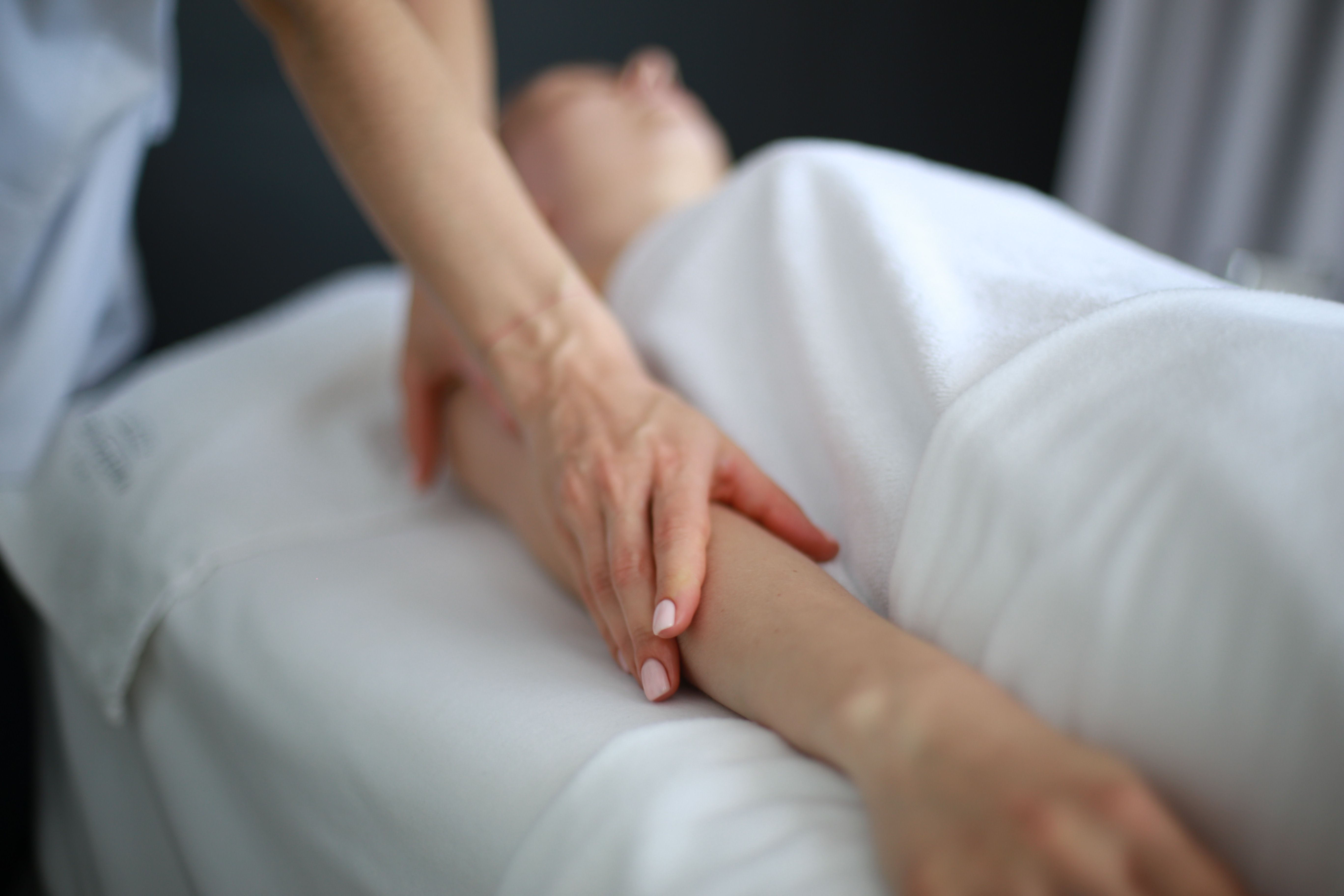
Recovering from an injury often means finding new ways to keep your body moving while protecting the area that needs time to heal. When you deal with a sore knee, a...
Jun 02, 2026
Seasonal changes bring new opportunities to refresh your health habits and keep your routine exciting. As the calendar shifts, you can find inspiration in the unique...
Jul 24, 2026

Riding a bike offers a practical way to improve both lung capacity and heart health, making it easier to handle everyday stress. Pedaling on a regular basis gives you a...
Jul 15, 2026

Plenty of runners find themselves going through the motions, checking off miles without really savoring the experience. Initial excitement often fades when running turns...
Aug 19, 2026
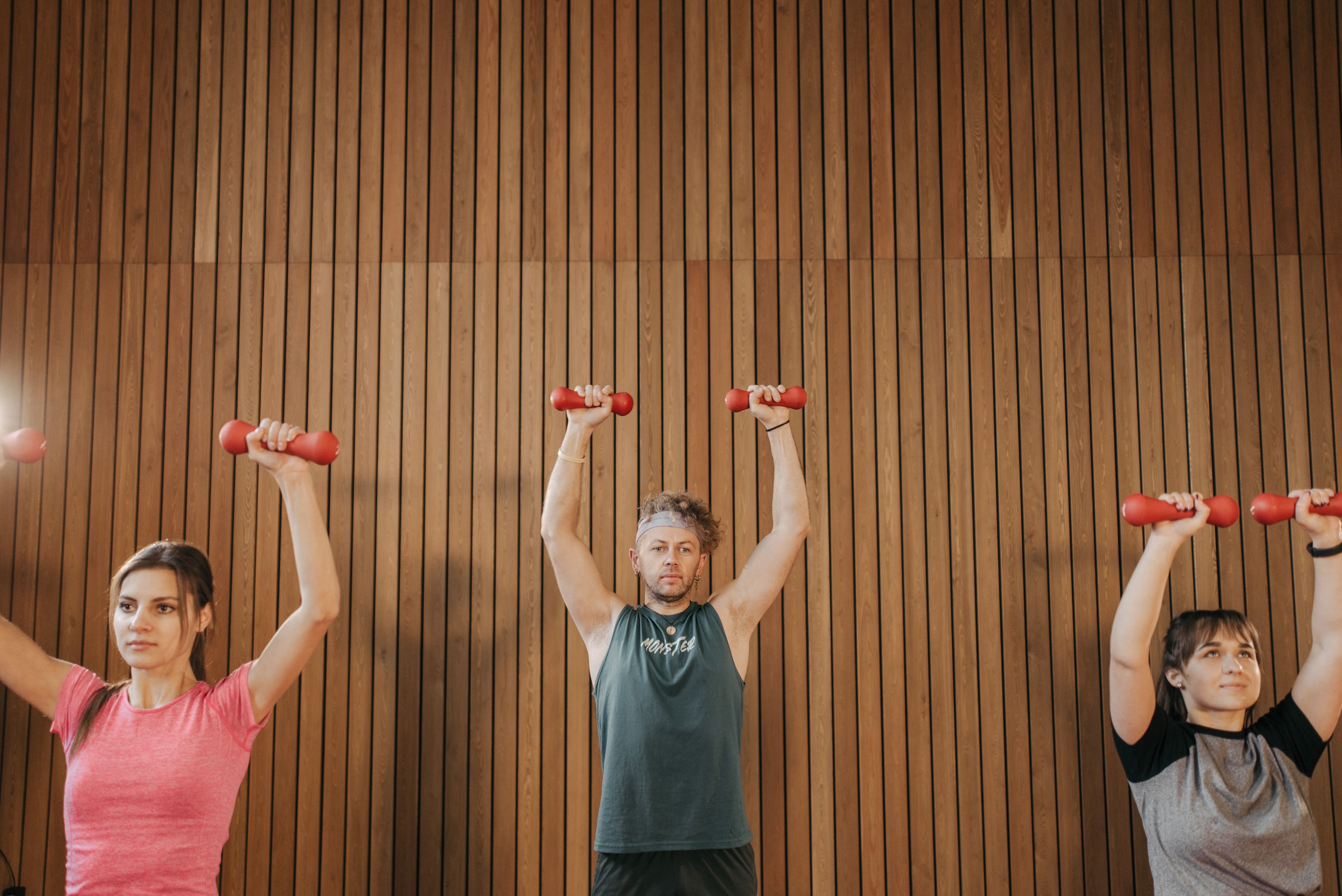
Group fitness challenges bring people together and make building new exercise habits more enjoyable. Sharing workouts with others who have similar fitness goals creates...
Jul 21, 2026

Long hours at a desk often lead to stiff muscles and reduced blood flow. Taking a few minutes for stretch breaks throughout the day loosens your body and helps you feel...
Jun 10, 2026

Fresh sneakers on your feet and a new field or court ahead bring a sense of excitement and anticipation. Many people who join a league feel curious and slightly nervous...
Jun 06, 2026

Setting up a home that supports both physical health and mental well-being begins with thoughtful planning. The way you arrange your furniture, select colors, and...
Aug 31, 2026

Developing mental strength requires dedication, patience, and the right resources to help you stay on track. Personal development courses provide structured support,...
Sep 16, 2026

Staying energized each day depends on more than grabbing a cup of coffee. Your body relies on water to help cells convert nutrients into the fuel you need. When you...
Sep 04, 2026

Interactive workshops combine emotional understanding with hands-on activities to help people build mental resilience. Attendees engage in exercises designed to sharpen...
Aug 12, 2026

Starting your day with a reliable morning routine can make a big difference in how energized and alert you feel. Choose a wake-up time and stick to it each day to give...
Jul 05, 2026

Close relationships with friends, family, and neighbors can brighten our mood and support overall physical health. When people connect with others, the brain releases...
Jun 24, 2026
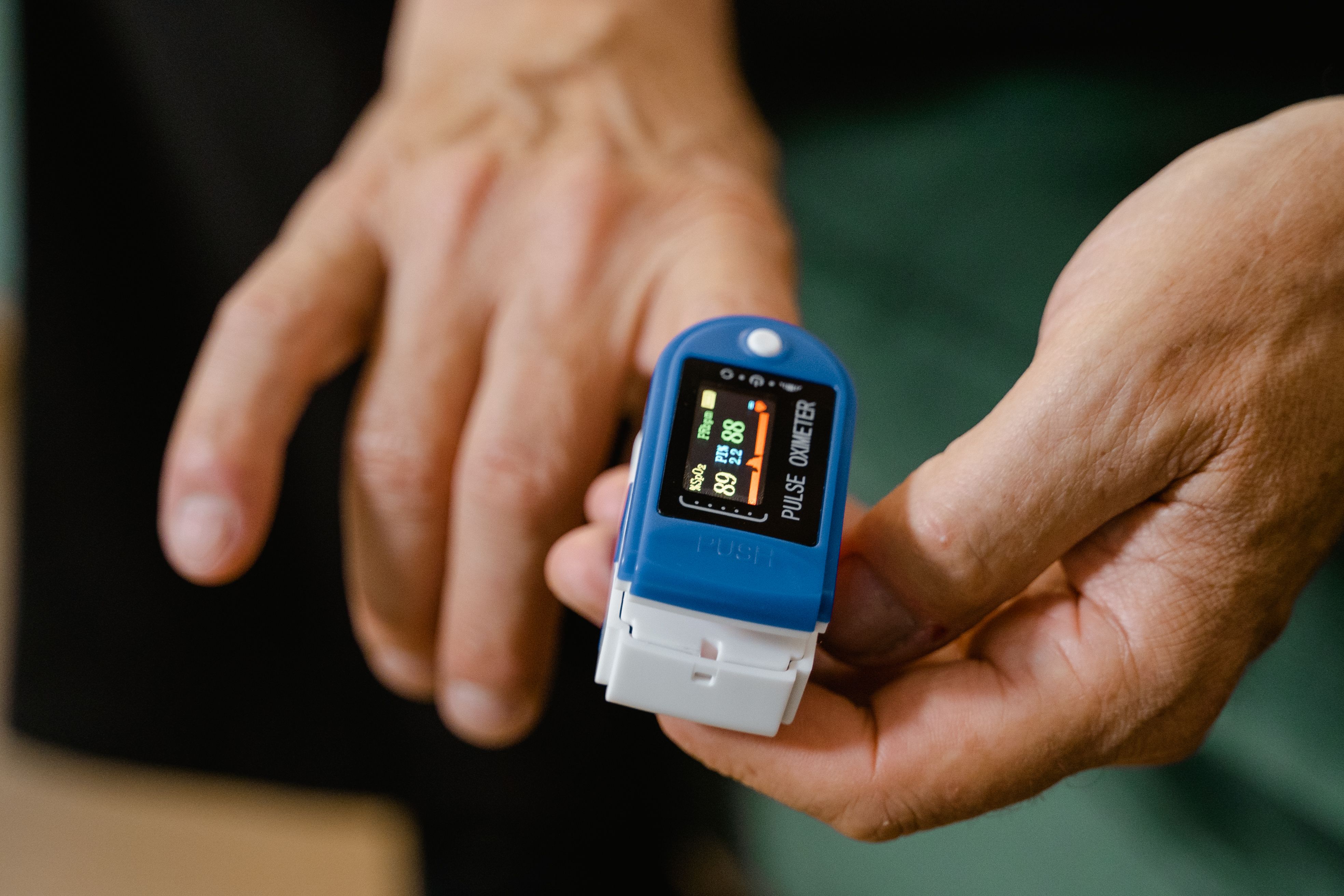
Modern apps and devices simplify the way people keep an eye on their health. These tools deliver instant updates on daily steps, sleep quality, meals, and even stress....
Jul 01, 2026