

The Best Functional Fitness Exercises for Real-Life Strength
Everyday movements, such as lifting grocery bags, carrying children, or pushing open a heavy door, draw from the same strength and motion patterns you develop during...
Aug 22, 2026



Long hours at a desk often lead to stiff shoulders and tight hips, making everyday movements less comfortable. Simple stretching exercises can quickly ease this discomfort, and you can do them right at your workspace. No special equipment or expensive memberships are required—just your chair, the edge of your desk, and a bit of open floor. By setting aside a few minutes each day for these stretches, you can help your body feel more relaxed and flexible, even during the busiest workdays. Small changes to your routine can make a noticeable difference in your comfort and well-being.
These moves boost blood flow, ease tension, and sharpen focus. They fit into short breaks or next to your morning coffee. Over a week, you’ll notice looser muscles and fewer aches. Let’s dive into clear, simple steps you can do right where you work.
Stretching at your desk does more than feel good. It increases blood circulation and corrects your posture. You will avoid the slump that builds over hours of typing.
Creating a mini routine pays off quickly. Even a three-minute break can reduce neck and back stiffness by 40%. These improvements keep you alert and help you complete tasks without pain.
Begin with a quick checklist of five simple moves. Each stretch lasts 20–30 seconds. Repeat on both sides when necessary. Aim for one round every three hours.
You’ll need a sturdy chair and about two feet of clear floor space. These steps require minimal effort but give maximum benefits.
Once you learn the basic moves, include these variations. They target problem areas and prevent your routine from becoming dull. Swap one variation with its basic version twice a week.
These adjustments deepen the stretch and keep your routine interesting. They also address muscles that often get overlooked.
Sticking with these stretches depends on consistency. Set simple reminders and connect moves to your daily routines. Over time, they will become second nature.
You don’t need fancy apps. A timer or calendar alert works just as well. Try to get up from your chair every 60–90 minutes.
Even with good intentions, incorrect form can cause problems. These tips help you stretch safely and effectively.
Focus on your posture. A small adjustment can significantly improve comfort and results.
Loosen up without leaving your chair. A daily stretch routine releases tight areas and boosts your energy. Add these moves to your schedule and see your flexibility improve over weeks, not months.
Stay consistent and track your progress. Giving your body proper care leads to a looser, more comfortable day.
Everyday movements, such as lifting grocery bags, carrying children, or pushing open a heavy door, draw from the same strength and motion patterns you develop during...
Aug 22, 2026
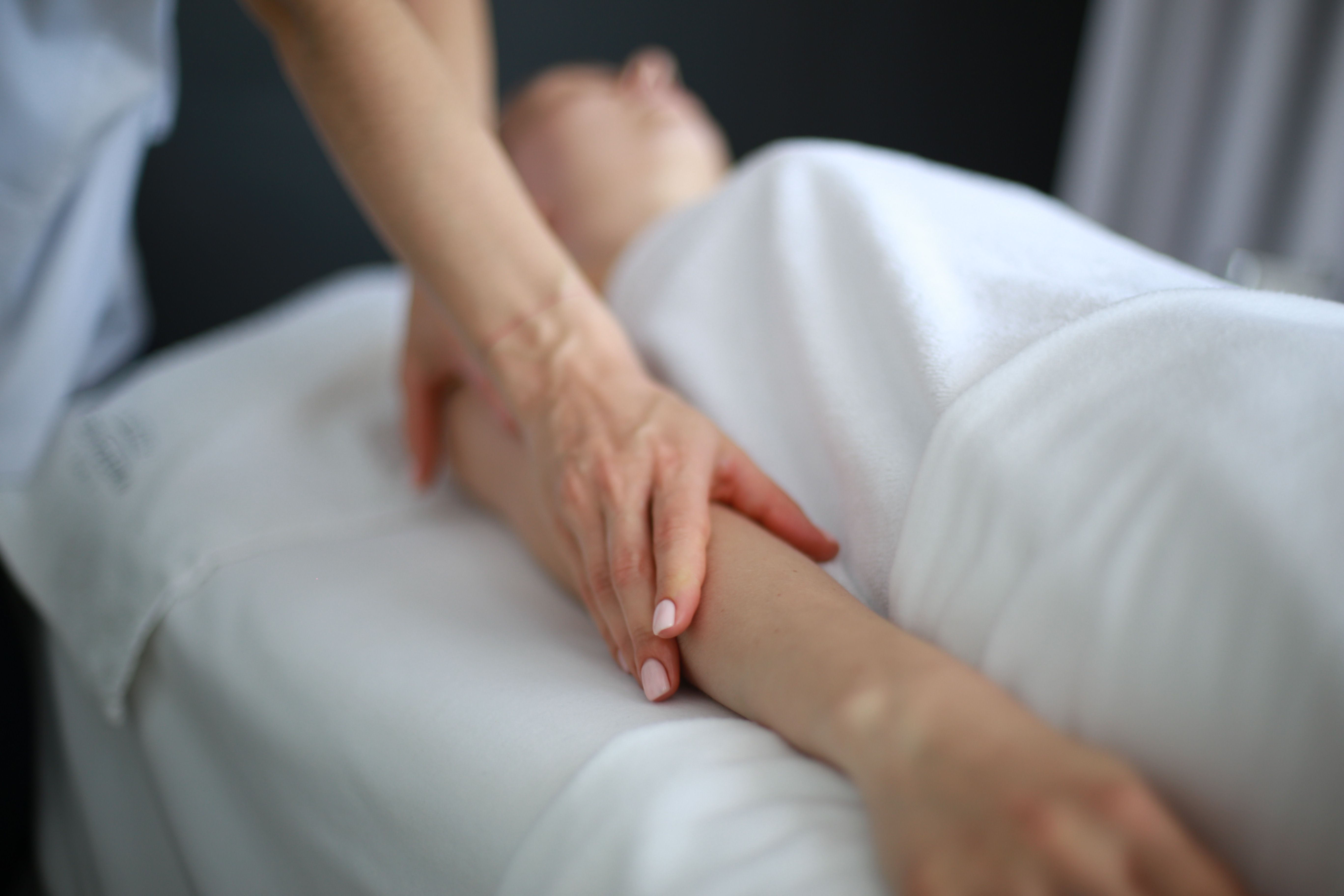
Seasonal changes bring new opportunities to refresh your health habits and keep your routine exciting. As the calendar shifts, you can find inspiration in the unique...
Jul 24, 2026

Resistance bands offer an effective way to build strength and increase flexibility without the need for heavy equipment. Their compact size means you can store them in a...
Jul 10, 2026

Riding a bike offers a practical way to improve both lung capacity and heart health, making it easier to handle everyday stress. Pedaling on a regular basis gives you a...
Jul 15, 2026

Setting up a home that supports both physical health and mental well-being begins with thoughtful planning. The way you arrange your furniture, select colors, and...
Aug 31, 2026
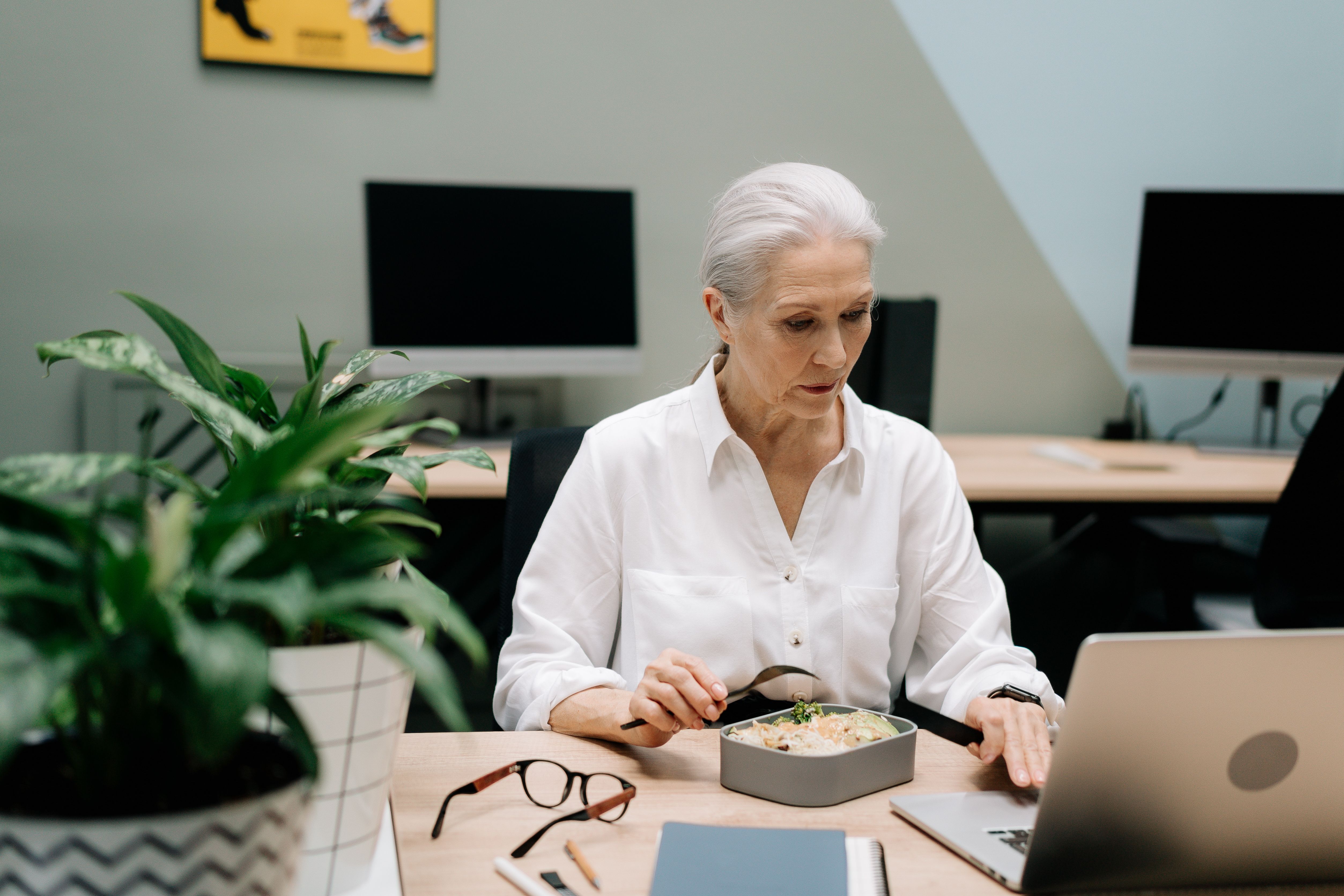
Busy workweeks often make it challenging to maintain healthy eating habits. As tasks build up and meetings fill your schedule, you might find yourself reaching for quick...
Aug 05, 2026

Finding a tool that seamlessly fits into your daily routine can make healthy habits easier to maintain. More than just counting steps or estimating calories, you deserve...
Aug 09, 2026

Building lasting bonds depends on thoughtful, everyday choices. You pick up on subtle shifts, like a dip in enthusiasm or when discussions feel less genuine. Noticing...
Aug 26, 2026

Small changes around your home can help reduce exposure to hidden chemicals without overwhelming your daily routine. Switching to gentler cleaning products, improving...
Jun 15, 2026

Close relationships with friends, family, and neighbors can brighten our mood and support overall physical health. When people connect with others, the brain releases...
Jun 24, 2026

Modern apps and devices simplify the way people keep an eye on their health. These tools deliver instant updates on daily steps, sleep quality, meals, and even stress....
Jul 01, 2026
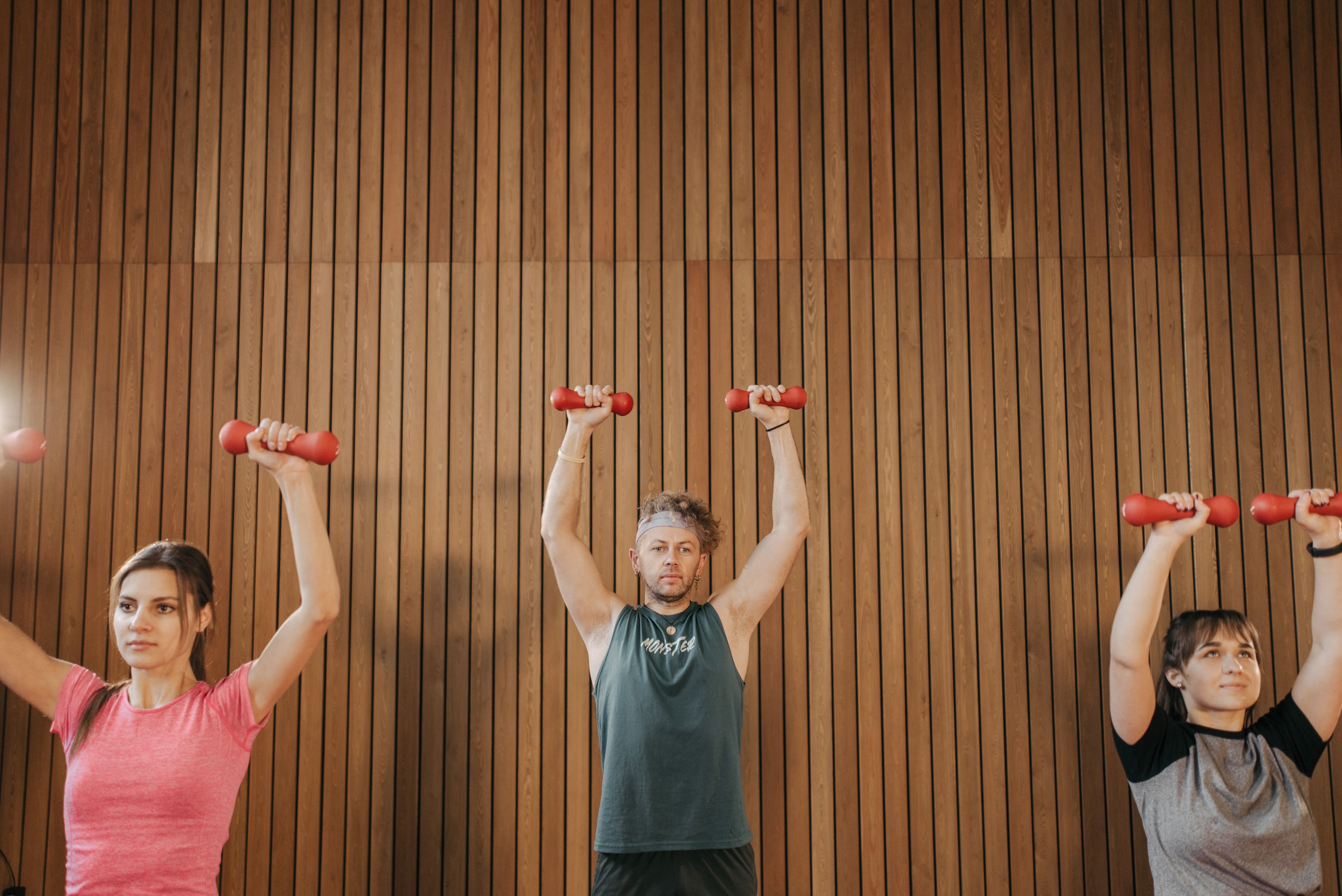
Group fitness challenges bring people together and make building new exercise habits more enjoyable. Sharing workouts with others who have similar fitness goals creates...
Jul 21, 2026

Taking a moment each day to reflect on your routines helps you understand which habits align with your health goals and which ones may hold you back. By asking yourself...
Aug 02, 2026

Preparing meals ahead of time streamlines your approach to healthy eating and makes evenings much less hectic. By choosing reliable kitchen equipment, you can create...
Jun 21, 2026