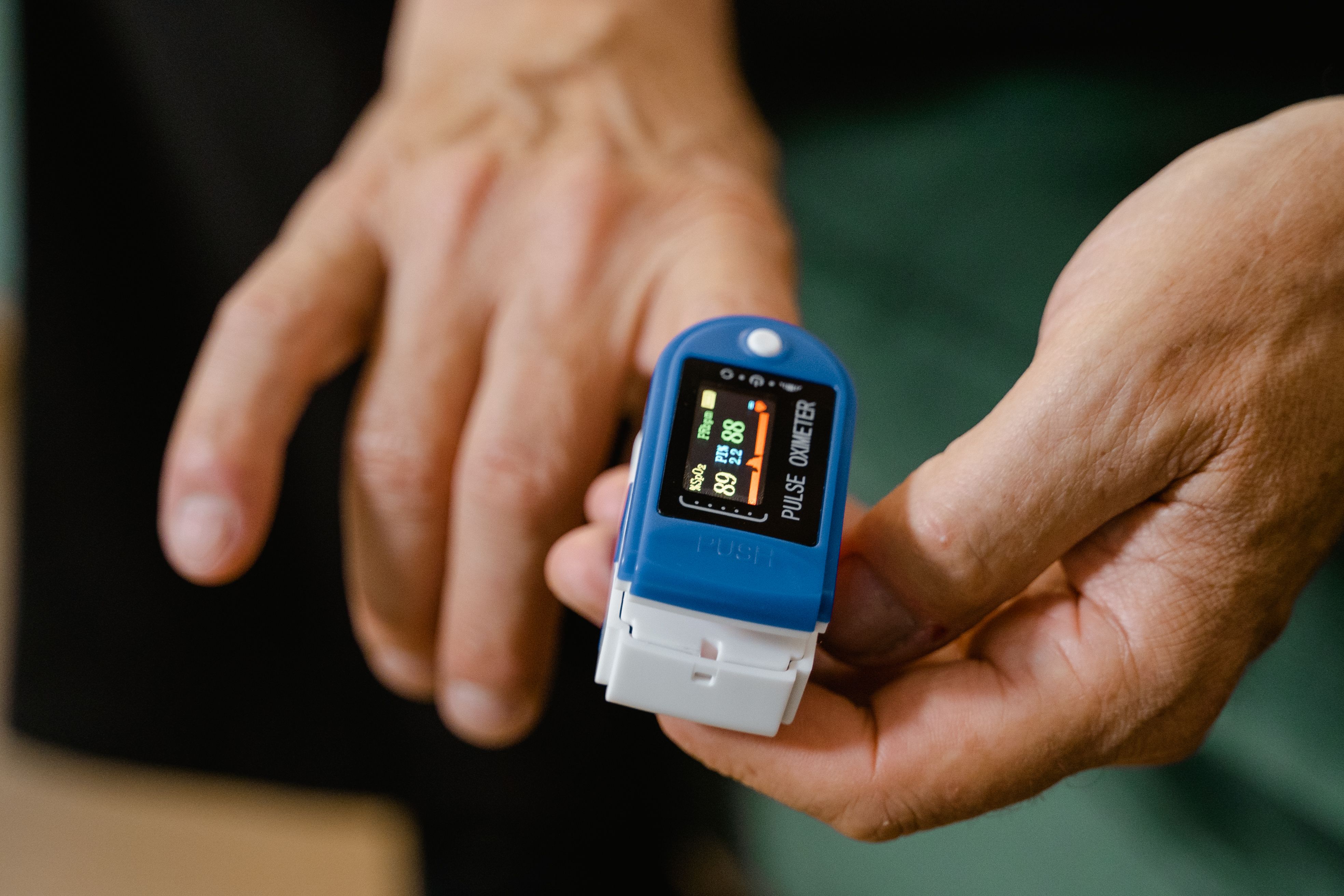
Daily challenges and sudden demands often trigger stress, which can actually sharpen our focus for a short time. When pressure continues over longer periods, though, it tends to drain our energy and make us feel less positive overall. By noticing the early signs of stress, you can take steps to address it before it becomes overwhelming. Many people experience headaches, feel more irritable than usual, or struggle to get a good night’s sleep when stress levels rise. Paying attention to these signals allows you to respond early and prevent stress from taking a bigger toll on your well-being.
These reactions result from your body’s “fight-or-flight” response. During that response, your heart rate and breathing speed up. Hormones like cortisol flood your bloodstream. While helpful in emergencies, repeated spikes harm your health over time.
- Emotional cues: feeling overwhelmed or restless
- Physical signals: muscle tension or upset stomach
- Cognitive issues: scattered thoughts or poor concentration
- Behavioral shifts: skipping meals or avoiding tasks
Breathing and Mindfulness Exercises
Controlling your breathing lowers stress hormones and clears your mind. You can practice these exercises anytime, anywhere, in less than five minutes. They calm your nervous system and improve concentration.
Try this simple routine when you notice tension building. You don’t need any equipment—just a quiet spot or your desk chair.
- Breathe in through your nose for four counts. Feel your chest expand.
- Hold your breath for two counts. Notice any tightness in your shoulders.
- Exhale through your mouth for six counts. Release built-up tension.
- Repeat this cycle five times, then return to your normal breathing.
Combine breathing with a quick body scan. Close your eyes and shift attention from your head to your toes. Pause at each area, relaxing any tight muscles.
Physical Activities to Reduce Stress
Moving regularly helps clear stress chemicals from your system and releases endorphins that lift your mood. You don’t need hours at the gym. Short bursts of exercise make a big difference.
Include these activities to break up long work sessions or transition from a busy day to evening relaxation.
- Take a brisk walk for 10 minutes around your block or office corridor
- Perform five minutes of static stretching, focusing on hips and shoulders
- Do two sets of 15 squats or wall push-ups to activate major muscle groups
- Engage in light yoga flow, such as downward dog to child's pose, for flexibility
Nutrition and Hydration Strategies
Food provides energy and influences brain chemistry. Certain nutrients help stabilize mood and boost energy. Not drinking enough water worsens tension and causes foggy thinking.
Keep these options available to regulate blood sugar and promote calmness.
- Eat leafy greens and berries rich in antioxidants for cellular repair
- Choose whole grains like oats or brown rice that release energy steadily
- Include fatty fish such as salmon for omega-3s that reduce inflammation
- Drink herbal teas (e.g., chamomile) to soothe your nervous system
- Drink plenty of water—aim for eight 8-ounce glasses daily
Avoid sugary snacks and excess caffeine later in the day. They cause rapid blood sugar fluctuations and interfere with sleep.
Sleep and Rest Techniques
Getting good rest resets your stress response and sharpens your focus. Adults should aim for 7 to 9 hours of sleep each night. Less sleep raises cortisol levels and increases reactivity.
Use these tips to improve your sleep onset and quality without medications or gadgets.
- Set a consistent bedtime and wake-up time, even during weekends
- Dim lights and turn off screens at least 30 minutes before sleeping
- Practice gentle stretches or the Philippine p.m. breathing technique before bed
- Keep your room cool, around 65°F
- Place a notepad by your bed to jot down racing thoughts
Creating a Daily Calm Routine
Building a routine turns small actions into long-term habits. Incorporate stress relief practices into your daily schedule to avoid feeling overwhelmed. Starting or ending your day with a ritual helps anchor your mood.
Adjust this plan to match your lifestyle and goals.
- 6:30 am: Spend five minutes on breathing exercises before breakfast
- 10:00 am: Take a quick stretch break with two wall push-ups
- 12:30 pm: Have a balanced lunch with lean protein and vegetables
- 3:30 pm: Enjoy green tea and go for a 10-minute walk outside
- 8:45 pm: Practice body scan meditation in bed for deep relaxation
Monitor your progress by keeping a simple journal or using apps like *Calm* or *Headspace*. Tracking your daily achievements increases motivation and keeps you consistent.
Managing stress through small steps helps you regain calm and improve your well-being. Recognize your triggers and use effective techniques to see positive changes quickly.