
How To Harness Digital Health Tools For Smarter Wellness Tracking
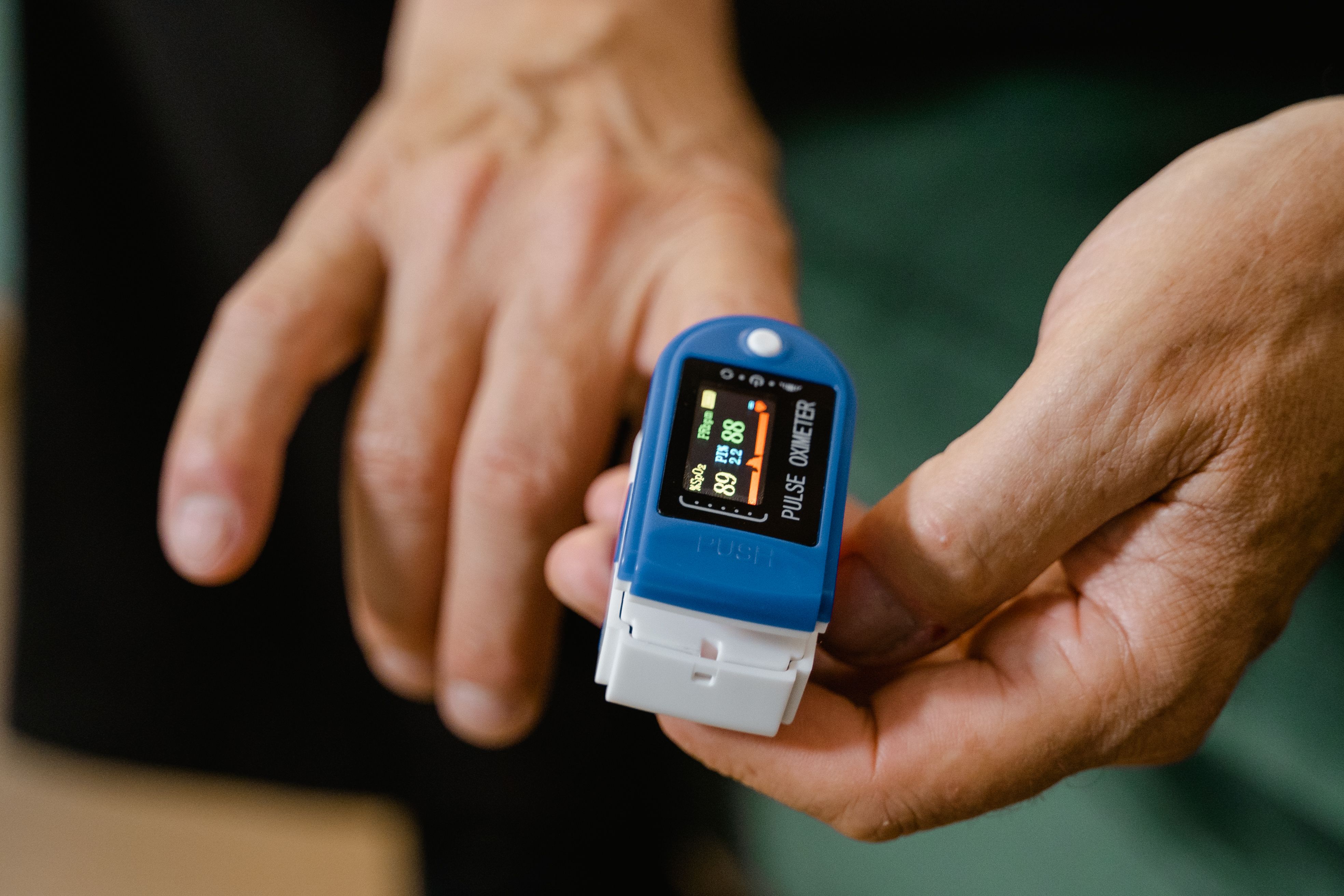
Modern apps and devices simplify the way people keep an eye on their health. These tools deliver instant updates on daily steps, sleep quality, meals, and even stress....
Jul 01, 2026



Restless nights keep you wide awake, counting the hours as they slowly pass. Thoughts swirl, making it nearly impossible to drift off, and when morning finally comes, exhaustion lingers. Fortunately, you can change this pattern by turning to easy, proven habits that support better sleep. By gradually introducing a few key changes into your evenings and following them consistently, you give your body and mind a chance to truly unwind. Over time, these small shifts build into a solid routine, helping you wake up energized and ready to start the day.
Sleep hygiene refers to the habits and conditions that support consistent, restorative slumber. Researchers define it as the collection of behaviors and environmental factors that set the stage for quality rest. Good sleep hygiene acts as a blueprint for your nightly routine.
Scientists associate better sleep hygiene with lower stress levels, sharper focus, and reduced health risks. For instance, a study published in the Journal of Clinical Sleep Medicine shows that simple habit changes can reduce the time it takes to fall asleep by up to 20 minutes. That means gaining valuable rest over weeks and months.
These habits lay the foundation for a healthier sleep pattern. You don't need perfection from the start. Choose one habit, master it, and then add the next.
Darkness sends a signal to your brain to produce melatonin, the hormone that makes you feel sleepy. Block out light with blackout curtains or an eye mask. Even small LED bulbs can disturb melatonin rhythms.
Noise interrupts deep sleep phases. White noise machines, a fan, or a smartphone app can mask sudden sounds like car horns or barking dogs. Keep the volume low so your brain hears a steady, calming hum rather than abrupt changes.
Temperature matters. Studies show that 65°F to 68°F (18.3°C to 20°C) helps most people fall asleep faster. Adjust your thermostat or add breathable bedding to maintain a cool, comfortable bed.
This sequence reinforces signals to your body: “It’s time to rest.” You'll notice that sleep becomes more predictable when you follow these rituals.
Stress ranks high among sleep troublemakers. If worries keep you tossing and turning, write them down in a “worry box” journal. Clear your mind by transferring tasks and concerns onto paper—then close the book.
Shift work can mess with sleep patterns. If your job rotates or runs overnight, use blackout tools and earplugs to create a cave-like bedroom. Block daytime noise with a thick door sweep or a white noise machine tuned to one consistent tone.
Restless legs syndrome affects about 7% of adults. Stretching, magnesium supplements, or a warm bath before bed can ease those tingling sensations. Check with a healthcare provider before adding any supplement.
*Magnetic blanket therapy* has gained attention for its gentle pressure, similar to a weighted blanket, which reduces anxiety and improves deep sleep by 15% in small trials. If you feel restless, adding this extra weight can send a calming signal to your body.
Sound therapy using binaural beats—two slightly different frequencies in each ear—can shift brainwaves toward a relaxed state. A 2021 study at *Stanford* shows that participants fell asleep 20% faster after an eight-minute binaural session.
Apply these targeted methods to improve your sleep and start your mornings energized. Focus on one habit at a time to see lasting results.
Modern apps and devices simplify the way people keep an eye on their health. These tools deliver instant updates on daily steps, sleep quality, meals, and even stress....
Jul 01, 2026

Staying energized each day depends on more than grabbing a cup of coffee. Your body relies on water to help cells convert nutrients into the fuel you need. When you...
Sep 04, 2026

Long hours at a desk often lead to stiff muscles and reduced blood flow. Taking a few minutes for stretch breaks throughout the day loosens your body and helps you feel...
Jun 10, 2026

Close relationships with friends, family, and neighbors can brighten our mood and support overall physical health. When people connect with others, the brain releases...
Jun 24, 2026

Taking a moment each day to reflect on your routines helps you understand which habits align with your health goals and which ones may hold you back. By asking yourself...
Aug 02, 2026

Finding a tool that seamlessly fits into your daily routine can make healthy habits easier to maintain. More than just counting steps or estimating calories, you deserve...
Aug 09, 2026

Managing healthcare often brings a mix of confusion and stress as you balance appointments, paperwork, and unfamiliar terms. Clear guidance helps you stay calm and make...
Jun 28, 2026

Small changes around your home can help reduce exposure to hidden chemicals without overwhelming your daily routine. Switching to gentler cleaning products, improving...
Jun 15, 2026

Busy workweeks often make it challenging to maintain healthy eating habits. As tasks build up and meetings fill your schedule, you might find yourself reaching for quick...
Aug 05, 2026

Plenty of runners find themselves going through the motions, checking off miles without really savoring the experience. Initial excitement often fades when running turns...
Aug 19, 2026

Building lasting bonds depends on thoughtful, everyday choices. You pick up on subtle shifts, like a dip in enthusiasm or when discussions feel less genuine. Noticing...
Aug 26, 2026
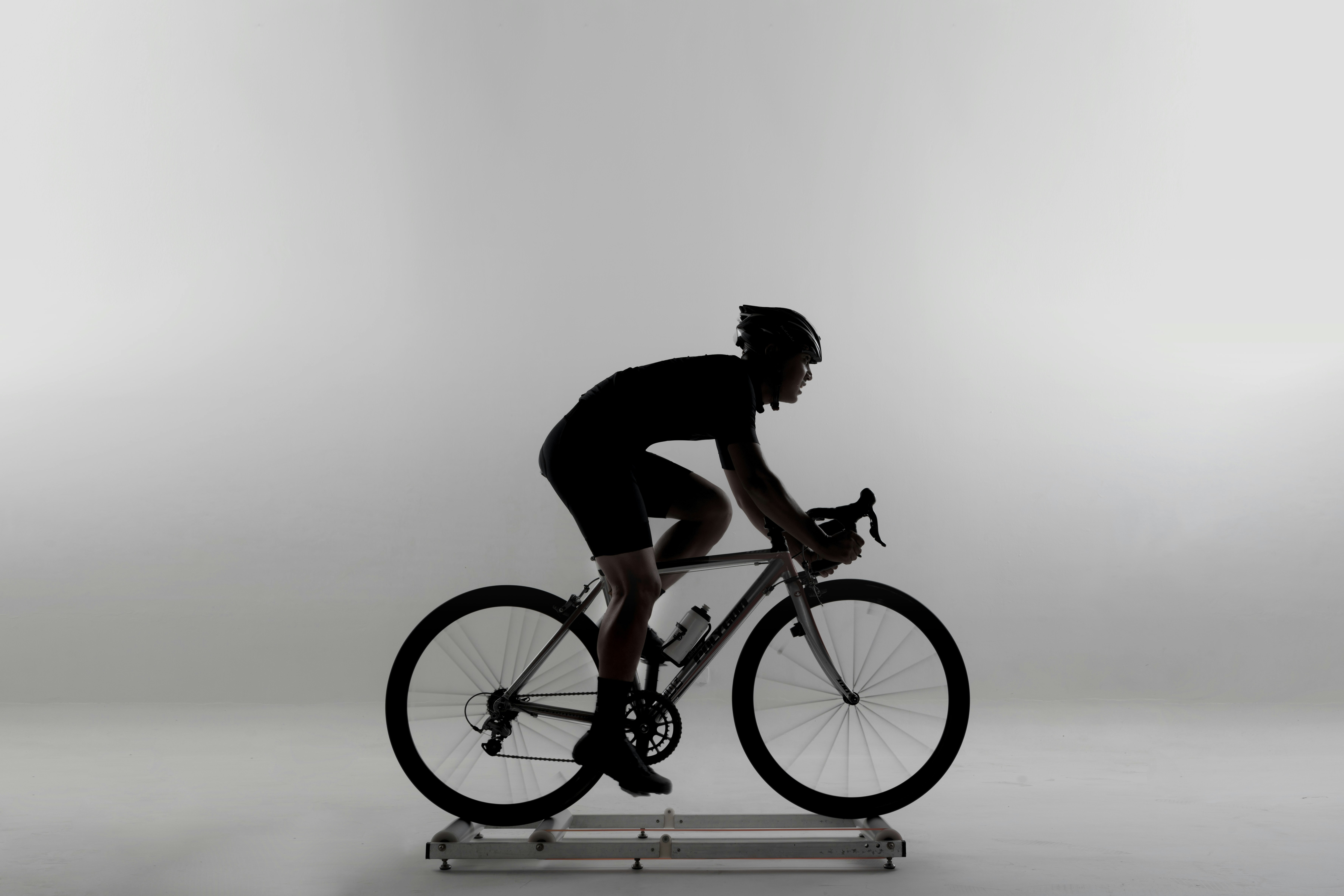
Riding a bike offers a practical way to improve both lung capacity and heart health, making it easier to handle everyday stress. Pedaling on a regular basis gives you a...
Jul 15, 2026

Developing mental strength requires dedication, patience, and the right resources to help you stay on track. Personal development courses provide structured support,...
Sep 16, 2026

Recovering from an injury often means finding new ways to keep your body moving while protecting the area that needs time to heal. When you deal with a sore knee, a...
Jun 02, 2026