
The Most Effective Group Fitness Challenges for Habit Formation
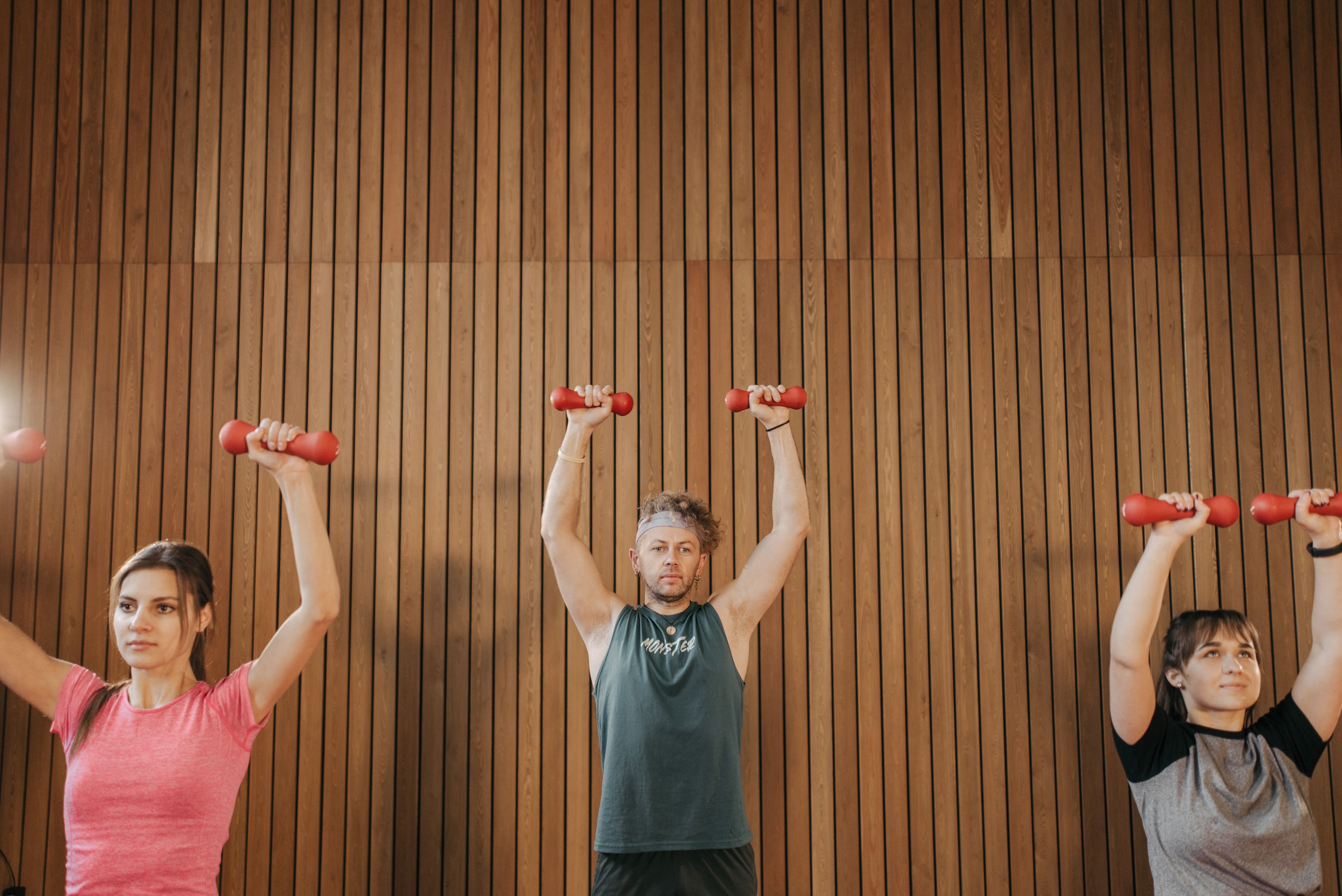
Group fitness challenges bring people together and make building new exercise habits more enjoyable. Sharing workouts with others who have similar fitness goals creates...
Jul 21, 2026



Friendly gatherings create new opportunities for building emotional well-being. When individuals join guided sessions, workshops, or supportive circles, they often feel valued and understood. Each event introduces helpful resources that encourage resilience and brighten outlooks. Engaging with others in real time strengthens trust, increases self-assurance, and helps ease feelings of loneliness. Participants share experiences, offer encouragement, and form connections that support their overall mental health. Through these meaningful interactions, people discover practical ways to handle challenges, celebrate progress, and enjoy a sense of belonging within the group. Every gathering opens the door to deeper connection and personal growth.
Working with a group adds accountability. You push through tough moments because you know others count on you. Small wins in a friendly setting become big steps toward lasting balance and calm. That shift from solo struggles to shared growth shapes a more stable mindset.
Feeling emotionally balanced means you stay steady, energized, and capable of handling everyday ups and downs. When you recognize your emotions clearly, you respond rather than react. This self-awareness creates a foundation for healthier choices.
Key parts include:
Events differ in format, length, and focus. You can choose a format that fits your schedule and interests. Combining different styles keeps the experience engaging.
Identify your main goal before signing up. Are you looking for stress relief, better focus, or stronger bonds? Knowing your aim helps you tailor your effort and notice progress more quickly.
Prepare any necessary supplies beforehand. For art meetups, have a simple sketch pad and pens ready. For movement labs, clear a small space and keep water nearby.
Reserve full time slots on your calendar. Treat each event as an important appointment. This commitment helps you attend regularly and get the most out of group interactions.
Take quick notes during sessions. Write down one or two key points to revisit later. Going over these helps reinforce new habits.
Select one or two metrics that matter most to you. You could track nightly sleep quality, mood scores on a scale of 1–5, or weekly social check-ins. Recording these focuses on change.
Spend five minutes each Sunday reviewing your progress. Check off achievements and note obstacles. This practice improves self-awareness and indicates where to make adjustments in upcoming sessions.
Use a color-coded chart or a habit-tracking app. Visual cues highlight trends. When you see improvement, it keeps you motivated. If you notice dips, you can adjust your approach quickly.
Hitting obstacles is normal—fatigue, busy schedules, or self-doubt may appear. Here are ways to keep moving forward:
Turn small event insights into quick daily practices. Take a two-minute breathing break while waiting for coffee to brew. Use grounding prompts during chores to stay present.
Combine social meetups with errands. Schedule a quick check-in call with a peer circle member during a walk to the store. This way, you connect emotional boosts to routine tasks.
Set themes for each month. Focus April on energy-boosting exercises, May on expressing yourself through art, and June on emotional check-ins during digital streams. Clear themes encourage consistency and results.
Check local or online event calendars and save recurring slots. Seeing the same event weekly helps you establish a routine that lasts.
Participating in these sessions leads to real changes in how you handle stress and build resilience. By choosing formats you enjoy and tracking clear results, you’ll see steady progress. Keep trying new approaches, make adjustments, and celebrate each achievement.
Attend regularly, share honestly, and rely on the group. You will find new tools, feel more balanced, and see a clearer path forward.
Group fitness challenges bring people together and make building new exercise habits more enjoyable. Sharing workouts with others who have similar fitness goals creates...
Jul 21, 2026

Developing mental strength requires dedication, patience, and the right resources to help you stay on track. Personal development courses provide structured support,...
Sep 16, 2026

Regular health checkups offer significant benefits by helping you spot potential problems before they become serious. By choosing screenings that fit your age,...
May 23, 2026

Riding a bike offers a practical way to improve both lung capacity and heart health, making it easier to handle everyday stress. Pedaling on a regular basis gives you a...
Jul 15, 2026

Recovering from an injury often means finding new ways to keep your body moving while protecting the area that needs time to heal. When you deal with a sore knee, a...
Jun 02, 2026
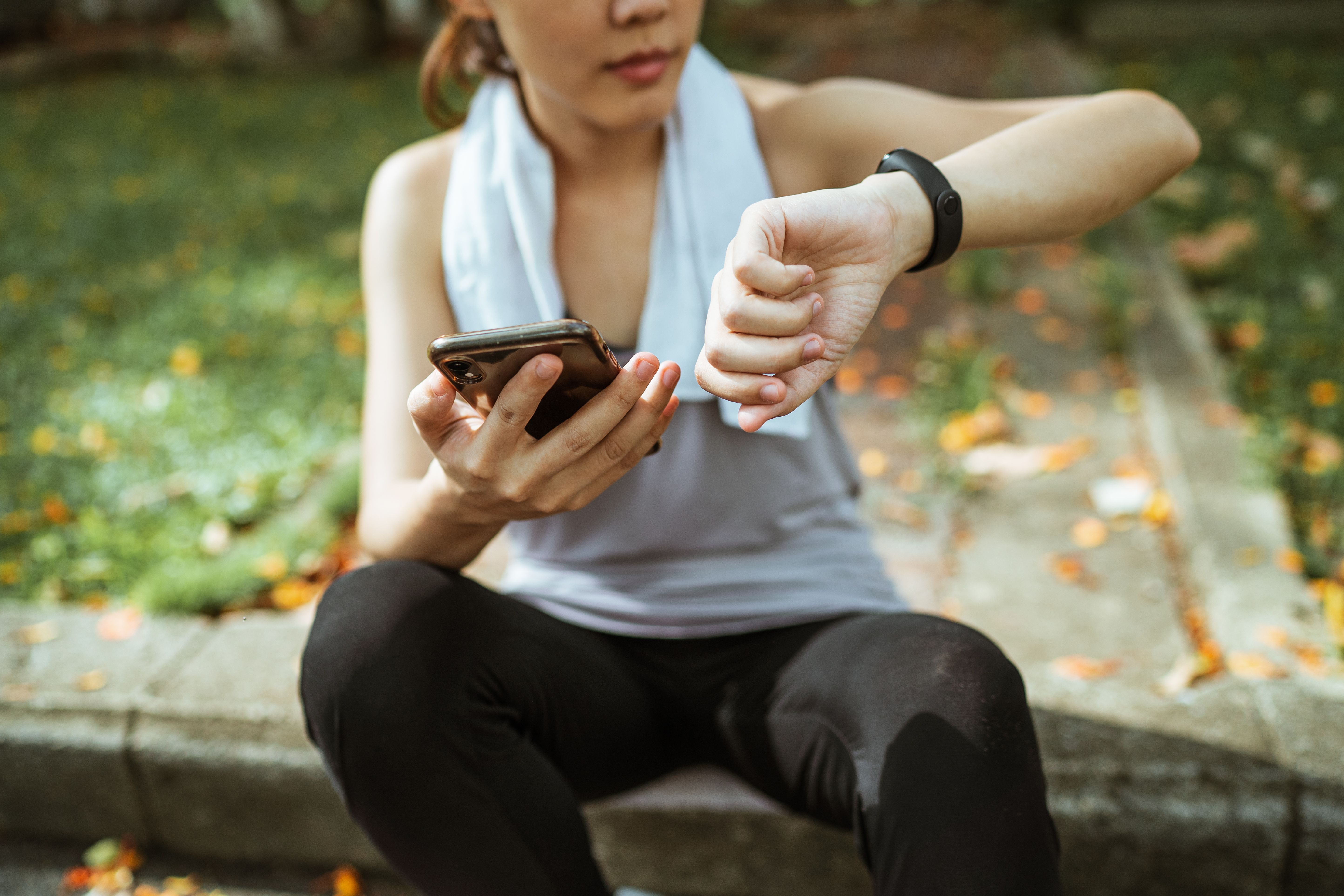
Finding a tool that seamlessly fits into your daily routine can make healthy habits easier to maintain. More than just counting steps or estimating calories, you deserve...
Aug 09, 2026

Starting your day with a reliable morning routine can make a big difference in how energized and alert you feel. Choose a wake-up time and stick to it each day to give...
Jul 05, 2026

Fresh sneakers on your feet and a new field or court ahead bring a sense of excitement and anticipation. Many people who join a league feel curious and slightly nervous...
Jun 06, 2026
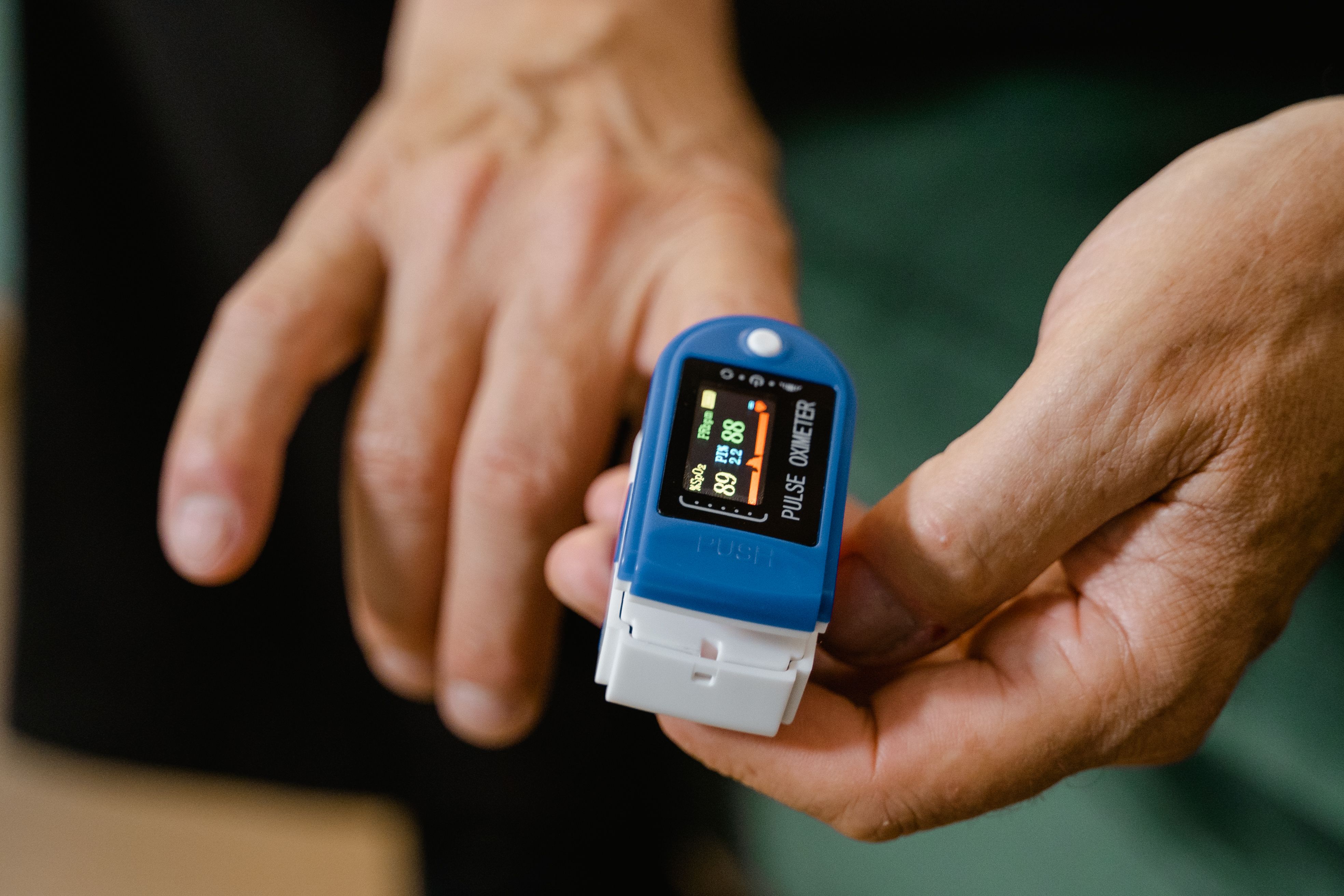
Modern apps and devices simplify the way people keep an eye on their health. These tools deliver instant updates on daily steps, sleep quality, meals, and even stress....
Jul 01, 2026
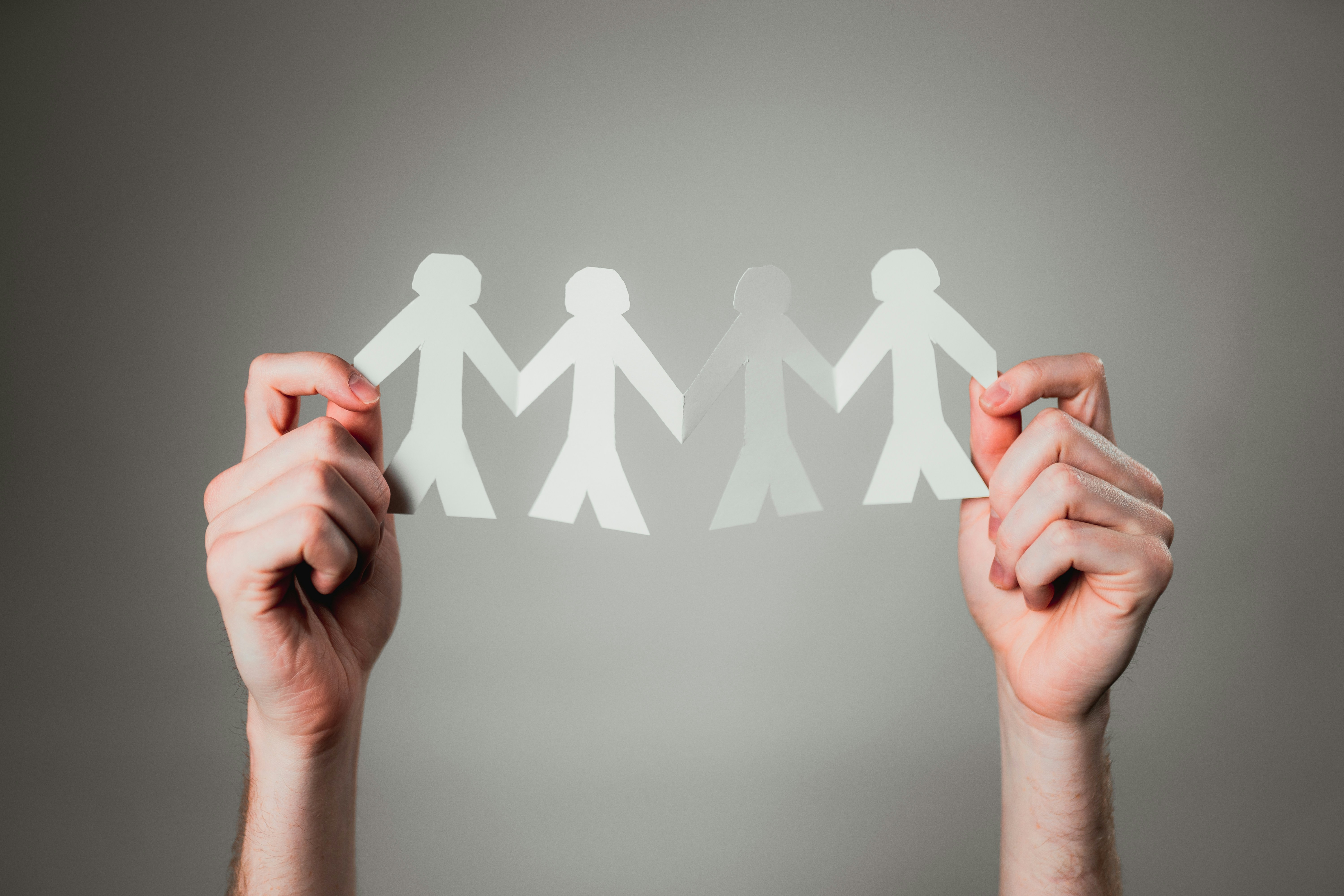
Close relationships with friends, family, and neighbors can brighten our mood and support overall physical health. When people connect with others, the brain releases...
Jun 24, 2026

Plenty of runners find themselves going through the motions, checking off miles without really savoring the experience. Initial excitement often fades when running turns...
Aug 19, 2026
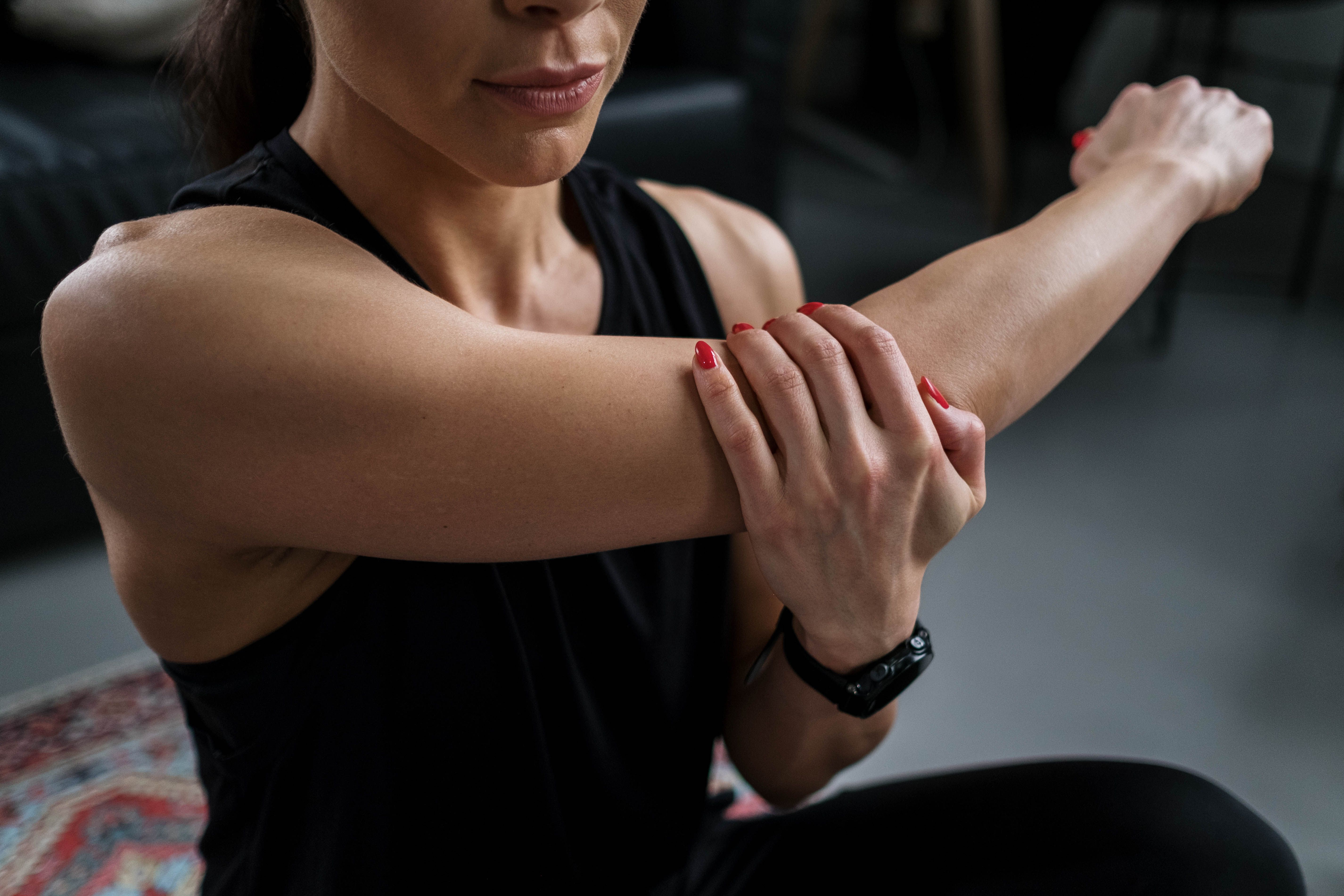
Daily routines often become more challenging when your joints feel stiff and uncooperative. Keeping your body moving with consistent mobility exercises helps you stay...
Aug 16, 2026

Everyday movements, such as lifting grocery bags, carrying children, or pushing open a heavy door, draw from the same strength and motion patterns you develop during...
Aug 22, 2026

Managing healthcare often brings a mix of confusion and stress as you balance appointments, paperwork, and unfamiliar terms. Clear guidance helps you stay calm and make...
Jun 28, 2026