
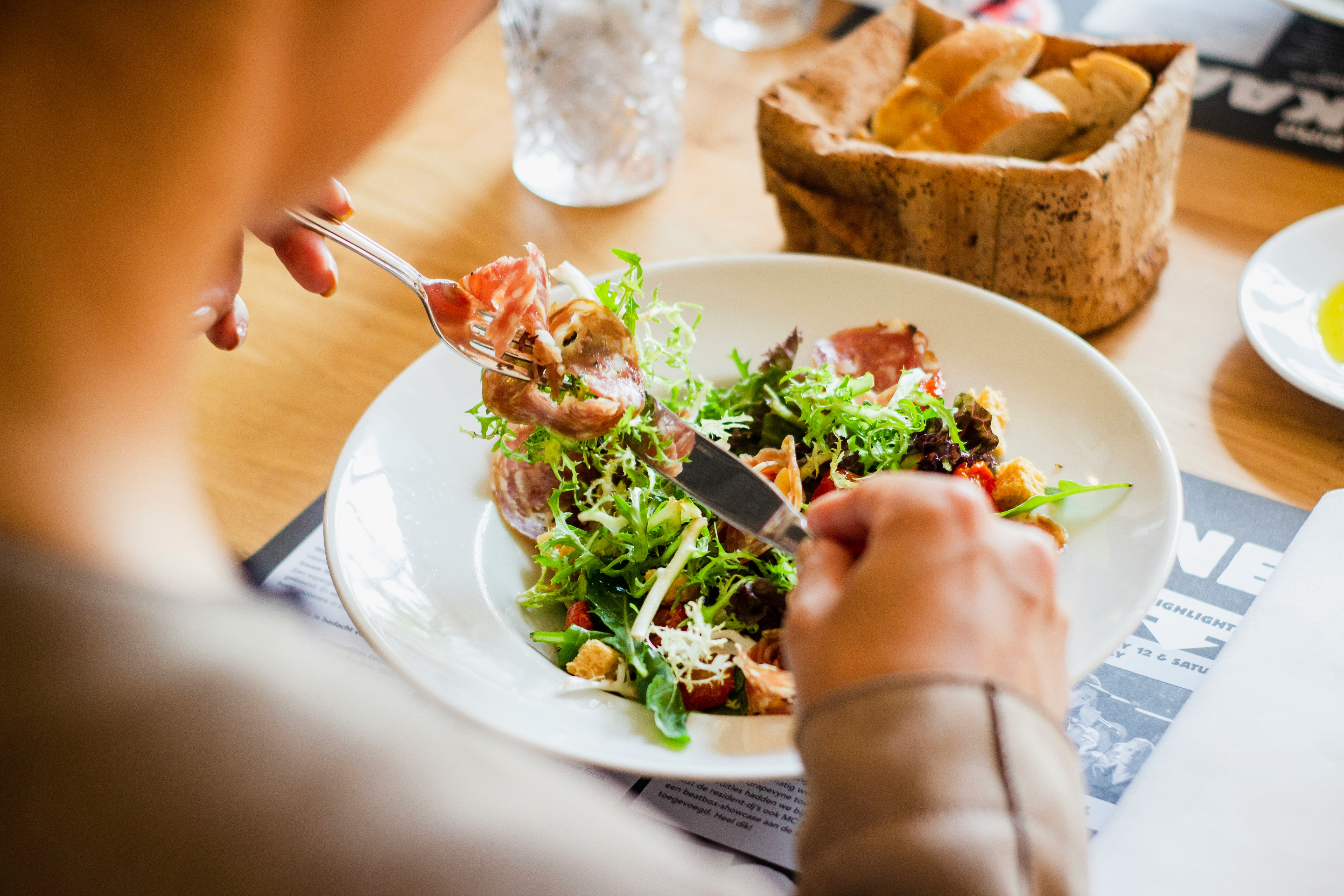
The Best Dining Out Strategies for Maintaining Balanced Nutrition
Restaurant meals can fit into your healthy lifestyle with a bit of planning and awareness. You will find plenty of ways to enjoy delicious food while keeping your...
Jul 29, 2026



Many people look for ways to save money while still enjoying nutritious meals. By joining cooking classes paired with budgeting sessions, you can discover new ways to plan affordable, healthy dishes at home. These classes help you identify wholesome ingredients that fit your budget, giving you the confidence to make better choices at the grocery store. With practical tips and hands-on experience, you will see how cooking at home and managing expenses can go hand in hand. This approach makes it possible to enjoy delicious, nourishing meals while keeping your spending under control.
Workshops blend hands-on cooking with clear spending guidelines. Hands-on practice reinforces new habits. Clear budgeting techniques keep dollars on track. Together, they reshape routines around affordable, wholesome meals.
Picking up knife skills and price-check habits in a single workshop boosts confidence in the kitchen and at the checkout. You will learn how to read price tags fast. You will also master time-saving cooking hacks that cut both prep time and waste.
Data shows 65% of workshop participants stick to healthier meal plans three months after class. They also report saving an average of 15% on grocery bills. Merging these lessons creates lasting change in spending and eating habits.
This list keeps items organized by category and urgency. Group fresh produce together, then proteins, grains, and extras last. A clear layout speeds up shopping and stops impulse buys.
Before heading out, set a maximum spend for each section. That plan holds you accountable. Review any sale items to see if they fit your meal plan.
These tactics speed up your trip and lower your average spend per visit. You will walk out with high-quality items and more room in your wallet.
Keep a running tally on your phone’s note app as you add items. This real-time record helps you avoid exceeding your budget.
Mix and match proteins and spices to keep meals fresh. Cook large batches on Sundays to save time on busy weeknights.
Flash-freeze leftovers in single servings. You prevent waste and gain quick lunches or dinners.
Offer hybrid workshop sessions that combine in-person cooking labs with live video budgeting lessons. Send participants a digital workbook before each session. It outlines recipes, shopping lists, and cost-tracking templates.
Encourage small group work for real-time feedback. Mix teams by skill level so beginners learn tips from more experienced cooks. End each session with a quick grocery store visit or live tour of online shopping platforms.
Set clear goals for each meeting. For example: “This week, we will master three stir-fry variations under $5 per serving.” Track progress through shared spreadsheets or group chats. Celebrate wins when someone hits their saving target or improves a knife skill.
Gather feedback with short surveys after each module. Ask which cooking techniques helped most and which budgeting tips stuck. Use that data to improve future sessions.
Pairing meal planning and money management helps you save on groceries and makes meal prep easier. Join a workshop near you or online to improve how you shop and cook.
Restaurant meals can fit into your healthy lifestyle with a bit of planning and awareness. You will find plenty of ways to enjoy delicious food while keeping your...
Jul 29, 2026

Finding a tool that seamlessly fits into your daily routine can make healthy habits easier to maintain. More than just counting steps or estimating calories, you deserve...
Aug 09, 2026

Starting your day with a reliable morning routine can make a big difference in how energized and alert you feel. Choose a wake-up time and stick to it each day to give...
Jul 05, 2026

Taking a moment each day to reflect on your routines helps you understand which habits align with your health goals and which ones may hold you back. By asking yourself...
Aug 02, 2026

Interactive workshops combine emotional understanding with hands-on activities to help people build mental resilience. Attendees engage in exercises designed to sharpen...
Aug 12, 2026
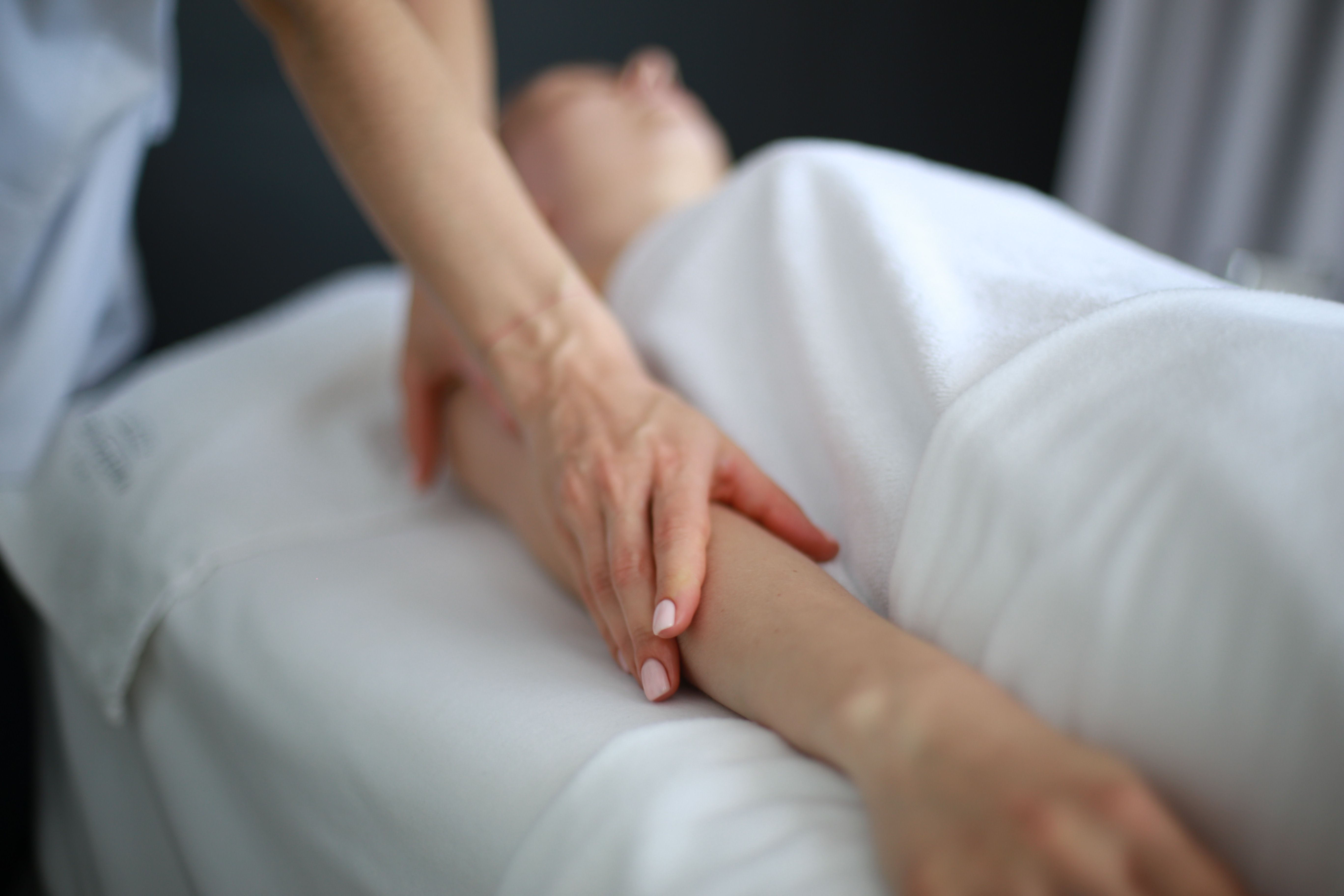
Seasonal changes bring new opportunities to refresh your health habits and keep your routine exciting. As the calendar shifts, you can find inspiration in the unique...
Jul 24, 2026

Developing mental strength requires dedication, patience, and the right resources to help you stay on track. Personal development courses provide structured support,...
Sep 16, 2026

Setting up a home that supports both physical health and mental well-being begins with thoughtful planning. The way you arrange your furniture, select colors, and...
Aug 31, 2026
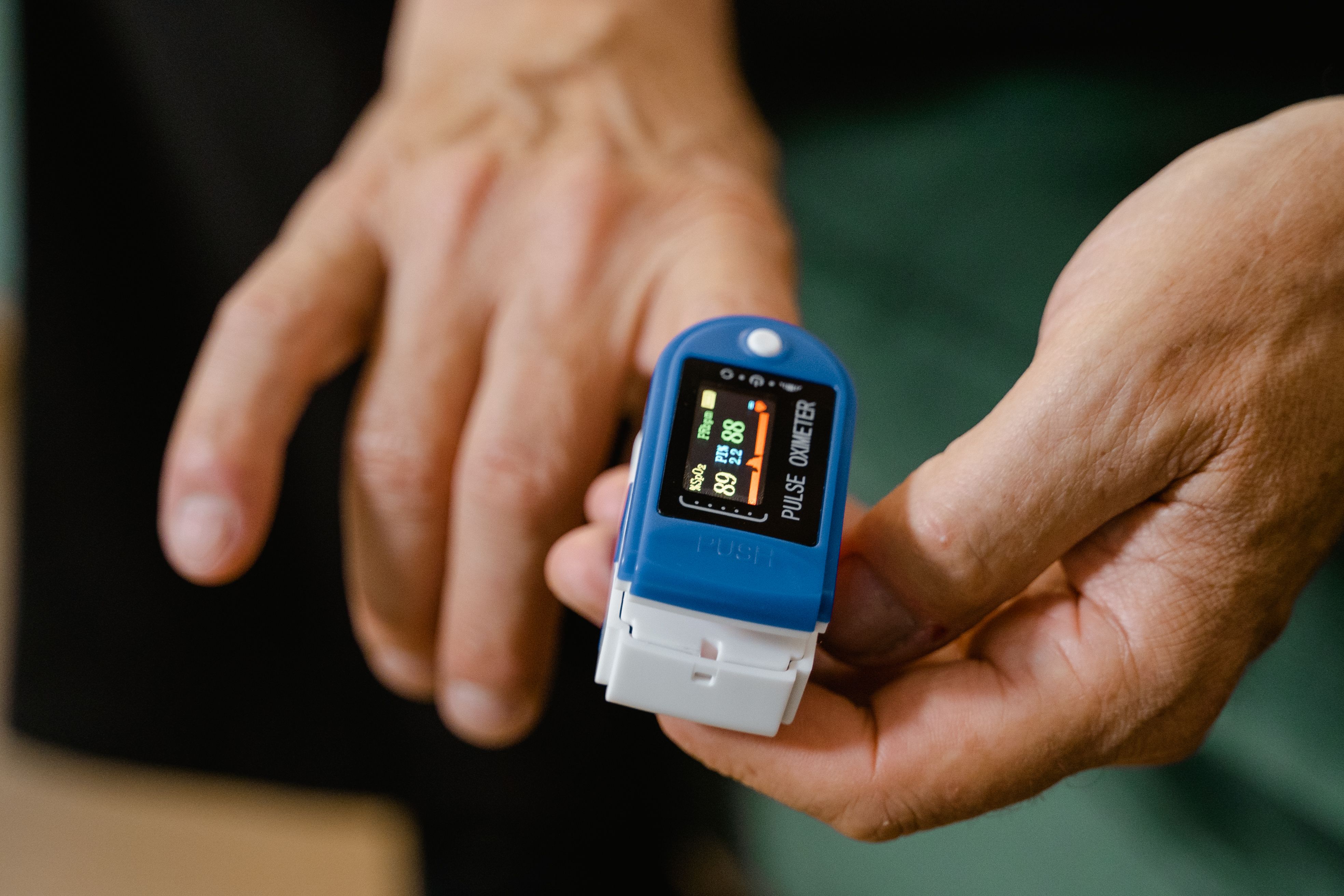
Modern apps and devices simplify the way people keep an eye on their health. These tools deliver instant updates on daily steps, sleep quality, meals, and even stress....
Jul 01, 2026

Recovering from an injury often means finding new ways to keep your body moving while protecting the area that needs time to heal. When you deal with a sore knee, a...
Jun 02, 2026
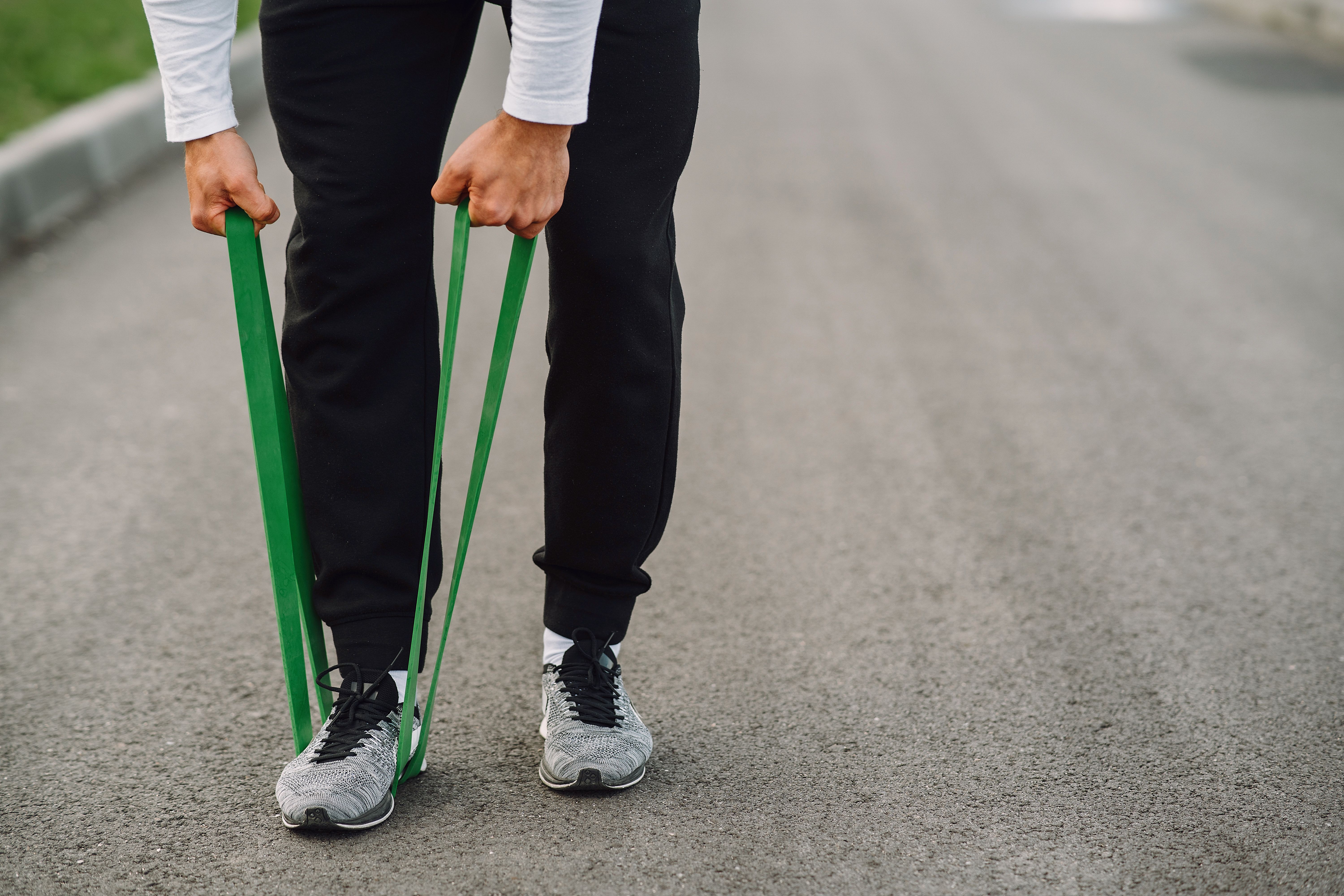
Resistance bands offer an effective way to build strength and increase flexibility without the need for heavy equipment. Their compact size means you can store them in a...
Jul 10, 2026

Group fitness challenges bring people together and make building new exercise habits more enjoyable. Sharing workouts with others who have similar fitness goals creates...
Jul 21, 2026

Plenty of runners find themselves going through the motions, checking off miles without really savoring the experience. Initial excitement often fades when running turns...
Aug 19, 2026

Everyday movements, such as lifting grocery bags, carrying children, or pushing open a heavy door, draw from the same strength and motion patterns you develop during...
Aug 22, 2026