

7 Secrets To Planning Balanced Meals For Hectic Workweeks
Busy workweeks often make it challenging to maintain healthy eating habits. As tasks build up and meetings fill your schedule, you might find yourself reaching for quick...
Aug 05, 2026



Unexpected medical expenses often appear after a checkup, test, or therapy session, leaving you with more bills than anticipated. These costs can feel overwhelming and difficult to track. Creating a clear plan helps bring order to the confusion. By reviewing your healthcare needs and setting practical financial goals, you take charge of your situation. Understanding where costs may arise allows you to prepare in advance and avoid unpleasant surprises. With a strategy in place, you can address gaps in your coverage, monitor your spending, and make confident decisions about your health and finances.
Planning your typical medical spending prevents surprises. Begin with your statements and receipts from the past year. Group costs by category. This helps you understand where your money goes.
Common expenses include:
Identify areas where your spending spikes. An annual dental cleaning may cost $200, while a root canal could reach $1,000. Recognizing these differences helps you set more accurate goals.
Developing a budget in four steps keeps you organized. You move from guesswork to a clear plan. Aim to review and adjust it each quarter.
Handling each monthly checkup early prevents last-minute scrambling. When you set aside $150 a month for prescriptions, you prevent draining other savings. This consistent habit adds up to $1,800 annually.
Keep track of your spending using a simple spreadsheet or budgeting app. Record each co-pay and lab fee. Monitoring these figures allows you to react before overspending your budget.
Insurance plans differ greatly. You need to understand what your plan covers. Find your plan handbook or log into your insurer’s portal. Review their policy details.
Look for ways to lower your out-of-pocket costs:
Company wellness programs sometimes offer discounts on gym memberships or health coaching. If you see *Kaiser Permanente* or *Blue Cross Blue Shield* in your network, explore their online tools for extra savings. These platforms often include free health webinars and virtual check-ins.
A dedicated fund protects you from large, one-time expenses. Aim to cover three to six months of medical costs. That cushion helps you stay steady even during tough times.
Set small goals to reach that amount:
You might start with just $300. As you reach milestones, you gain confidence and build your reserve. When a surprise MRI costs $700, you can use your savings instead of relying on a high-interest credit card.
Utilizing special accounts reduces your after-tax costs. A *Health Savings Account* (HSA) allows you to set aside pre-tax dollars for medical expenses. You qualify if you have a high-deductible health plan.
An HSA can grow if you invest it. The interest and gains stay tax-free when you spend on qualified medical costs. For 2023, the IRS permits up to $3,850 in contributions for individuals and $7,750 for families.
You can also choose a *Flexible Spending Account* (FSA). It works like an HSA, but you must spend the funds within the plan year. A typical employer plan caps at $3,050. This account covers childcare, dental care, and some over-the-counter items.
After creating your budget, setting up your savings, and exploring tax tools, you need to monitor your progress. Review your budget each month. Adjust it if you notice changes in how often you need care or in costs.
Regular reviews enable quick adjustments:
Set up alerts from your banking app to flag large withdrawals. Keep an eye out for billing errors—studies show that one in five medical bills contains mistakes. Detecting a duplicate charge of $500 can save you a lot of trouble.
Good financial planning for healthcare protects your savings and allows you to focus on wellness without financial worries. Proper planning ensures peace of mind and financial security.
Busy workweeks often make it challenging to maintain healthy eating habits. As tasks build up and meetings fill your schedule, you might find yourself reaching for quick...
Aug 05, 2026

Riding a bike offers a practical way to improve both lung capacity and heart health, making it easier to handle everyday stress. Pedaling on a regular basis gives you a...
Jul 15, 2026

Restaurant meals can fit into your healthy lifestyle with a bit of planning and awareness. You will find plenty of ways to enjoy delicious food while keeping your...
Jul 29, 2026
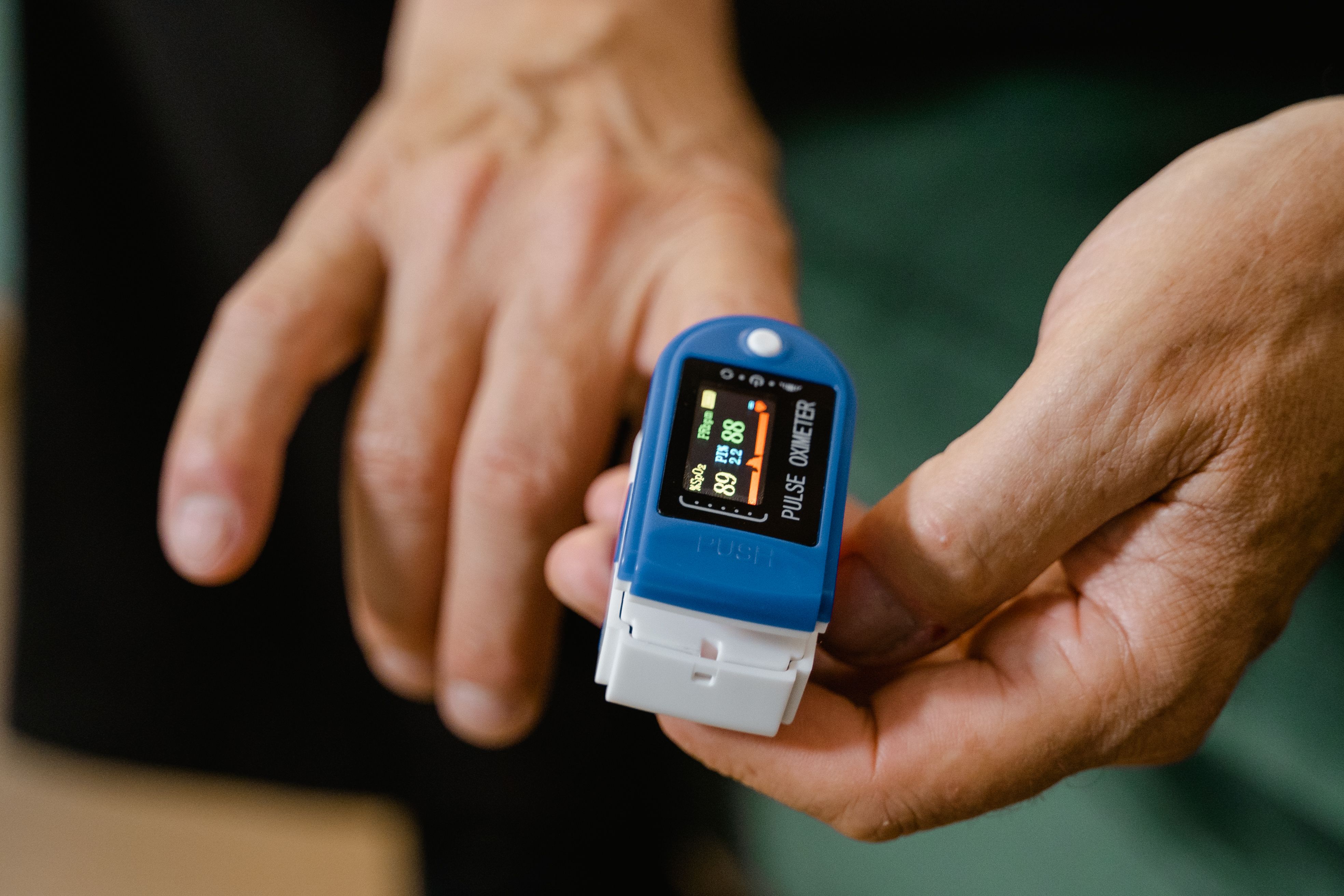
Modern apps and devices simplify the way people keep an eye on their health. These tools deliver instant updates on daily steps, sleep quality, meals, and even stress....
Jul 01, 2026

Finding a tool that seamlessly fits into your daily routine can make healthy habits easier to maintain. More than just counting steps or estimating calories, you deserve...
Aug 09, 2026

Fresh sneakers on your feet and a new field or court ahead bring a sense of excitement and anticipation. Many people who join a league feel curious and slightly nervous...
Jun 06, 2026

Recovering from an injury often means finding new ways to keep your body moving while protecting the area that needs time to heal. When you deal with a sore knee, a...
Jun 02, 2026

Starting your day with a reliable morning routine can make a big difference in how energized and alert you feel. Choose a wake-up time and stick to it each day to give...
Jul 05, 2026

Plenty of runners find themselves going through the motions, checking off miles without really savoring the experience. Initial excitement often fades when running turns...
Aug 19, 2026

Group fitness challenges bring people together and make building new exercise habits more enjoyable. Sharing workouts with others who have similar fitness goals creates...
Jul 21, 2026

Attending an interactive webinar focused on preventing chronic conditions offers a valuable chance to discover practical ways to lower blood pressure, maintain healthy...
Sep 12, 2026

Daily routines often become more challenging when your joints feel stiff and uncooperative. Keeping your body moving with consistent mobility exercises helps you stay...
Aug 16, 2026

Long hours at a desk often lead to stiff muscles and reduced blood flow. Taking a few minutes for stretch breaks throughout the day loosens your body and helps you feel...
Jun 10, 2026

Everyday movements, such as lifting grocery bags, carrying children, or pushing open a heavy door, draw from the same strength and motion patterns you develop during...
Aug 22, 2026