

How to Join Sports Leagues as a Complete Beginner and Have Fun
Fresh sneakers on your feet and a new field or court ahead bring a sense of excitement and anticipation. Many people who join a league feel curious and slightly nervous...
Jun 06, 2026



Building relationships with others brings a sense of joy and can brighten your day. Simple moments, like sharing a cup of coffee, exchanging smiles, or chatting after a long day, help break up the routine and create positive memories. Making time for these social interactions allows your brain to release feel-good chemicals that reduce stress and promote a sense of well-being. Whether you connect with friends, family, or colleagues, these everyday experiences add meaning to life and help you feel more grounded. Enjoying the company of others not only lifts your spirits but also supports your emotional health in lasting ways.
Often, people looking to improve well-being focus on diet or exercise. They overlook how strong ties with friends, neighbors and colleagues strengthen resilience. A small habit—sending a quick message or joining a local group—can shift daily life from lonely to lively.
When you spend time with someone you trust, your body produces oxytocin, a hormone linked to calm, friendly feelings. Research shows that adults who report regular social contact have lower blood pressure and fewer mental health struggles. A 2018 survey found that 60% of participants with weekly gatherings rated their life satisfaction as high.
Connections also influence healthy habits. Friends tend to encourage each other to stay active or choose balanced meals. When you see a buddy hitting the gym or packing veggies, you’re more likely to do the same. Small shifts add up when you build routines around real people.
Stepping out of your comfort zone can feel awkward at first. Focus on simple, low-pressure settings where conversation flows naturally. A change in routine often leads to new faces and fresh spark.
Maintaining closeness requires a little planning. Block off a weekly time slot to call or meet an old friend. Small rituals—like a monthly brunch or a regular coffee break—show you care and give you both something to look forward to.
Active listening doubles the value of any catch-up. Ask open questions such as, “What’s been on your mind lately?” Then resist the urge to interrupt. When you show genuine interest, your friend feels respected and understood, deepening your bond.
Busyness, fear of rejection or uncertainty about where to meet people can stall progress. Tackling each hurdle one step at a time brings success. Here’s a simple sequence:
Breaking down challenges this way makes each step feel doable.
Once you connect, keep momentum by giving back. Peer-led groups and local volunteer programs offer a two-way benefit: you contribute to community well-being and reinforce your own support network. Regular involvement cements relationships and keeps you active.
Look for chances to mix social time with healthy habits. Try a weekend cycling club that ends with a picnic, or a cooking circle focused on nourishing meals. When exercise and nutrition meet fellowship, you build multiple layers of wellness.
Keeping a simple journal that notes each social activity and your feelings afterward helps you see real steps forward. Over weeks, you’ll notice patterns: which events energize you and which connections bring peace.
Set clear goals, such as making one new contact per month or organizing two group outings in six weeks. Checking off these goals encourages further effort. If you slip, revisit your plan and adjust times or formats until you find what works best.
Building social ties improves your mood, health, and satisfaction. Begin with small steps and stay consistent to strengthen your circle and resilience.
Fresh sneakers on your feet and a new field or court ahead bring a sense of excitement and anticipation. Many people who join a league feel curious and slightly nervous...
Jun 06, 2026

Taking a moment each day to reflect on your routines helps you understand which habits align with your health goals and which ones may hold you back. By asking yourself...
Aug 02, 2026

Plenty of runners find themselves going through the motions, checking off miles without really savoring the experience. Initial excitement often fades when running turns...
Aug 19, 2026
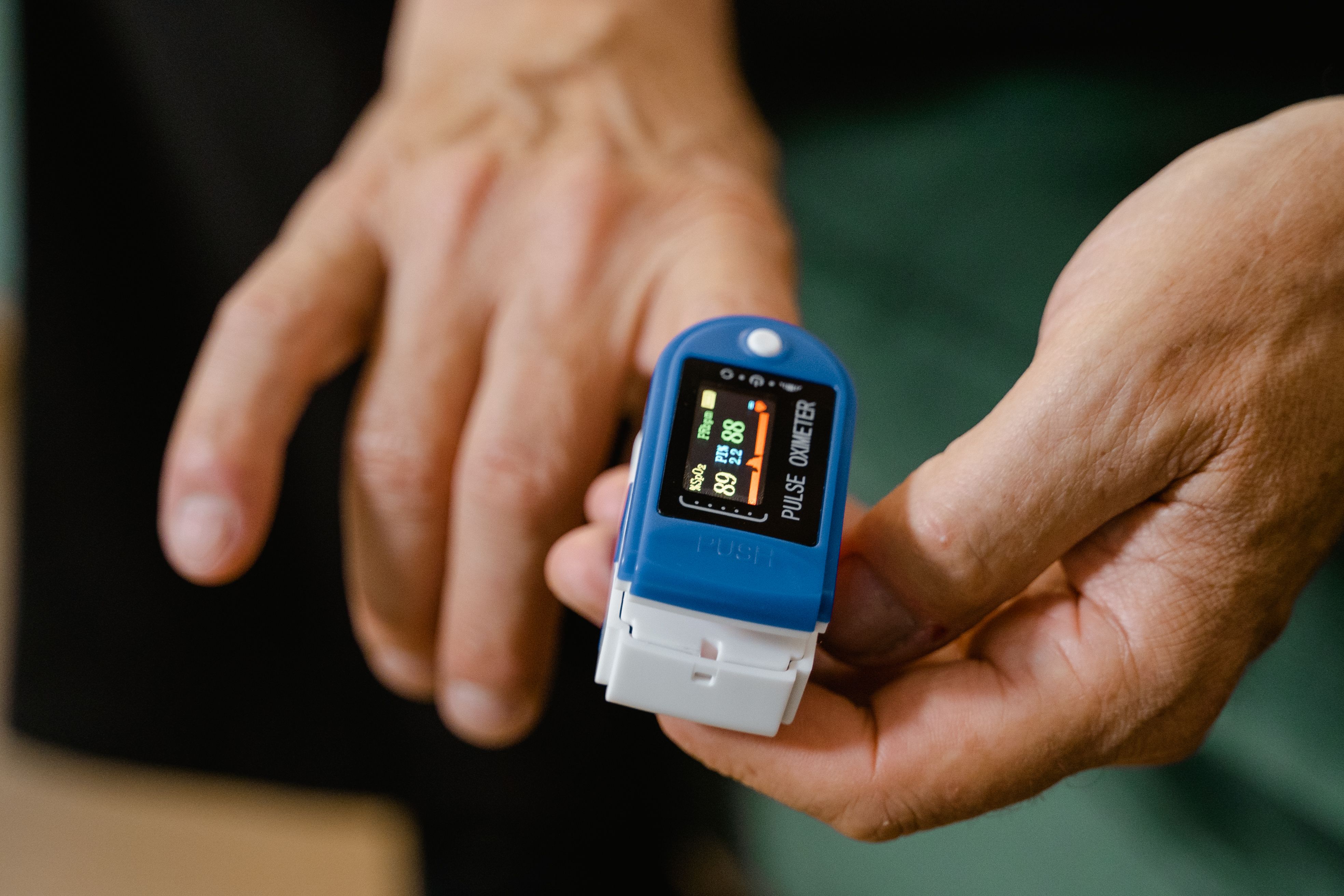
Modern apps and devices simplify the way people keep an eye on their health. These tools deliver instant updates on daily steps, sleep quality, meals, and even stress....
Jul 01, 2026

Developing mental strength requires dedication, patience, and the right resources to help you stay on track. Personal development courses provide structured support,...
Sep 16, 2026
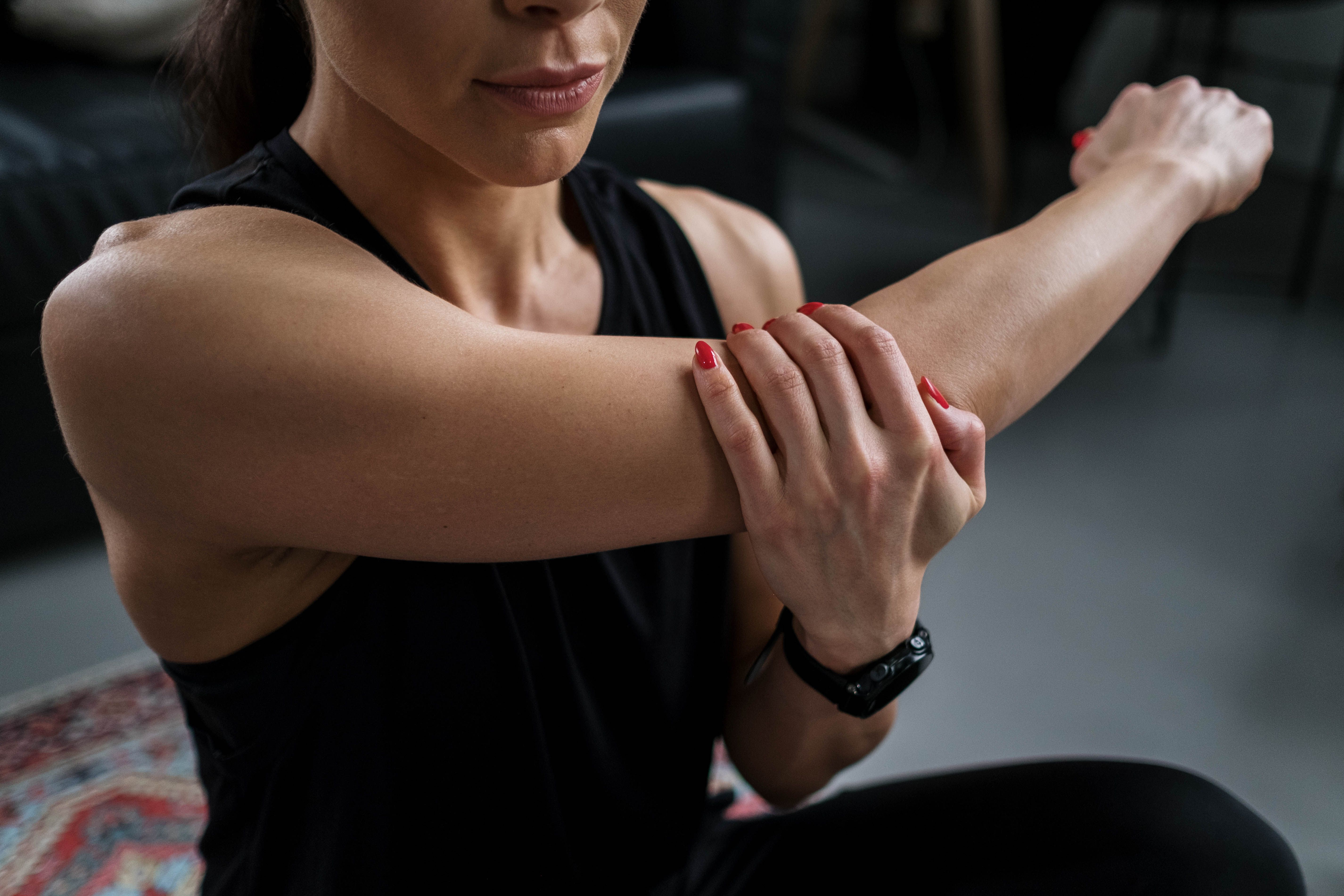
Daily routines often become more challenging when your joints feel stiff and uncooperative. Keeping your body moving with consistent mobility exercises helps you stay...
Aug 16, 2026

Seasonal changes bring new opportunities to refresh your health habits and keep your routine exciting. As the calendar shifts, you can find inspiration in the unique...
Jul 24, 2026

Riding a bike offers a practical way to improve both lung capacity and heart health, making it easier to handle everyday stress. Pedaling on a regular basis gives you a...
Jul 15, 2026
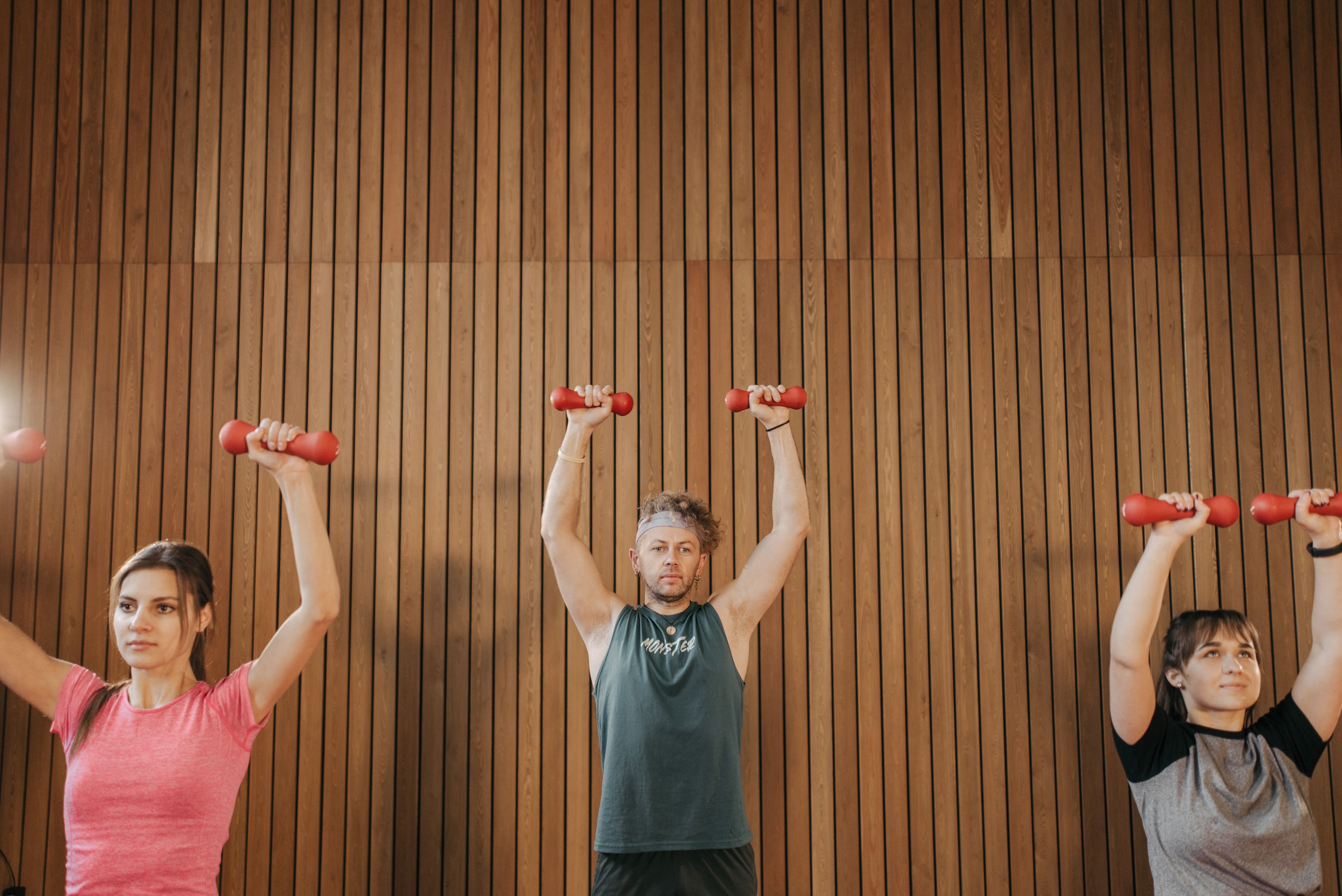
Group fitness challenges bring people together and make building new exercise habits more enjoyable. Sharing workouts with others who have similar fitness goals creates...
Jul 21, 2026

Finding a tool that seamlessly fits into your daily routine can make healthy habits easier to maintain. More than just counting steps or estimating calories, you deserve...
Aug 09, 2026

Starting your day with a reliable morning routine can make a big difference in how energized and alert you feel. Choose a wake-up time and stick to it each day to give...
Jul 05, 2026

Setting up a home that supports both physical health and mental well-being begins with thoughtful planning. The way you arrange your furniture, select colors, and...
Aug 31, 2026

Regular health checkups offer significant benefits by helping you spot potential problems before they become serious. By choosing screenings that fit your age,...
May 23, 2026
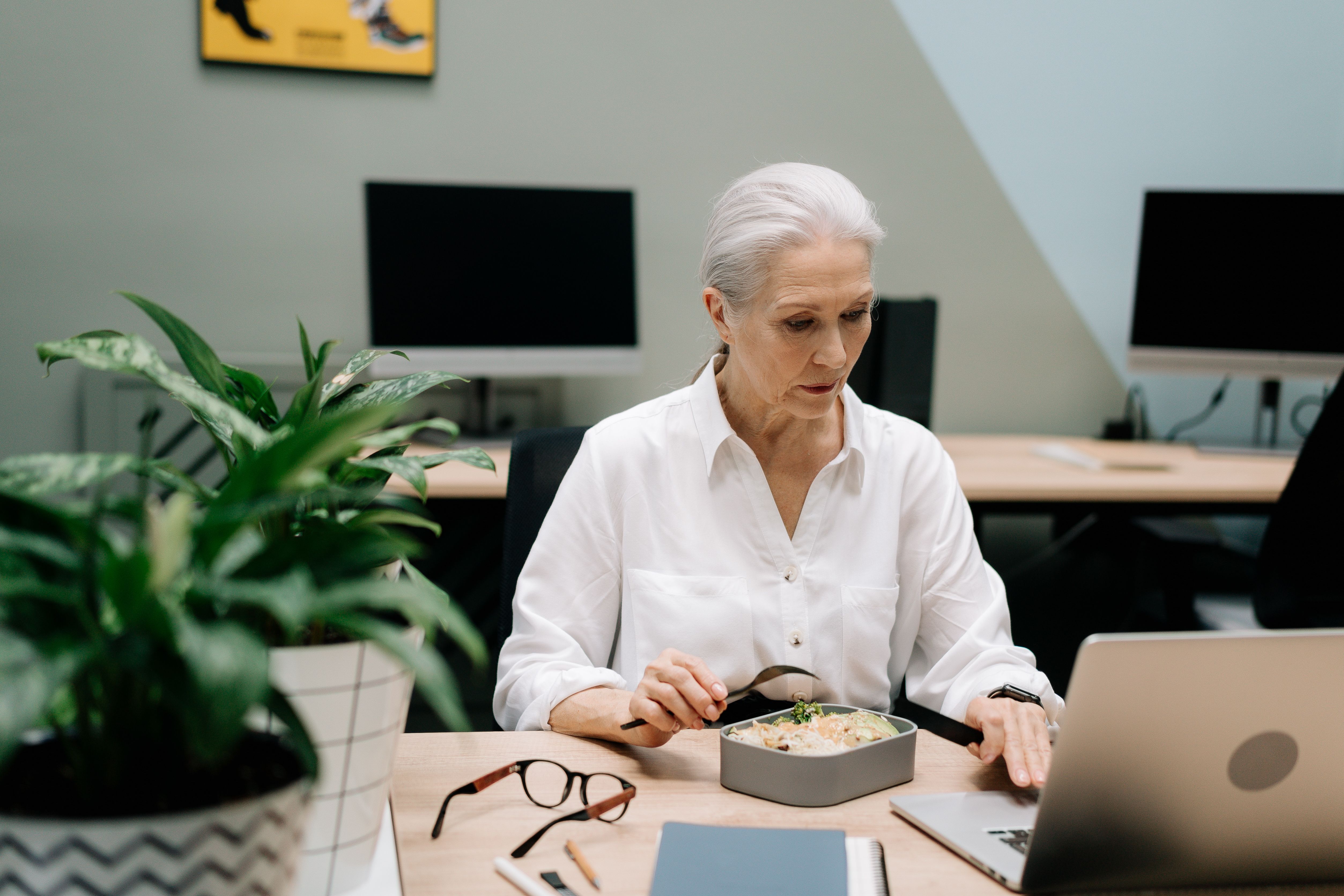
Busy workweeks often make it challenging to maintain healthy eating habits. As tasks build up and meetings fill your schedule, you might find yourself reaching for quick...
Aug 05, 2026