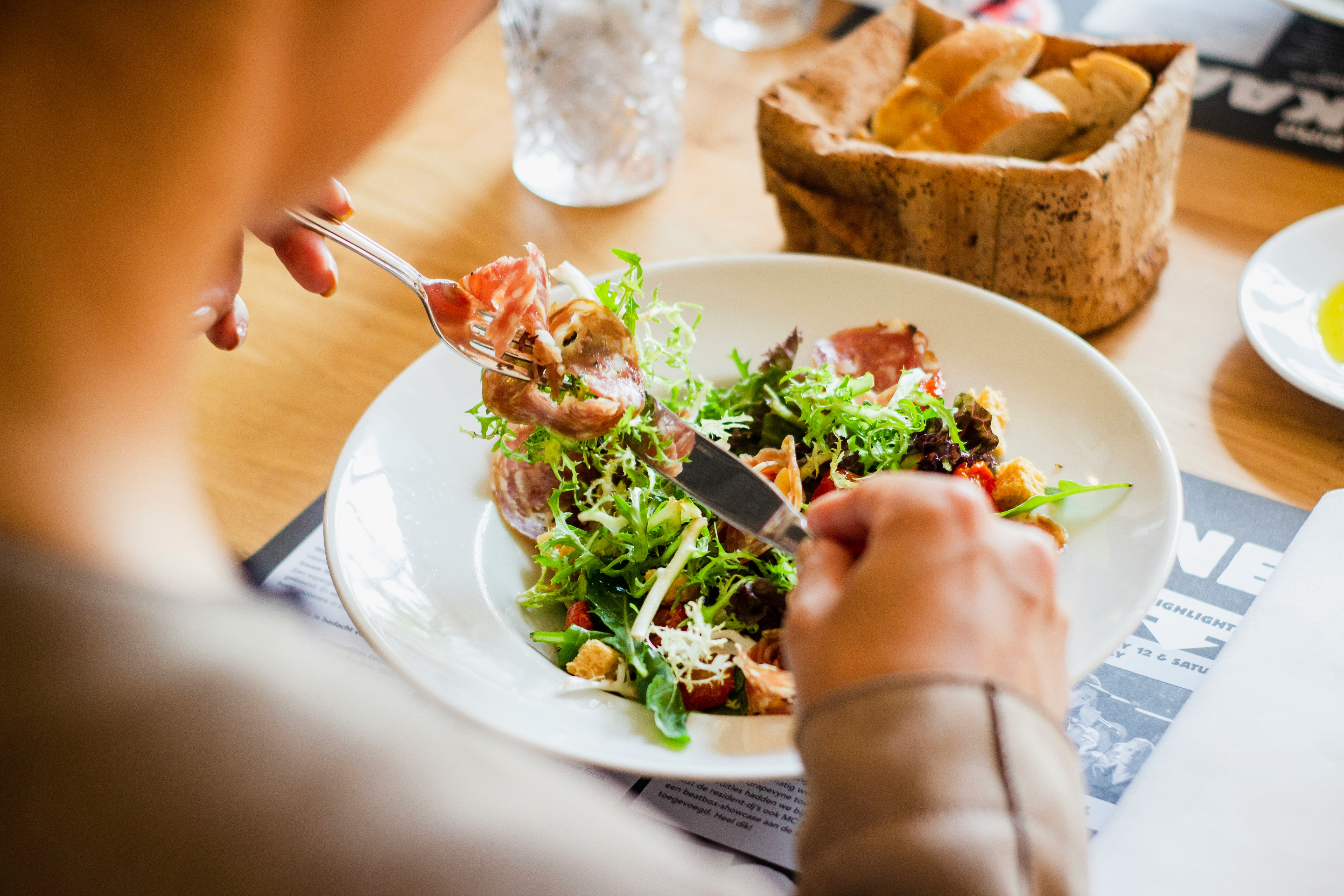
Creating steady meal planning habits brings more control over your eating habits, saves valuable time, and helps you spend less on groceries. By outlining specific steps for your meals each week, you make the process easier and remove the uncertainty that often comes when deciding what to eat. Planning ahead means you can shop with purpose, choose healthier options, and avoid last-minute takeout or impulse purchases. You will notice you throw away less food, feel less pressure during busy evenings, and enjoy meals that support your energy levels and well-being every day. A thoughtful approach to meal planning truly makes daily life smoother.
Getting started feels straightforward when you break it into small tasks. First, gather basic tools: a calendar, reusable containers and a shopping list template. Then, choose one day each week to plan, shop and prep. These actions add up quickly, creating lasting habits that support your health goals.
Planning Essentials
- Select a planning day that fits your routine (Sunday evenings work for many).
- Identify nutrition targets, like 25 grams of protein per meal or five servings of produce daily.
- Set aside 30 minutes to draft your menu and list.
- Keep a running list of pantry staples to avoid last-minute trips.
Clear goals make planning simpler. For example, if you need more protein, choose beans, eggs or lean meat. Tracking calories or macros in *MyFitnessPal* helps you guide your portion sizes. A quick glance at your target numbers keeps you on track without guessing.
Create a dedicated planning space—like a kitchen corner with notes and pens—that adds authority to the process. When you treat planning as a regular task, it becomes second nature. Soon, you’ll look forward to this weekly ritual instead of dreading it.
Making a Weekly Menu
List meals you actually enjoy and can cook in less than 45 minutes. Rotate three to four breakfast, lunch and dinner options to prevent boredom. For instance, pair a spinach-egg scramble with avocado toast, chicken salads and stir-fry bowls.
Next, map meals onto a calendar. Slot easy dishes on busy days and reserve elaborate recipes for weekends. This method balances effort and convenience. Write down any ingredients you lack, then add them to a master shopping list.
Include at least one flexible meal each week, like a grain bowl bar where everyone picks toppings. This approach boosts engagement and allows you to use leftover vegetables. Planning downtime meals stops takeout temptation and supports consistent routines.
Remember to check your fridge before finalizing the menu. You might find staples like yogurt or frozen veggies, which cuts your budget and waste. Align meals with what’s on hand to optimize resources and freshness.
Smart Shopping Strategies
Effective shopping begins with an organized list. Group items by department: produce, dairy, proteins and grains. This layout saves time and prevents backtracking through aisles. If possible, shop at one store that offers diverse options to streamline your trip.
Scan weekly ads for sales on staples like chicken, beans or whole grains. Buying in bulk helps if you use a lot of a specific item. Freeze meats or divide grains into portion bags to maintain quality and control portions.
Stick to the perimeter of the store first to fill your cart with fresh items. Then pick up canned and dry goods. Avoid aisles with processed snacks unless your plan includes them. This habit reduces impulse purchases and supports whole-food choices.
Use cash-back apps or store loyalty programs to save on recurring buys. Small savings add up—over a month, you could cut grocery bills by up to 15%. Track your progress with a simple spreadsheet to reinforce this reward cycle.
Meal Prep Techniques
- Batch-cook grains: Prepare quinoa or brown rice in large amounts. Divide into portions and freeze or store in the fridge for up to four days.
- Wash and chop produce: Clean lettuce, slice carrots and dice onions. Keep each veggie in labeled containers to mix and match later.
- Cook proteins separately: Grill or bake chicken breasts, roast chickpeas or pan-fry tofu. Season lightly so they work across multiple recipes.
- Assemble grab-and-go packs: Combine nuts, fruit and cheese cubes in snack bags. Stash in the fridge for quick bites.
- Freeze prepared meals: Tuck soups, stews or casseroles into freezer-safe dishes. Thaw overnight for low-effort dinners.
Breaking tasks into clear steps makes meal prep less overwhelming. Spend less than two hours once a week, then enjoy 10-minute meal assembly on busy days. It’s a small time investment for a big payoff.
Label containers with meal names and dates. A simple system helps you rotate foods before they spoil. When you know what to heat and eat, you avoid impulse orders and extra cooking stress.
Staying Flexible and Making Adjustments
Life events happen—guests drop by, work runs late or you crave a change. Embrace flexibility by swapping meals between days or ordering a healthy takeout option. Don’t skip planning; adapt it to fit new demands.
Keep a mini “backup box” in your pantry with cans of beans, frozen veggies and whole-grain wraps. This stash rescues you when plans shift. It helps you maintain balanced meals without a full grocery run.
Review your plan each week. Note which meals you enjoyed and which felt like chores. Adjust portion sizes, spice levels or prep schedules accordingly. A quick 10-minute debrief sharpens your routine and boosts satisfaction.
Celebrate small wins. If you follow through with seven planned meals in a week, treat yourself to a new spice blend or a fresh cookbook. Positive reinforcement keeps motivation high and routines strong.
Routine meal planning lowers stress, improves nutrition, and saves money. Begin with small steps, track your progress, and adjust as needed to build lasting habits that support your health.