

5 Fitness Modifications That Help You Stay Active With Injuries
Recovering from an injury often means finding new ways to keep your body moving while protecting the area that needs time to heal. When you deal with a sore knee, a...
Jun 02, 2026



Many people move through their morning commute on autopilot, rarely noticing the potential it holds. With a few simple changes, that daily journey can help boost your physical health, refresh your mind, and set a positive tone for the day. Try walking an extra block, cycling for a portion of the trip, or simply getting off public transport one stop earlier. These easy adjustments can make a noticeable difference over time. No gym or expensive gear is necessary—just a bit of planning and the decision to break away from your usual routine. Consider how a more active commute could support your overall well-being.
Turning drive time into active time sparks new energy, sharpens focus, and helps you hit the 30-minute daily movement goal experts recommend. You can carve out those minutes without adding time to your schedule. These ideas fit into real life, whether you live in a city, a suburb, or out in the sticks. Let’s jump into how to revamp your commute with outdoor routines that truly move the meter.
These benefits don’t come from wishful thinking. The Centers for Disease Control and Prevention report that adults who add walking to their commute reduce their risk of heart disease by up to 30%. You gain that benefit in short bursts, not hours of gym time.
Active travel also functions like a mini meditation. You focus on the road, the rhythm of your steps or pedals, and the natural scenery passing by. Even if you feel rushed, these moments recharge you more than a quick coffee ever could.
Breaking a long drive into smaller segments makes it less intimidating. You combine walking, cycling, or even skateboarding for short stretches, then hop back in your car or bus. This mix maintains flexibility for unpredictable schedules.
As you refine your path, consider safety at each stage. Choose well-lit sidewalks, streets with low traffic, and spots with crosswalks. If you cycle, look for routes with dedicated bike lanes or trails away from traffic.
Micro-exercises introduce quick bouts of activity without extra time investment. When you step off your ride, do standing calf raises on the curb. Rise on your toes, pause, then lower yourself slowly. Repeat for 30 seconds before crossing the street.
Find a sturdy bench near your stop and perform squats or step-ups. Three sets of 10 squats give your glutes and quads a solid burn. You don’t need a gym—your surroundings become your equipment.
On a bike, pause at traffic lights and hold a plank against a wall or railing. Grip the edge, lean forward, and keep your body straight. These isometric moves stabilize your core while waiting for the signal to change.
Finish each part of your commute with a quick stretch. Reach your arms overhead, twist to each side, and roll your shoulders back. You’ll reduce stiffness from sitting and arrive at work feeling limber.
Select gear that suits your routine. A lightweight backpack with reflective strips keeps essentials close and increases visibility. If you cycle, buy a helmet approved by the *Consumer Product Safety Commission*. Choose padded gloves to prevent handlebar numbness on longer rides.
Wear moisture-wicking clothing to stay dry. Fabrics like *Under Armour*’s HeatGear draw sweat away from your skin. Slip into trail shoes or cycling sneakers that clip in for more efficiency and foot support.
Use a bike light both front and back, even during daylight. Think of it as a safety investment rather than a luxury. A flashing red taillight reminds drivers you share the road.
Keep a small first-aid kit in your bag. Band-aids, antiseptic wipes, and an emergency contact card might save your day if you slip or scrape a knee. Prepare for minor mishaps so you stay confident.
Seeing your progress visually keeps you motivated. Chart your weekly mileage or steps on a wall calendar. Watching those numbers increase encourages you to keep the momentum going.
Partner with a friend or coworker to exchange progress updates. A quick text or chat over lunch keeps you accountable and makes this habit more social.
Time constraints often pose a challenge. You can save minutes by catching an earlier bus or adjusting your departure time. Even five extra minutes of walking each day adds up over five workdays.
Bad weather might tempt you to stay in the car. Carry a compact umbrella or pack a lightweight rain jacket from brands like *Columbia* so you never skip a session due to rain. If it’s icy, replace that leg with indoor stairs at a nearby building.
Feeling tired after a long day is normal. Save energy by shortening the active part when you can’t do a full extra mile. A quick 10-minute walk still resets your mind and reduces tension.
Lack of motivation can cause setbacks. Fight this by setting small goals: “I’ll walk three days this week” or “I’ll cycle one extra block daily.” Tiny wins lead to big changes.
Incorporate these steps into your daily routine to transform your commute into a fitness opportunity. Start tomorrow and notice how small changes improve your health over time.
Recovering from an injury often means finding new ways to keep your body moving while protecting the area that needs time to heal. When you deal with a sore knee, a...
Jun 02, 2026
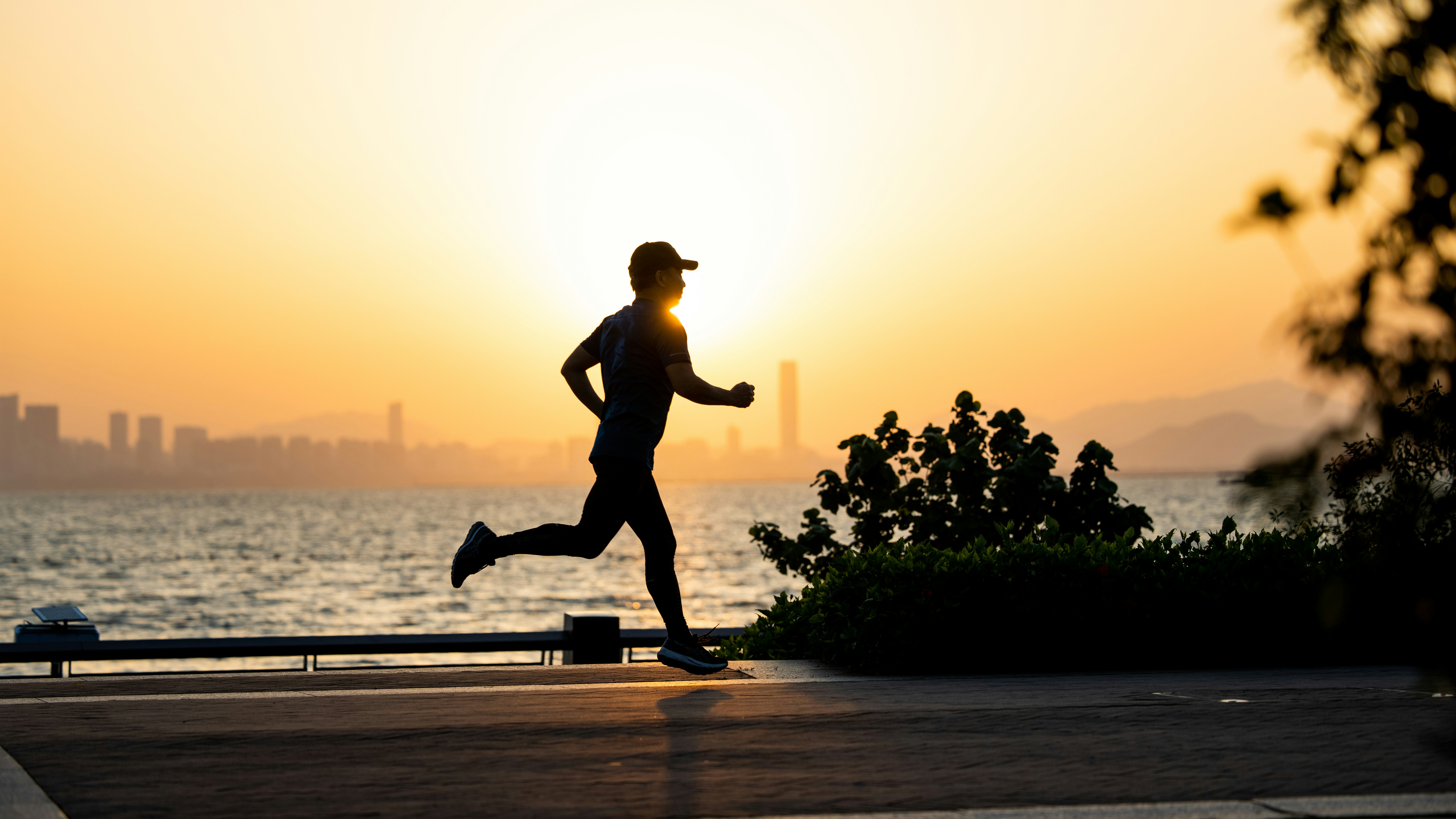
Plenty of runners find themselves going through the motions, checking off miles without really savoring the experience. Initial excitement often fades when running turns...
Aug 19, 2026

Setting up a home that supports both physical health and mental well-being begins with thoughtful planning. The way you arrange your furniture, select colors, and...
Aug 31, 2026
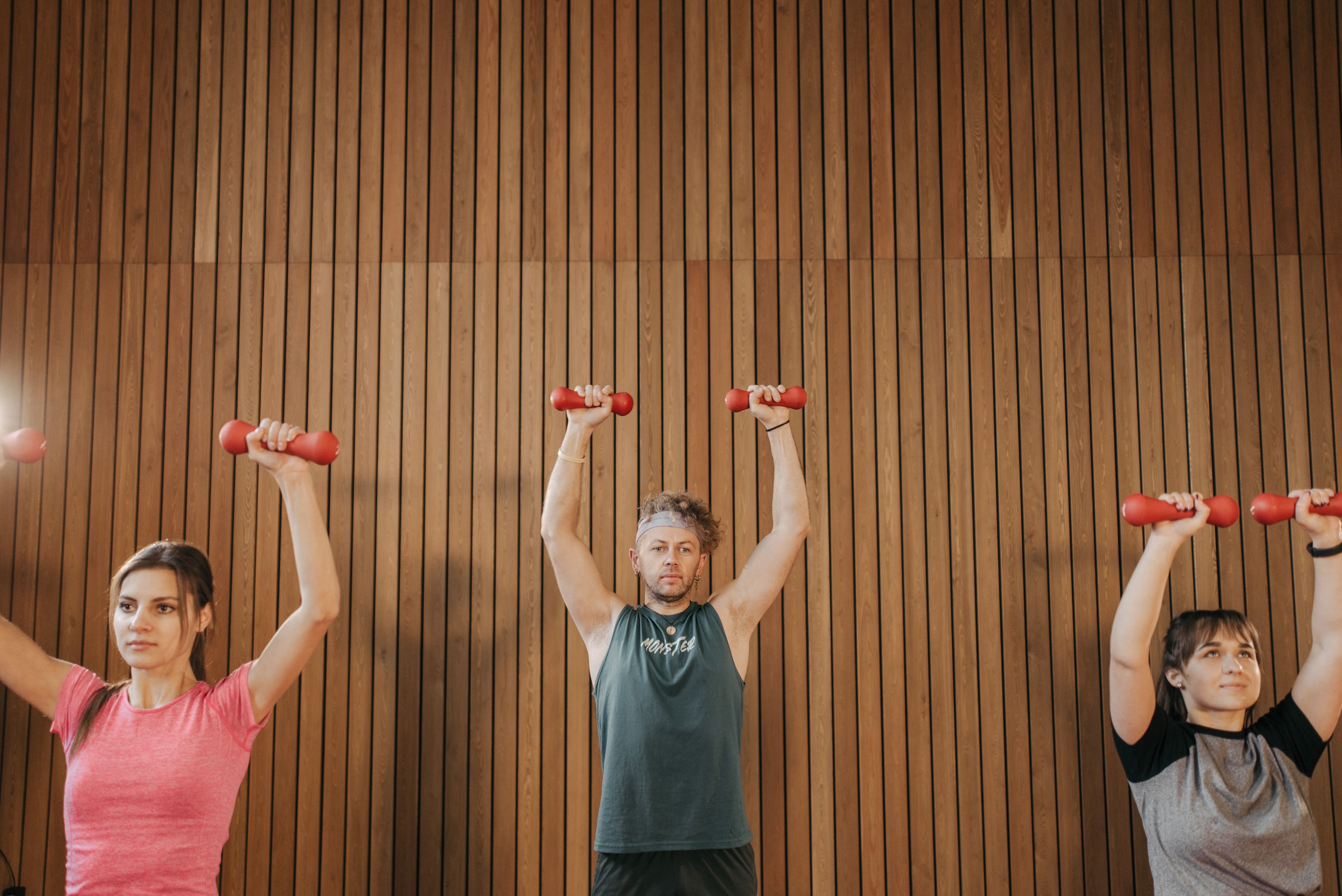
Group fitness challenges bring people together and make building new exercise habits more enjoyable. Sharing workouts with others who have similar fitness goals creates...
Jul 21, 2026

Fresh sneakers on your feet and a new field or court ahead bring a sense of excitement and anticipation. Many people who join a league feel curious and slightly nervous...
Jun 06, 2026

Preparing meals ahead of time streamlines your approach to healthy eating and makes evenings much less hectic. By choosing reliable kitchen equipment, you can create...
Jun 21, 2026

Building lasting bonds depends on thoughtful, everyday choices. You pick up on subtle shifts, like a dip in enthusiasm or when discussions feel less genuine. Noticing...
Aug 26, 2026
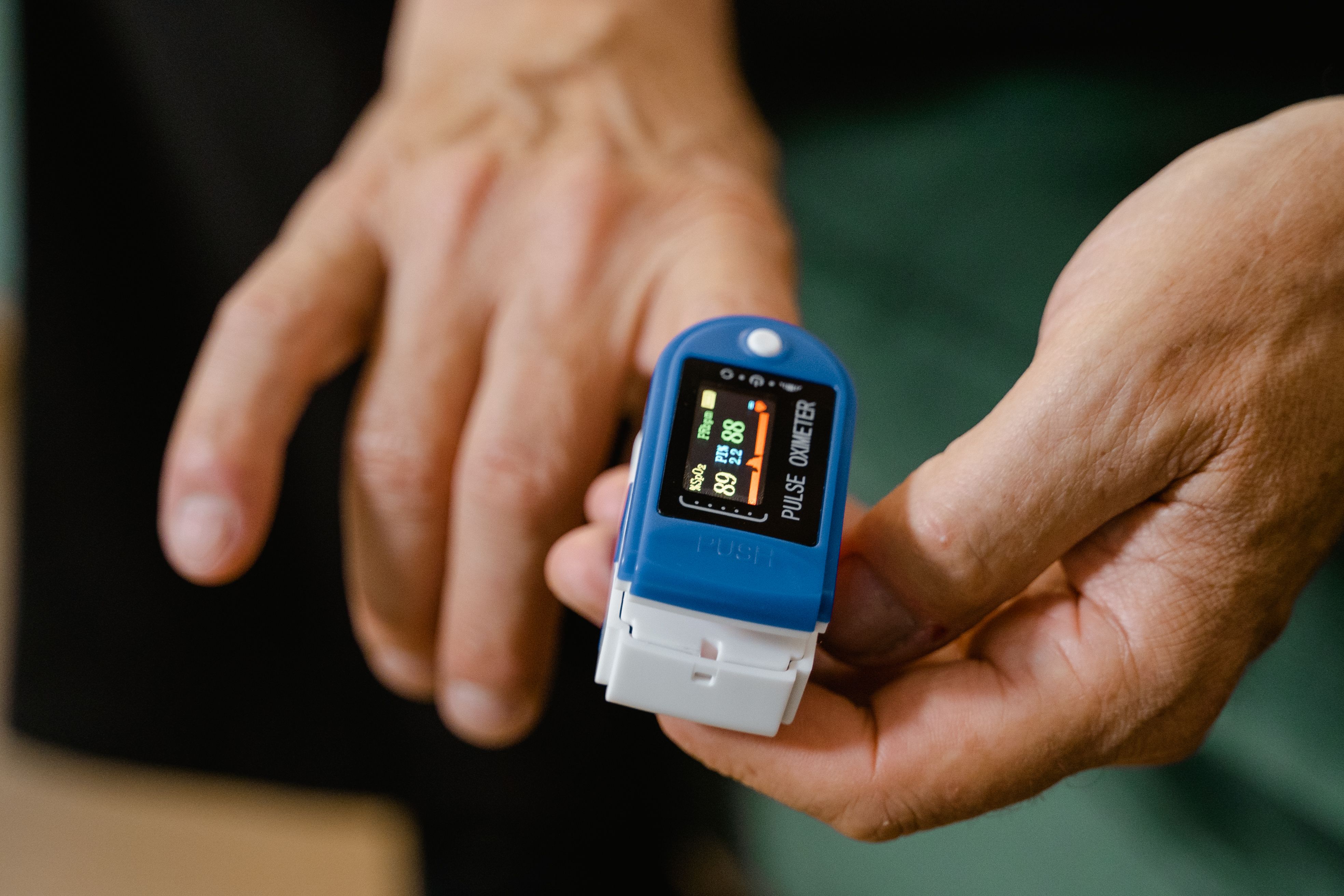
Modern apps and devices simplify the way people keep an eye on their health. These tools deliver instant updates on daily steps, sleep quality, meals, and even stress....
Jul 01, 2026
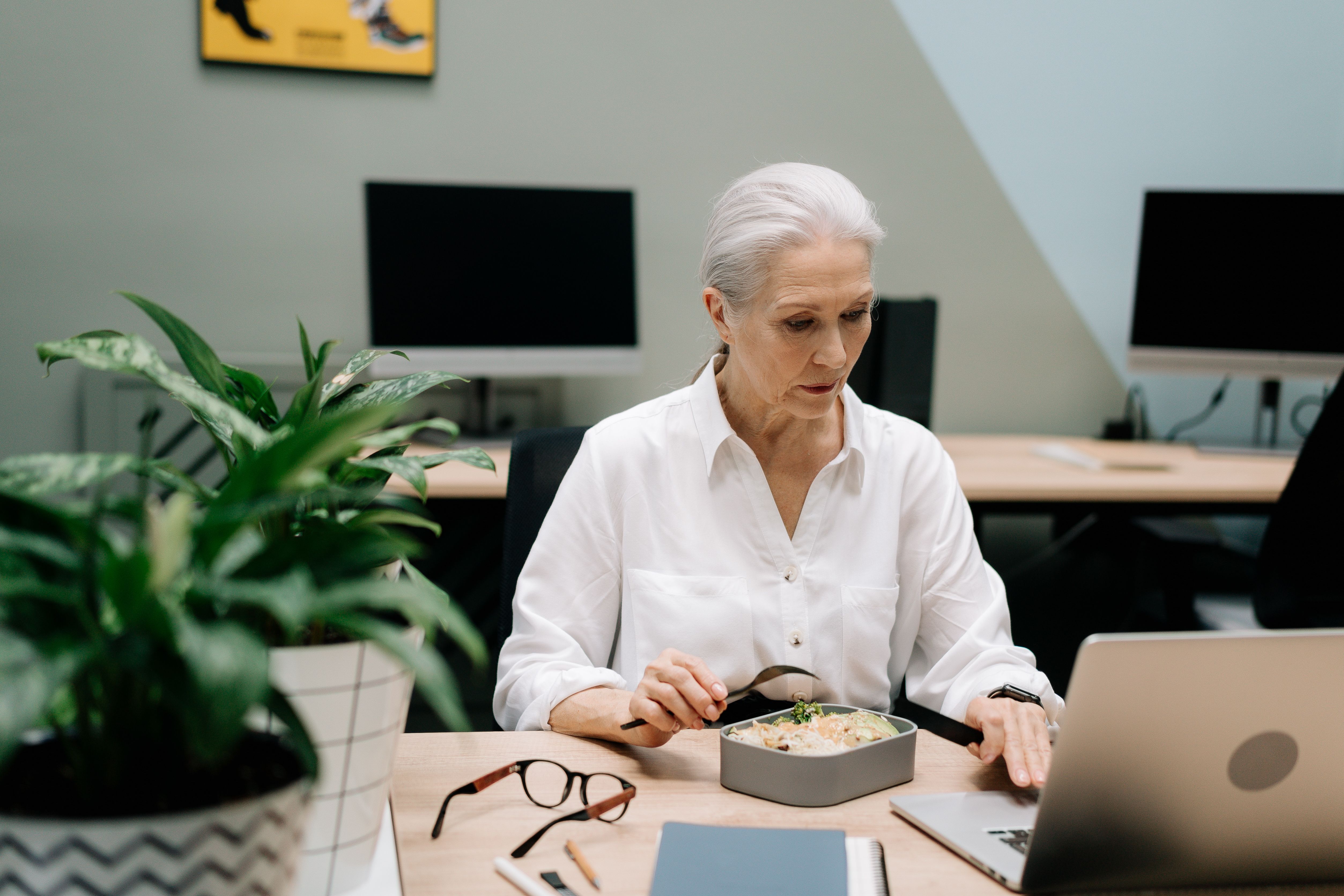
Busy workweeks often make it challenging to maintain healthy eating habits. As tasks build up and meetings fill your schedule, you might find yourself reaching for quick...
Aug 05, 2026

Small changes around your home can help reduce exposure to hidden chemicals without overwhelming your daily routine. Switching to gentler cleaning products, improving...
Jun 15, 2026

Starting your day with a reliable morning routine can make a big difference in how energized and alert you feel. Choose a wake-up time and stick to it each day to give...
Jul 05, 2026

Staying energized each day depends on more than grabbing a cup of coffee. Your body relies on water to help cells convert nutrients into the fuel you need. When you...
Sep 04, 2026

Interactive workshops combine emotional understanding with hands-on activities to help people build mental resilience. Attendees engage in exercises designed to sharpen...
Aug 12, 2026

Managing healthcare often brings a mix of confusion and stress as you balance appointments, paperwork, and unfamiliar terms. Clear guidance helps you stay calm and make...
Jun 28, 2026