
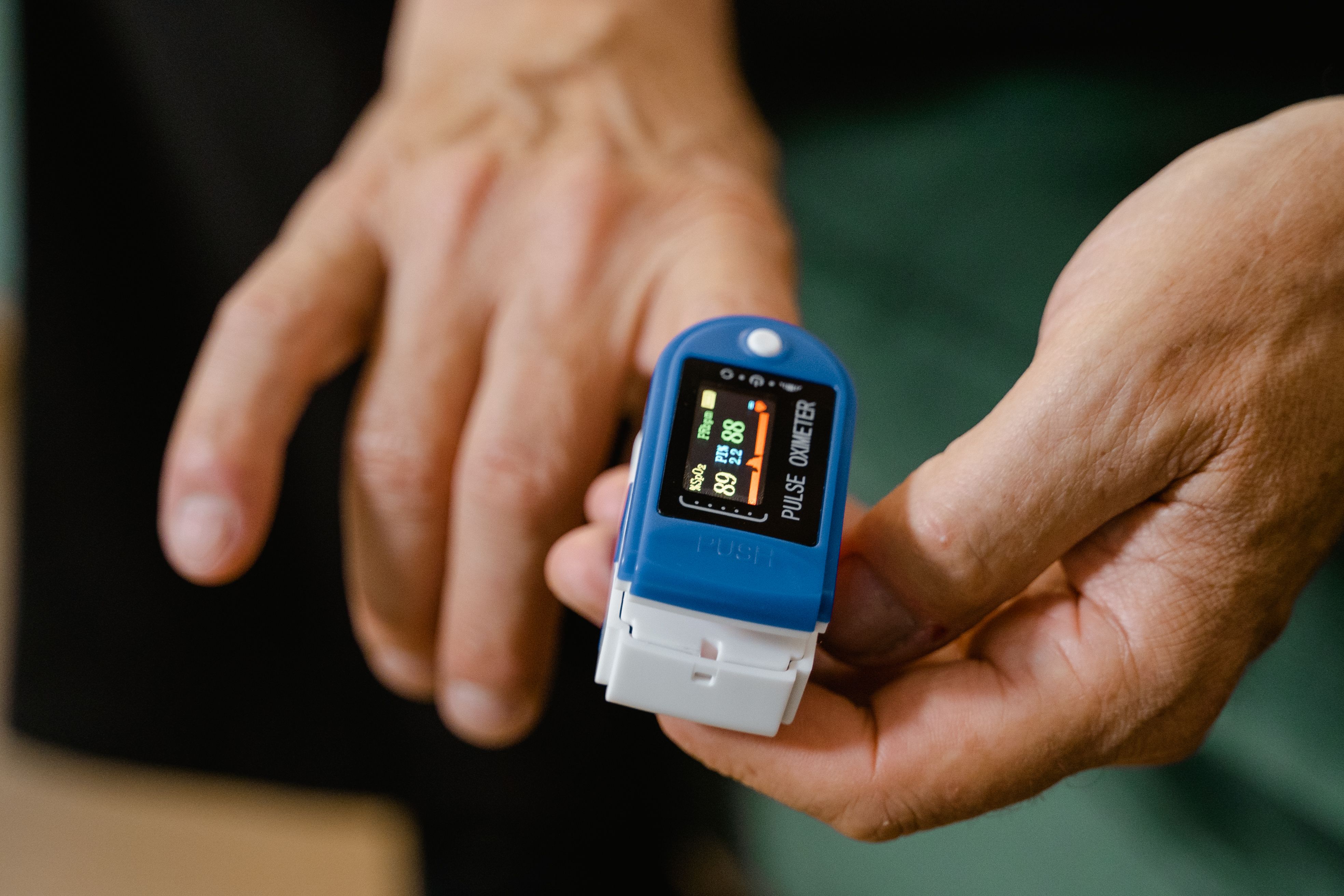
How To Harness Digital Health Tools For Smarter Wellness Tracking
Modern apps and devices simplify the way people keep an eye on their health. These tools deliver instant updates on daily steps, sleep quality, meals, and even stress....
Jul 01, 2026



Making the decision to quit smoking can dramatically improve your overall well-being. Within just a few weeks, you may experience heightened senses, increased energy, and a healthier heart. Your body starts to heal right away, with blood pressure dropping and lung function getting better each day. These early improvements not only help you feel better physically but also encourage you to continue on your path to better health. As your body recovers, you will likely notice day-to-day activities becoming easier, and you may find new motivation to maintain these healthy changes over the long term.
Staying smoke-free requires focus and planning. Cravings can hit unpredictably, and old habits can lure you back. Address these challenges head-on by setting clear goals and gathering solid support, making the journey manageable and even rewarding. You will learn practical steps to stay on course and build habits that replace cigarettes for good.
Quitting smoking delivers health gains across multiple fronts. Your risk of heart disease drops by half within a year. You protect your lungs and reduce your chance of chronic obstructive pulmonary disease. Plus, your body fights infections more effectively and heals faster.
Beyond physical benefits, going smoke-free boosts mental well-being. You grow more confident each smoke-free day. You reclaim time previously spent on smoke breaks and managing cravings. This mental freedom feeds into a positive self-image and motivates you to pursue other healthy changes.
Clear, achievable goals turn vague hopes into concrete milestones. Break down your quit plan into manageable steps. Choose a quit date. Then gather tools—nicotine patches, apps, a calendar to log progress.
When you log your progress, you notice patterns. You might see that cravings are tougher in the evening or that coffee triggers the urge. Use those insights to adjust your plan. Fine-tune your strategies, add new coping tools, and celebrate every success, no matter how small.
Cravings usually peak during the first few days but can happen for months. Confront them quickly with active distractions. Try simple breathing exercises: inhale slowly for four counts, hold, then exhale for six. Repeat until the urge subsides.
Healthy oral substitutes also work well. Chew sugar-free gum, munch on carrot sticks, or sip herbal tea. Keep yourself hydrated—sometimes thirst disguises itself as a craving. A 2019 study found that staying well-hydrated reduced craving frequency by 30% among recent quitters.
You do not have to quit alone. Connecting with others increases your chances of success. Share your goals with friends, family, or coworkers who support your decision. Ask them to check in regularly and celebrate milestones with you.
Feedback from supportive peers provides emotional fuel on tough days. Talking through urges helps you process triggers and learn from setbacks. If you slip, lean on these networks for encouragement and get back on track quickly.
Replace cigarette breaks with positive routines. Short walks boost endorphins and clear your mind. Stretching or quick bodyweight exercises reset stress levels and curb cravings. Aim for at least five minutes of movement whenever an urge hits.
Fuel your body with nourishing meals and snacks. Balanced blood sugar stabilizes your mood and energy, helping you handle irritability linked to nicotine withdrawal. Add protein-rich snacks—like almonds or Greek yogurt—to reduce the temptation to reach for a cigarette.
Even months after quitting, certain cues can trigger a craving. Recognize high-risk situations—partying with smokers, post-meal routines, or stress at work. Plan alternatives: take a phone call, step outside for fresh air, or practice a brief mindfulness exercise (focusing on sounds or sensations around you).
Consider short-term use of medications if cravings persist. Talk to your doctor about *Champix* or nicotine gum. A 2021 clinical trial showed that combining medication with counseling doubled quit rates compared to counseling alone. Follow the prescribed course, and pair it with the coping tools you have developed.
Each smoke-free day builds lasting change. Track your progress and rely on your support network to maintain your new habits and enjoy better health.
Modern apps and devices simplify the way people keep an eye on their health. These tools deliver instant updates on daily steps, sleep quality, meals, and even stress....
Jul 01, 2026

Taking a moment each day to reflect on your routines helps you understand which habits align with your health goals and which ones may hold you back. By asking yourself...
Aug 02, 2026

Close relationships with friends, family, and neighbors can brighten our mood and support overall physical health. When people connect with others, the brain releases...
Jun 24, 2026

Fresh sneakers on your feet and a new field or court ahead bring a sense of excitement and anticipation. Many people who join a league feel curious and slightly nervous...
Jun 06, 2026

Attending an interactive webinar focused on preventing chronic conditions offers a valuable chance to discover practical ways to lower blood pressure, maintain healthy...
Sep 12, 2026

Regular health checkups offer significant benefits by helping you spot potential problems before they become serious. By choosing screenings that fit your age,...
May 23, 2026

Starting your day with a reliable morning routine can make a big difference in how energized and alert you feel. Choose a wake-up time and stick to it each day to give...
Jul 05, 2026

Staying energized each day depends on more than grabbing a cup of coffee. Your body relies on water to help cells convert nutrients into the fuel you need. When you...
Sep 04, 2026

Interactive workshops combine emotional understanding with hands-on activities to help people build mental resilience. Attendees engage in exercises designed to sharpen...
Aug 12, 2026

Developing mental strength requires dedication, patience, and the right resources to help you stay on track. Personal development courses provide structured support,...
Sep 16, 2026

Seasonal changes bring new opportunities to refresh your health habits and keep your routine exciting. As the calendar shifts, you can find inspiration in the unique...
Jul 24, 2026

Setting up a home that supports both physical health and mental well-being begins with thoughtful planning. The way you arrange your furniture, select colors, and...
Aug 31, 2026

Plenty of runners find themselves going through the motions, checking off miles without really savoring the experience. Initial excitement often fades when running turns...
Aug 19, 2026

Preparing meals ahead of time streamlines your approach to healthy eating and makes evenings much less hectic. By choosing reliable kitchen equipment, you can create...
Jun 21, 2026