
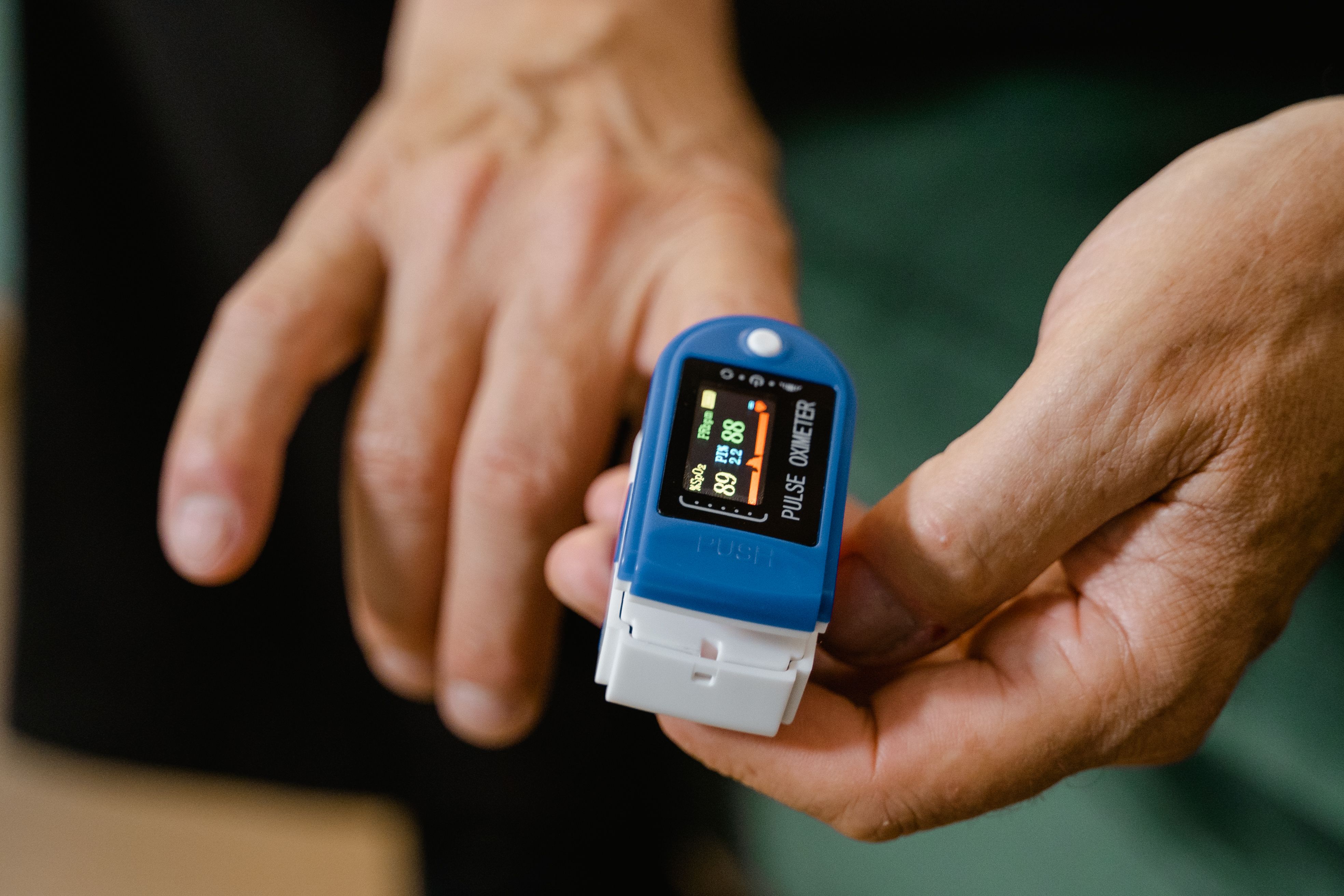
How To Harness Digital Health Tools For Smarter Wellness Tracking
Modern apps and devices simplify the way people keep an eye on their health. These tools deliver instant updates on daily steps, sleep quality, meals, and even stress....
Jul 01, 2026



Maintaining proper hydration requires more than following the familiar advice to drink eight glasses of water each day. Your body’s need for fluids depends on unique factors, including your physical build, activity level, and the environment you live in. Developing a custom hydration routine can boost your energy, aid your digestion, and leave your skin looking refreshed. You can easily adjust your habits by paying attention to your body’s signals and making small changes that fit your daily schedule. Discover how to build a hydration routine that blends seamlessly with your lifestyle and brings lasting benefits to your overall well-being.
Your body relies on water for nearly every function. It helps transport nutrients, regulate temperature, and support joint health. When fluid levels decrease by just 2%, you might feel sluggish or get headaches. Drinking water consistently throughout the day prevents those performance dips.
Electrolytes are essential. If you sweat heavily during workouts or live in a hot climate, plain water might not replace lost salts. Adding a small pinch of sea salt to your water or using a sugar-free electrolyte mix can reduce muscle cramps and keep your energy levels steady.
After tracking for five days, review your notes. If you often feel thirsty or notice dark urine, you do not drink enough. Clear, pale urine generally indicates proper hydration. Set your intake goal based on your highest sweat days rather than an average day to ensure you stay well-hydrated.
If you notice gaps, create small, achievable goals. For example, add 8 ounces of water after each bathroom break. Small changes like these add up to meet your daily target.
Begin with a simple goal: roughly half your weight in ounces. For example, a 160-pound person might aim for 80 ounces (about 2.4 liters). Then, adjust based on your schedule. For instance, drink 16 ounces within 30 minutes of waking up. This jump-starts digestion and blood flow.
Incorporate water breaks into your daily routine. Pour 12 ounces before each meal. Sip during meetings or phone calls. Carry a 20-ounce bottle to refill at work or the gym. This method links water intake to existing habits, so you don’t have to think about it constantly.
For workouts, add 8–16 ounces before or after exercising, plus 4–6 ounces every 15 minutes during activity. If you push through intense sessions, include an electrolyte tablet to support recovery.
Staying consistent becomes easier when you link drinking water to small rewards. Celebrate reaching half your goal by midday with a healthy snack or a short stretch. Positive reinforcement helps turn hydration into a lasting habit.
Adjust the temperature of your water. Some people prefer cold water all day, while others find warm water easier for digestion. Find what feels best and encourages you to drink more.
Review your journal weekly. Compare how you feel on days with high versus low hydration. Notice patterns in your energy, mood, and skin appearance.
If you need more fluids on certain days, increase your intake by 10–20%. For example, if you usually drink 80 ounces but sweat heavily during a sauna session, drink 96 ounces that day. On rest days or relaxed afternoons at home, return to your baseline.
Pay attention to subtle signs. Dry lips, midday tiredness, or tension headaches often improve when you increase your fluid intake. When unsure, drink first before reaching for caffeine or a snack.
Track your intake, set clear goals, and stay adaptable to maintain proper hydration. Proper hydration improves your energy, focus, and health with just a small initial effort.
Modern apps and devices simplify the way people keep an eye on their health. These tools deliver instant updates on daily steps, sleep quality, meals, and even stress....
Jul 01, 2026

Setting up a home that supports both physical health and mental well-being begins with thoughtful planning. The way you arrange your furniture, select colors, and...
Aug 31, 2026

Riding a bike offers a practical way to improve both lung capacity and heart health, making it easier to handle everyday stress. Pedaling on a regular basis gives you a...
Jul 15, 2026

Everyday movements, such as lifting grocery bags, carrying children, or pushing open a heavy door, draw from the same strength and motion patterns you develop during...
Aug 22, 2026

Finding a tool that seamlessly fits into your daily routine can make healthy habits easier to maintain. More than just counting steps or estimating calories, you deserve...
Aug 09, 2026

Taking a moment each day to reflect on your routines helps you understand which habits align with your health goals and which ones may hold you back. By asking yourself...
Aug 02, 2026

Fresh sneakers on your feet and a new field or court ahead bring a sense of excitement and anticipation. Many people who join a league feel curious and slightly nervous...
Jun 06, 2026
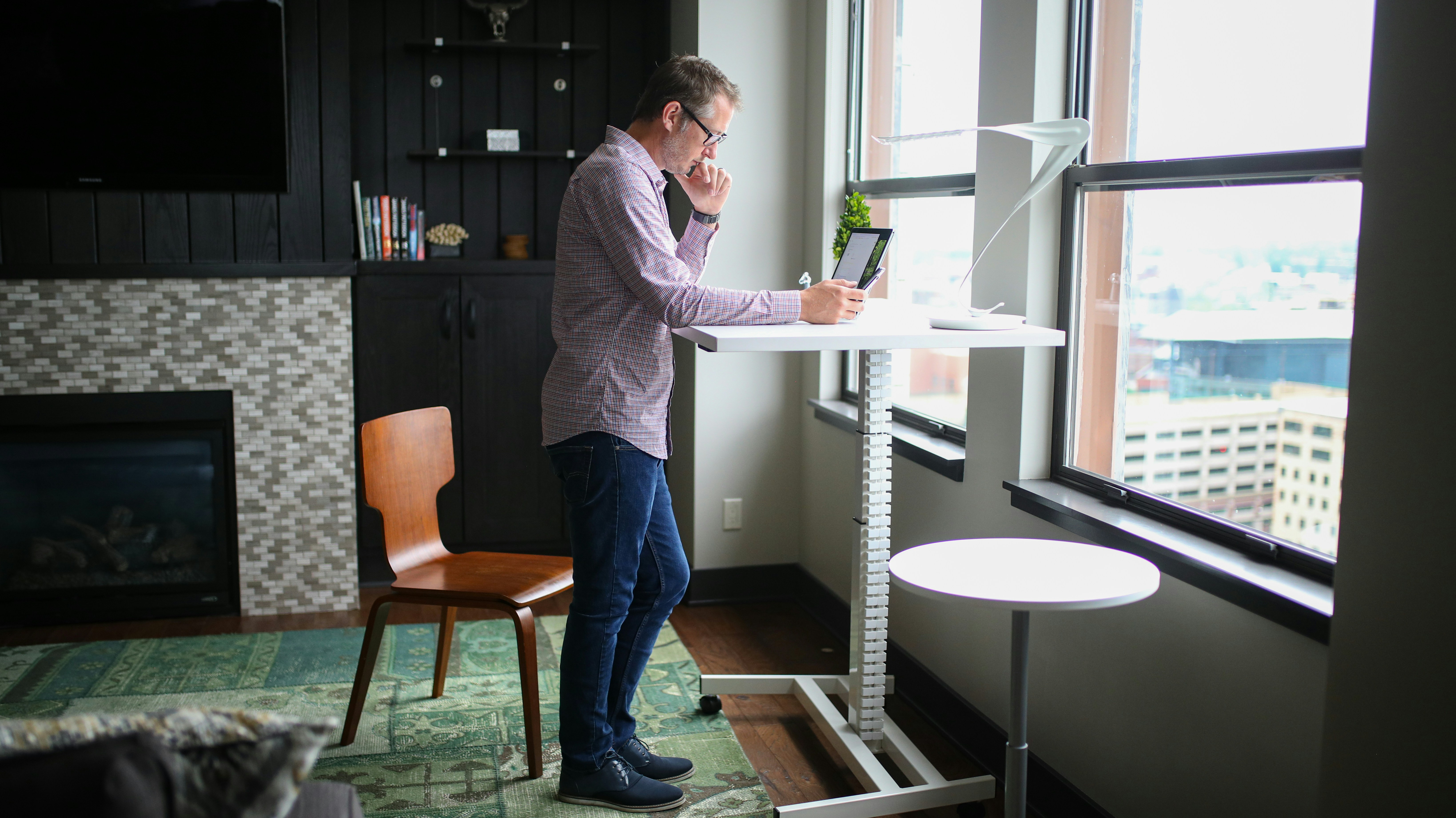
Many people spend hours at their desks while working from home, which can lead to stiffness, soreness, or fatigue before the day is even halfway over. Paying attention...
Sep 21, 2026

Long hours at a desk often lead to stiff muscles and reduced blood flow. Taking a few minutes for stretch breaks throughout the day loosens your body and helps you feel...
Jun 10, 2026
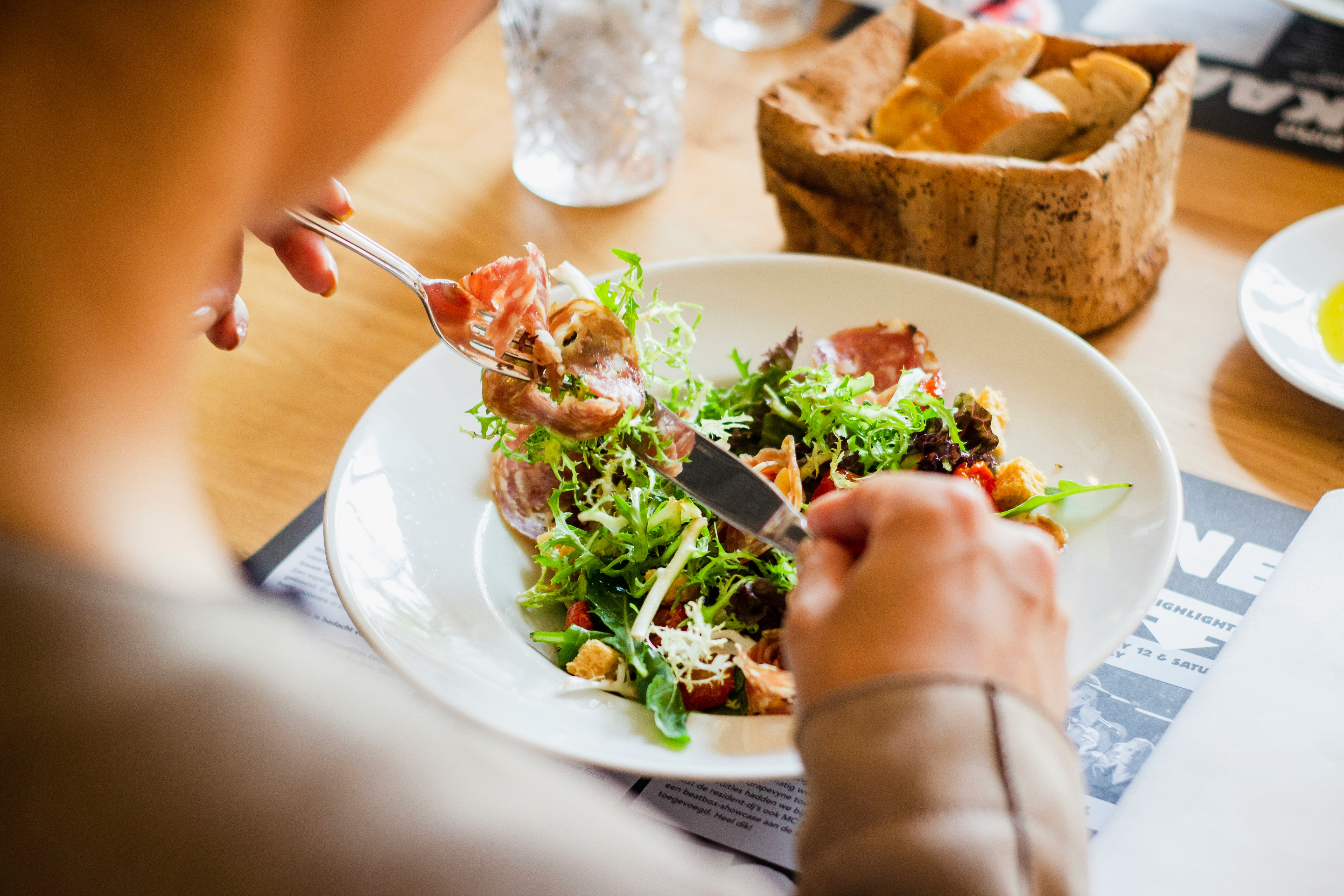
Restaurant meals can fit into your healthy lifestyle with a bit of planning and awareness. You will find plenty of ways to enjoy delicious food while keeping your...
Jul 29, 2026
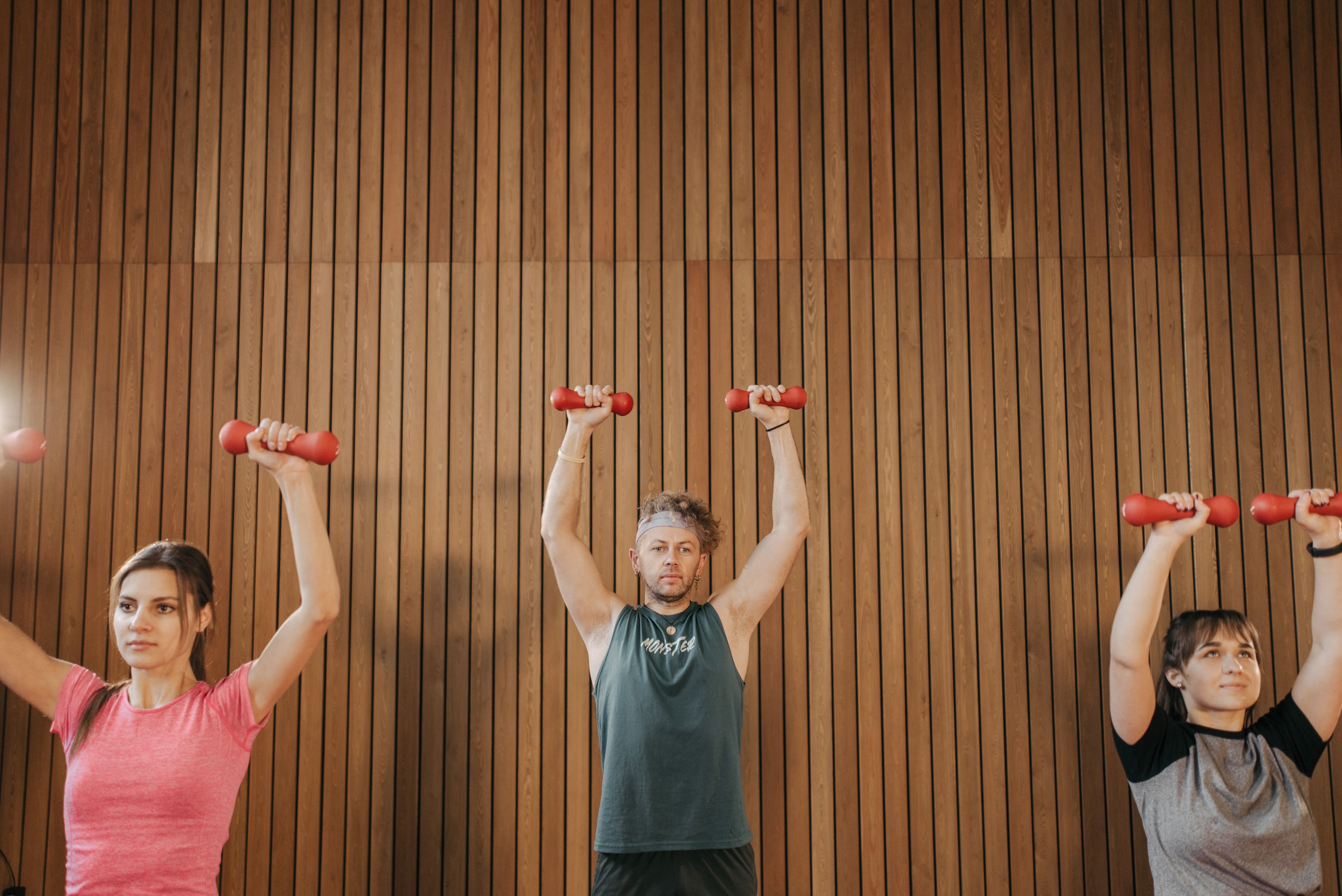
Group fitness challenges bring people together and make building new exercise habits more enjoyable. Sharing workouts with others who have similar fitness goals creates...
Jul 21, 2026
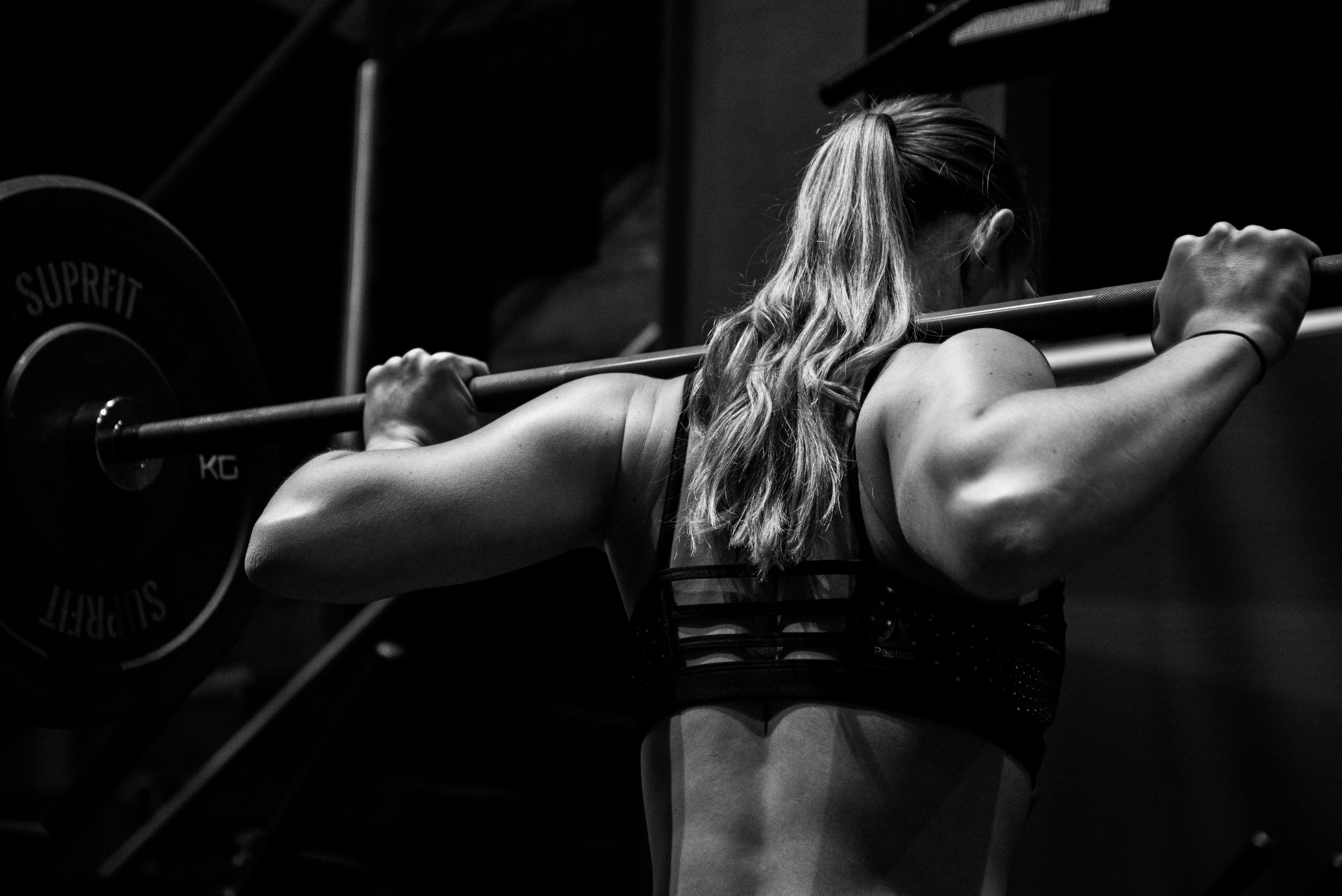
Recovering from an injury often means finding new ways to keep your body moving while protecting the area that needs time to heal. When you deal with a sore knee, a...
Jun 02, 2026

Developing mental strength requires dedication, patience, and the right resources to help you stay on track. Personal development courses provide structured support,...
Sep 16, 2026

Small changes around your home can help reduce exposure to hidden chemicals without overwhelming your daily routine. Switching to gentler cleaning products, improving...
Jun 15, 2026