

How to Build a Running Program That Makes Cardio Enjoyable
Plenty of runners find themselves going through the motions, checking off miles without really savoring the experience. Initial excitement often fades when running turns...
Aug 19, 2026



Building lasting bonds depends on thoughtful, everyday choices. You pick up on subtle shifts, like a dip in enthusiasm or when discussions feel less genuine. Noticing these moments quickly means you can respond with care, preventing misunderstandings and tension from growing. By making minor changes—such as listening more closely or showing appreciation—you can refresh your connections and help everyone involved feel valued. These small efforts make a big difference, strengthening the foundation of your relationships and encouraging open, honest communication that benefits everyone.
Monitoring these signals becomes easier when you pause and ask yourself how you truly feel after each interaction. A quick mental check after a dinner or phone call reveals if tension has built up.
Look for patterns over a week. If you notice more negative reactions than positive moments, choose one change—like stepping outside for fresh air before a tough conversation—to reset your mood.
Open communication reduces confusion. When you explain exactly what’s on your mind, others understand faster. If someone checks in on you, return the favor by asking how they’re doing.
When difficult topics come up, set aside 10 minutes free of screens. Ground yourself by taking a few deep breaths, then speak calmly and steadily. This calm moment leads to better results.
Boundaries keep relationships healthy. Decide what feels right—whether turning off notifications during meals or declining extra tasks when overwhelmed. Saying “no” doesn’t harm trust; it strengthens it.
Set simple rules: no work calls after 8 p.m. or no sharing personal stories when either person is too tired. Once you agree, leave a reminder note on the fridge or set a recurring alarm to stick to your limits.
Quality time doesn’t need grand gestures. A 15-minute coffee break on the porch or a walk around the block can do a lot. Schedule these moments in your calendar like any important appointment.
Take turns choosing activities to keep things interesting. One day, try a new smoothie recipe together; another, work on a puzzle at home. Small routines build positive memories over time.
Looking after yourself improves your relationships. Aim for at least 20 minutes of movement each day—stretch, walk, or dance in your living room. Endorphins from activity boost your mood and sharpen your focus during conversations.
Sleep is equally important. Track your rest with a journal or an app that logs how often you wake at night. When you notice poor patterns, change your bedtime routine: dim the lights an hour before sleeping or sip herbal tea to relax.
You do not need to handle stress alone. Identify three trusted people—friends, colleagues, neighbors—and let them know you value their advice. Sometimes, a quick encouraging message can lift both your and their spirits.
Join a weekly group, like a book club or walking circle. Research shows that people who meet in small groups report a 30% reduction in stress after three months. Shared experiences build empathy and offer fresh viewpoints.
Mark milestones, whether big or small. Did you both maintain a boundary for a week? Celebrate with something simple—perhaps a homemade dessert or a 10-minute playlist of favorite songs.
At the end of the month, set aside time for a quick chat: What worked well? What didn’t? Write down two insights each and build on them. Regular reflection keeps momentum going and stops small issues from growing.
Follow these steps to maintain healthy relationships and prevent burnout. You will notice increased energy, better communication, and a stronger sense of balance.
Plenty of runners find themselves going through the motions, checking off miles without really savoring the experience. Initial excitement often fades when running turns...
Aug 19, 2026

Fresh sneakers on your feet and a new field or court ahead bring a sense of excitement and anticipation. Many people who join a league feel curious and slightly nervous...
Jun 06, 2026

Taking a moment each day to reflect on your routines helps you understand which habits align with your health goals and which ones may hold you back. By asking yourself...
Aug 02, 2026
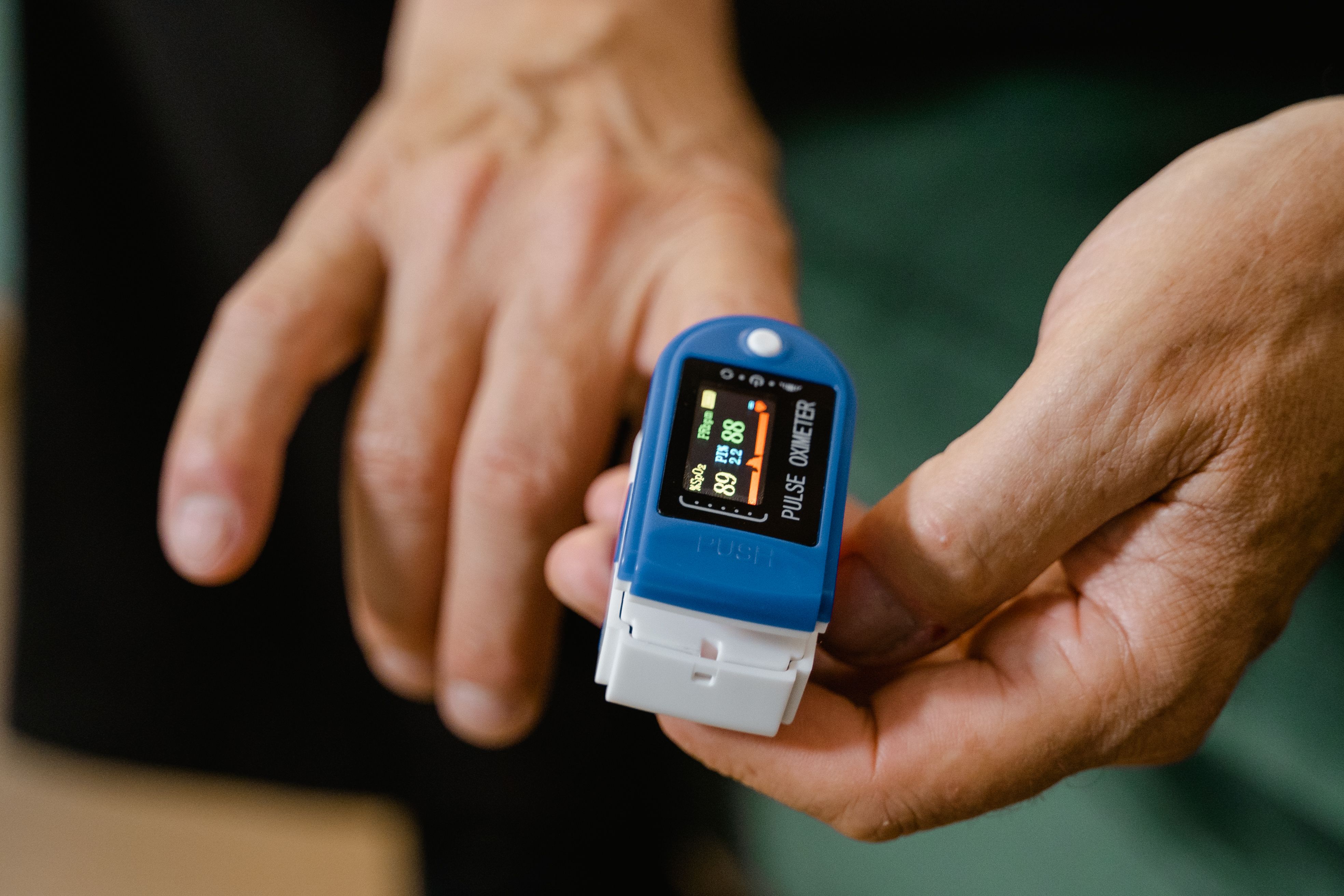
Modern apps and devices simplify the way people keep an eye on their health. These tools deliver instant updates on daily steps, sleep quality, meals, and even stress....
Jul 01, 2026

Regular health checkups offer significant benefits by helping you spot potential problems before they become serious. By choosing screenings that fit your age,...
May 23, 2026

Starting your day with a reliable morning routine can make a big difference in how energized and alert you feel. Choose a wake-up time and stick to it each day to give...
Jul 05, 2026

Busy workweeks often make it challenging to maintain healthy eating habits. As tasks build up and meetings fill your schedule, you might find yourself reaching for quick...
Aug 05, 2026

Small changes around your home can help reduce exposure to hidden chemicals without overwhelming your daily routine. Switching to gentler cleaning products, improving...
Jun 15, 2026

Riding a bike offers a practical way to improve both lung capacity and heart health, making it easier to handle everyday stress. Pedaling on a regular basis gives you a...
Jul 15, 2026

Simple changes to your daily routine can improve your health while supporting the environment. Swapping out certain kitchen staples, exploring alternative ways to...
May 09, 2026

Cutting back on sugar often seems challenging at first, yet even minor changes can make a noticeable difference over time. This guide highlights seven easy methods to...
May 02, 2026

Group fitness challenges bring people together and make building new exercise habits more enjoyable. Sharing workouts with others who have similar fitness goals creates...
Jul 21, 2026

Restaurant meals can fit into your healthy lifestyle with a bit of planning and awareness. You will find plenty of ways to enjoy delicious food while keeping your...
Jul 29, 2026

Finding a tool that seamlessly fits into your daily routine can make healthy habits easier to maintain. More than just counting steps or estimating calories, you deserve...
Aug 09, 2026