

Top Strategies To Build Healthy Travel Habits On The Go
Staying healthy while on the move sometimes seems challenging, but simple choices can make a big difference. Bringing along nourishing snacks, finding creative ways to...
Apr 18, 2026



Restaurant meals can fit into your healthy lifestyle with a bit of planning and awareness. You will find plenty of ways to enjoy delicious food while keeping your nutrition goals in mind. Choosing nutrient-rich options, reading menus carefully, and making a few smart swaps help you stay on track without feeling deprived. Ordering sensible portions and learning how to indulge in treats wisely let you enjoy the full experience. This guide explains practical methods for planning ahead, navigating menus, making adjustments to your meal, and handling dessert, all while supporting your commitment to balanced eating.
Successful restaurant visits start before you sit down. Skipping this step often leads to last-minute choices that lean heavily on comfort foods or oversized servings. Making a quick plan keeps cravings in check.
This roadmap keeps focus and reduces the rush of impulses when you arrive at the table.
Menus often highlight rich sauces, frying methods, and large portions in enticing language. Spot key words that signal lighter cooking approaches. Words like “steamed,” “grilled,” “broiled,” and “roasted” typically point to lower-fat options compared to “crispy,” “breaded,” or “smothered.”
Look for items where vegetables take center stage. A bowl menu, build-your-own salad bar, or vegetable-forward entrées show a restaurant’s willingness to serve nutrient-dense meals. If protein sources like salmon, turkey, or lean cuts of beef appear alongside a variety of greens, you’re on the right track.
Swapping ingredients can cut calories and boost nutrients without losing flavor. Servers expect substitution requests, so don’t hesitate to ask.
These small changes eliminate empty calories and give you extra vitamins, fiber, and healthy fats.
Restaurants often serve portions two to three times larger than standard recommendations. Splitting an entrée or boxing half for later prevents overeating. It’s not about willpower—it’s a strategic move.
If you want to taste multiple dishes, order appetizers or small plates instead of full-size entrées. You can build a satisfying meal from half portions of grilled shrimp, a side of roasted Brussels sprouts, and a cup of vegetable soup. Sharing lets you enjoy variety without piling on calories.
Family-style meals encourage passing bowls around. When you grab veggies first, you fill up before hitting richer items. That simple order—veggies before starches—can trim hundreds of excess calories.
Completely avoiding treats can backfire, leading to blowouts later. Plan an occasional dessert or treat and include it in your meal budget. This approach keeps cravings satisfied without undoing effort.
For example, share a dessert platter that includes fruit or sorbet alongside a small slice of cake. This lets you enjoy sweetness while spreading the indulgence across a group. You’ll spend fewer calories and still enjoy the experience.
Pair a single scoop of ice cream with fresh berries. The fruit adds volume, fiber, and antioxidants, reducing sugar and fat. Or ask for a mini-dessert option if it’s on the menu. Many spots offer smaller portions that satisfy a sugary craving with minimal impact.
Plan ahead, make smart menu choices, and manage portions to choose balanced meals at restaurants. Incorporate small swaps and treats to make healthy dining easier. Follow these steps to enjoy flavorful, varied, and nutritious meals when dining out.
Staying healthy while on the move sometimes seems challenging, but simple choices can make a big difference. Bringing along nourishing snacks, finding creative ways to...
Apr 18, 2026
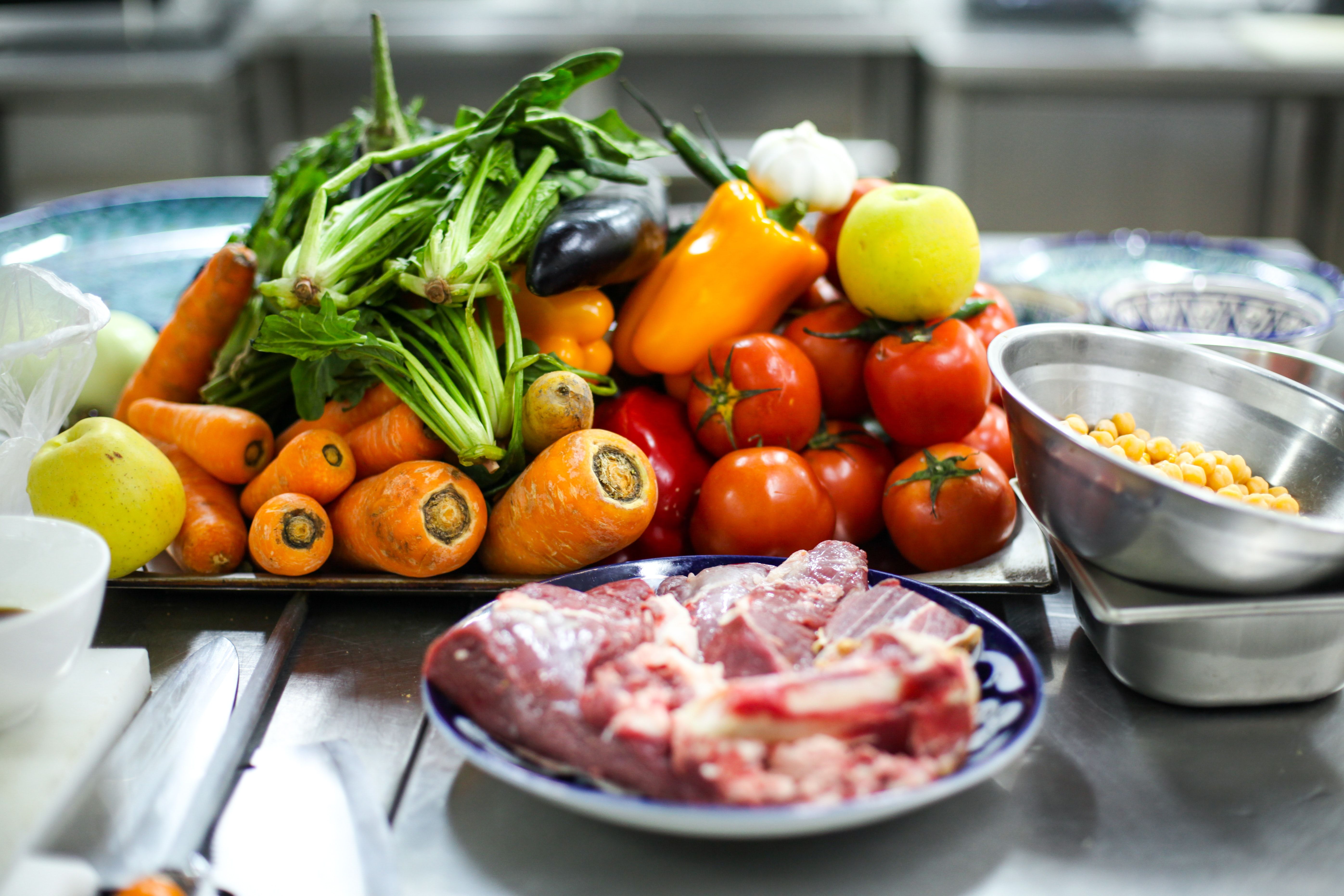
Preparing meals ahead of time streamlines your approach to healthy eating and makes evenings much less hectic. By choosing reliable kitchen equipment, you can create...
Jun 21, 2026

Countless users install multiple health apps and often find it difficult to translate the data they collect into useful daily goals. By exploring how each app works and...
Apr 11, 2026

Starting your day with a reliable morning routine can make a big difference in how energized and alert you feel. Choose a wake-up time and stick to it each day to give...
Jul 05, 2026
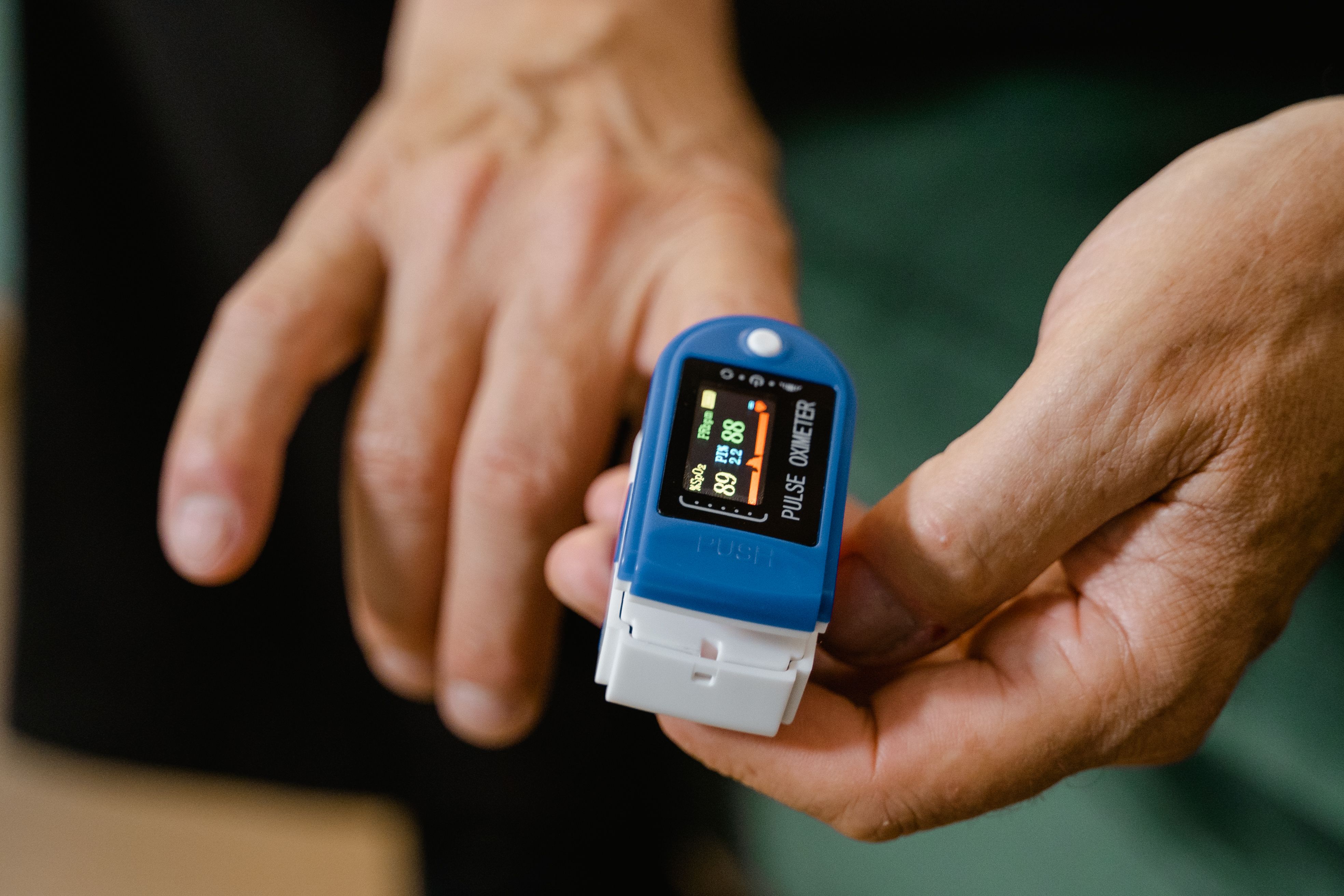
Modern apps and devices simplify the way people keep an eye on their health. These tools deliver instant updates on daily steps, sleep quality, meals, and even stress....
Jul 01, 2026

Busy schedules often leave little time for lengthy gym sessions, but circuit training makes it possible to stay active and fit without sacrificing hours each week. By...
Apr 25, 2026

Small changes around your home can help reduce exposure to hidden chemicals without overwhelming your daily routine. Switching to gentler cleaning products, improving...
Jun 15, 2026
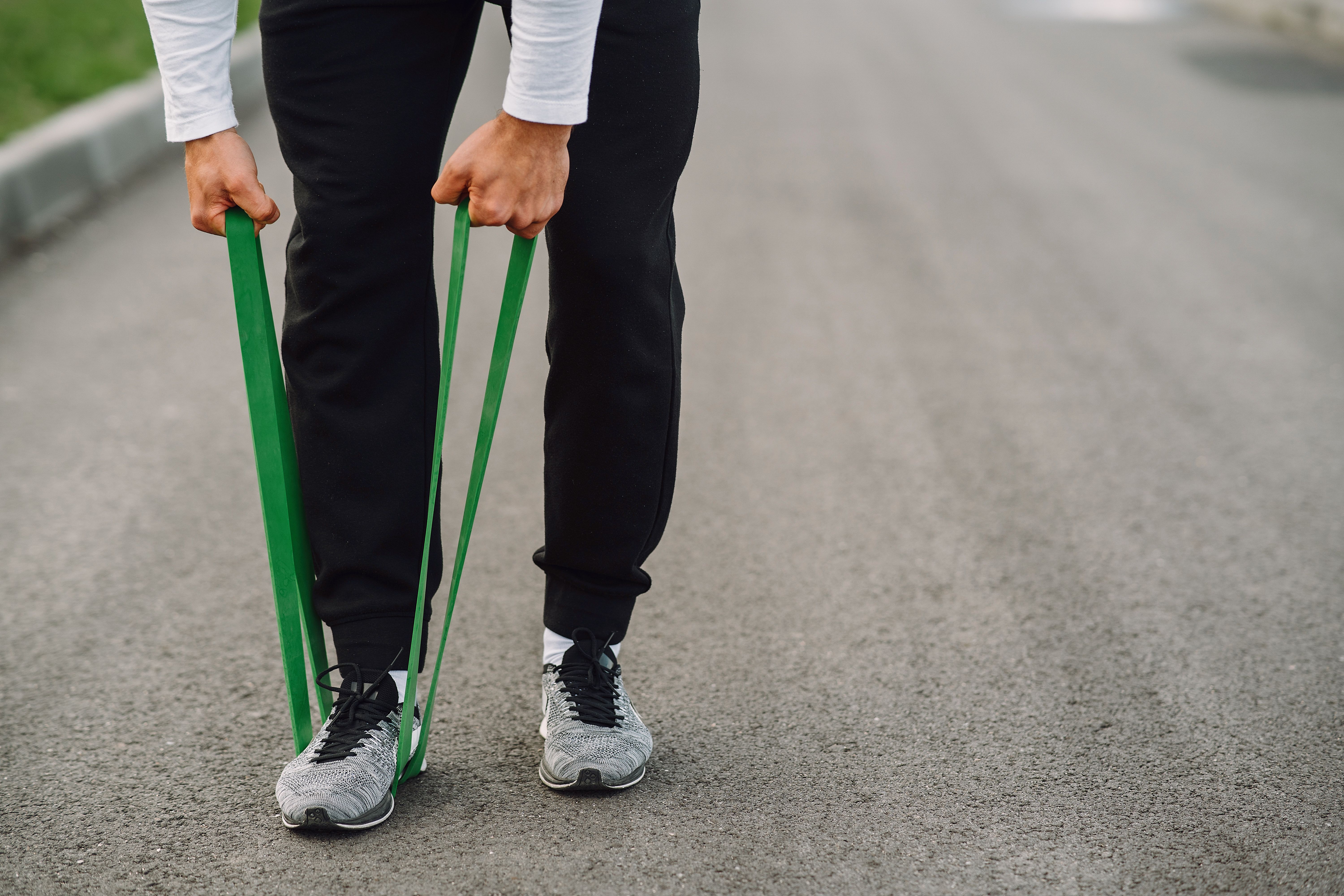
Resistance bands offer an effective way to build strength and increase flexibility without the need for heavy equipment. Their compact size means you can store them in a...
Jul 10, 2026

Riding a bike offers a practical way to improve both lung capacity and heart health, making it easier to handle everyday stress. Pedaling on a regular basis gives you a...
Jul 15, 2026

Seasonal changes bring new opportunities to refresh your health habits and keep your routine exciting. As the calendar shifts, you can find inspiration in the unique...
Jul 24, 2026

Long hours at a desk often lead to stiff muscles and reduced blood flow. Taking a few minutes for stretch breaks throughout the day loosens your body and helps you feel...
Jun 10, 2026

Recovering from an injury often means finding new ways to keep your body moving while protecting the area that needs time to heal. When you deal with a sore knee, a...
Jun 02, 2026

Group fitness challenges bring people together and make building new exercise habits more enjoyable. Sharing workouts with others who have similar fitness goals creates...
Jul 21, 2026

Many people find that reducing alcohol intake feels more manageable when they focus on small, practical adjustments. Choosing to pour less at home, keeping track of each...
Mar 31, 2026