
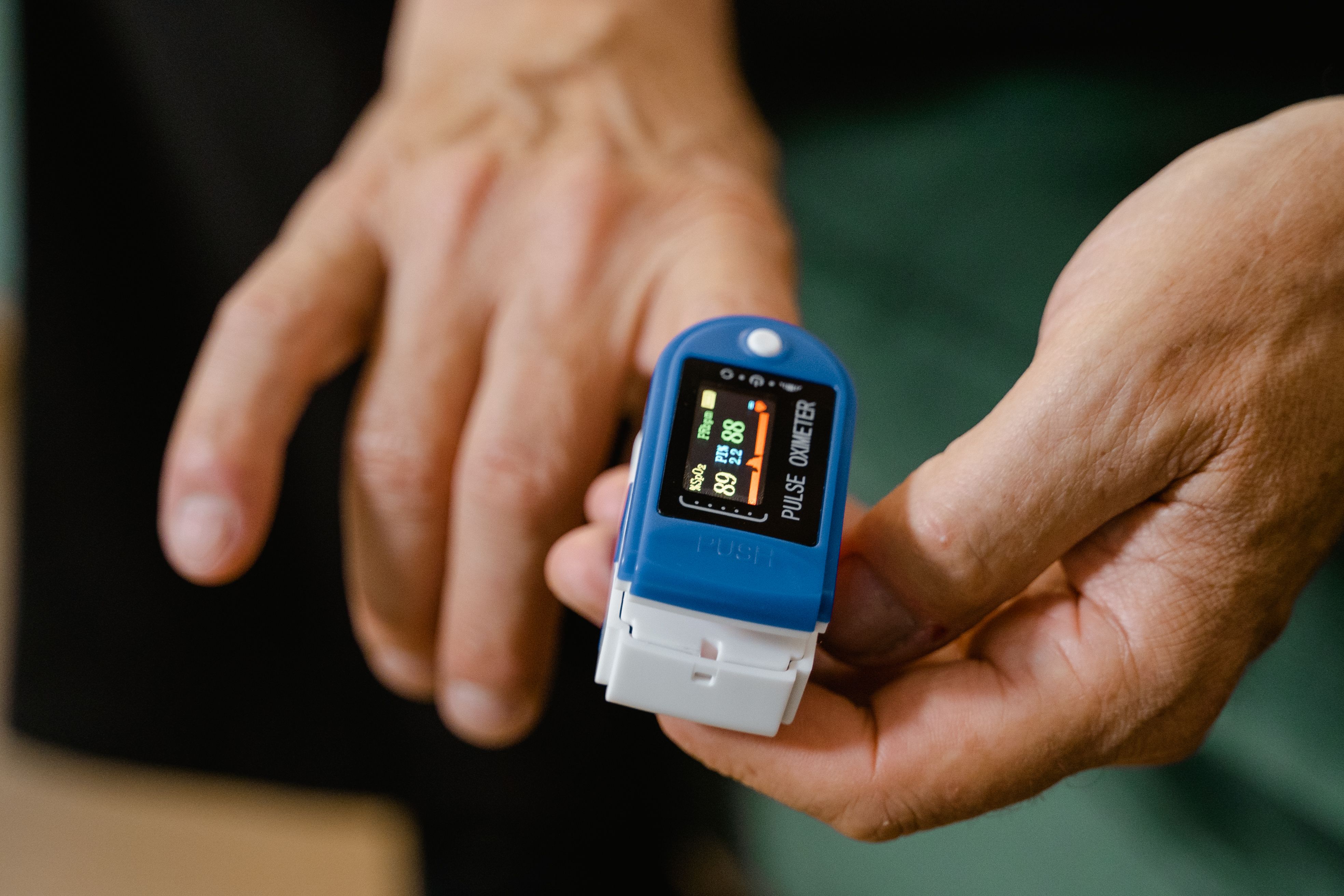
How To Harness Digital Health Tools For Smarter Wellness Tracking
Modern apps and devices simplify the way people keep an eye on their health. These tools deliver instant updates on daily steps, sleep quality, meals, and even stress....
Jul 01, 2026



Riding a bike offers a practical way to improve both lung capacity and heart health, making it easier to handle everyday stress. Pedaling on a regular basis gives you a gentle workout that supports joint health and boosts overall energy. Sticking to a consistent cycling schedule increases endurance, helps shed extra pounds, and improves concentration throughout the day. Morning rides can replace slow starts with a burst of energy, while midday trips on your bike give you a refreshing mental lift. Over time, you’ll find that your alertness and focus grow, helping you feel more present and productive in your daily routine.
Creating a solid plan ensures you ride regularly and see real progress. Targeted workouts, smart gear choices, and consistent tracking turn casual outings into structured sessions that challenge your body. The steps below lead you from setting clear goals to modifying your routine based on actual data. Grab your bike and prepare—you’ll develop a cycling program designed to boost your cardiovascular strength gradually.
Pedaling starts a chain reaction: your heart beats stronger, your vessels expand, and your body becomes better at delivering oxygen to muscles. This makes everyday tasks feel easier—climbing stairs, carrying groceries, or chasing after kids.
Cycling also balances hormone levels. A 2021 study tracked riders over eight weeks and observed a 25% decrease in cortisol, the stress hormone, along with better sleep quality. You’ll not only feel healthier; you’ll approach each day with a calmer mindset.
Setting precise goals gives each session a specific purpose. If you aim to increase your longest ride from 10 to 20 miles in six weeks, you can set aside particular days for endurance and others for speed training.
Mixing intense efforts with recovery rides helps prevent burnout. One study found that riders who recovered actively experienced a 15% boost in power output compared to those who took only passive rest days. Use a lighter gear or an electric-assist bike like *Specialized Turbo Vado* for easy spins.
Choosing the right bike ensures comfort and efficiency on every ride. A road bike works well on paved trails, while a hybrid handles light gravel paths. Find a frame that fits your height and posture. Professional bike fitting services fine-tune saddle height, handlebar reach, and cleat positioning to prevent discomfort.
Quality components make a noticeable difference when you push harder. Choose a drivetrain from *Shimano* or *SRAM* for smooth shifting under load. Opt for wider tires (25–32mm) to balance speed and grip. Invest in a helmet that meets safety standards and padded shorts to avoid saddle soreness.
Accessories help you train more effectively. A cadence sensor and speedometer provide insights into pedaling efficiency and pace. Clip-in pedals increase power transfer—just clip out quickly if you encounter an obstacle. Carry a basic repair kit: spare tube, mini-pump, multitool, and tire levers for quick fixes.
Hydration packs or bottle cages keep fluids nearby during longer rides. A mirror attached to your helmet or handlebars enhances safety when passing vehicles. Affordable bike lights illuminate dim roads if you ride early in the morning or at dusk.
A balanced week combines endurance, intensity, and rest. You might start with a long ride on Saturday, covering 60–70% of your weekly miles at a steady pace. Midweek, include a threshold workout: warm up, then do 3–4 intervals of five minutes near your maximum sustainable pace.
Schedule one day for hill repeats. Find a steady incline and climb hard for two minutes, then coast down to recover. Repeat this 5–6 times to strengthen your legs and boost your cardiovascular health. Finish each week with an easy ride limited to 45 minutes at a gentle effort to clear lactic acid and reset your energy levels.
Cross-training provides variety and support. Swap one cycling day for swimming or rowing to exercise different muscle groups while giving your legs a break. Incorporate bodyweight exercises—such as planks, lunges, and squats—to strengthen your core and improve your cycling posture.
Flexibility routines enhance recovery. Spend 10 minutes after each ride stretching your quads, hamstrings, and hip flexors. Include foam rolling for tight areas. These simple routines help prevent injuries and keep you riding steadily through the months.
Using data to adjust your training accelerates your progress. Wear a heart rate monitor or power meter to keep track of your workload. If your average heart rate increases on familiar routes, it indicates growing fatigue—reduce intensity or add an extra rest day. If your speed improves at the same effort, consider raising your targets.
Keep a ride journal noting how you felt, weather conditions, and sleep quality. Look for patterns like sluggish mornings after late nights or unexpected dips in performance during stressful periods. Change your training or nutrition to address these factors.
Every four weeks, run a quick fitness test. Choose a flat 10-mile stretch and record your time and heart rate. Compare these results with previous months. Seeing clear progress keeps you motivated and justifies increasing your ride duration or effort.
If you encounter a plateau, change the stimulus. Adjust interval durations, join a group ride to push your pace, or explore new terrain. Small modifications like changing your cadence—aiming for 85–95 revolutions per minute—stimulate your body and promote steady gains.
Follow a clear plan, use reliable equipment, and review data regularly to improve your cardiovascular fitness. Stay patient, challenge yourself, and celebrate each milestone on your cycling journey.
Modern apps and devices simplify the way people keep an eye on their health. These tools deliver instant updates on daily steps, sleep quality, meals, and even stress....
Jul 01, 2026

Recovering from an injury often means finding new ways to keep your body moving while protecting the area that needs time to heal. When you deal with a sore knee, a...
Jun 02, 2026

Countless users install multiple health apps and often find it difficult to translate the data they collect into useful daily goals. By exploring how each app works and...
Apr 11, 2026

Strengthening your core offers benefits that extend far beyond better posture. A solid core helps you maintain stability, ease discomfort in your lower back, and handle...
Mar 24, 2026

Joining a walking club adds excitement and a sense of community to an everyday activity. Group walks encourage regular participation, as members rely on each other and...
Apr 22, 2026

Many people find that reducing alcohol intake feels more manageable when they focus on small, practical adjustments. Choosing to pour less at home, keeping track of each...
Mar 31, 2026

Good sleep forms the foundation for steady energy, a positive mood, and strong focus each day. The habits you build during waking hours have a direct effect on how well...
Apr 15, 2026

Fresh sneakers on your feet and a new field or court ahead bring a sense of excitement and anticipation. Many people who join a league feel curious and slightly nervous...
Jun 06, 2026
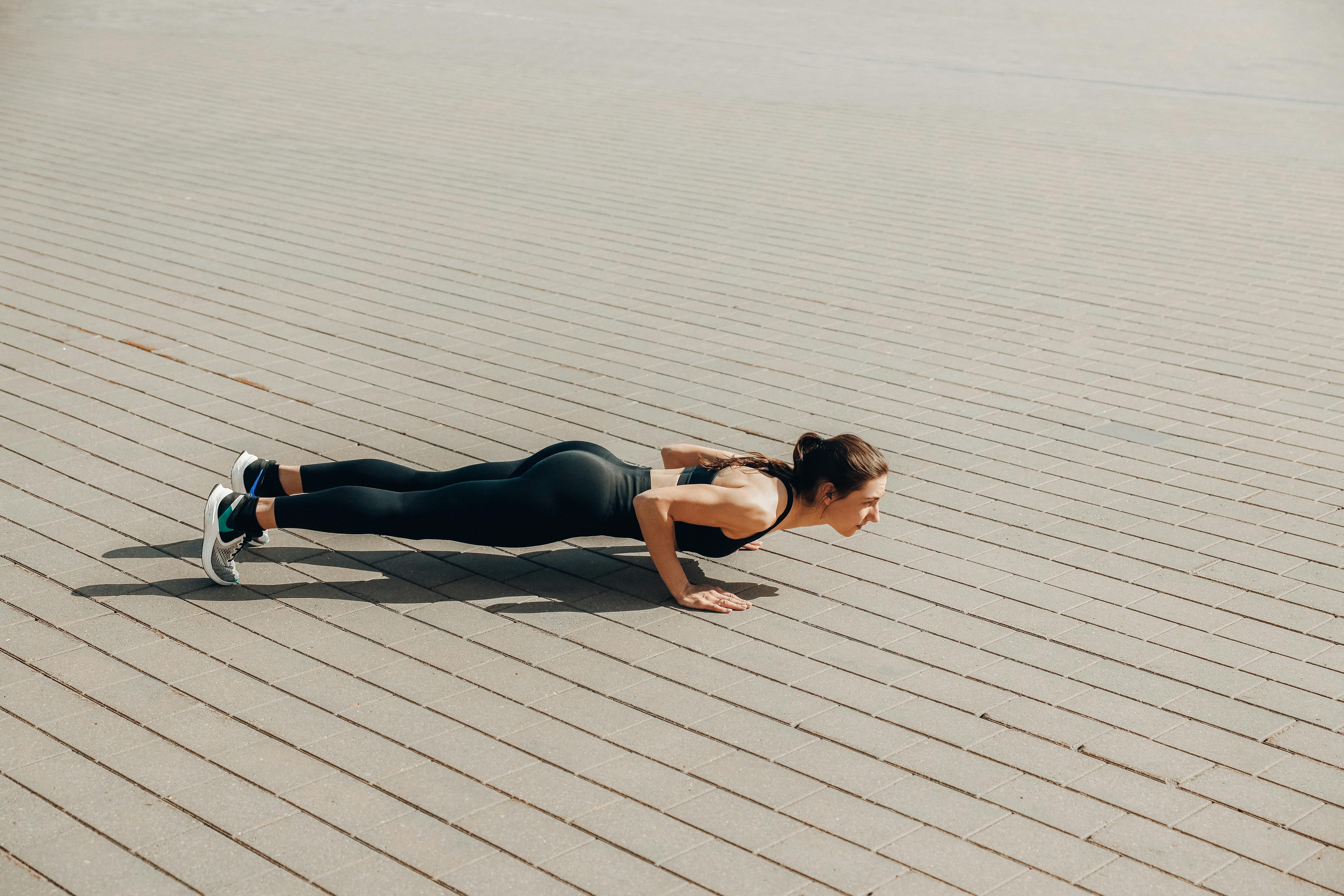
Daily activities such as carrying groceries, climbing stairs, or lifting a child become much easier when your body moves smoothly and efficiently. Strong muscles, good...
Mar 20, 2026
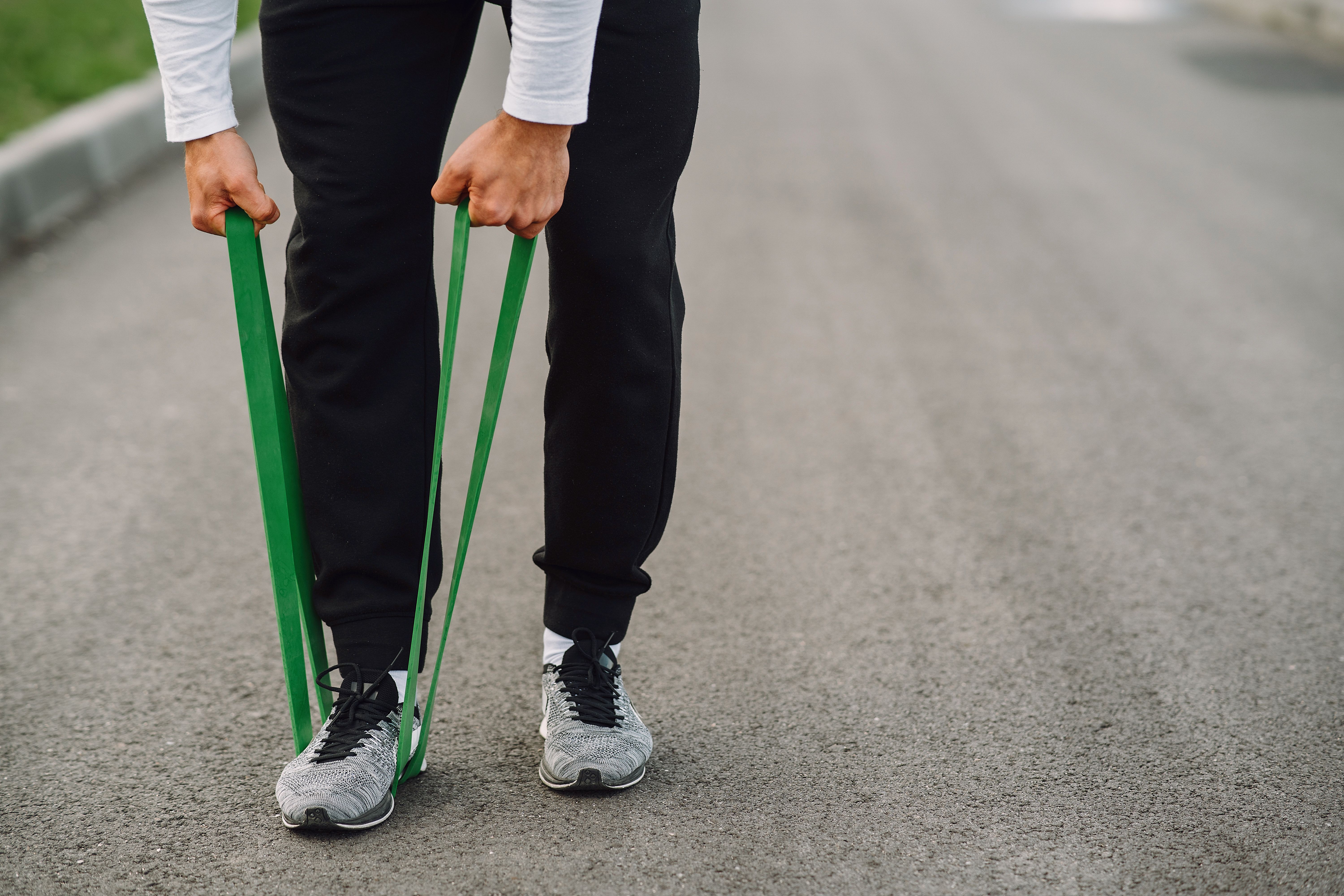
Resistance bands offer an effective way to build strength and increase flexibility without the need for heavy equipment. Their compact size means you can store them in a...
Jul 10, 2026

Simple changes to your daily routine can improve your health while supporting the environment. Swapping out certain kitchen staples, exploring alternative ways to...
May 09, 2026

Regular health checkups offer significant benefits by helping you spot potential problems before they become serious. By choosing screenings that fit your age,...
May 23, 2026

Starting your day with a reliable morning routine can make a big difference in how energized and alert you feel. Choose a wake-up time and stick to it each day to give...
Jul 05, 2026

Cutting back on sugar often seems challenging at first, yet even minor changes can make a noticeable difference over time. This guide highlights seven easy methods to...
May 02, 2026