

The Best Functional Fitness Exercises for Real-Life Strength
Everyday movements, such as lifting grocery bags, carrying children, or pushing open a heavy door, draw from the same strength and motion patterns you develop during...
Aug 22, 2026



Managing ongoing aches often proves challenging, yet moving your body can offer noticeable relief. Pain may prompt you to rest, but gentle physical activity actually helps restore strength and lessen discomfort over time. Concerns about increasing symptoms are common when beginning a new exercise routine, but taking small steps lets you create a practice that honors your boundaries. By gradually including safe movements, you support your joints, improve flexibility, and lift your spirits. Even a few minutes of daily stretching or walking can make a difference, helping you stay active and positive while addressing the discomfort that comes with persistent aches.
This guide breaks down key steps for crafting a fitness plan that fits your needs. You will learn about common pain types, methods to tailor workouts, and ways to track progress. By the end, you will have clear actions to kick off a routine that supports wellness and fewer flare-ups.
Chronic pain lasts more than three months and affects muscles, joints, or nerves. Conditions like arthritis cause joint stiffness, while fibromyalgia leads to widespread tenderness. Nerve pain often creates burning or tingling sensations. Knowing your pain type helps you choose suitable exercises.
Pain intensity may change throughout the day. Stress, posture, and sleep habits influence flare-ups. Tracking these factors in a simple log reveals patterns. That insight lets you adjust activity levels on tough days and push yourself when you feel stronger.
Custom exercises target specific weaknesses and avoid moves that aggravate pain. Targeted strength work builds muscle around vulnerable joints. Gentle stretching keeps tissue flexible. Over time, your body adapts, and daily tasks become easier.
Exercise also triggers the release of endorphins, natural pain fighters. Regular activity improves sleep quality and elevates mood, creating a positive cycle. You focus more on what you can do and less on limitations.
Before you begin, check with a healthcare provider if you have serious health issues. A physical therapist can identify movement restrictions and suggest safe exercises. Many experts recommend a fitness assessment to measure balance, strength, and endurance.
Record basic metrics: how long you can stand without discomfort, your ability to lift light weights, and your range of motion. Use simple tools like a stopwatch and measuring tape. This baseline shows where to start and tracks growth over time.
Adjust intensity by changing band resistance or adding a few more repetitions. Track the weight or band color to see progress. If any move triggers sharp pain, stop and modify.
Perform each activity two to three times per week. Vary your routine to avoid overworking one muscle group. On days when pain spikes, reduce time or intensity instead of stopping completely.
Prioritize regular workouts over intensity. Schedule your exercises like appointments and treat them as nonnegotiable. Even ten minutes of movement count. Over weeks, those small sessions add up to lasting gains.
Keep a simple journal or use a basic app on your phone. Record date, exercise type, duration, and pain levels before and after. Seeing your improvement on paper boosts motivation and highlights patterns.
Celebrate small wins. Maybe you walked an extra five minutes or lifted a slightly heavier load. Acknowledge each milestone to stay engaged. If you hit a slump, revisit your goals and adjust the plan to reignite momentum.
Customized routines help manage chronic pain by focusing on joint-friendly activities and tracking progress. Start small, stay consistent, and improve your daily comfort.
Everyday movements, such as lifting grocery bags, carrying children, or pushing open a heavy door, draw from the same strength and motion patterns you develop during...
Aug 22, 2026
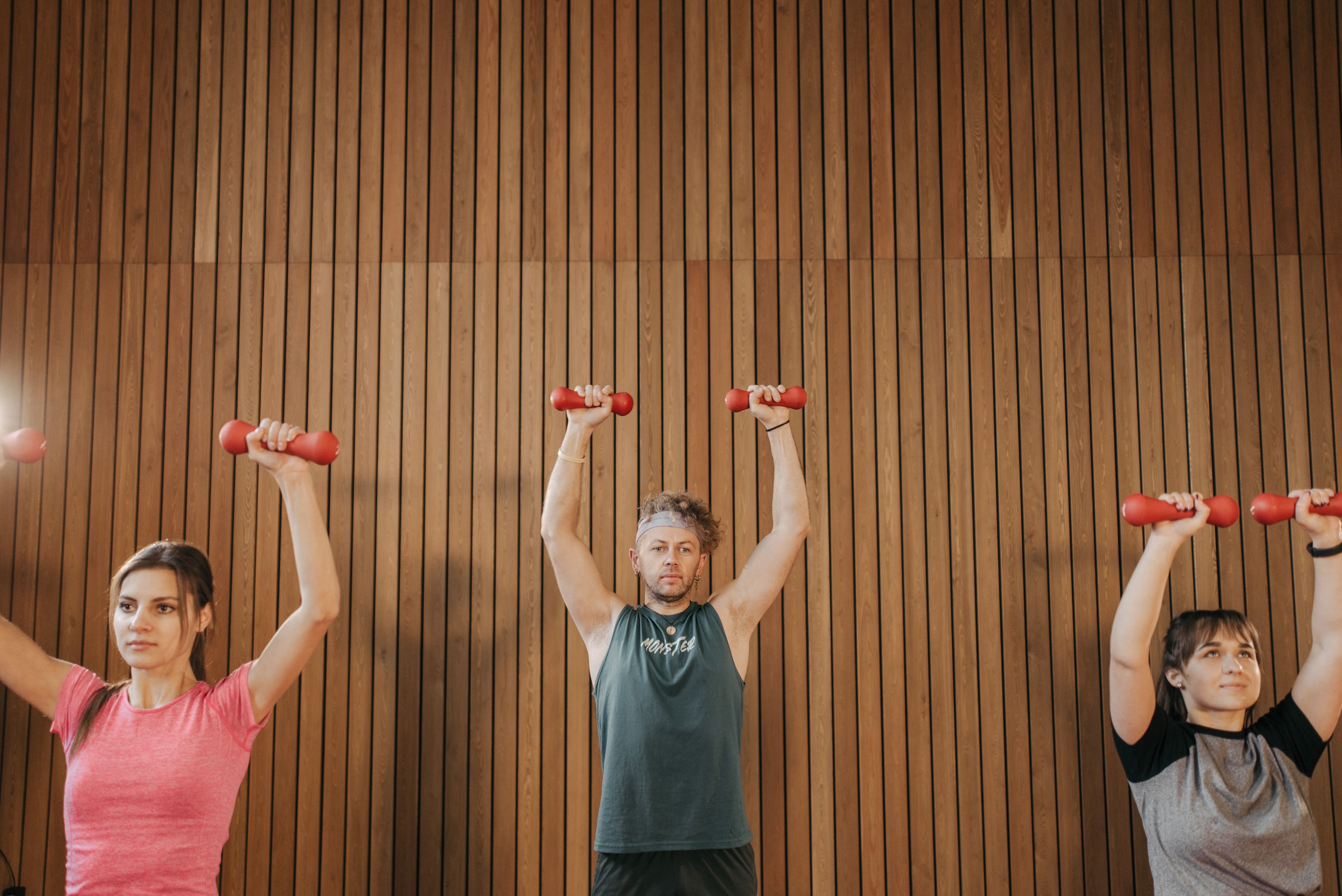
Group fitness challenges bring people together and make building new exercise habits more enjoyable. Sharing workouts with others who have similar fitness goals creates...
Jul 21, 2026
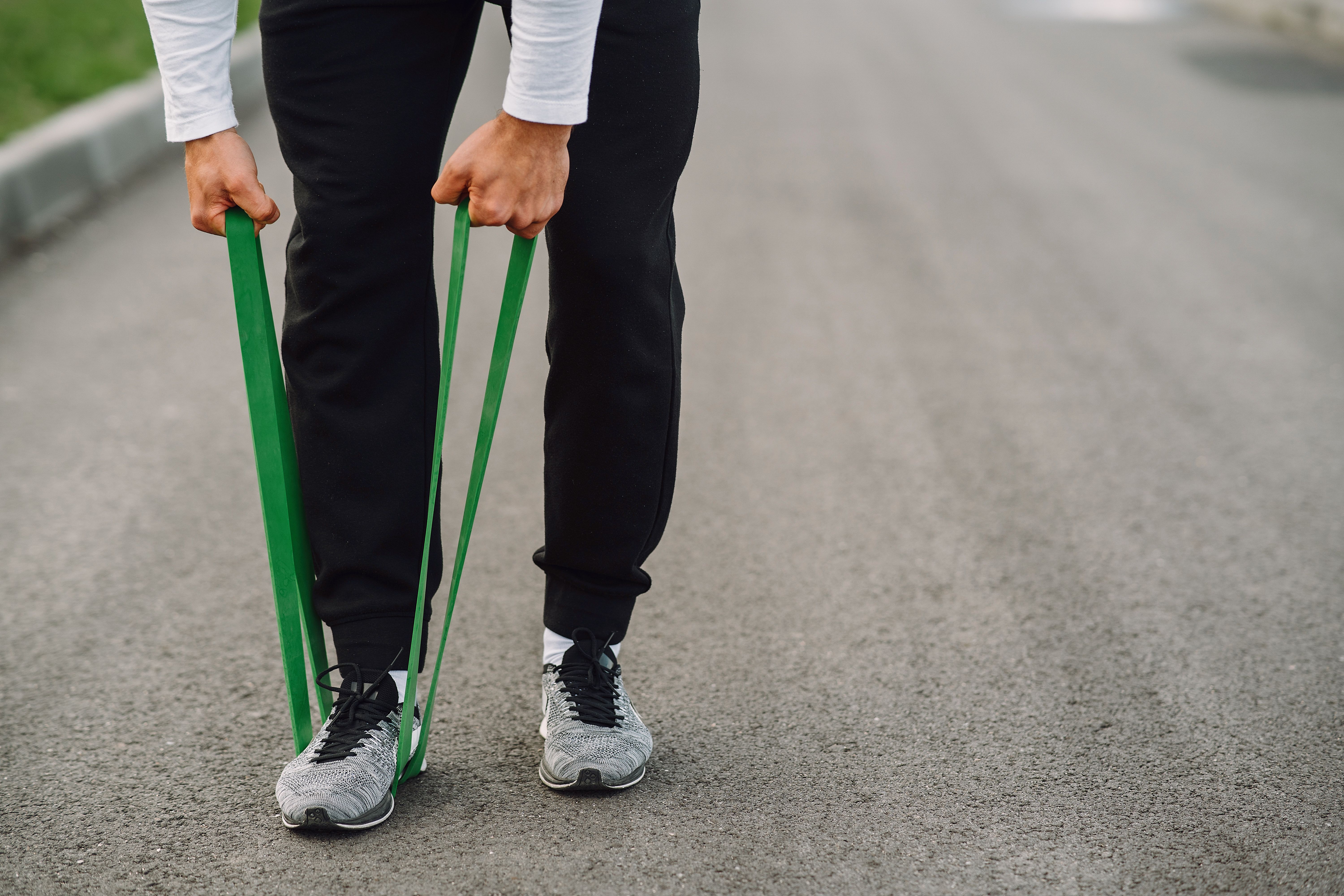
Resistance bands offer an effective way to build strength and increase flexibility without the need for heavy equipment. Their compact size means you can store them in a...
Jul 10, 2026

Finding a tool that seamlessly fits into your daily routine can make healthy habits easier to maintain. More than just counting steps or estimating calories, you deserve...
Aug 09, 2026

Plenty of runners find themselves going through the motions, checking off miles without really savoring the experience. Initial excitement often fades when running turns...
Aug 19, 2026

Interactive workshops combine emotional understanding with hands-on activities to help people build mental resilience. Attendees engage in exercises designed to sharpen...
Aug 12, 2026

Starting your day with a reliable morning routine can make a big difference in how energized and alert you feel. Choose a wake-up time and stick to it each day to give...
Jul 05, 2026

Long hours at a desk often lead to stiff muscles and reduced blood flow. Taking a few minutes for stretch breaks throughout the day loosens your body and helps you feel...
Jun 10, 2026
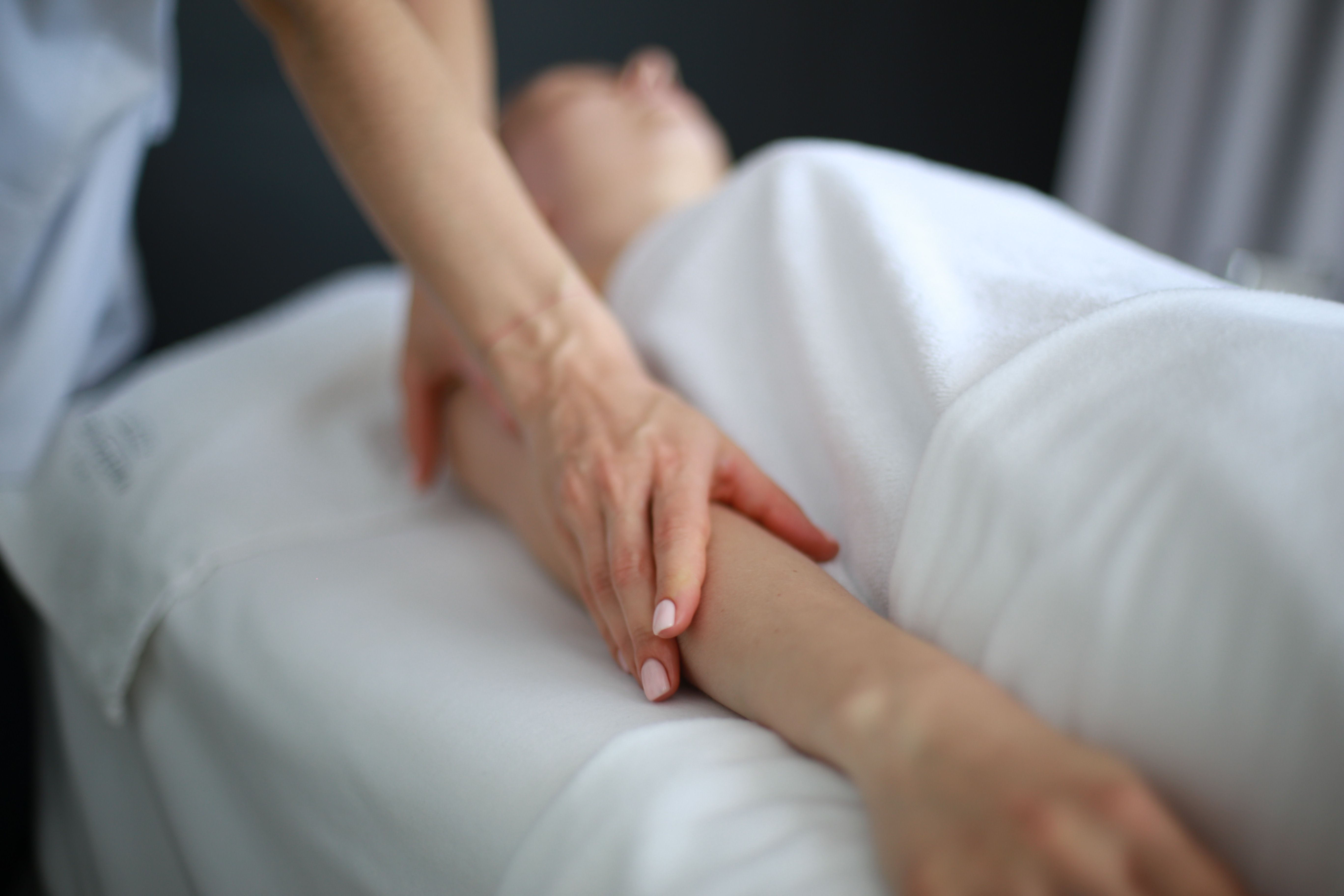
Seasonal changes bring new opportunities to refresh your health habits and keep your routine exciting. As the calendar shifts, you can find inspiration in the unique...
Jul 24, 2026
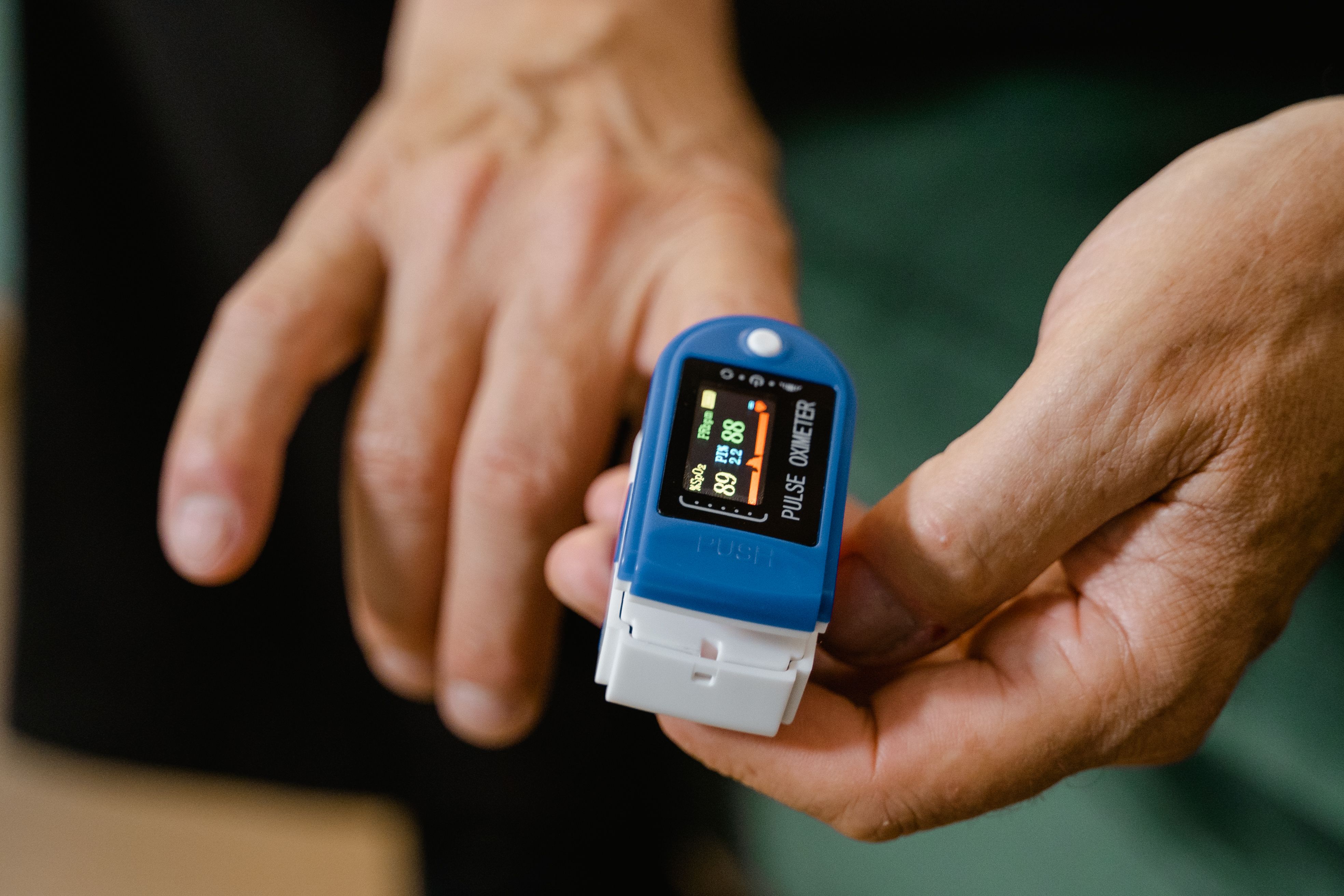
Modern apps and devices simplify the way people keep an eye on their health. These tools deliver instant updates on daily steps, sleep quality, meals, and even stress....
Jul 01, 2026

Fresh sneakers on your feet and a new field or court ahead bring a sense of excitement and anticipation. Many people who join a league feel curious and slightly nervous...
Jun 06, 2026

Regular health checkups offer significant benefits by helping you spot potential problems before they become serious. By choosing screenings that fit your age,...
May 23, 2026

Taking a moment each day to reflect on your routines helps you understand which habits align with your health goals and which ones may hold you back. By asking yourself...
Aug 02, 2026

Small choices before bedtime greatly affect how well we sleep each night. When the soft light from phones or televisions fills the room after dark, our brains stay alert...
May 07, 2026