
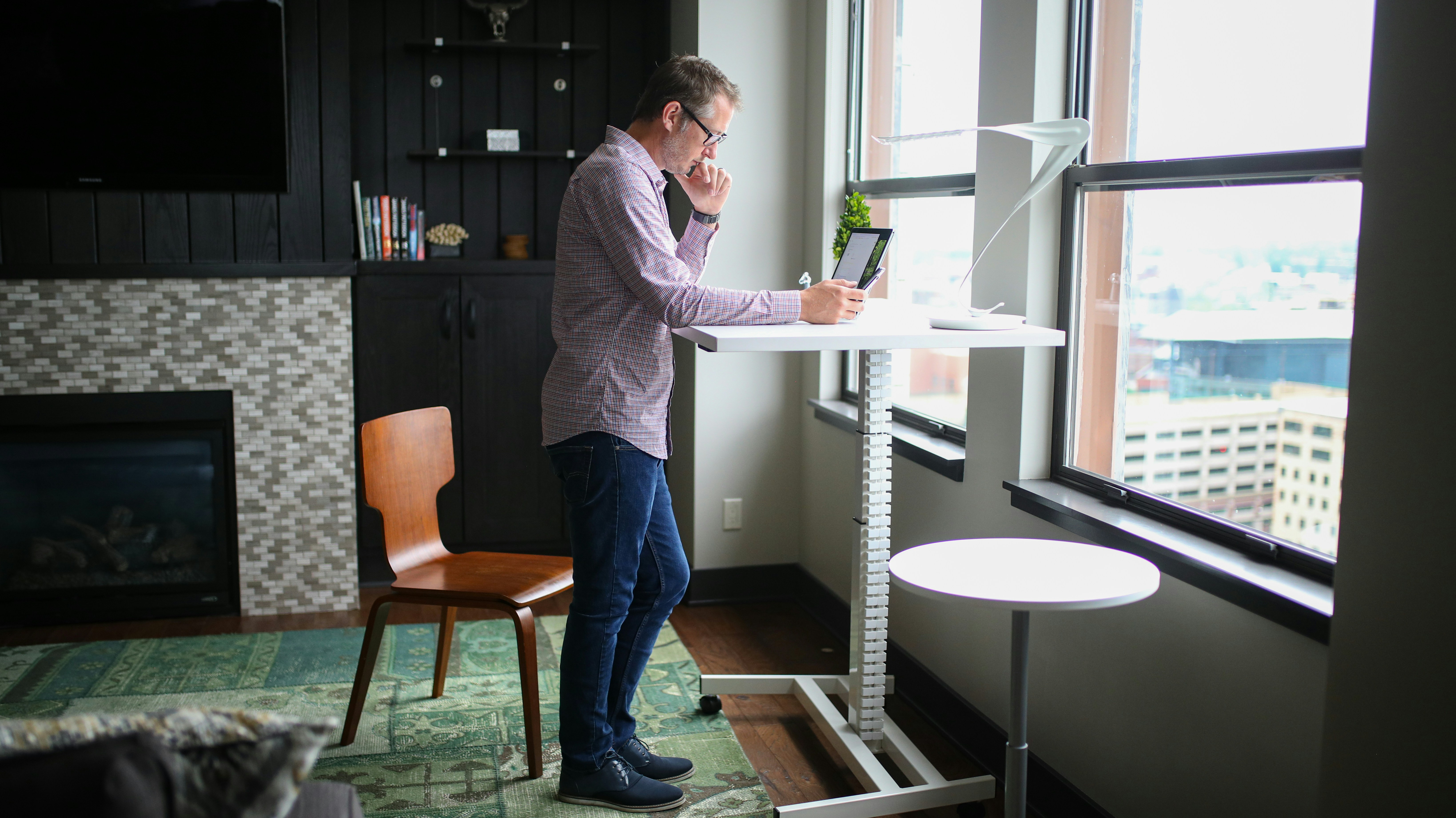
The Best Workshops for Mastering Ergonomics When Working Remotely
Many people spend hours at their desks while working from home, which can lead to stiffness, soreness, or fatigue before the day is even halfway over. Paying attention...
Sep 21, 2026



Healthy bones form the foundation for every movement, from walking and lifting to turning and reaching. When you build bone density with resistance exercises, you strengthen your body’s ability to maintain balance, prevent fractures, and improve your overall posture. Simple routines using resistance bands, dumbbells, or just your own body weight can make a significant difference, even without access to a gym. These practical tools and exercises fit easily into daily life, helping you stimulate bone growth and stay active. Focusing on these movements keeps your bones strong and supports your body as you move through each day.
This guide explains how loading your skeleton sends powerful signals to bone-forming cells. It outlines easy exercises, safety checkpoints, and nutrition pointers to keep your frame robust. Let’s explore moves that fit busy schedules and modest home gyms.
Bones constantly remodel by breaking down old tissue and building new. Peak bone mass occurs in your late 20s to early 30s. After that, you lose density about 0.5% to 1% per year. Resistance training triggers a higher turnover toward building fresh, stronger bone.
Mechanical stress from muscle pulls on bone surfaces. That tension activates osteoblasts—the cells that deposit mineral and collagen. Over time, you’ll notice firmer feeling joints, fewer aches, and greater confidence in everyday tasks like carrying groceries or climbing stairs.
Load, frequency, and progression determine how you build bones. Aim for moderate to high loads—weights between 60% and 85% of your one-rep max—performed two to three times per week. If you’re new, start lighter and gradually add weight or extra reps each week.
Focus on multi-joint moves that engage large muscle groups and cover key areas: hips, spine, wrists, and shoulders. These regions face high fracture risk, so you should put targeted stress on them. Keep rep ranges between 6 and 12 to balance strength and bone response.
Below is a set of foundational movements. You can swap a dumbbell for a kettlebell or resistance band if needed. Perform three sets of each exercise, resting one minute between sets.
Adjust each exercise by changing the load or stance. For example, a wider squat stance emphasizes outer hips. A narrow stance shifts tension to inner thigh bones.
Consider periodic form checks with a trainer or use a mirror to spot alignment errors. Small adjustments in posture can prevent injuries and help bone tissue respond better to load.
Building bones requires more than lifting. You need raw materials and hormone support. Calcium, vitamin D, protein, and magnesium play key roles.
Adults should aim for about 1,000–1,200 mg of calcium daily. Include low-fat dairy, leafy greens, and fortified plant milks in your diet. Get 600–800 IU of vitamin D from sun exposure or supplements to help your body absorb calcium.
Consuming 1.2–1.5 grams of protein per kilogram of body weight helps repair micro-tears in muscle and promotes bone matrix synthesis. Combine plant sources like beans and nuts with lean meats or fish.
Don’t forget magnesium (300–400 mg/day). It controls vitamin D conversion and calcium distribution. Spinach, almonds, and whole grains make good additions to your meals.
Sticking with your routine creates lasting change. Follow a two- to three-day weekly schedule and keep a journal of your progress. Mix heavier load days with lighter, higher-rep sessions for variety.
Pair your workouts with balanced, whole-food meals. Over weeks and months, you’ll notice stronger wrists, more stable hips, and fewer everyday aches. Combining simple resistance exercises with smart nutrition helps you build a sturdy frame that lasts into later years.
Start by using *dumbbells* or resistance bands to stimulate your bones. Regular sessions each week build a stronger foundation for your bones over time.
Many people spend hours at their desks while working from home, which can lead to stiffness, soreness, or fatigue before the day is even halfway over. Paying attention...
Sep 21, 2026
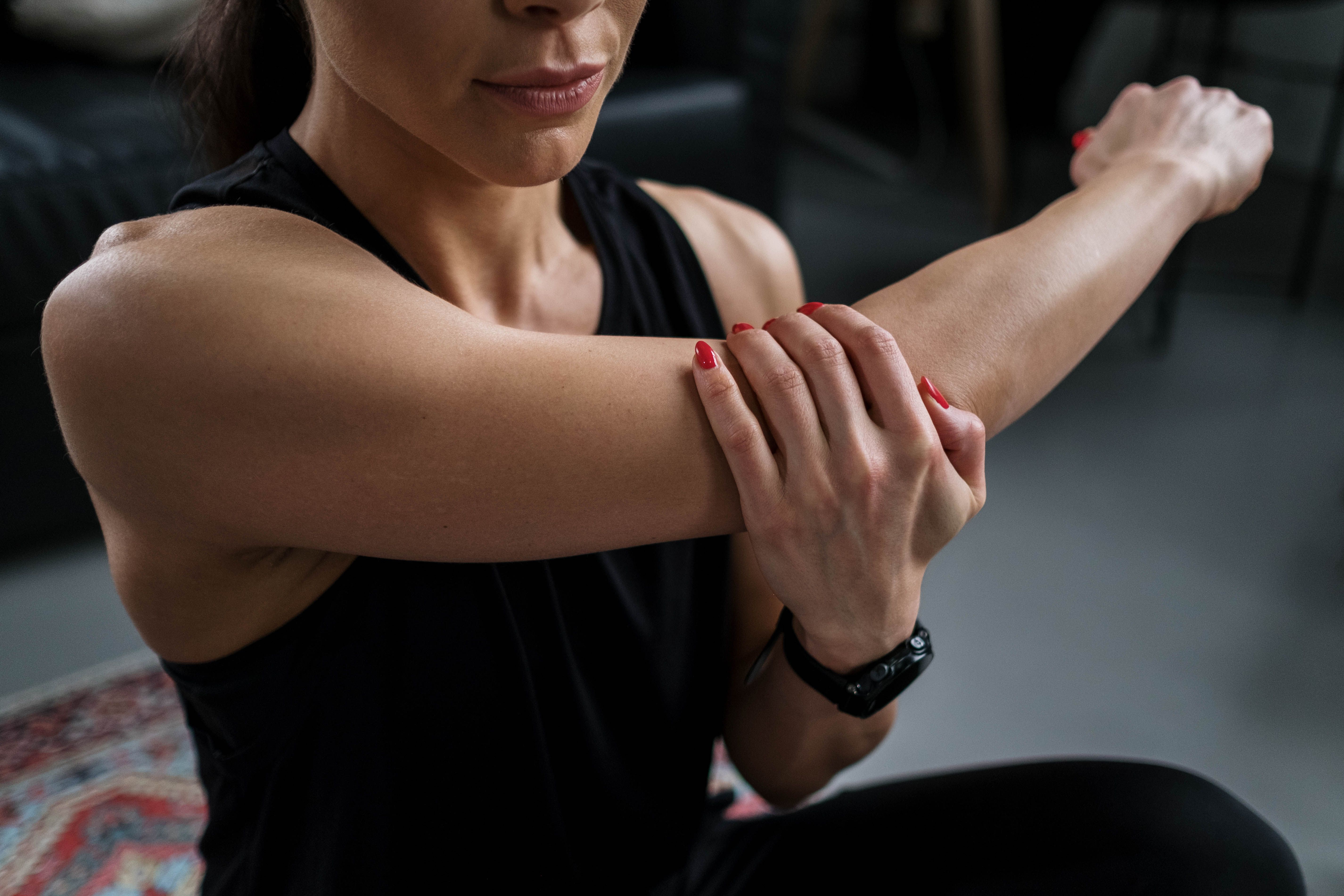
Daily routines often become more challenging when your joints feel stiff and uncooperative. Keeping your body moving with consistent mobility exercises helps you stay...
Aug 16, 2026

Long hours at a desk often lead to stiff muscles and reduced blood flow. Taking a few minutes for stretch breaks throughout the day loosens your body and helps you feel...
Jun 10, 2026
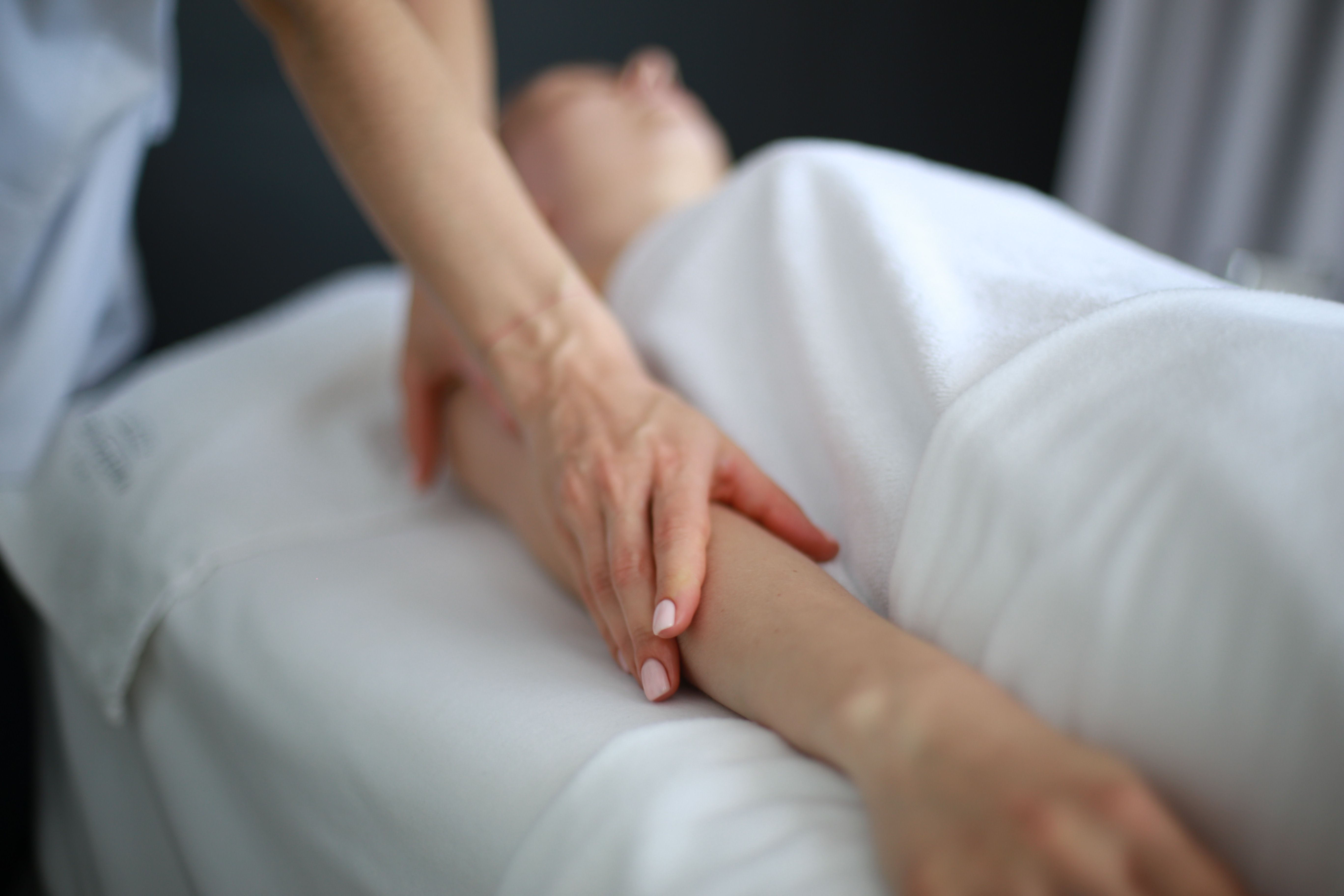
Seasonal changes bring new opportunities to refresh your health habits and keep your routine exciting. As the calendar shifts, you can find inspiration in the unique...
Jul 24, 2026

Staying energized each day depends on more than grabbing a cup of coffee. Your body relies on water to help cells convert nutrients into the fuel you need. When you...
Sep 04, 2026
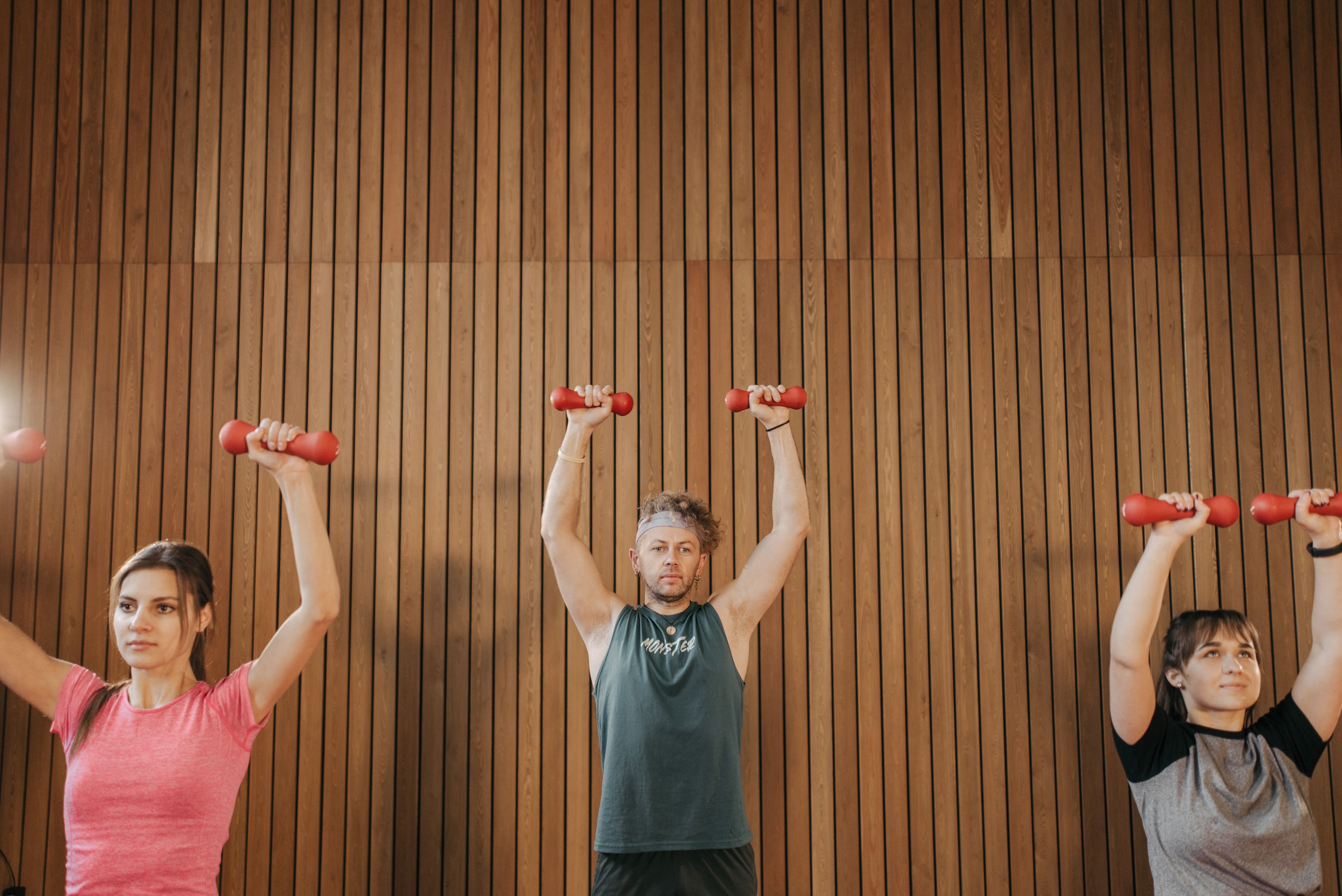
Group fitness challenges bring people together and make building new exercise habits more enjoyable. Sharing workouts with others who have similar fitness goals creates...
Jul 21, 2026

Riding a bike offers a practical way to improve both lung capacity and heart health, making it easier to handle everyday stress. Pedaling on a regular basis gives you a...
Jul 15, 2026

Interactive workshops combine emotional understanding with hands-on activities to help people build mental resilience. Attendees engage in exercises designed to sharpen...
Aug 12, 2026

Starting your day with a reliable morning routine can make a big difference in how energized and alert you feel. Choose a wake-up time and stick to it each day to give...
Jul 05, 2026

Developing mental strength requires dedication, patience, and the right resources to help you stay on track. Personal development courses provide structured support,...
Sep 16, 2026

Attending an interactive webinar focused on preventing chronic conditions offers a valuable chance to discover practical ways to lower blood pressure, maintain healthy...
Sep 12, 2026

Finding a tool that seamlessly fits into your daily routine can make healthy habits easier to maintain. More than just counting steps or estimating calories, you deserve...
Aug 09, 2026

Taking a moment each day to reflect on your routines helps you understand which habits align with your health goals and which ones may hold you back. By asking yourself...
Aug 02, 2026

Close relationships with friends, family, and neighbors can brighten our mood and support overall physical health. When people connect with others, the brain releases...
Jun 24, 2026