
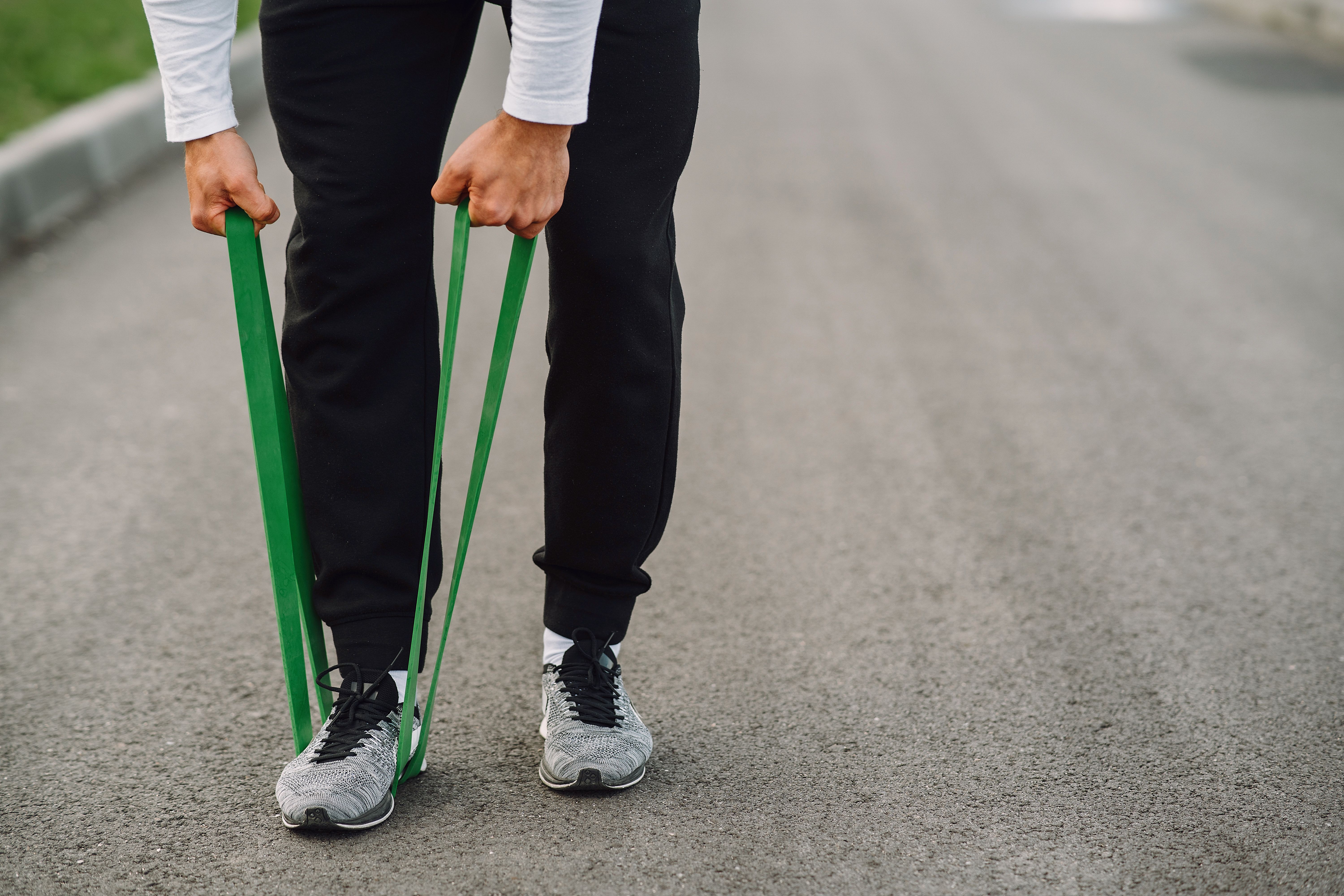
5 Resistance Band Moves That Target Every Major Muscle Group
Resistance bands offer an effective way to build strength and increase flexibility without the need for heavy equipment. Their compact size means you can store them in a...
Jul 10, 2026



Beginner cycling workouts that boost cardio without strain introduces simple cycling routines designed to help adults improve their heart health while reducing the risk of injury. Each workout breaks down the process into easy-to-follow steps, from learning essential safety tips to building structured sessions that suit anyone starting out. Clear instructions guide you through each ride, while practical reminders help you stay focused and comfortable. The workouts offer gentle progression and encouragement, making cycling more approachable for those looking to add activity to their routine. Every detail has been checked for clarity and usefulness, ensuring a smooth and enjoyable start to cycling fitness.
Completing these five steps ensures every ride remains comfortable and avoids common injuries. Taking two minutes before each session helps you reinforce this habit and creates a solid foundation for consistent workouts.
This steady ride builds a cardio base without stressing joints. Tracking cadence and heart rate helps you make steady progress week after week.
Completing one to two of these rides weekly strengthens your heart and lungs. It also trains your muscles to work efficiently at a moderate effort.
Interval sessions alternate between high effort and recovery to increase your cardio capacity in less time. Select a flat road or a stationary setup to avoid steep climbs during intense efforts.
Start with a 5-minute warm-up at an easy pace. Then pedal hard for 30 seconds at 80–90% effort, followed by 90 seconds at a gentle pace. Repeat this cycle 6–8 times before cooling down for 5 minutes.
Using a stopwatch or cycle computer helps keep each interval accurate. Challenging yourself with hard efforts activates fast-twitch fibers and enhances oxygen delivery to muscles.
Once you master eight intervals, add two more or extend the high-intensity bursts to 45 seconds. Small adjustments challenge your system without risking overuse injuries.
Simulating a hill climb on a stationary bike strengthens leg muscles and improves pedal efficiency. Gradually increase resistance to mimic ascending a gentle slope.
Begin with 5 minutes of easy pedaling, then add resistance equivalent to a 4–5% incline. Maintain 60 RPM for 3 minutes, then lower resistance for 2 minutes to recover. Repeat this sequence 5 times. Finish with a 5-minute cooldown.
This routine targets glutes, quads, and hamstrings in a controlled environment. Monitoring heart rate or perceived exertion helps you keep workout intensity in a moderate zone.
After four weeks, raise resistance by one notch or increase climb time to 4 minutes. These modifications improve power output and stamina for future road or trail rides.
Focusing on pedal speed trains neuromuscular coordination and leg turnover. Use a flat stretch of road or a spin bike with a smooth flywheel.
Warm up at 80–90 RPM for 5 minutes. Then spin at 100–110 RPM for 1 minute, followed by 70 RPM for 2 minutes. Repeat five times, then spin freely at your preferred cadence for 3 minutes before cooling down.
Maintaining high RPM under low resistance challenges your coordination and reduces muscle stiffness. Over time, your legs adapt to faster turnover without added strain.
As your confidence grows, add more repetitions or shorten recovery periods. This routine complements longer endurance rides to diversify your fitness improvements.
Recovery sessions support muscle repair and help decrease soreness. Aim for a very gentle pace where your legs feel light, and your heart rate stays low.
Pedal at 60–65% of your maximum heart rate for 20–30 minutes. Choose a scenic route or gentle trail to stay motivated. Keep resistance minimal to focus on smooth motion and good posture.
Afterward, spend 5 minutes stretching hips and lower back. These gentle rides help flush metabolic waste from muscles and reset your body for more intense efforts.
Schedule one active rest ride each week. Consistent low-stress cycling prevents burnout and helps you maintain the habit of daily movement.
Combining these five cycling routines improves your cardio fitness while protecting your joints and muscles. Each session targets endurance, strength, speed, or recovery to support steady progress.
Resistance bands offer an effective way to build strength and increase flexibility without the need for heavy equipment. Their compact size means you can store them in a...
Jul 10, 2026
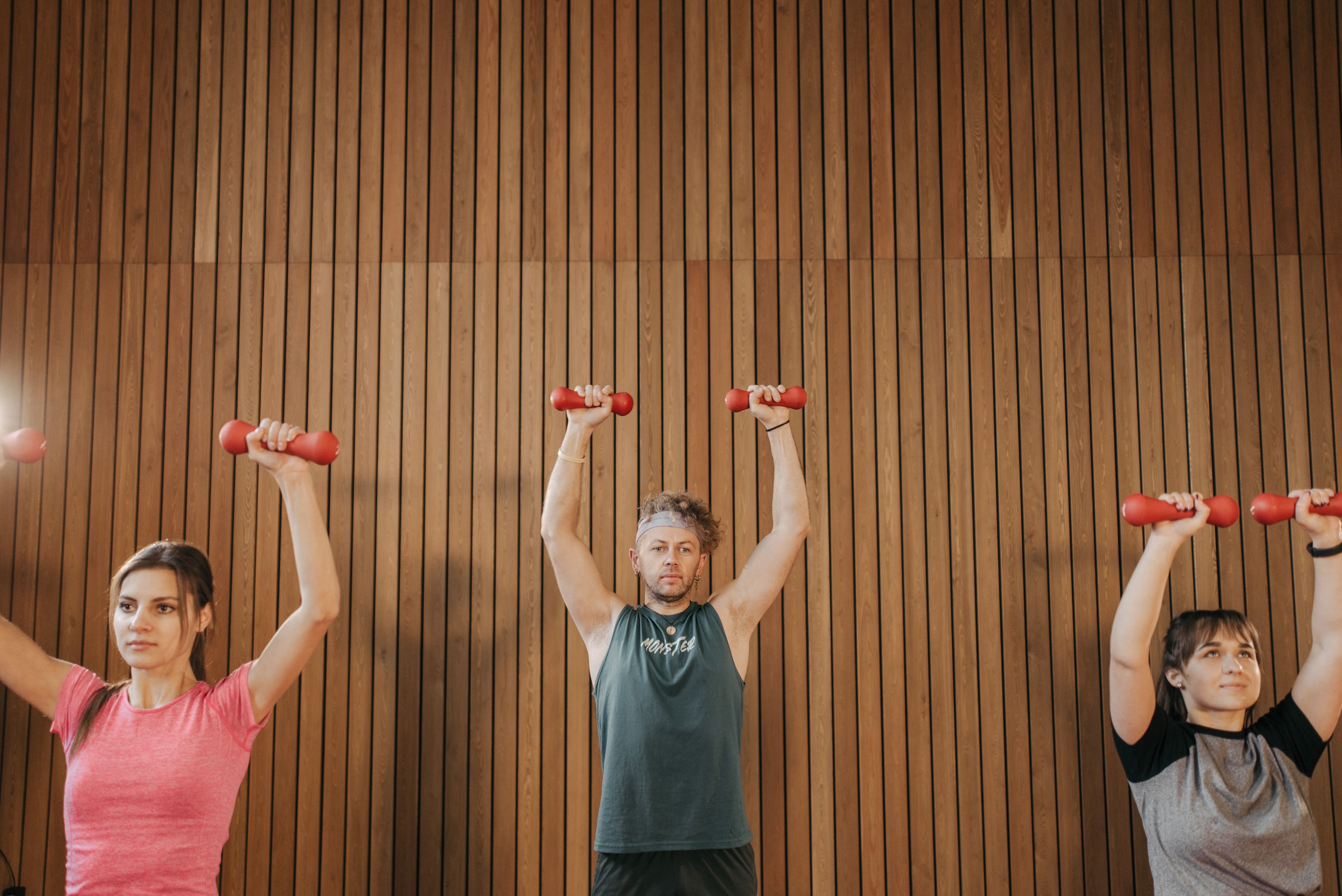
Group fitness challenges bring people together and make building new exercise habits more enjoyable. Sharing workouts with others who have similar fitness goals creates...
Jul 21, 2026
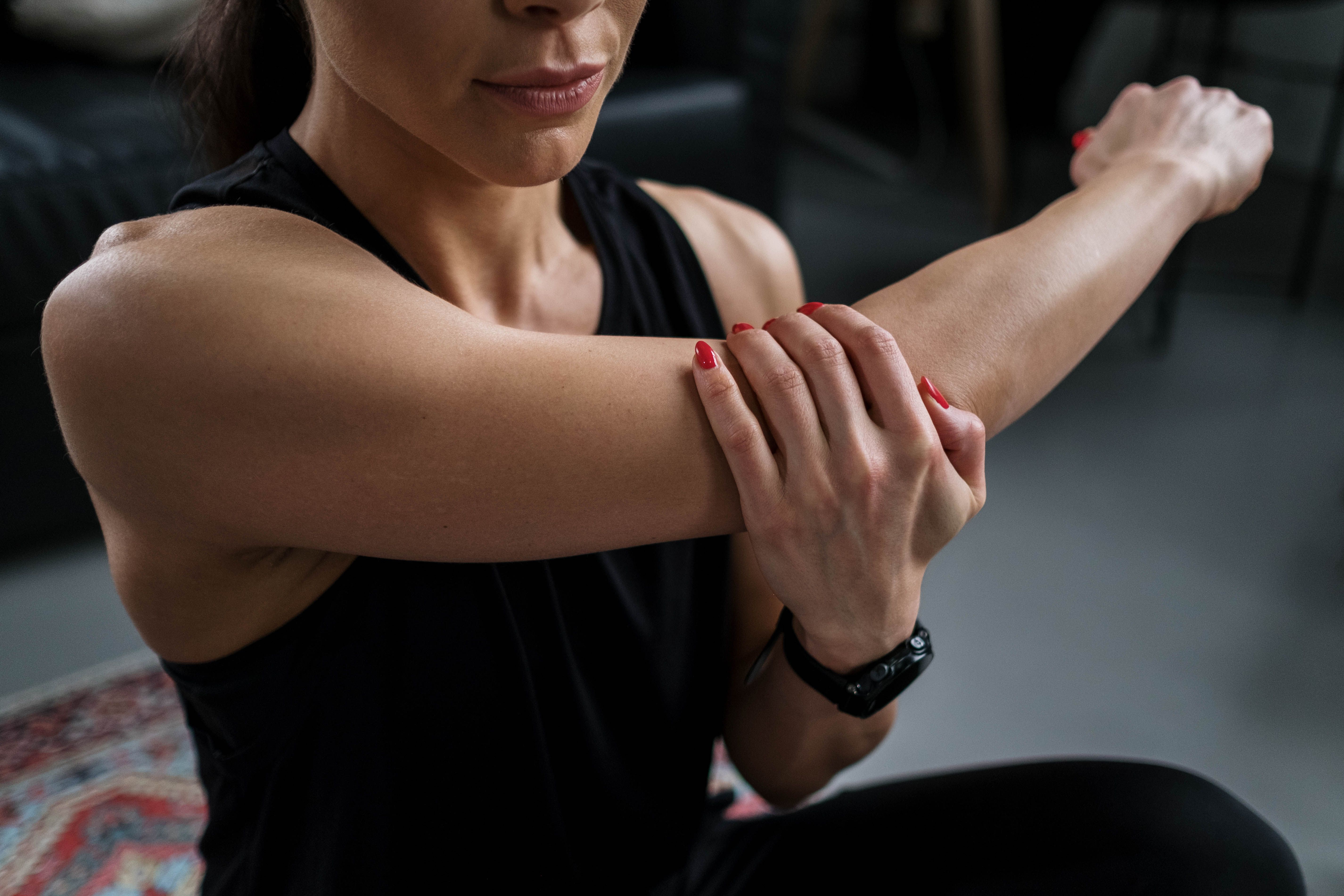
Daily routines often become more challenging when your joints feel stiff and uncooperative. Keeping your body moving with consistent mobility exercises helps you stay...
Aug 16, 2026

Finding a tool that seamlessly fits into your daily routine can make healthy habits easier to maintain. More than just counting steps or estimating calories, you deserve...
Aug 09, 2026

Seasonal changes bring new opportunities to refresh your health habits and keep your routine exciting. As the calendar shifts, you can find inspiration in the unique...
Jul 24, 2026

Modern apps and devices simplify the way people keep an eye on their health. These tools deliver instant updates on daily steps, sleep quality, meals, and even stress....
Jul 01, 2026

Fresh sneakers on your feet and a new field or court ahead bring a sense of excitement and anticipation. Many people who join a league feel curious and slightly nervous...
Jun 06, 2026

Long hours at a desk often lead to stiff muscles and reduced blood flow. Taking a few minutes for stretch breaks throughout the day loosens your body and helps you feel...
Jun 10, 2026

Staying energized each day depends on more than grabbing a cup of coffee. Your body relies on water to help cells convert nutrients into the fuel you need. When you...
Sep 04, 2026

Everyday movements, such as lifting grocery bags, carrying children, or pushing open a heavy door, draw from the same strength and motion patterns you develop during...
Aug 22, 2026

Many people spend hours at their desks while working from home, which can lead to stiffness, soreness, or fatigue before the day is even halfway over. Paying attention...
Sep 21, 2026

Developing mental strength requires dedication, patience, and the right resources to help you stay on track. Personal development courses provide structured support,...
Sep 16, 2026

Taking a moment each day to reflect on your routines helps you understand which habits align with your health goals and which ones may hold you back. By asking yourself...
Aug 02, 2026

Starting your day with a reliable morning routine can make a big difference in how energized and alert you feel. Choose a wake-up time and stick to it each day to give...
Jul 05, 2026