

5 Fitness Modifications That Help You Stay Active With Injuries
Recovering from an injury often means finding new ways to keep your body moving while protecting the area that needs time to heal. When you deal with a sore knee, a...
Jun 02, 2026



Busy schedules often leave little time for lengthy gym sessions, but circuit training makes it possible to stay active and fit without sacrificing hours each week. By alternating resistance exercises with brief periods of cardio, you can build muscle and boost endurance in under half an hour. This style of workout keeps your heart rate up, encourages calorie burn, and helps you see real progress even when time is short. Carefully designed circuits keep routines fresh and challenging, so you never fall into a rut. With circuit training, you make the most of every minute spent exercising, all while balancing daily responsibilities.
Start by setting clear goals. Decide if you want to burn fat, build muscle or increase stamina. Then choose exercises that match those objectives. Keep equipment simple—bodyweight, dumbbells and a jump rope serve well. Preparing ahead unlocks maximum results, even on busy days.
Recording your progress turns effort into tangible results. Log weights, repetitions and interval durations in a journal or app. Notice how your lifts improve and your resting heart rate decreases. These signs motivate you to keep pushing forward.
Create mini-challenges. Try to cut five seconds from your round time or add two repetitions each session. Celebrate small victories—every extra rep or minute saved counts. Share your progress with a workout partner or community for accountability.
Change your routines every four weeks. Introducing new exercises prevents boredom and stalls. Switch lunges for step-ups, or kettlebell swings for medicine-ball slams. Keep your muscles guessing and your mind engaged.
Celebrate your consistency with guilt-free rewards. A new workout shirt or a relaxing massage can reinforce positive habits. Focus on lasting improvements instead of instant perfection.
Set clear goals, follow routines, and track progress to make your workouts effective. Circuit training fits into busy schedules and helps you build strength, burn fat, and boost energy efficiently.
Recovering from an injury often means finding new ways to keep your body moving while protecting the area that needs time to heal. When you deal with a sore knee, a...
Jun 02, 2026
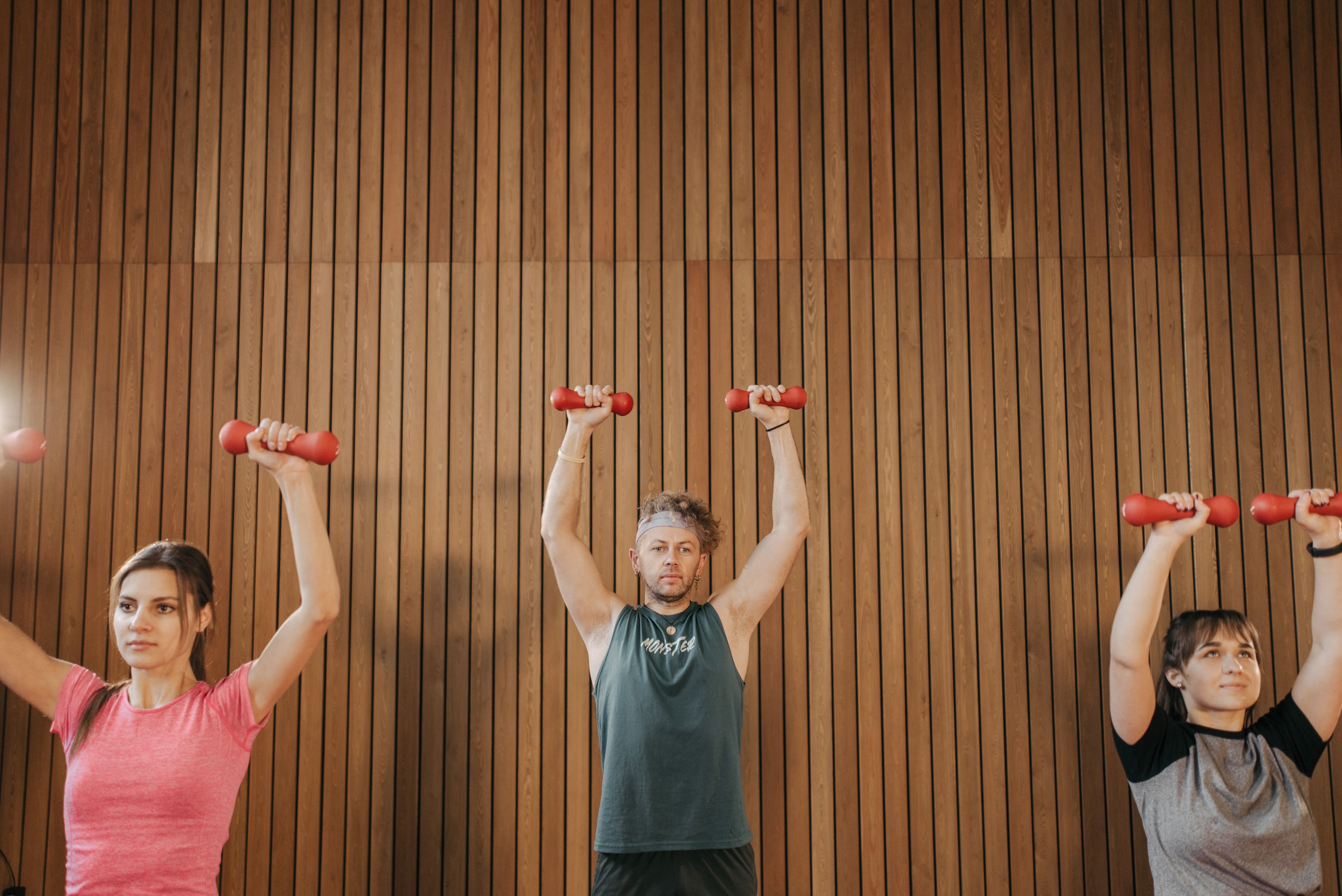
Group fitness challenges bring people together and make building new exercise habits more enjoyable. Sharing workouts with others who have similar fitness goals creates...
Jul 21, 2026
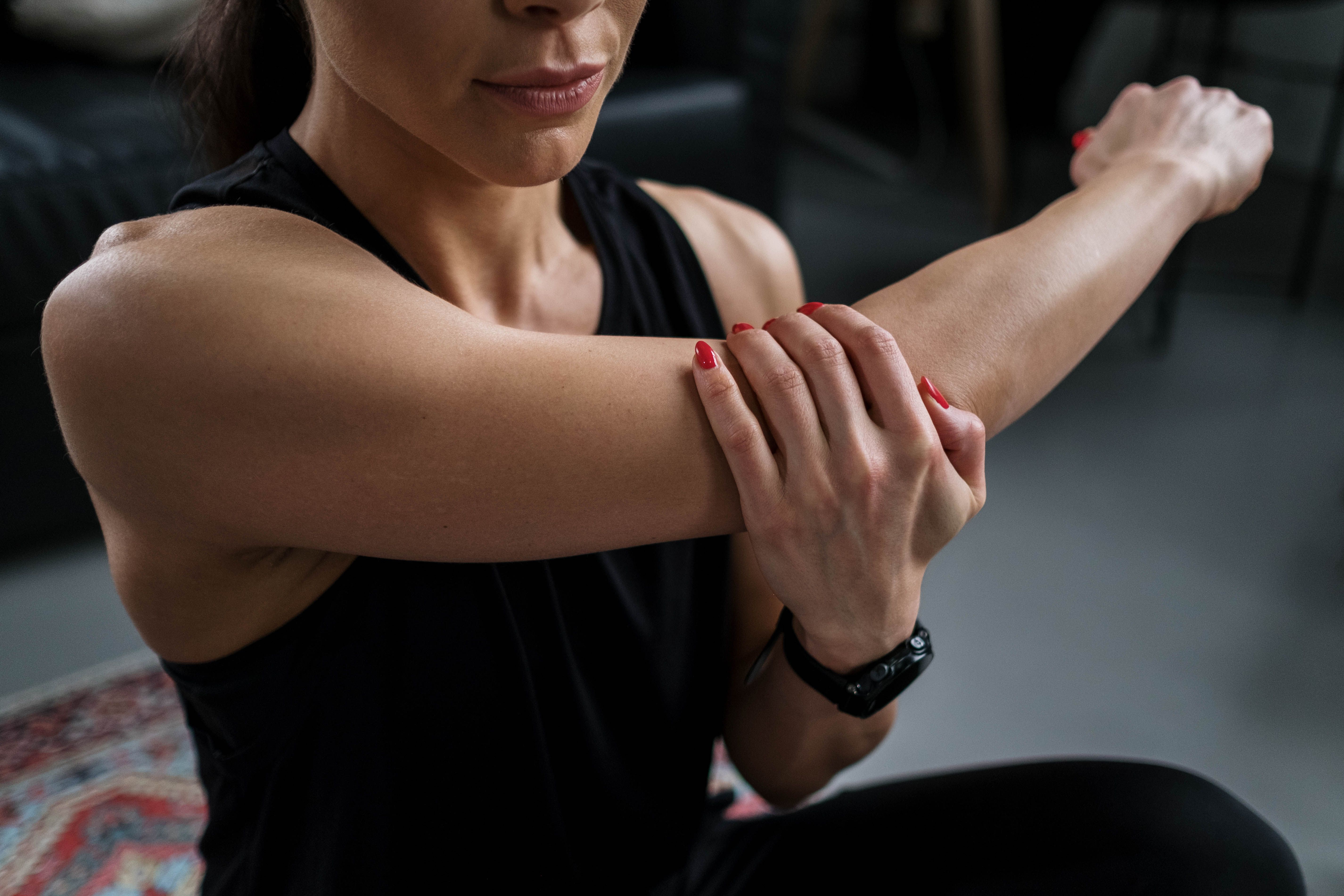
Daily routines often become more challenging when your joints feel stiff and uncooperative. Keeping your body moving with consistent mobility exercises helps you stay...
Aug 16, 2026

Riding a bike offers a practical way to improve both lung capacity and heart health, making it easier to handle everyday stress. Pedaling on a regular basis gives you a...
Jul 15, 2026

Plenty of runners find themselves going through the motions, checking off miles without really savoring the experience. Initial excitement often fades when running turns...
Aug 19, 2026
Seasonal changes bring new opportunities to refresh your health habits and keep your routine exciting. As the calendar shifts, you can find inspiration in the unique...
Jul 24, 2026

Long hours at a desk often lead to stiff muscles and reduced blood flow. Taking a few minutes for stretch breaks throughout the day loosens your body and helps you feel...
Jun 10, 2026

Interactive workshops combine emotional understanding with hands-on activities to help people build mental resilience. Attendees engage in exercises designed to sharpen...
Aug 12, 2026

Starting your day with a reliable morning routine can make a big difference in how energized and alert you feel. Choose a wake-up time and stick to it each day to give...
Jul 05, 2026

Finding a tool that seamlessly fits into your daily routine can make healthy habits easier to maintain. More than just counting steps or estimating calories, you deserve...
Aug 09, 2026

Close relationships with friends, family, and neighbors can brighten our mood and support overall physical health. When people connect with others, the brain releases...
Jun 24, 2026

Regular health checkups offer significant benefits by helping you spot potential problems before they become serious. By choosing screenings that fit your age,...
May 23, 2026

Busy workweeks often make it challenging to maintain healthy eating habits. As tasks build up and meetings fill your schedule, you might find yourself reaching for quick...
Aug 05, 2026

Taking a moment each day to reflect on your routines helps you understand which habits align with your health goals and which ones may hold you back. By asking yourself...
Aug 02, 2026