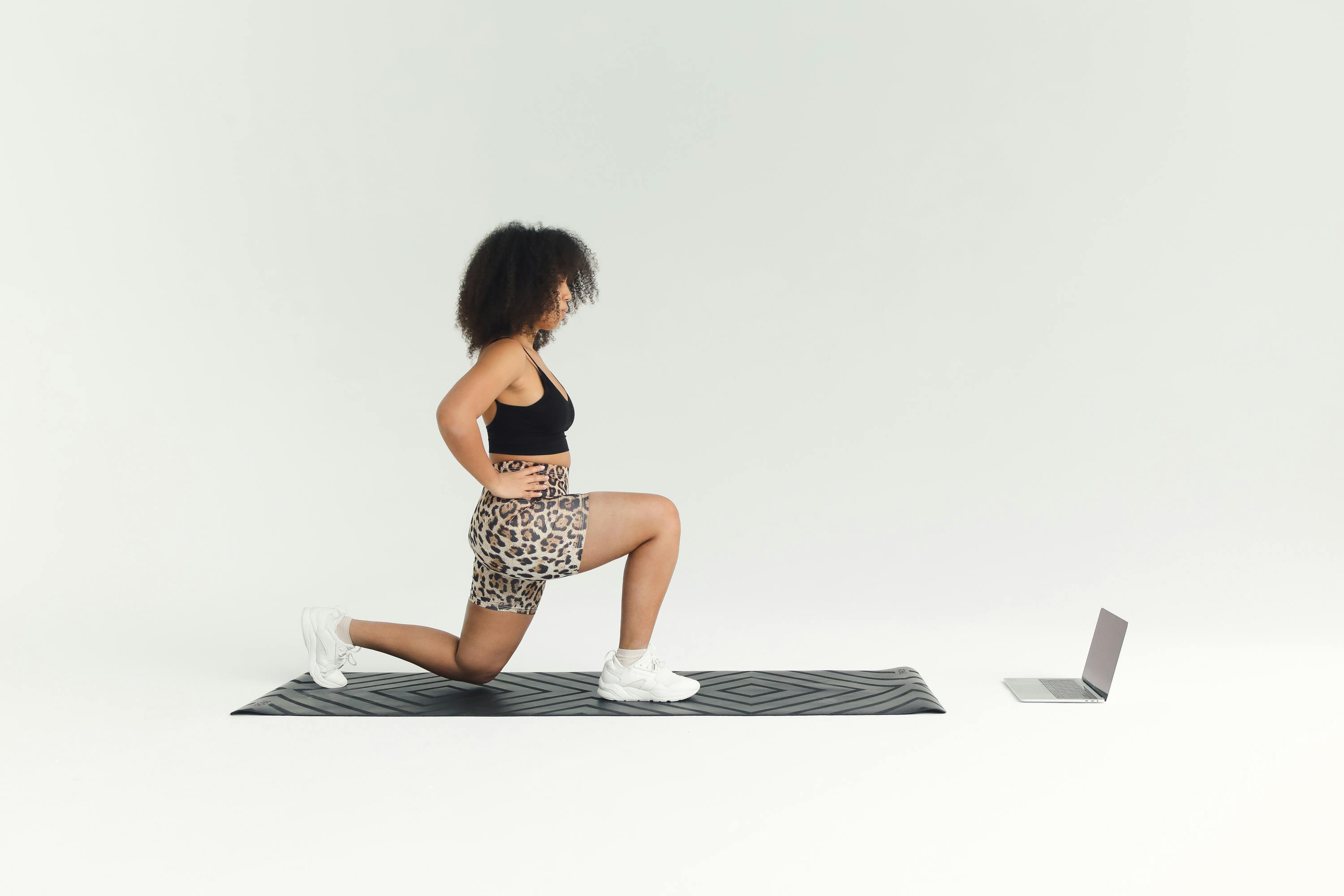
Strengthening your core offers benefits that extend far beyond better posture. A solid core helps you maintain stability, ease discomfort in your lower back, and handle everyday movements with less effort. You can achieve these improvements without expensive equipment or a gym pass. All you need is a comfortable mat and some targeted exercises to start noticing positive changes in how your body feels and functions. Even short sessions at home can support your energy and make routine activities, like lifting groceries or climbing stairs, much more manageable. Let simple movements set the foundation for a healthier, more capable body.
This set of beginner-friendly Pilates exercises serves anyone who wants to feel more stable, confident, and pain-free. You’ll get clear steps, safety pointers, and tips to push forward as you grow stronger.
Benefits of Pilates for Core Strength
- Improve spinal alignment: Pilates encourages a neutral spine position to protect your back.
- Enhance muscle control: You learn to activate deep stabilizers, not just surface muscles.
- Boost flexibility: As you strengthen, your mobility increases, lowering injury risk.
- Support posture: A solid core reduces slouching and balances your center of gravity.
- Reduce daily aches: Tension in hips and lower back often eases as your core gets firmer.
These benefits connect directly to everyday movement. Whether you lift groceries or stand at a desk, a balanced core makes tasks smoother.
By building stable support around your midsection, you reduce strain on joints. You also guard against sudden twists or slips that commonly cause strains.
Beginner-Friendly Pilates Moves
- Pelvic Tilt: Lie on your back with knees bent. Tuck your tailbone, flattening your spine. Release and repeat 10–12 times.
- Chest Lift: From the same start, lift your head and shoulders a few inches off the mat. Keep hands behind your neck. Lower with control, 10 reps.
- Single-Leg Stretch: Lift your head, shoulders, and one knee toward your chest. Switch legs, holding each 5–6 counts. Do 8 rounds.
- Double-Leg Lower: Keep your head lifted while lowering both legs to a 45° angle. Stop if you feel strain. Bring legs up slowly. Repeat 6–8 times.
- Bird Dog: From all fours, extend opposite arm and leg until level with your body. Hold for 3 seconds. Switch sides. Aim for 8 reps per side.
- Side Kick: Lie on one side, propped on your elbow. Lift top leg to hip height, then kick forward and back. Do 10 kicks each direction before flipping sides.
Each move emphasizes controlled motion. Take your time during the lowering phase. This approach builds strength and prevents momentum from taking over.
Use a yoga or Pilates mat for cushioning. Wear clothes you can move freely in. Stay aware of how your spine feels throughout.
Common Form Mistakes to Avoid
- Arching the Lower Back: If your lumbar region lifts off the floor during lowers, you lose core engagement. Correct this by pressing your spine into the mat and lifting legs only to where you can maintain contact.
- Neck Strain: Many beginners pull on their neck during chest lifts. Keep your hands lightly supporting your head. Focus on lifting with your upper abs, not your hands.
- Rushing Through Reps: Speed reduces muscle activation. Count seconds—two to lift, two to lower. Slow, steady movements build real strength.
- Holding Breath: Tension builds without oxygen. Inhale before each effort, exhale as you contract. Match your breath with your movement.
- Dropping Hips in Bird Dog: Letting hips tilt reduces work for your abs. Keep hips level by tightening your core. Use a mirror or ask a partner to check.
Watch a friend or record yourself to catch these mistakes. Proper form matters more than reps. Prioritize quality over quantity every time.
When unsure, pause and reset. It’s better to do fewer reps correctly than many with sloppy technique.
Progressions and Modifications
- Place a Pillow Under Your Lower Back: During initial pelvic tilts, put a small cushion under your lumbar area. It eases strain and teaches proper tilt.
- Bend Knees During Lowers: If straight legs feel too heavy, bend knees at 90° for double-leg lowers. Straighten legs as you build strength.
- Add Resistance Band: Wrap a light band around your thighs during side kicks. You’ll feel extra tension around your hips and core.
- Pause at Peak Position: During moves like chest lift or bird dog, hold at the top for 3–5 seconds. This enhances stabilization.
- Increase Repetitions Gradually: Add one extra rep per week for each exercise. Small progressions accumulate over a month.
Notice how each change affects your body. If you experience discomfort in your neck, hips, or lower back, reduce the intensity. Your progress should challenge you without causing pain.
Push yourself by decreasing rest time between moves. Transition smoothly from one to the next to keep your heart rate elevated and deepen your core workout.
Additional Tips for Safe Practice
Warm up before you start exercising. A few minutes of marching in place or gentle hip circles prepare your muscles and joints. It also sharpens your mind-body connection.
Drink water before and after your session. Staying hydrated supports muscle function and focus.
Pay attention to your alignment. Keep your shoulders down, neck long, and ribs in. Use a small mirror to check your positioning in real time.
Rest when needed. Listen to your body’s signals. Soreness after a session indicates you challenged your muscles. Sharp pain means stop and adjust.
Focus on mastering the basics to build a strong foundation. This will lead to better balance, confidence, and ease in daily activities over time.