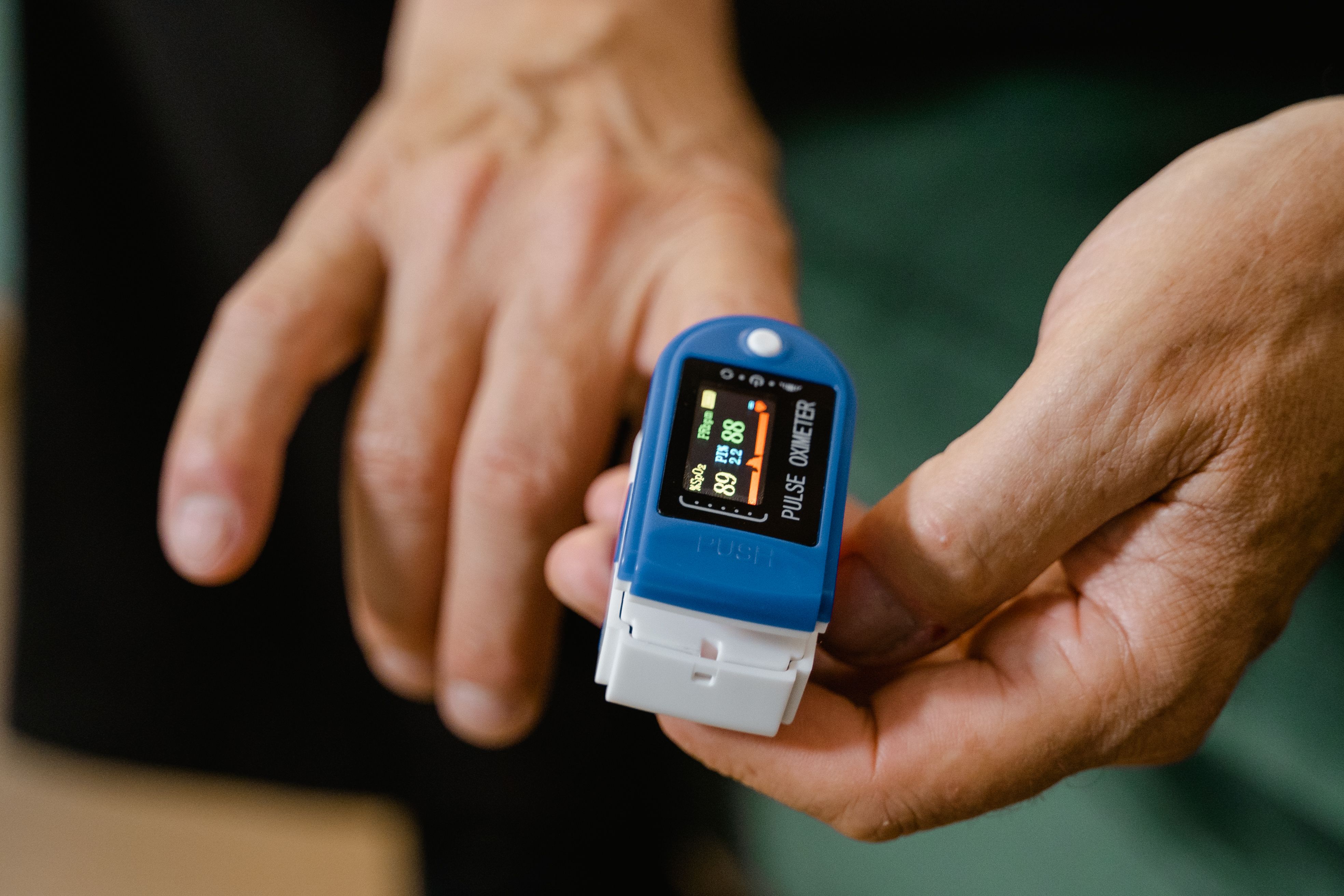
Regular health checkups offer significant benefits by helping you spot potential problems before they become serious. By choosing screenings that fit your age, lifestyle, and medical background, you give yourself the best chance to address concerns early. Decisions about which tests to schedule depend on your daily routines, family medical history, and any existing conditions. Staying informed about your health and making these exams a part of your routine supports your long-term well-being. Early detection can lead to simpler treatments and greater peace of mind, making these appointments a valuable part of your self-care.
Start by reviewing trusted guidelines from places like the U.S. Preventive Services Task Force and the American Heart Association. Then mix in your own factors—age, genetics, stressors—to map out a schedule that makes sense. You’ll feel confident when each item on your list aligns with your body and your calendar.
Understanding Personal Health Factors
- Age milestones: note years when new exams normally begin.
- Family history: flag conditions that tend to run in relatives.
- Lifestyle patterns: track smoking, diet, exercise and sleep.
- Existing conditions: log any chronic illnesses or risk factors.
- Stress and mental health: record changes in mood or focus.
Check off each factor in a notebook or digital file. This snapshot becomes the blueprint for which tests you need and how often. It also helps you avoid one-size-fits-all advice.
Once you list these details, share them with your provider. They can spot gaps, recommend extra screenings or adjust timelines. That conversation turns the facts you’ve gathered into a plan you’ll stick with.
Choosing Relevant Screenings
- General physical exam: schedule an annual checkup with vitals, weight and basic labs.
- Blood pressure and cholesterol tests: start in your 20s or earlier if risk is high.
- Diabetes screening: usually every three years after age 45 or sooner with risk factors.
- Cancer screenings:
- Breast exam/Mammogram: typically every two years from age 50; earlier if family history exists.
- Colonoscopy: every ten years starting at age 45; adjust based on polyp findings.
- Cervical screening: Pap smear every three years starting at 21.
- Bone density scan: after age 65 or earlier for smokers and those on long-term steroids.
- Skin check: schedule an annual visit or perform a monthly self-exam if you have many moles or past burns.
Choose tests based on your risk profile and the list above. If you carry a gene mutation linked to a condition, include those specialized tests. Not every screening fits everyone.
Ask your provider which labs or exams matter most at your current age. An annual blood panel can reveal hidden issues in cholesterol, blood sugar or liver function. Stay flexible—add or delay tests as your health changes.
Creating Schedules and Reminder Systems
- Use a calendar app like Google Calendar or Outlook to set recurring events.
- Try a health tracker platform such as MyChart to book appointments online.
- Sync reminders with your phone’s alarm or a smart speaker alert.
- Keep a printed wall chart in your kitchen or home office for quick reference.
- Set yearly review checkpoints in January and July to plan ahead.
Automate as much as possible. When reminders appear without you actively thinking about them, you respond faster. Connecting your schedule to an app helps prevent missed visits.
You can also join patient portals to access test results and communicate directly with providers. If labs return abnormal results, you see them immediately and adjust your plan right away.
Developing Daily and Weekly Habits
- Morning check-in: glance at today’s tasks and note any health items.
- Midweek review: set aside 10 minutes on Wednesday to confirm upcoming screenings.
- End-of-week review: update your log with new data, like blood pressure readings or weight.
- Reward yourself: after completing an annual exam, treat yourself to a favorite meal or activity.
- Partner up: pick a friend or partner to exchange reminders and keep each other accountable.
When routines become effortless, you won’t skip the small tasks. Logging blood pressure or entering dates into a calendar takes just a minute. Over time, that minute prevents hours of worry.
Combine screening tasks with daily routines. For example, update your chart while brewing coffee. This way, two habits become linked and neither gets neglected.
Tracking Progress and Making Adjustments
Review your health log every six months. Look for gaps in your schedule or unexpected patterns. If your cholesterol increases, schedule a follow-up test sooner. If no issues show up, you might safely extend the intervals between tests.
Insurance policies change, labs update guidelines and personal goals evolve. Keep an eye on these factors. Contact your provider when you encounter a new recommendation—for example, a different age threshold or a new screening method.
You establish a personalized plan by tracking health indicators and setting reminders. This helps you stay proactive and reduces surprises, giving you peace of mind.