
How To Harness Digital Health Tools For Smarter Wellness Tracking
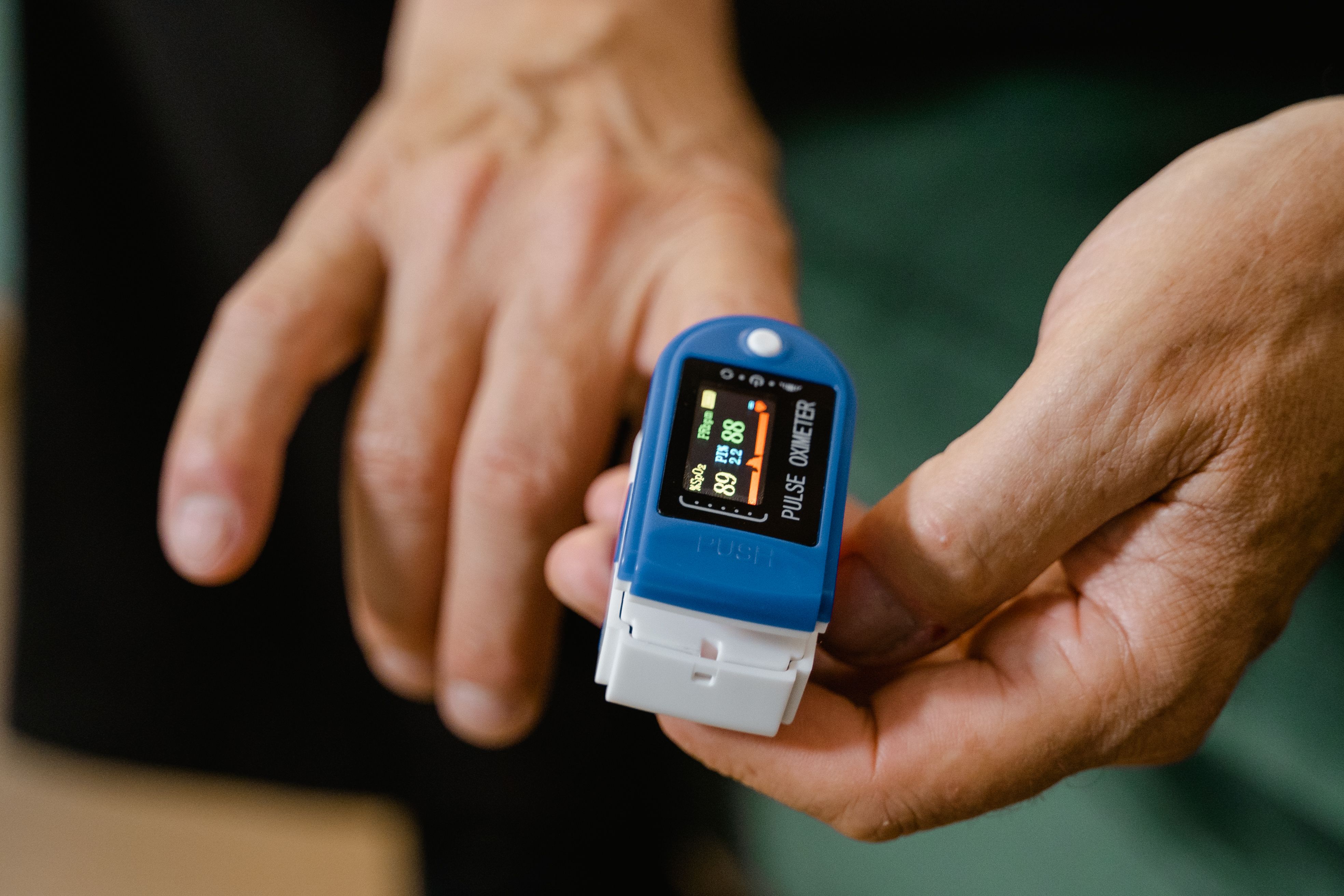
Modern apps and devices simplify the way people keep an eye on their health. These tools deliver instant updates on daily steps, sleep quality, meals, and even stress....
Jul 01, 2026



Small choices before bedtime greatly affect how well we sleep each night. When the soft light from phones or televisions fills the room after dark, our brains stay alert much longer than they should. By swapping evening screen time for peaceful activities like reading or gentle stretching, we help our bodies recognize when it is time to relax. Creating a consistent wind-down routine signals to our mind that sleep is near, making it easier to drift off and enjoy deep rest. Adopting these calming habits each evening encourages a smoother transition to sleep and supports waking up refreshed in the morning.
This guide walks you through steps to craft a screen-free evening. You’ll find practical planning tips, a list of relaxing activity ideas and ways to optimize your bedroom for restful sleep. Follow these pointers to leave screens behind and recharge more effectively.
Blue light from phones, tablets and TVs suppresses melatonin, the hormone that signals your body it’s time to sleep. Studies show exposure to screen light within one hour of bedtime can delay sleep onset by up to 30 minutes. Making that window screen-free helps melatonin levels rise naturally.
Besides light, scrolling through social media or watching videos stimulates mental activity. That buzz of information keeps your mind alert long after you put the device away. Cutting down on evening screen use calms the mental chatter so you can relax more easily.
Planning ahead removes friction at the moment of decision. You’ll feel more motivated to stick with a screen-free window when you’ve already prepared alternative options. Consistency here creates a habit loop that becomes second nature within two weeks.
Switching activities from week to week keeps your routine interesting. When you get the urge to check notifications, immediately change tasks to break the habit. Over time, this redirection reduces cravings for evening screen time.
Dim the lights at least an hour before bed. Lowering brightness signals your brain that daylight is ending. Use warm bulbs or smart lamps programmed on gradual dimming schedules.
Keep your bedroom cool, between 60–67°F. A study of 1,500 sleepers found that 65°F led to the shortest time to fall asleep. Remove clutter and position pillows so you feel supported. A calm space helps you settle more quickly.
Use your bedroom only for rest. When you read or journal there, your mind associates the room with relaxation. That connection triggers drowsiness as soon as your head hits the pillow.
Many people catch themselves reaching for a phone out of habit, even when they don’t need it. To stop this, place devices in another room or store them in a basket outside the bedroom. Out of sight often means out of mind.
Work deadlines or family tasks sometimes spill into the evening. Schedule a brief work-check window earlier, like 7 p.m., then turn off. Speak clearly with colleagues and loved ones about these limits so everyone respects the boundary.
If you wake during the night and feel the urge to scroll, resist the temptation. Instead, focus on deep breathing or sip water by a dim light until sleepiness returns. Picking up a device shifts your brain into alert mode.
Establishing a screen-free evening routine improves your sleep quality. Plan calming activities and improve your bedroom to experience better rest. Start tonight for a more restful tomorrow.
Modern apps and devices simplify the way people keep an eye on their health. These tools deliver instant updates on daily steps, sleep quality, meals, and even stress....
Jul 01, 2026

Staying energized each day depends on more than grabbing a cup of coffee. Your body relies on water to help cells convert nutrients into the fuel you need. When you...
Sep 04, 2026

Building lasting bonds depends on thoughtful, everyday choices. You pick up on subtle shifts, like a dip in enthusiasm or when discussions feel less genuine. Noticing...
Aug 26, 2026

Close relationships with friends, family, and neighbors can brighten our mood and support overall physical health. When people connect with others, the brain releases...
Jun 24, 2026

Taking a moment each day to reflect on your routines helps you understand which habits align with your health goals and which ones may hold you back. By asking yourself...
Aug 02, 2026

Managing healthcare often brings a mix of confusion and stress as you balance appointments, paperwork, and unfamiliar terms. Clear guidance helps you stay calm and make...
Jun 28, 2026

Busy workweeks often make it challenging to maintain healthy eating habits. As tasks build up and meetings fill your schedule, you might find yourself reaching for quick...
Aug 05, 2026

Long hours at a desk often lead to stiff muscles and reduced blood flow. Taking a few minutes for stretch breaks throughout the day loosens your body and helps you feel...
Jun 10, 2026

Plenty of runners find themselves going through the motions, checking off miles without really savoring the experience. Initial excitement often fades when running turns...
Aug 19, 2026

Riding a bike offers a practical way to improve both lung capacity and heart health, making it easier to handle everyday stress. Pedaling on a regular basis gives you a...
Jul 15, 2026

Preparing meals ahead of time streamlines your approach to healthy eating and makes evenings much less hectic. By choosing reliable kitchen equipment, you can create...
Jun 21, 2026

Simple changes to your daily routine can improve your health while supporting the environment. Swapping out certain kitchen staples, exploring alternative ways to...
May 09, 2026

Everyday movements, such as lifting grocery bags, carrying children, or pushing open a heavy door, draw from the same strength and motion patterns you develop during...
Aug 22, 2026

Fresh sneakers on your feet and a new field or court ahead bring a sense of excitement and anticipation. Many people who join a league feel curious and slightly nervous...
Jun 06, 2026