

How To Decode Health Apps For Better Goal Setting
Countless users install multiple health apps and often find it difficult to translate the data they collect into useful daily goals. By exploring how each app works and...
Apr 11, 2026



Healthy boundaries support emotional well-being and help maintain strong, respectful relationships. When you clearly define what feels comfortable for you, stress lessens and daily interactions become easier to manage. Saying no when needed protects your energy and helps others see what matters most to you. This guide explains how to recognize your own limits, communicate them with confidence, and keep them in place. Inside, you’ll discover relatable examples, practical exercises, and helpful tips that make setting boundaries feel natural and achievable. With these tools, you can create more fulfilling connections without feeling overwhelmed or guilty.
A boundary marks where one person ends and another begins. It protects your energy and sense of self. An emotional boundary stops others from imposing guilt or drama. A physical boundary defines how close people can get—think hugs or personal space. Clear lines let you relax into every interaction.
Seeing these types in action makes boundary-setting less vague. You’ll identify where you give too much and start saying yes selectively.
First, you need to figure out what exhausts you. A simple self-audit highlights stress points. Grab a notebook and rate your comfort in key areas.
After this check, focus on the one or two areas where you feel most squeezed. That insight gives you a clear starting point.
Talking about limits doesn’t require long speeches. Direct phrases reduce confusion. Practice these scripts out loud or in front of a mirror.
Do:
Don’t:
Clear communication reduces the chance someone tests your limits. If they push back, repeat your line without apology.
Saying your lines once won’t suffice. You need small acts of follow-through. Track progress with a simple log.
If someone violates your boundary, you can:
Staying consistent strengthens respect. When you remain firm, others learn to honor your limits without drama.
Misunderstandings happen when you set a limit for the first time. Use role-play to build confidence. Ask a friend to act as a pushy coworker or family member.
Some people will test your limits multiple times. Expect a few slips and prepare responses in advance. A quick mental script—“I’ve already mentioned this” or “This boundary matters to me”—keeps you on track.
Set boundaries by honestly assessing your needs and communicating clearly. This reduces stress and encourages respect. Keep practicing; each step improves your well-being.
Countless users install multiple health apps and often find it difficult to translate the data they collect into useful daily goals. By exploring how each app works and...
Apr 11, 2026
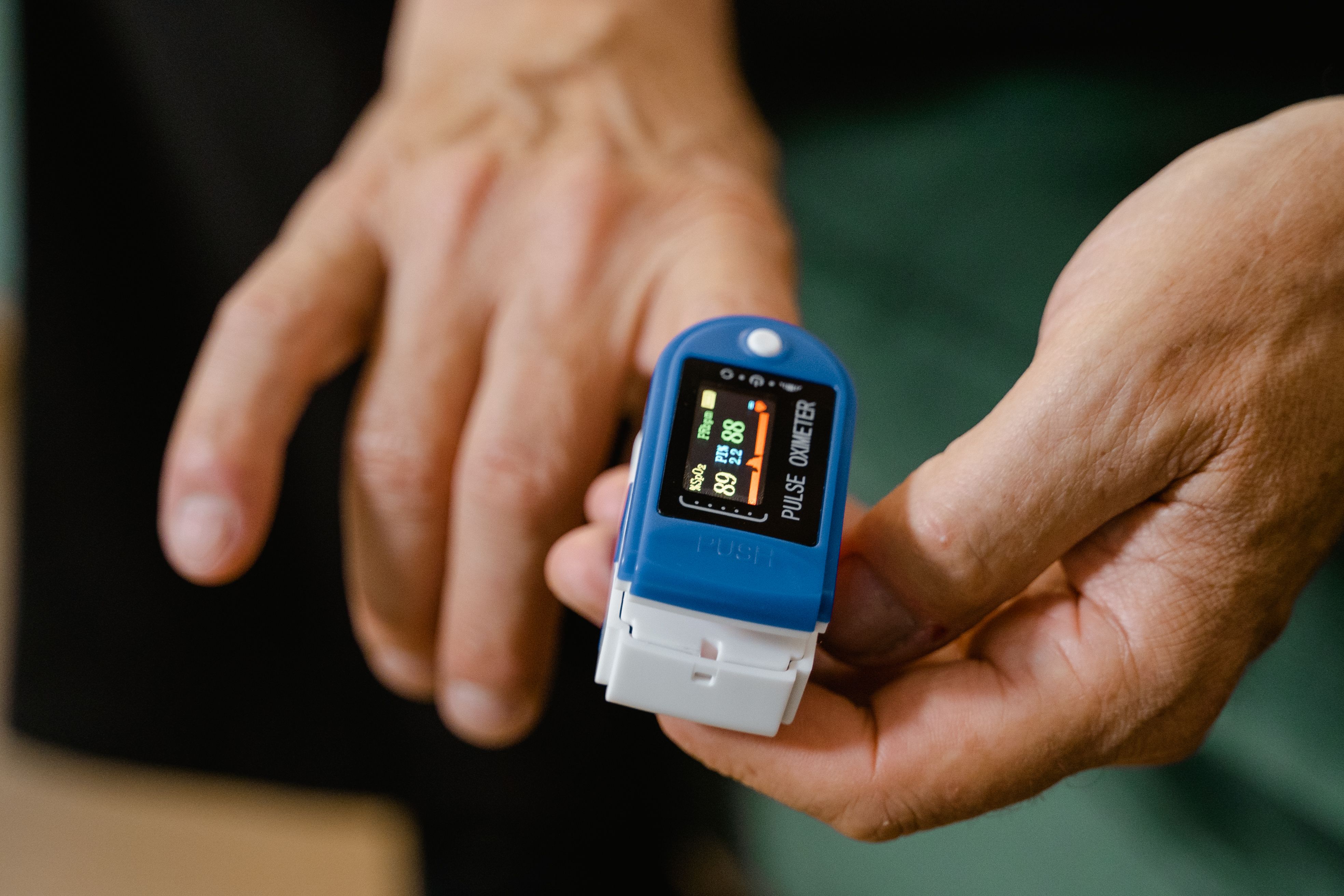
Modern apps and devices simplify the way people keep an eye on their health. These tools deliver instant updates on daily steps, sleep quality, meals, and even stress....
Jul 01, 2026

Recovering from an injury often means finding new ways to keep your body moving while protecting the area that needs time to heal. When you deal with a sore knee, a...
Jun 02, 2026

Seasonal changes bring new opportunities to refresh your health habits and keep your routine exciting. As the calendar shifts, you can find inspiration in the unique...
Jul 24, 2026

Good sleep forms the foundation for steady energy, a positive mood, and strong focus each day. The habits you build during waking hours have a direct effect on how well...
Apr 15, 2026

Simple changes to your daily routine can improve your health while supporting the environment. Swapping out certain kitchen staples, exploring alternative ways to...
May 09, 2026

Preparing meals ahead of time streamlines your approach to healthy eating and makes evenings much less hectic. By choosing reliable kitchen equipment, you can create...
Jun 21, 2026

Busy workweeks often make it challenging to maintain healthy eating habits. As tasks build up and meetings fill your schedule, you might find yourself reaching for quick...
Aug 05, 2026

Regular health checkups offer significant benefits by helping you spot potential problems before they become serious. By choosing screenings that fit your age,...
May 23, 2026

Staying healthy while on the move sometimes seems challenging, but simple choices can make a big difference. Bringing along nourishing snacks, finding creative ways to...
Apr 18, 2026

Joining a walking club adds excitement and a sense of community to an everyday activity. Group walks encourage regular participation, as members rely on each other and...
Apr 22, 2026

Managing ongoing aches often proves challenging, yet moving your body can offer noticeable relief. Pain may prompt you to rest, but gentle physical activity actually...
Apr 29, 2026

Riding a bike offers a practical way to improve both lung capacity and heart health, making it easier to handle everyday stress. Pedaling on a regular basis gives you a...
Jul 15, 2026

Small changes around your home can help reduce exposure to hidden chemicals without overwhelming your daily routine. Switching to gentler cleaning products, improving...
Jun 15, 2026