

The Best Meal Prepping Tools for Effortless Healthy Eating
Preparing meals ahead of time streamlines your approach to healthy eating and makes evenings much less hectic. By choosing reliable kitchen equipment, you can create...
Jun 21, 2026



Simple changes to your daily routine can improve your health while supporting the environment. Swapping out certain kitchen staples, exploring alternative ways to commute, and selecting safer cleaning products for your home all contribute to a healthier lifestyle and a smaller environmental footprint. These practical adjustments not only benefit your well-being but also help reduce your ecological impact. Throughout this guide, you will find straightforward examples, easy-to-follow instructions, and up-to-date information designed to make every transition manageable. Each small effort adds up, rewarding you with increased energy, a better mood, and healthier food choices for yourself and those around you.
Evidence shows households generate nearly 300 million tons of plastic waste in the US each year. Cutting down that figure leads to cleaner air and water—and fewer plastic chemicals in your system. Let’s explore swaps, meals, home tweaks, and commute choices that bring both green gains and personal gains.
Single-use plastics often hide in plain sight: coffee lids, grocery bags, water bottles. Replacing them with durable items reduces waste—and encourages healthier habits, like sipping water more slowly or brewing coffee at home.
Studies link microplastics to digestive issues and inflammation. By reducing plastic exposure, you ease gut stress and support immune balance. A few smart swaps get you started without extra effort.
Each swap takes seconds and lasts years. You’ll see lower plastic intake and feel better, thanks to fewer endocrine disruptors. Plus, reusing items gives you a small dopamine boost every time you grab that trusty tote.
Start one swap each week. Track your progress on your phone or a sticky note. You’ll notice less clutter and more savings on disposables over time.
Eating more plants can cut your carbon footprint by up to 50%. Fresh, local produce contains more nutrients and reduces preservatives. Meal planning makes it easy to stock a variety of fruits, veggies, beans, and whole grains.
You don’t need to change your entire diet overnight. Small steps add up to big health benefits—lower cholesterol, stable blood sugar, and better digestion. Here’s how to plan a greener, healthier shopping list:
Simple meal prepping—like overnight oats with local honey and berries—makes mornings easier. A large pot of veggie chili covers multiple meals and freezes well. These habits reduce food miles and give your body a boost of fiber, antioxidants, and vital micronutrients.
Local farmers often use fewer pesticides, which means fewer chemicals on your plate. Buying directly from growers builds community connections and often costs less than supermarket imports.
Household energy use accounts for about 20% of carbon emissions in many countries. Small changes—like swapping lightbulbs, sealing drafts, and adjusting thermostat settings—bring big savings and lower home air pollutants.
LED bulbs use 75% less energy and last up to 25 times longer than incandescent bulbs. Lowering your thermostat by just two degrees in winter can reduce heating bills by up to 10%. Pair these adjustments with roof insulation checks and smart power strips to avoid vampire energy drain.
Installing a programmable thermostat reduces waste by matching heating and cooling to your schedule. When you’re away or sleeping, the system automatically shifts to eco-friendly settings. These practices help you breathe easier and save on utility costs.
Open windows strategically for cross-ventilation during mild seasons. Natural airflow cuts down on AC runtime and limits indoor pollutants. A bit of fresh air daily can improve focus, reduce headaches, and give you a quick energy lift.
Many personal care items contain microbeads, sulfates, and synthetic fragrances that harm waterways and irritate skin. Switching to greener brands clears toxins from your daily routine and prevents harmful residues from polluting rivers.
Look for plant-based ingredients and simple labels. If a product lists more than ten chemical names you can’t pronounce, toss it. Your skin and lungs will thank you.
Brands like *Dr. Bronner’s* and *Ethique* offer bar soaps, shampoos, and cleaning products that meet these criteria. They use compostable packaging and clear ingredient lists. Switching to these brands reduces plastic waste and skin irritation caused by harsh chemicals.
Make a DIY all-purpose cleaner with vinegar, water, and citrus peels. It costs pennies per bottle, cleans most surfaces, and leaves a fresh scent without toxins.
Car emissions account for nearly a quarter of urban air pollution. Biking, walking, and public transit reduce those emissions and give you an easy cardio boost. You’ll experience lower stress levels and better heart health.
Tracking miles cycled or steps walked can motivate you to commute greener. Apps show CO2 saved and calories burned. Even one car-free day weekly saves roughly 1,000 pounds of CO2 each year.
Carpool or join a ride-share pool when biking or walking isn’t possible. You’ll spend less on gas and parking. Plus, sharing HOV lanes with other commuters cuts your time in traffic.
Telecommuting one day weekly can cut your carbon footprint by 20%. Use the extra time for a quick home workout or preparing a healthy lunch. You’ll arrive at work more alert and focused.
Choose one eco-friendly action from each section today. Soon, you will experience more energy, fewer allergens, and a greater sense of satisfaction.
Preparing meals ahead of time streamlines your approach to healthy eating and makes evenings much less hectic. By choosing reliable kitchen equipment, you can create...
Jun 21, 2026

Busy workweeks often make it challenging to maintain healthy eating habits. As tasks build up and meetings fill your schedule, you might find yourself reaching for quick...
Aug 05, 2026

Restaurant meals can fit into your healthy lifestyle with a bit of planning and awareness. You will find plenty of ways to enjoy delicious food while keeping your...
Jul 29, 2026

Staying energized each day depends on more than grabbing a cup of coffee. Your body relies on water to help cells convert nutrients into the fuel you need. When you...
Sep 04, 2026

Many people find nutrition labels confusing, almost like trying to solve a puzzle. Learning to read them gives you the power to make better choices every time you shop....
May 12, 2026

Setting up a home that supports both physical health and mental well-being begins with thoughtful planning. The way you arrange your furniture, select colors, and...
Aug 31, 2026

Long hours at a desk often lead to stiff muscles and reduced blood flow. Taking a few minutes for stretch breaks throughout the day loosens your body and helps you feel...
Jun 10, 2026

Riding a bike offers a practical way to improve both lung capacity and heart health, making it easier to handle everyday stress. Pedaling on a regular basis gives you a...
Jul 15, 2026

Small choices before bedtime greatly affect how well we sleep each night. When the soft light from phones or televisions fills the room after dark, our brains stay alert...
May 07, 2026

Taking a moment each day to reflect on your routines helps you understand which habits align with your health goals and which ones may hold you back. By asking yourself...
Aug 02, 2026
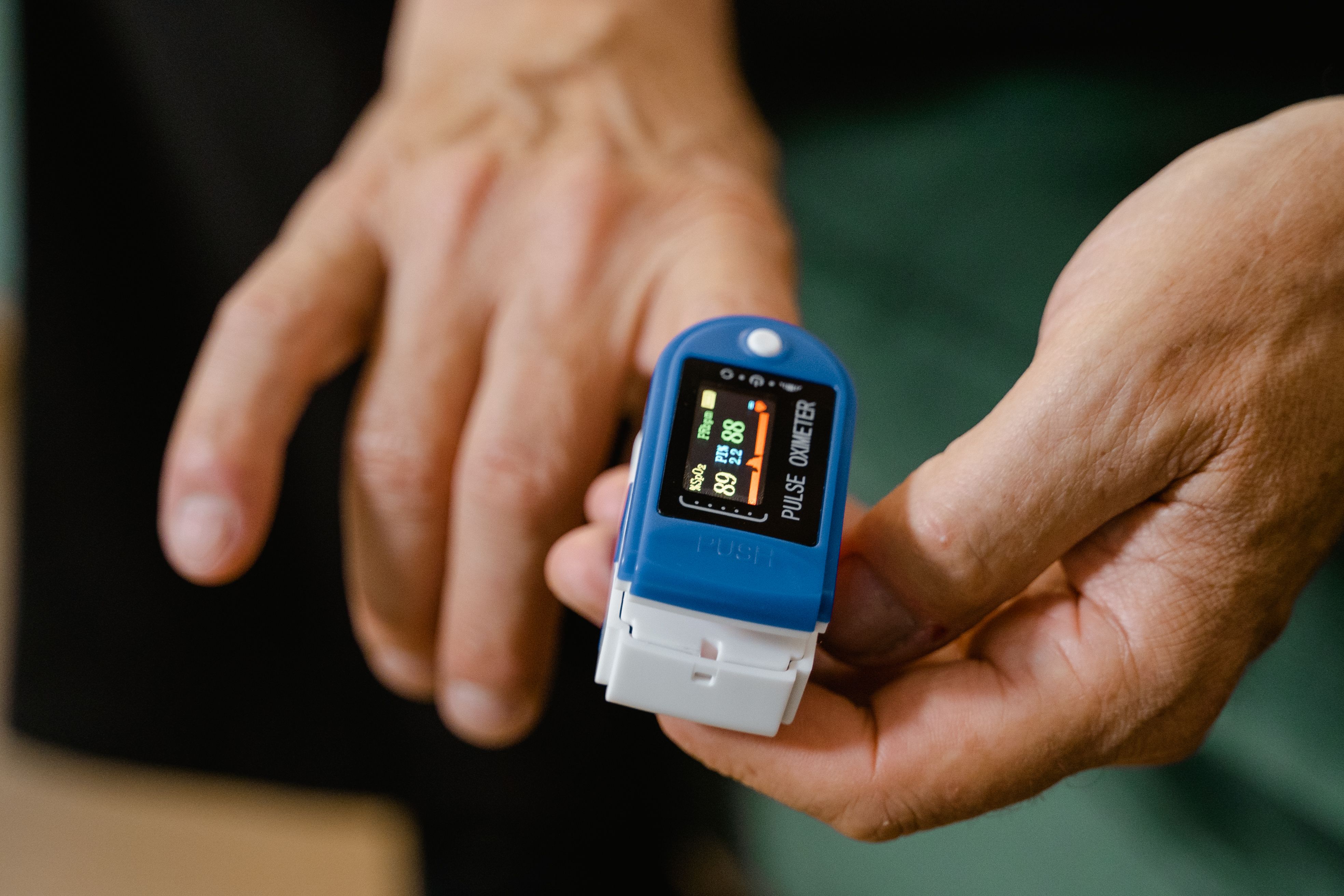
Modern apps and devices simplify the way people keep an eye on their health. These tools deliver instant updates on daily steps, sleep quality, meals, and even stress....
Jul 01, 2026

Close relationships with friends, family, and neighbors can brighten our mood and support overall physical health. When people connect with others, the brain releases...
Jun 24, 2026

Fresh sneakers on your feet and a new field or court ahead bring a sense of excitement and anticipation. Many people who join a league feel curious and slightly nervous...
Jun 06, 2026

Group fitness challenges bring people together and make building new exercise habits more enjoyable. Sharing workouts with others who have similar fitness goals creates...
Jul 21, 2026