
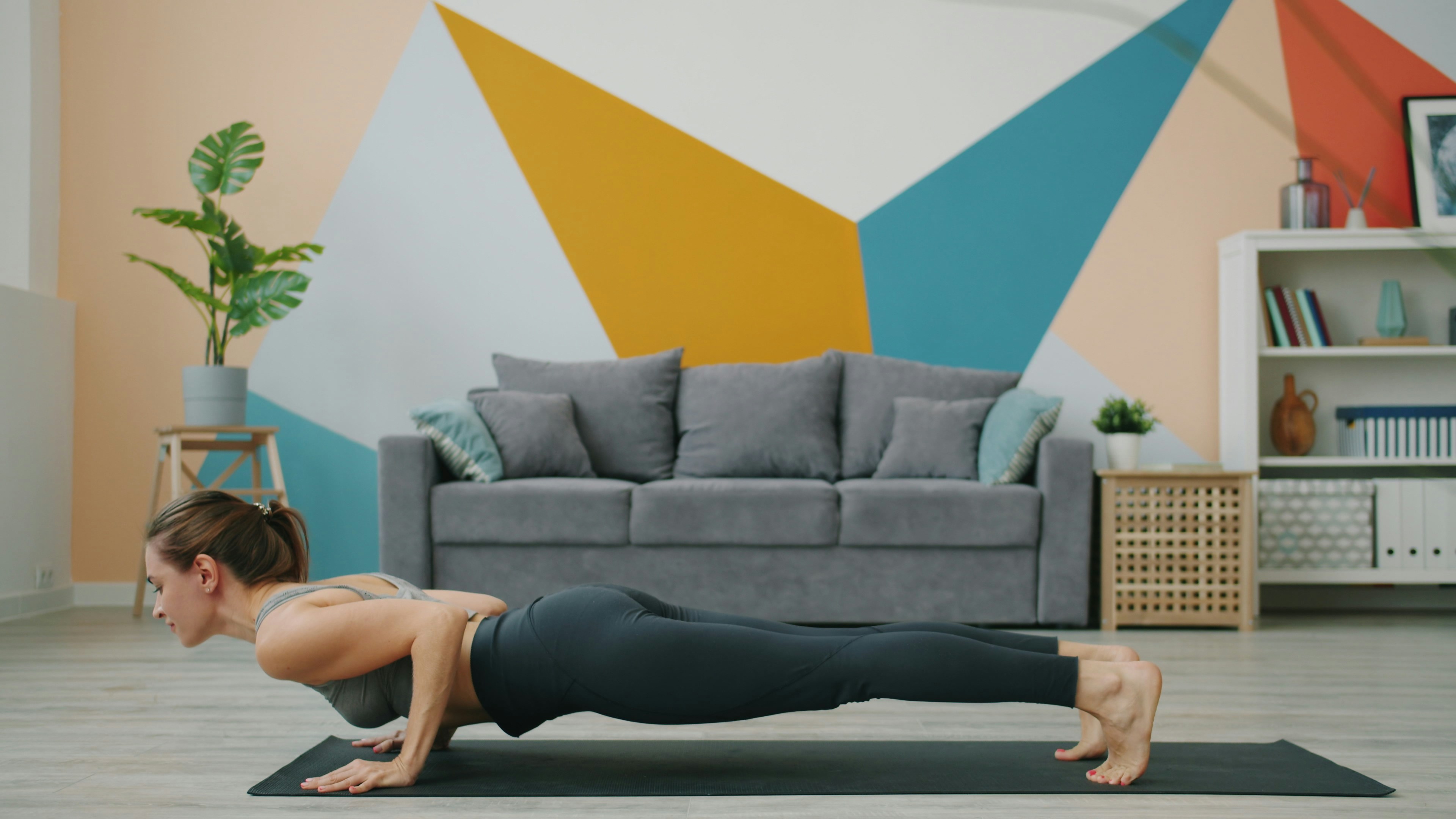
How to Use Pilates for Stronger Core Stability at Home
Practicing Pilates brings noticeable changes from your very first session at home. Each movement targets your core muscles, helping you develop strength and stability...
Sep 24, 2026



Recovering from an injury often means finding new ways to keep your body moving while protecting the area that needs time to heal. When you deal with a sore knee, a strained back, or a sprained ankle, you do not have to stop exercising altogether. By making a few thoughtful adjustments, you can stay active and support your recovery. This guide outlines straightforward steps to help you assess your situation safely, then walks you through eight practical changes you can make to your routine. Each tip focuses on actions you can start using right away, so you can maintain your fitness without risking further harm.
These steps help you establish a baseline for recovery. By identifying weak points, you reduce guesswork and lower the chance of setbacks.
Once you understand your safe zones, you can select modifications that match your current abilities. This approach allows you to stay active while rebuilding strength.
Select a machine or setting that elevates your heart rate while protecting the injured area. Begin with 10–15 minute sessions, then increase time as you feel comfortable.
Pay attention to how your body reacts. If swelling or pain increases, reduce the intensity or switch to a gentler option. Consistent effort matters more than intensity at this stage.
Strength exercises build muscle around the injured area, providing better support. You do not need heavy weights to see improvements. Focus on controlled movements that target key muscle groups.
Resistance bands and bodyweight exercises offer adjustable tension while keeping joints safe. Start with light resistance and proceed gradually.
Perform each stretch with smooth, controlled motions. Avoid bouncing, which can irritate injured tissues. Hold each position for 15–30 seconds, repeating twice per side when possible.
These mobility exercises improve circulation and reduce stiffness. Over time, increased flexibility supports safer movement during daily activities and workouts.
Keep your spine neutral during these exercises. Do each move in sets of 8–12 repetitions, resting for 30 seconds between sets. If you experience pinching or sharp pain, stop and check your form.
Consistent breathing and controlled movements activate deep muscles that stabilize your back and pelvis, reducing future injury risks.
Developing good habits protects your body from future injuries. Proper warmups and cooldowns help you ease into activity and return to rest without jarring your system.
Keep a record of your progress and setbacks. Tracking your recovery helps you modify workouts and rest periods as needed.
Follow these tips, listen to your body, and celebrate progress. Regular effort enhances strength and mobility while reducing flare-ups.
Practicing Pilates brings noticeable changes from your very first session at home. Each movement targets your core muscles, helping you develop strength and stability...
Sep 24, 2026
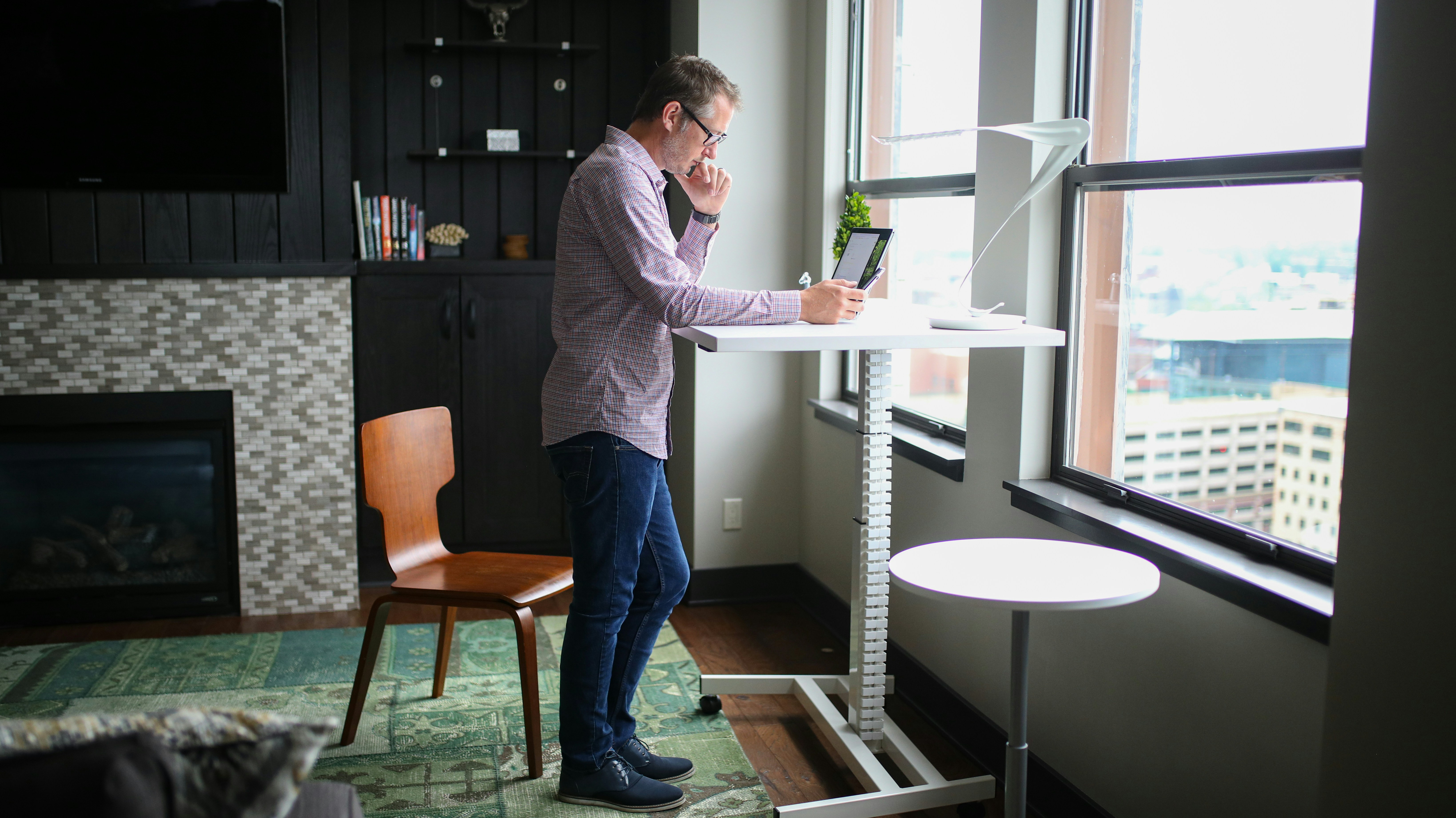
Many people spend hours at their desks while working from home, which can lead to stiffness, soreness, or fatigue before the day is even halfway over. Paying attention...
Sep 21, 2026
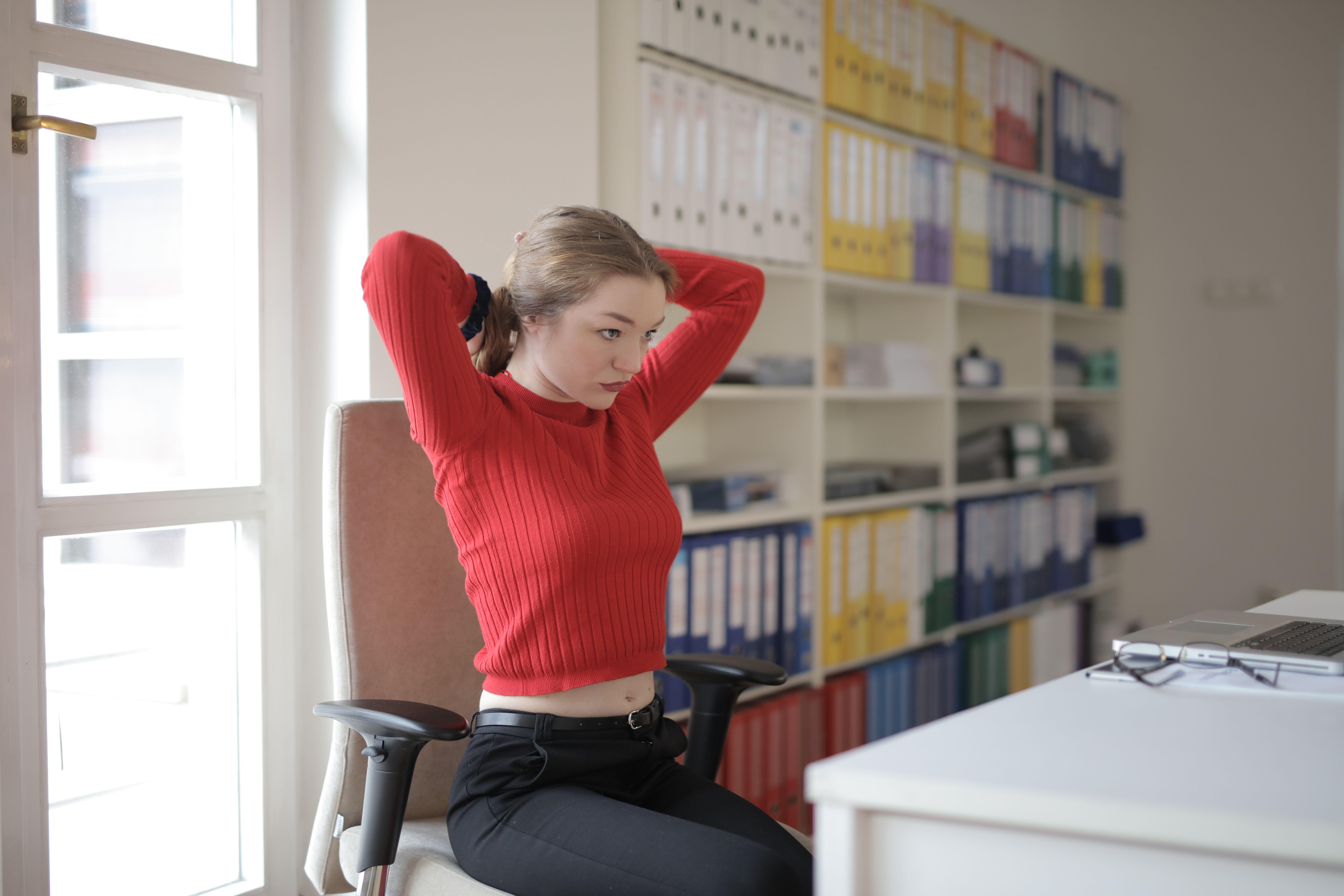
Long hours at a desk often lead to stiff muscles and reduced blood flow. Taking a few minutes for stretch breaks throughout the day loosens your body and helps you feel...
Jun 10, 2026
Seasonal changes bring new opportunities to refresh your health habits and keep your routine exciting. As the calendar shifts, you can find inspiration in the unique...
Jul 24, 2026
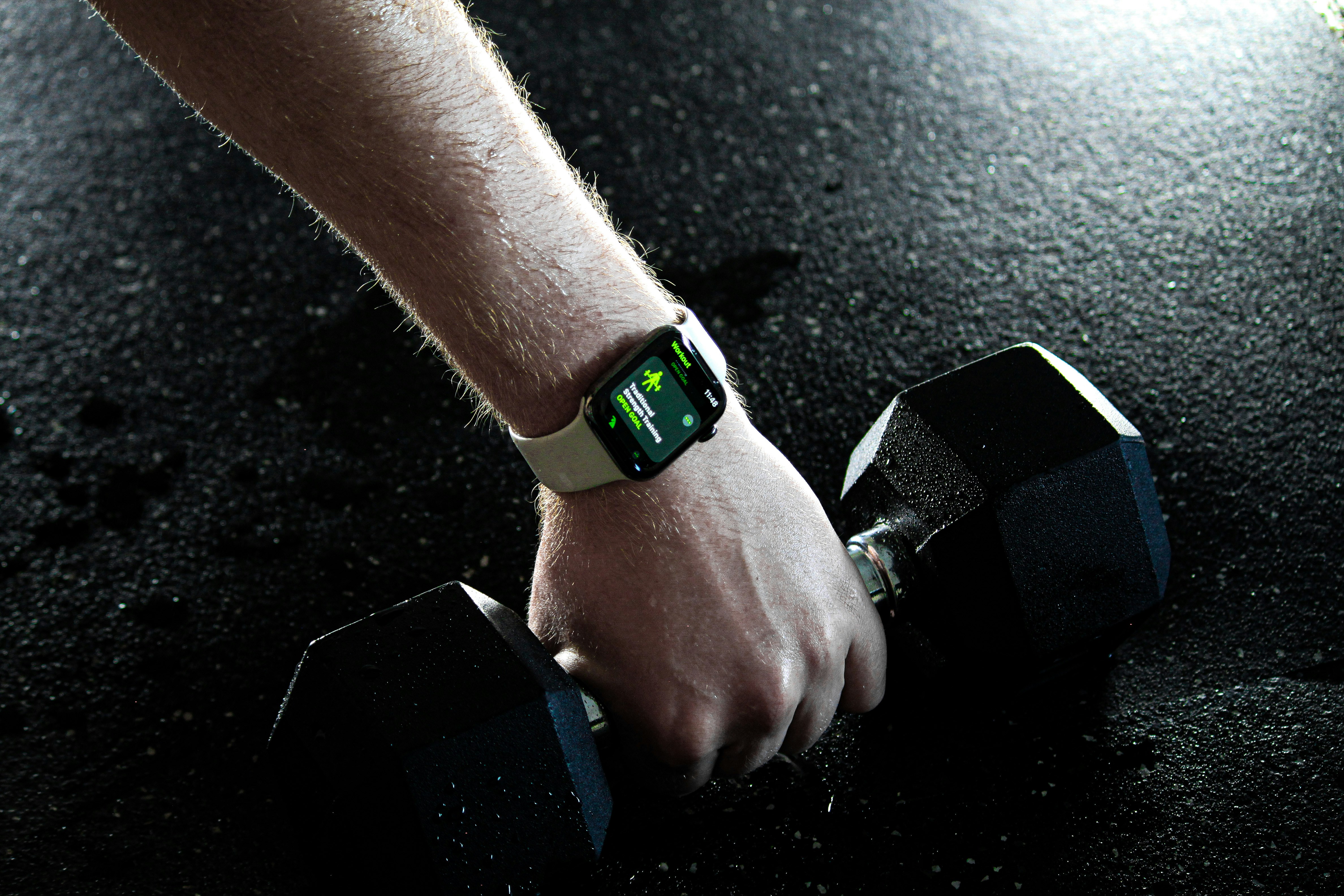
Wearing a fitness tracker helps you turn daily routines into useful information, making it easier to see how your choices add up over time. With a device on your wrist,...
Sep 27, 2026
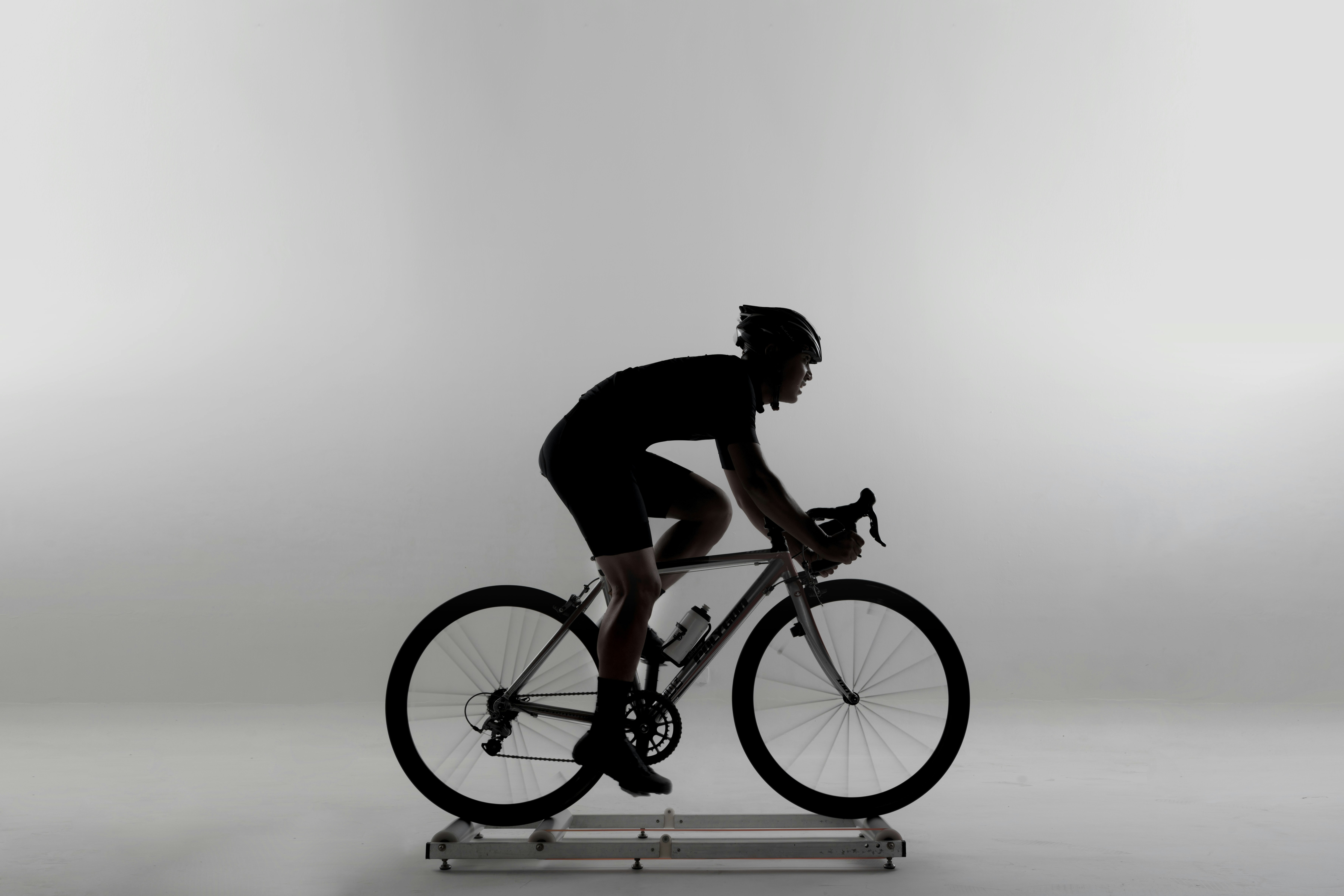
Riding a bike offers a practical way to improve both lung capacity and heart health, making it easier to handle everyday stress. Pedaling on a regular basis gives you a...
Jul 15, 2026
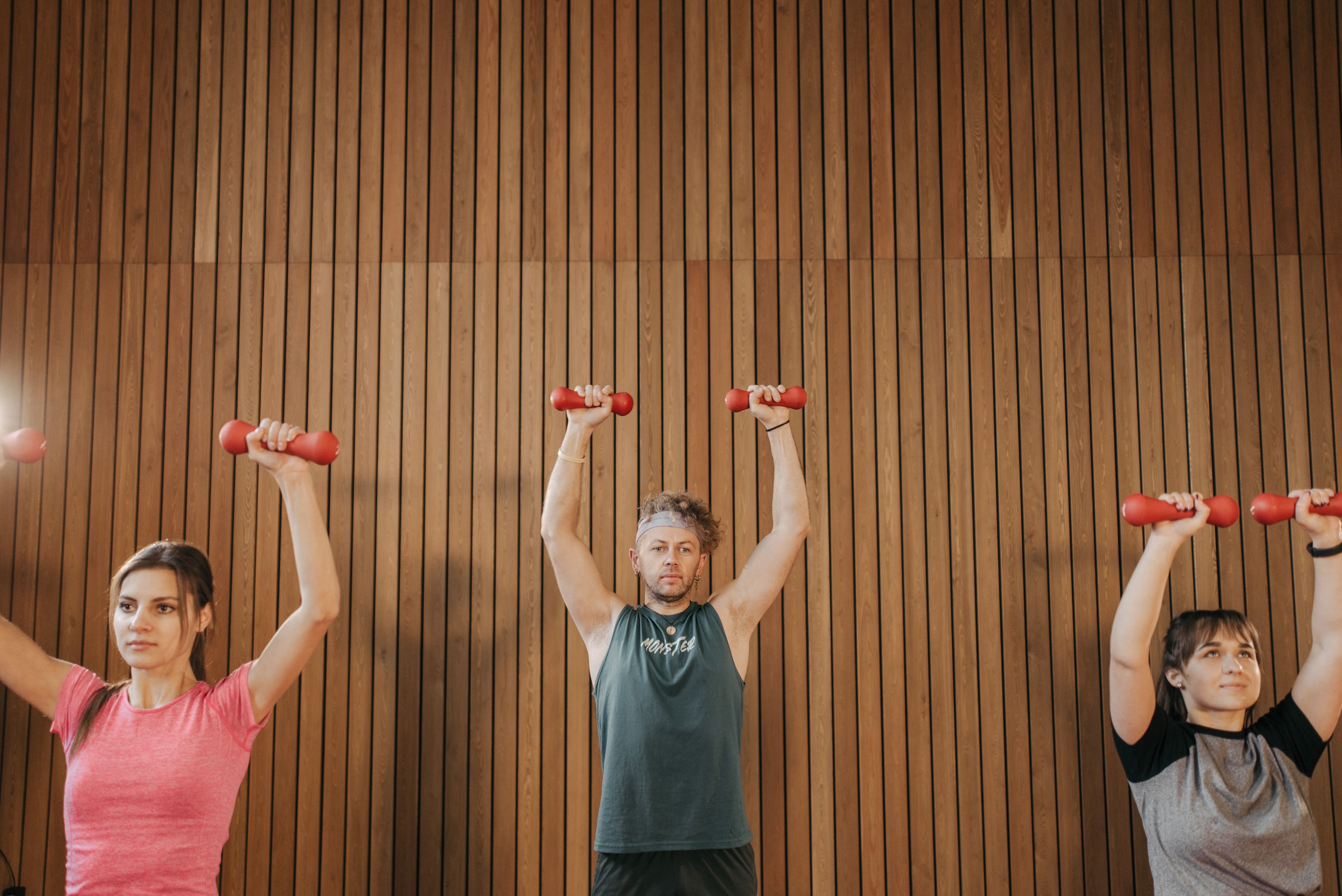
Group fitness challenges bring people together and make building new exercise habits more enjoyable. Sharing workouts with others who have similar fitness goals creates...
Jul 21, 2026

Interactive workshops combine emotional understanding with hands-on activities to help people build mental resilience. Attendees engage in exercises designed to sharpen...
Aug 12, 2026

Developing mental strength requires dedication, patience, and the right resources to help you stay on track. Personal development courses provide structured support,...
Sep 16, 2026

Plenty of runners find themselves going through the motions, checking off miles without really savoring the experience. Initial excitement often fades when running turns...
Aug 19, 2026
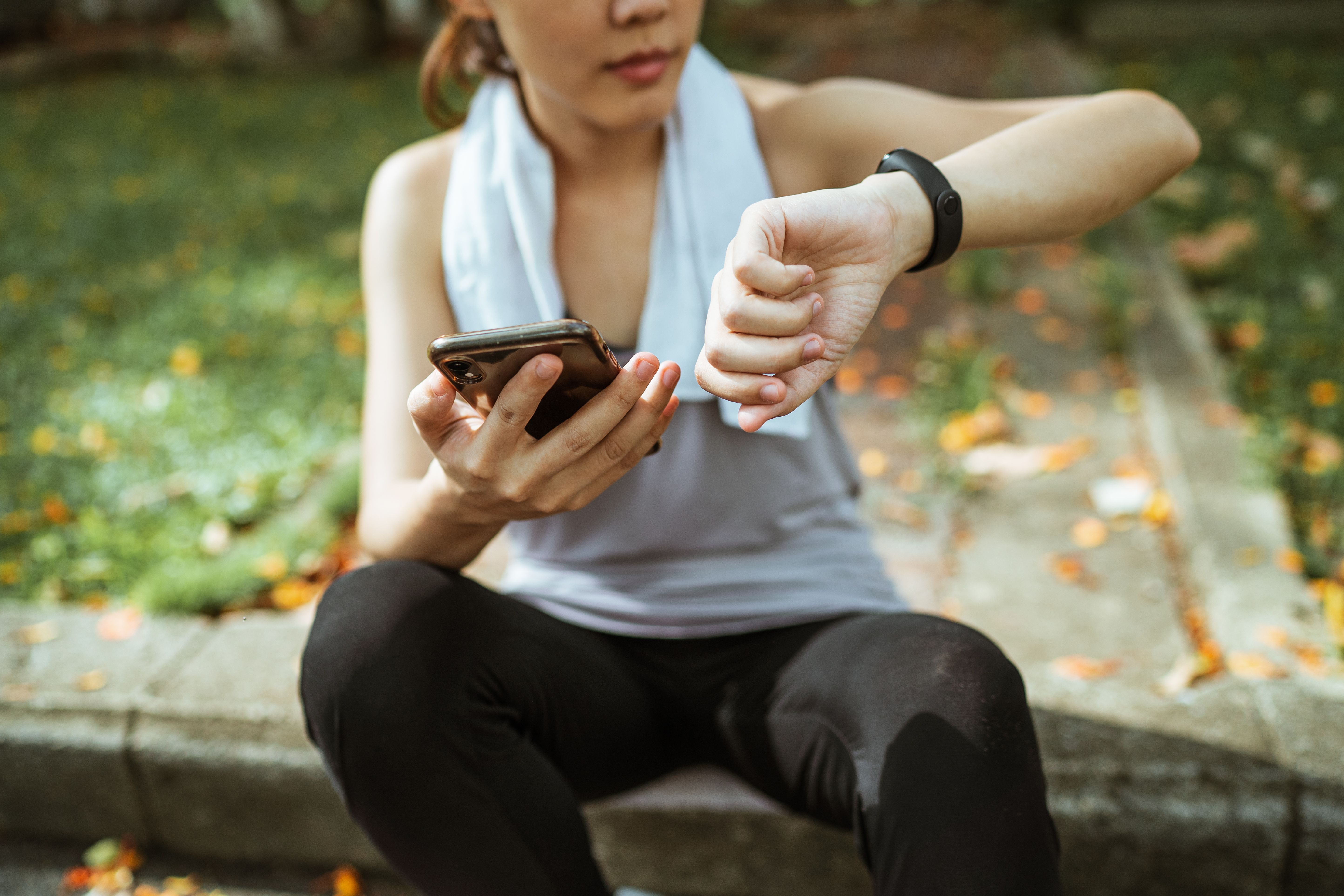
Finding a tool that seamlessly fits into your daily routine can make healthy habits easier to maintain. More than just counting steps or estimating calories, you deserve...
Aug 09, 2026

Starting your day with a reliable morning routine can make a big difference in how energized and alert you feel. Choose a wake-up time and stick to it each day to give...
Jul 05, 2026

Building lasting bonds depends on thoughtful, everyday choices. You pick up on subtle shifts, like a dip in enthusiasm or when discussions feel less genuine. Noticing...
Aug 26, 2026
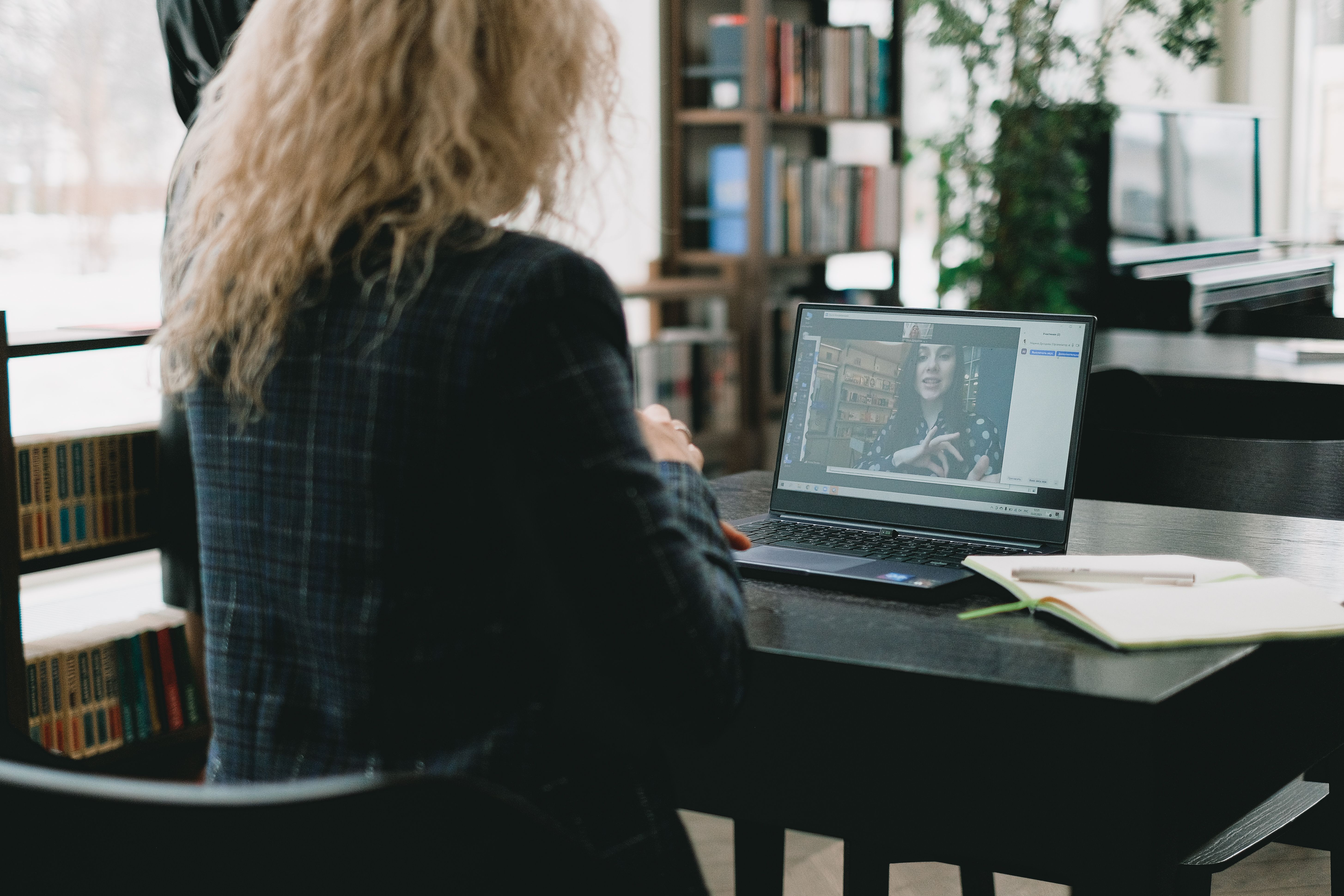
Attending an interactive webinar focused on preventing chronic conditions offers a valuable chance to discover practical ways to lower blood pressure, maintain healthy...
Sep 12, 2026