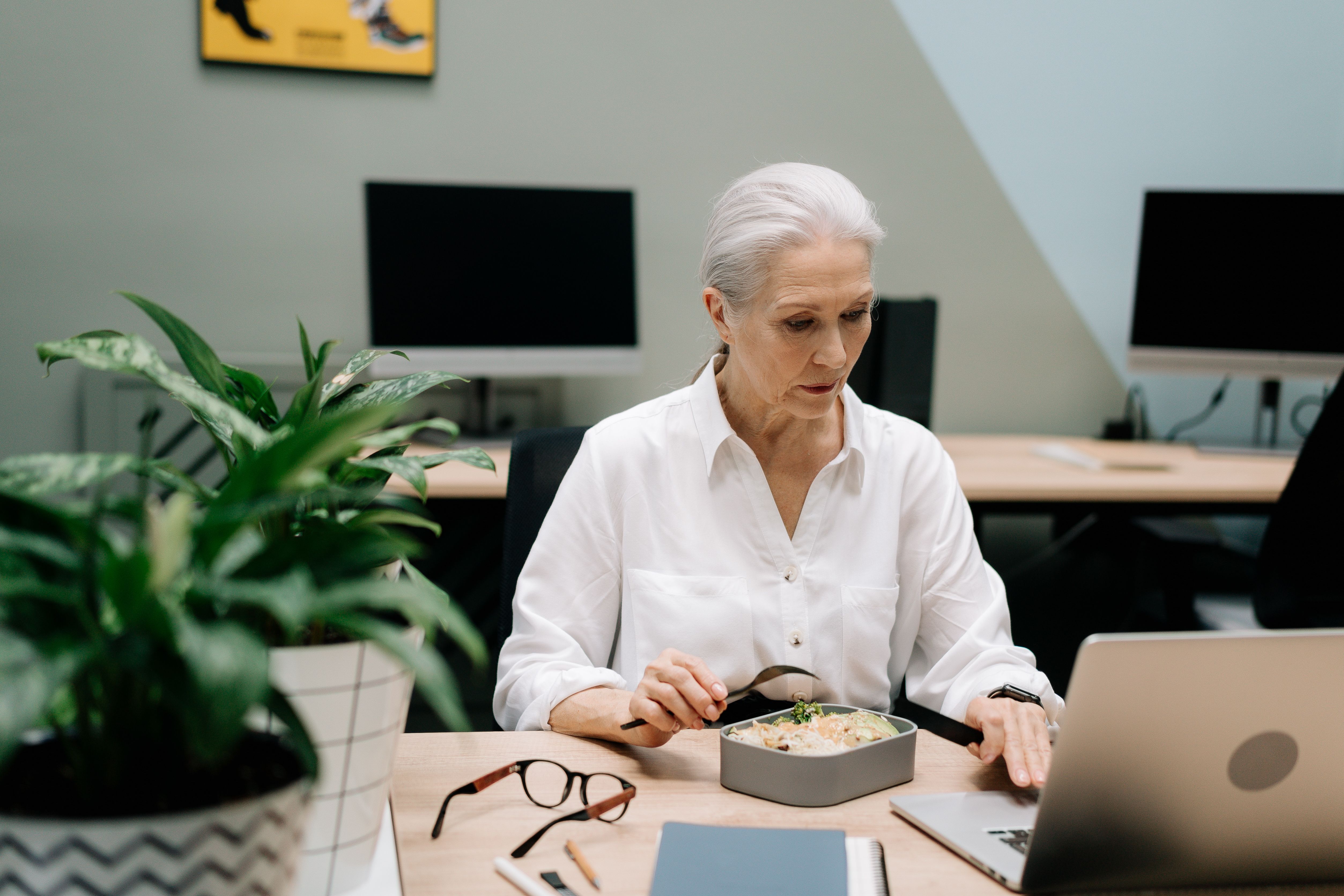
Long hours at a desk often lead to stiff muscles and reduced blood flow. Taking a few minutes for stretch breaks throughout the day loosens your body and helps you feel more energized. You won’t need any special gear or access to a fitness center. Just a few well-chosen movements, done regularly, can improve your flexibility and help you stay focused. Whether you’re working from home or in an office, making time to stretch keeps your body feeling comfortable and your mind sharp, supporting your well-being as you move through your daily tasks.
Before diving in, set clear goals: ease tension, improve posture, and increase focus. Track your progress by noting which stretches feel better over time. Spend a week testing different routines, then choose the ones you do daily. This plan turns brief breaks into lasting relief.
Causes of Office Stiffness
Holding one position strains the neck, shoulders, hips, and lower back. Muscles adapt to the posture and grow tight. As stiffness builds, you might notice aches when you finally move.
Poor ergonomics and lack of movement slow blood flow and reduce joint mobility. Slumped shoulders and a forward head tilt change spinal alignment. A short stretch routine fights these effects by resetting muscle length and opening circulation.
Quick Morning Stretch Breaks
- Neck Rolls: Sit upright, drop your chin toward the chest, then roll your head gently from left shoulder to right. Repeat 5 times in each direction to wake tight neck muscles.
- Shoulder Shrugs: Lift both shoulders toward your ears, hold for two seconds, then release. Do 10 reps to ease trapped tension.
- Chest Opener: Clasp hands behind the back and straighten arms. Squeeze shoulder blades together and lift the heart. Hold for 15 seconds to counteract slumped posture.
- Seated Hip Stretch: Cross your right ankle over your left knee. Gently press down on your right knee to feel a pull in the outer hip. Switch sides after 20 seconds.
Perform this sequence within the first 10 minutes of logging in. It resets posture before work demands drag you down.
Consistency matters. Try this routine five days in a row, then adjust timing or add one more stretch if any area still feels tight.
Midday Movement Routines
Two hours after lunch, energy often dips and muscles begin to lock again. Stepping away from the desk for exactly five minutes makes a big difference. Use a timer to stay accountable.
Start by reaching arms overhead in a standing position. Lean left, hold for ten seconds, then lean right. This side bend opens the ribs and lats, essential for deep breathing and core engagement.
Next, perform walking lunges down the hallway or even in place. Lunge forward with your right foot, bend both knees to ninety degrees, then switch legs. Do eight per side to activate hips and thighs.
Finish with calf raises. Stand near a wall or chair for balance. Raise onto your toes, hold for two seconds, then lower. Repeat 15 times to improve ankle mobility and circulation.
Desk-Friendly Stretch Techniques
You don’t have to stand up to loosen tight spots. Desk stretches can slide seamlessly into your daily tasks. Try these while on calls or waiting for files to load.
Wrist Flexor Stretch: Extend one arm forward with palm facing up. Use the other hand to pull fingers down gently. Hold for 15 seconds on each side to prevent wrist strain from typing.
Seated Spinal Twist: Sit upright, place your right hand on the back of your chair, and twist gently to the right. Hold for 10 seconds, then switch sides. This move realigns the spine and eases lower back pressure.
Chair Pigeon Pose: Slide to the edge of the chair. Cross your right ankle over the left thigh and lean forward. Hold for 20 seconds, then switch. This mimics a yoga favorite without a mat.
Tips for Staying Consistent
- Schedule Reminders: Block short breaks on your calendar. If an app alert suits you, use one, but stick to pre-planned times.
- Pair with Routine Tasks: Link each stretch set to a common habit, like after sending an email or finishing a packet of water. Habits fuel consistency.
- Track Minutes: Create a simple log in a notebook or spreadsheet. Note stretch type and duration. Seeing a weekly total builds motivation.
- Use Visual Cues: Place a sticky note on your monitor or decorate a corner with a small plant that reminds you to move every hour.
- Share Success: Invite a coworker to join. Accountability doubles the chance you’ll stick with it.
By weaving short breaks into your schedule and using simple accountability tools, you turn good intentions into daily habits. Over weeks, your body rewards you with less stiffness and better posture.
Doing these stretch routines regularly boosts your energy and reduces stiffness. Take seven minutes every few hours to stay alert and comfortable. Start today and make breaks your tool to stay mobile at work.