
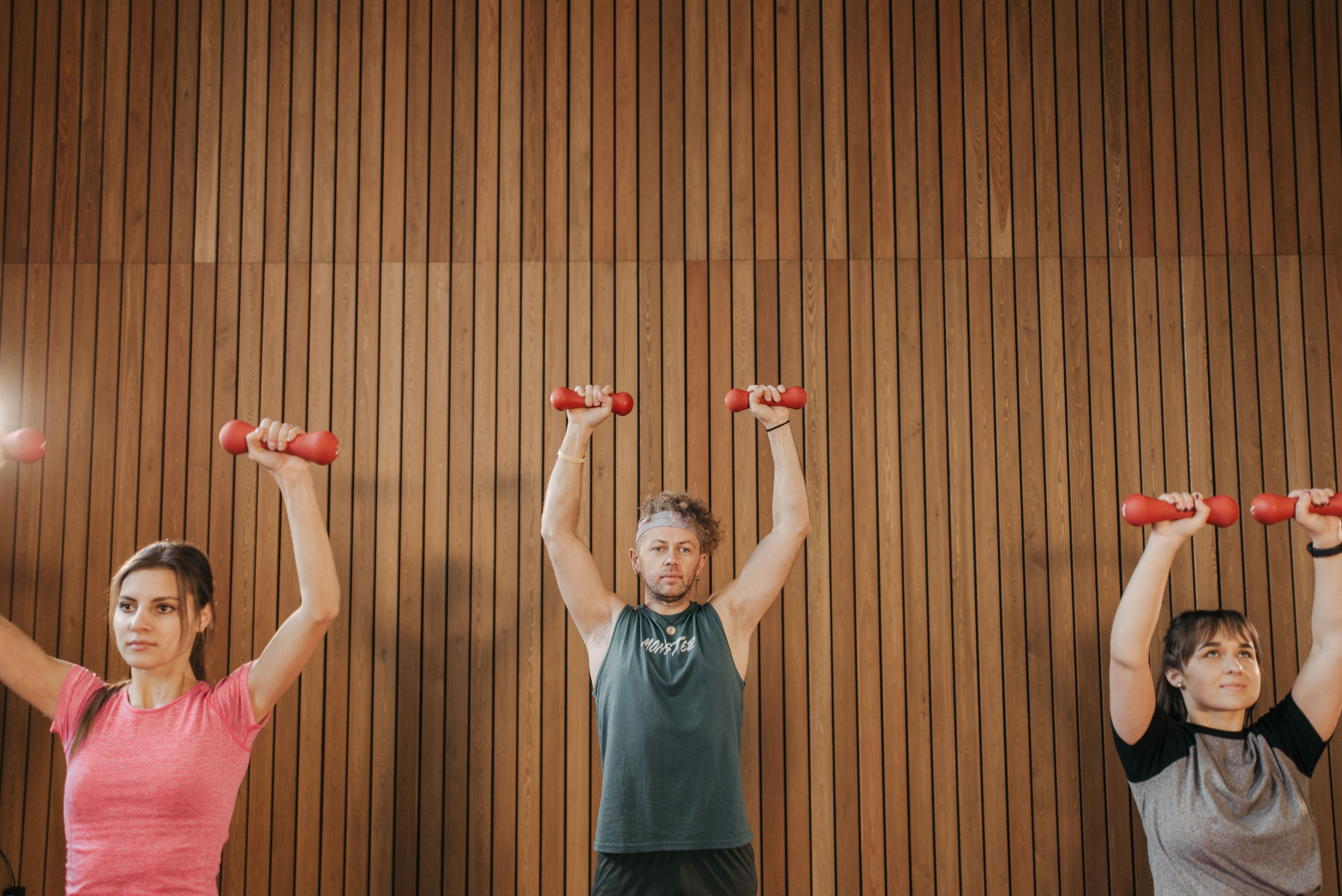
The Most Effective Group Fitness Challenges for Habit Formation
Group fitness challenges bring people together and make building new exercise habits more enjoyable. Sharing workouts with others who have similar fitness goals creates...
Jul 21, 2026


Wearing a fitness tracker helps you turn daily routines into useful information, making it easier to see how your choices add up over time. With a device on your wrist, you can monitor your steps, track your sleep, and receive gentle reminders to stay active throughout the day. These trackers sync with your smartphone, giving you clear reports that highlight your progress and patterns. As you review the data, you can spot what’s helping you and where you might want to adjust. By selecting features that match your lifestyle, you create a personal routine that remains both flexible and motivating.
These features help you achieve small wins every day. If you fall short of your step goal by a few hundred, you realize when to take an evening stroll. When exercise time lags, you can swap in a quick home workout and see those active minutes go up.
Select a tracker that provides clear, one-screen summaries to keep you on track. A glance at your wrist should tell you where you stand. That clarity makes data motivating.
Tracking sleep involves more than just counting hours in bed. A fitness tracker measures restless moments, deep sleep phases, and total sleep time. This data uncovers patterns you might miss, like how late-night screen time reduces deep rest.
After several nights, the app creates a picture of your sleep quality. You’ll see if shifting your bedtime by 30 minutes increases your deep sleep. With that insight, you can try different routines and find what works best for you.
Some trackers even include a vibration alarm that gently wakes you when you’re in light sleep. This soft nudge feels less jarring than a loud ringtone and helps you start the day feeling more refreshed.
Monitoring your heart rate zones enhances each workout's benefits. When you reach your target zone, you know you’re building endurance or burning calories. You can adjust intensity during exercise to match your goals.
Stress monitoring helps you identify tension before it becomes a bigger issue. Short breathing guides in the app show you how simple pauses can reset your day.
Having clear, reachable targets gives each day a purpose. Most trackers allow you to choose a daily step count, weekly workout sessions, or an hourly move goal. You can adjust these targets weekly to keep them challenging but achievable.
Reminders prompt you to stretch your legs if you’ve been still for too long. Those small vibrations on the hour encourage you to get up, walk around, or drink water. Regular breaks over time reduce soreness and increase productivity.
Linking your tracker to its companion app unlocks detailed analysis. You can compare trends week over week and notice changes in activity or sleep quality. Many apps send daily summaries and weekly reports directly to your inbox.
Some platforms sync with nutrition or meditation apps. This combined view links meals, exercise, and stress. You might discover that skipping breakfast lowers your energy midday or that evening yoga improves sleep.
Custom dashboards let you focus on the metrics that matter most. If you prioritize strength training, you can highlight resistance workouts and recovery times over step counts.
You’ll wear your tracker day and night, so comfort matters. Look for lightweight bands and adjustable straps. Water resistance allows you to swim or shower without taking it off.
Swappable bands let you match your style. Switch to a sport band for workouts then choose a leather or metal strap for work or social outings. A sleek, slim design sits close to the wrist and stays out of the way when typing or sleeping.
Custom watch faces highlight the data you need most. You can select a simple digital display showing time, steps, and heart rate or a graphic dial that combines data elements into an analog style.
Combine the right features with a comfortable design, and your tracker will feel like a natural part of your routine. When it’s easy to wear and check, you’ll use all its tools every day.
Choose a *fitness tracker* that fits your habits and needs. This helps you develop consistent routines that improve your energy, fitness, and health over time.
Group fitness challenges bring people together and make building new exercise habits more enjoyable. Sharing workouts with others who have similar fitness goals creates...
Jul 21, 2026

Everyday movements, such as lifting grocery bags, carrying children, or pushing open a heavy door, draw from the same strength and motion patterns you develop during...
Aug 22, 2026

Attending an interactive webinar focused on preventing chronic conditions offers a valuable chance to discover practical ways to lower blood pressure, maintain healthy...
Sep 12, 2026

Developing mental strength requires dedication, patience, and the right resources to help you stay on track. Personal development courses provide structured support,...
Sep 16, 2026

Taking a moment each day to reflect on your routines helps you understand which habits align with your health goals and which ones may hold you back. By asking yourself...
Aug 02, 2026

Plenty of runners find themselves going through the motions, checking off miles without really savoring the experience. Initial excitement often fades when running turns...
Aug 19, 2026
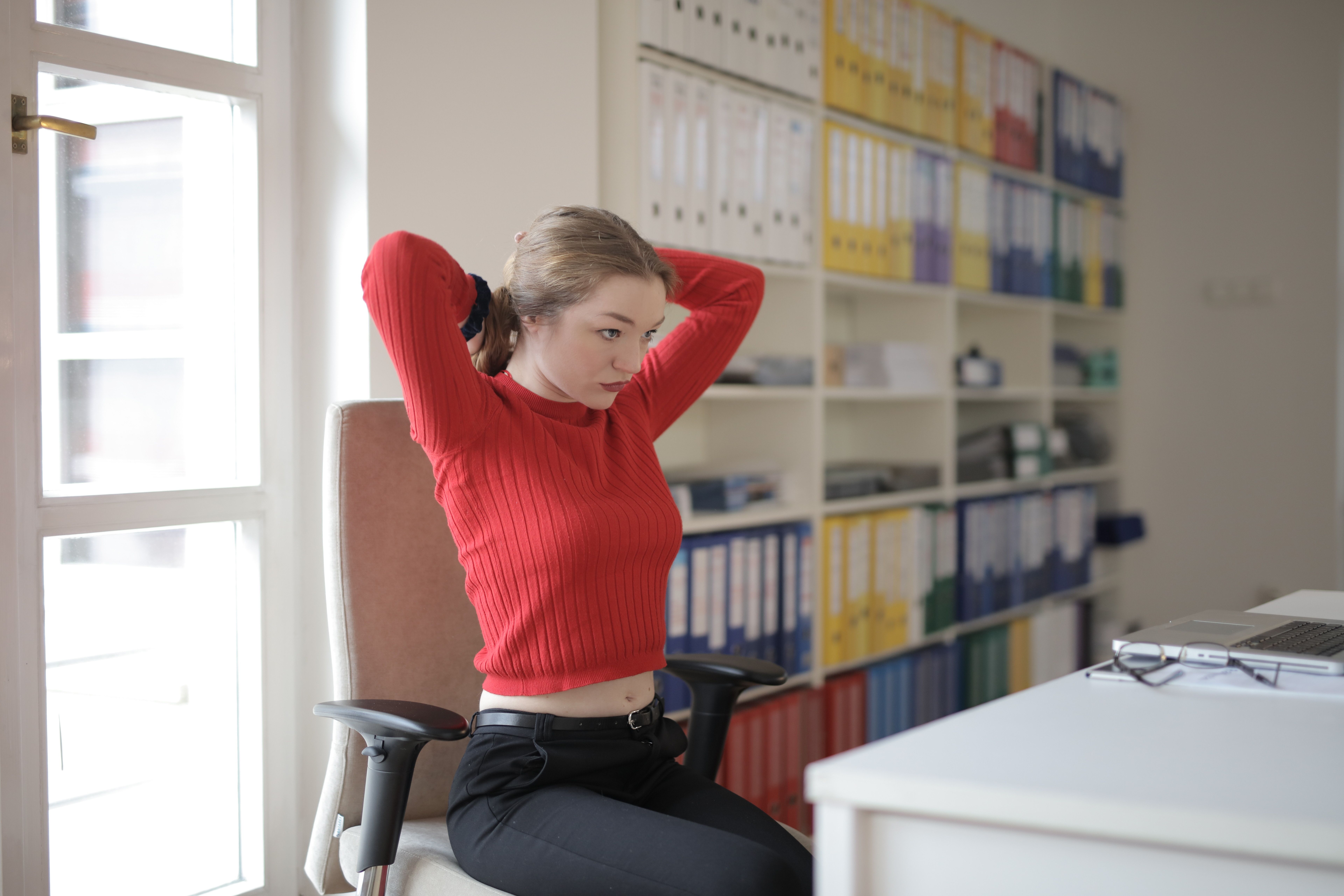
Long hours at a desk often lead to stiff muscles and reduced blood flow. Taking a few minutes for stretch breaks throughout the day loosens your body and helps you feel...
Jun 10, 2026
Recovering from an injury often means finding new ways to keep your body moving while protecting the area that needs time to heal. When you deal with a sore knee, a...
Jun 02, 2026

Interactive workshops combine emotional understanding with hands-on activities to help people build mental resilience. Attendees engage in exercises designed to sharpen...
Aug 12, 2026

Setting up a home that supports both physical health and mental well-being begins with thoughtful planning. The way you arrange your furniture, select colors, and...
Aug 31, 2026
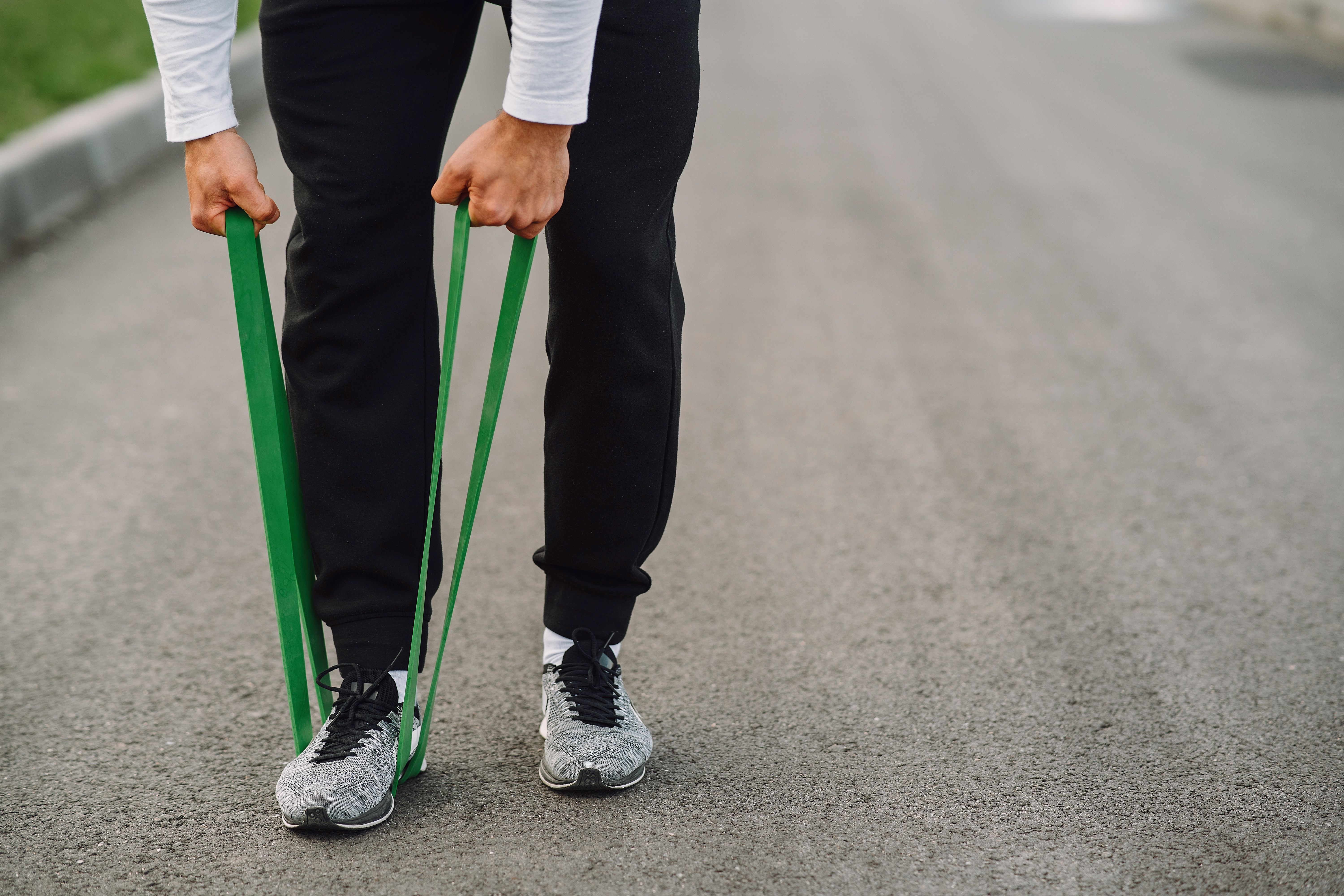
Resistance bands offer an effective way to build strength and increase flexibility without the need for heavy equipment. Their compact size means you can store them in a...
Jul 10, 2026
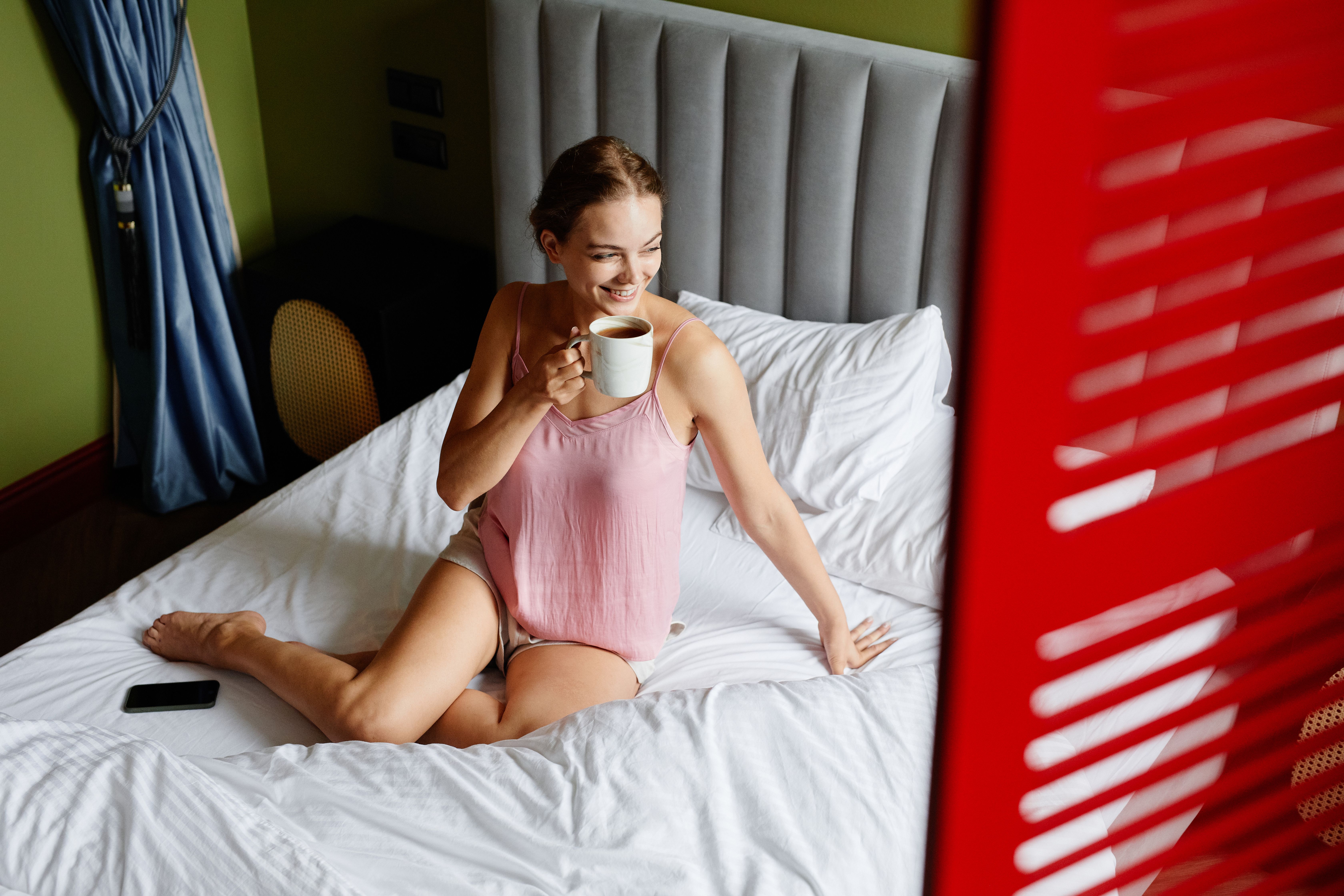
Starting your day with a reliable morning routine can make a big difference in how energized and alert you feel. Choose a wake-up time and stick to it each day to give...
Jul 05, 2026

Managing healthcare often brings a mix of confusion and stress as you balance appointments, paperwork, and unfamiliar terms. Clear guidance helps you stay calm and make...
Jun 28, 2026

Building lasting bonds depends on thoughtful, everyday choices. You pick up on subtle shifts, like a dip in enthusiasm or when discussions feel less genuine. Noticing...
Aug 26, 2026