Everyday movements, such as lifting grocery bags, carrying children, or pushing open a heavy door, draw from the same strength and motion patterns you develop during workouts. Practicing these movements in the gym helps your body adapt to similar challenges outside of it. Functional fitness training focuses on exercises that mirror real-life activities, helping you handle daily demands with greater ease and confidence. By regularly training your body to lift, carry, push, and pull, you build the strength needed to navigate life’s physical tasks more smoothly. This approach connects your efforts in the gym to the practical skills you rely on every day.
Focus on exercises that mimic everyday chores. Mastering form and technique reduces injury risk and boosts your efficiency. Below, you’ll find core principles, top moves, sample plans, safety checks, nutrition pointers, and simple progress trackers. Let’s jump in.
Principles of Functional Fitness
- Movement Patterns: You train the five main patterns—squat, hinge, lunge, push, pull.
- Joint Stability: Build control at ankles, knees, hips, shoulders, and core.
- Load Progression: Increase resistance gradually to avoid plateaus.
- Balance and Coordination: Challenge stability with unilateral movements.
- Consistency: Schedule workouts three to four times per week.
- Recovery: Include rest days and mobility work in your routine.
When you follow these principles, your workouts provide real-world benefits. You’ll notice easier grocery carries and smoother stair climbs. Each session adds skills that directly translate to daily life.
Top Functional Exercises
Goblet Squat. Hold a kettlebell or dumbbell at chest height. Stand with feet shoulder-width apart. Sit back, keeping weight in heels, and push hips down until thighs are parallel to the ground. Drive through heels to stand.
Common Mistake: Letting knees cave inward. Fix it by pushing knees out over toes. Progression: Move to a barbell back squat or pause for two seconds at the bottom.
Deadlift. Stand with feet hip-width apart, barbell over mid-foot. Hinge at hips, grip the bar just outside knees. Keep a flat back as you lift, driving hips forward.
Common Mistake: Rounding the spine. Counter it by squeezing your shoulder blades together and bracing your core. Progression: Raise weight on a trap bar or add deficit deadlifts with plates under your feet.
Farmer’s Carry. Pick a heavy dumbbell or kettlebell in each hand. Stand tall, shoulders back, core tight. Walk 20–40 yards, maintaining proper posture.
Common Mistake: Leaning to one side. Use dumbbells of equal weight and focus on even muscle activation. Progression: Increase weight or distance, or try a single-arm carry.
Push-Up. Place your hands under shoulders, body in a straight line from head to heels. Lower your chest toward the ground, then press back up.
Common Mistake: Letting hips sag. Keep your core engaged by imagining a straight plank. Progression: Elevate your feet on a bench or add a clap at the top.
Pull-Up. Hang from a bar with hands slightly wider than shoulder-width. Pull your chest toward the bar, then lower with control.
Common Mistake: Kicking legs to cheat. Add a band for assistance or perform negative-only reps. Progression: Add weight via a belt or vest.
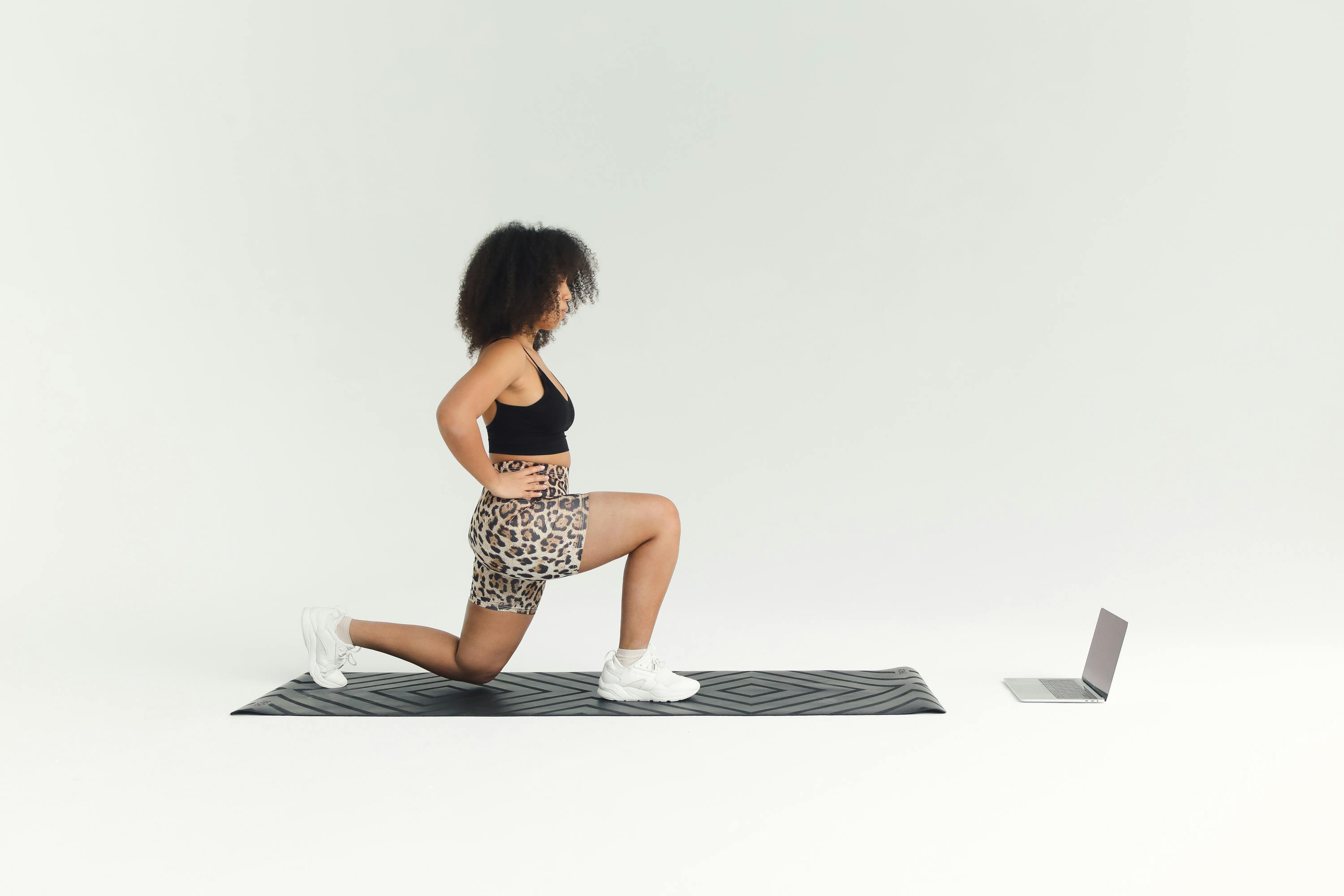
Reverse Lunge. Step back with one foot, lower until both knees reach 90 degrees. Drive through the front heel to return to start.
Common Mistake: Leaning forward. Keep your chest tall and core engaged. Progression: Hold dumbbells at your sides or add a knee drive.
Plank with Reach. Start in forearm plank. Reach one arm forward, hold briefly, then switch sides.
Common Mistake: Twisting hips. Square your pelvis to the floor and engage your obliques. Progression: Transition to side planks or add a dumbbell tap.
Sample Workout Routines
Follow this two-day plan each week. It covers all movement patterns and combines strength with stability exercises.
Day 1: Lower Body Focus
- Goblet Squat: 3×8
- Deadlift: 3×5
- Reverse Lunge: 3×10 each side
- Plank with Reach: 3×30 seconds each side
- Farmer’s Carry: 2×30 yards
Day 2: Upper Body and Core
- Push-Up: 4×10
- Pull-Up: 4×6 or band-assisted
- TRX Row: 3×12
- Side Plank: 3×30 seconds each side
- Single-Arm Farmer’s Carry: 2×20 yards each side
Safety, Form, and Common Mistakes
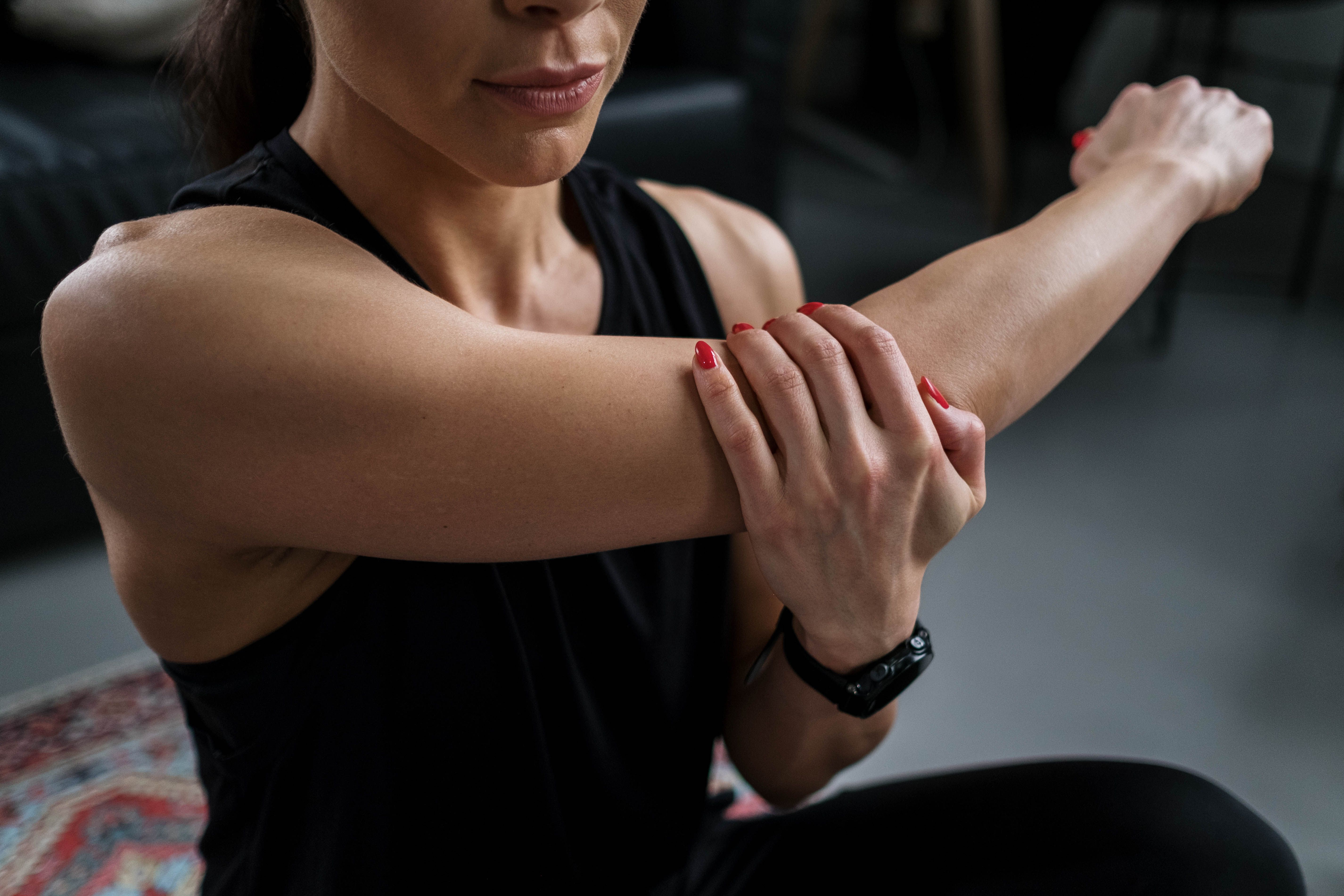
Prioritize proper technique over the number of reps. One perfect rep beats ten sloppy ones. Warm up with dynamic stretches that mobilize hips and shoulders. Spend five minutes activating glutes with bridges or band walks.
Watch out for these mistakes:
- Rounded Back: Maintain a neutral spine by tucking ribs and bracing your abs.
- Locked Elbows: Keep a slight bend to protect your joints.
- Quick Reps: Control your descent and explosive lifts.
- Mismatched Loads: Distribute weight evenly on both sides of your body.
If you experience sharp pain, stop immediately. Seek advice from a certified strength coach for personalized guidance.
Nutrition and Recovery Tips
Eat enough to support your strength training. Consume 1.2–1.6 grams of protein per kilogram of body weight daily. Lean meats, eggs, beans, and dairy products help repair muscle fibers.
Stay hydrated. Dehydration hurts your performance and recovery. Drink at least half your body weight in ounces each day.
Prioritize rest. Sleep eight hours a night when possible. Your body releases growth hormone during deep sleep, which helps repair tissues and build strength.
Tracking Your Progress
Keep track of your lifts and body measurements to stay motivated. Early detection of plateaus allows you to adjust your loads or volume accordingly.
- Write down weight, sets, and reps for each session in a notebook or app.
- Weigh yourself weekly under consistent conditions.
- Measure your waist, hips, and chest once a month.
- Notice how daily tasks feel. Are you able to lift heavier objects or carry groceries longer?
- Review your data every four weeks and increase your load by 5% if you meet all your goals.
Seeing your numbers improve keeps you motivated and accountable. It also helps identify which areas need extra focus.
Practice these exercises twice a week and track your progress. You will notice that everyday tasks become easier quickly.