

How to Boost Social Connection for Lasting Well-Being
Close relationships with friends, family, and neighbors can brighten our mood and support overall physical health. When people connect with others, the brain releases...
Jun 24, 2026


Attending an interactive webinar focused on preventing chronic conditions offers a valuable chance to discover practical ways to lower blood pressure, maintain healthy blood sugar levels, or support lung health. These online sessions encourage lively discussions rather than simply presenting information, making it easier to stay interested and absorb new habits. When a webinar invites questions and real-time participation, you are more likely to remember what you learn and apply it in your daily life. Using a reliable platform such as *Zoom* or *Webex*, along with a well-organized agenda, ensures you walk away with useful knowledge and skills you can start using immediately.
Look for workshops that mix expert talks with live polls, Q&A, and small-group activities. A lively event keeps you alert and motivated. When you engage actively, you retain more details. Studies show interactive formats boost learning by up to 60% compared to lecture-only events. Let’s break down each step, from spotting trusted sites to making new habits last.
You need a stable site that handles video and audio smoothly. Glitches distract you and stall learning. Look for platforms with a good reputation in health or education fields. They often improve features based on user feedback.
Frequency of technical glitches matters. Platforms with 99.9% uptime earn higher marks. They handle large audiences without freezing screens. Look for smooth slides, clear audio, and responsive chat. That way, you won’t miss a single tip on controlling cholesterol or managing stress.
First, review the agenda. Find specific topics like “low-sodium meal planning” or “stress-busting exercises.” Vague titles such as “Healthy Living 101” often only skim the surface. You want deep dives on actionable steps.
Experts who share real success stories make a stronger impact. A dietitian describing how a parent lowered A1C by 1.2 points feels relatable. That level of detail helps you picture how to fit changes into your routine.
Skipping prep increases the chance you miss key ideas. A simple trial run on your device reduces stress. You’ll join the webinar confident and ready to dive in.
Active involvement turns passive listening into real growth. Keep your camera on if allowed. Seeing faces creates a sense of community. Jump into chat questions or flag the “raise hand” icon. Hosts notice engaged attendees and often tailor examples in response.
Answer poll questions honestly. If a survey asks about your typical breakfast, respond based on reality. The host can then share practical swaps you might not have tried.
Use breakout rooms to discuss challenges with a small group. Sharing recipes that reduce sodium or tips for quick home exercises sparks fresh ideas. These micro-sessions often produce insights you won’t get in a large crowd.
Note key figures: jot down guidelines like “aim for 1,500 mg sodium per day” or “150 minutes of moderate exercise weekly.” Solid numbers stick better than general encouragements. You can screenshot slides or copy charts into your notes for later reference.
Right after the session, review your notes. Highlight two or three tactics you plan to try this week. For instance, swap salty snacks for raw veggies or add a 10-minute walk after dinner. Tackling small changes builds momentum.
Set up a tracker. A simple grid in a spreadsheet or a free app helps you log meals, activity, and mood. Record each healthy swap you make. Seeing your progress motivates you to continue.
Follow up with peers or the instructor if the session offers office hours or a discussion board. Asking about roadblocks—like boredom with meal plans—helps you adapt strategies that suit you.
Plan a check-in date. Two weeks after the event, evaluate which tips you’ve maintained. Adjust based on what felt sustainable. Concrete results—like a 5% drop in blood pressure—keep you focused on your progress.
Choosing reliable platforms, verifying content, and engaging purposefully lead to lasting health benefits. Each session can inspire habits that improve overall wellbeing.
Close relationships with friends, family, and neighbors can brighten our mood and support overall physical health. When people connect with others, the brain releases...
Jun 24, 2026
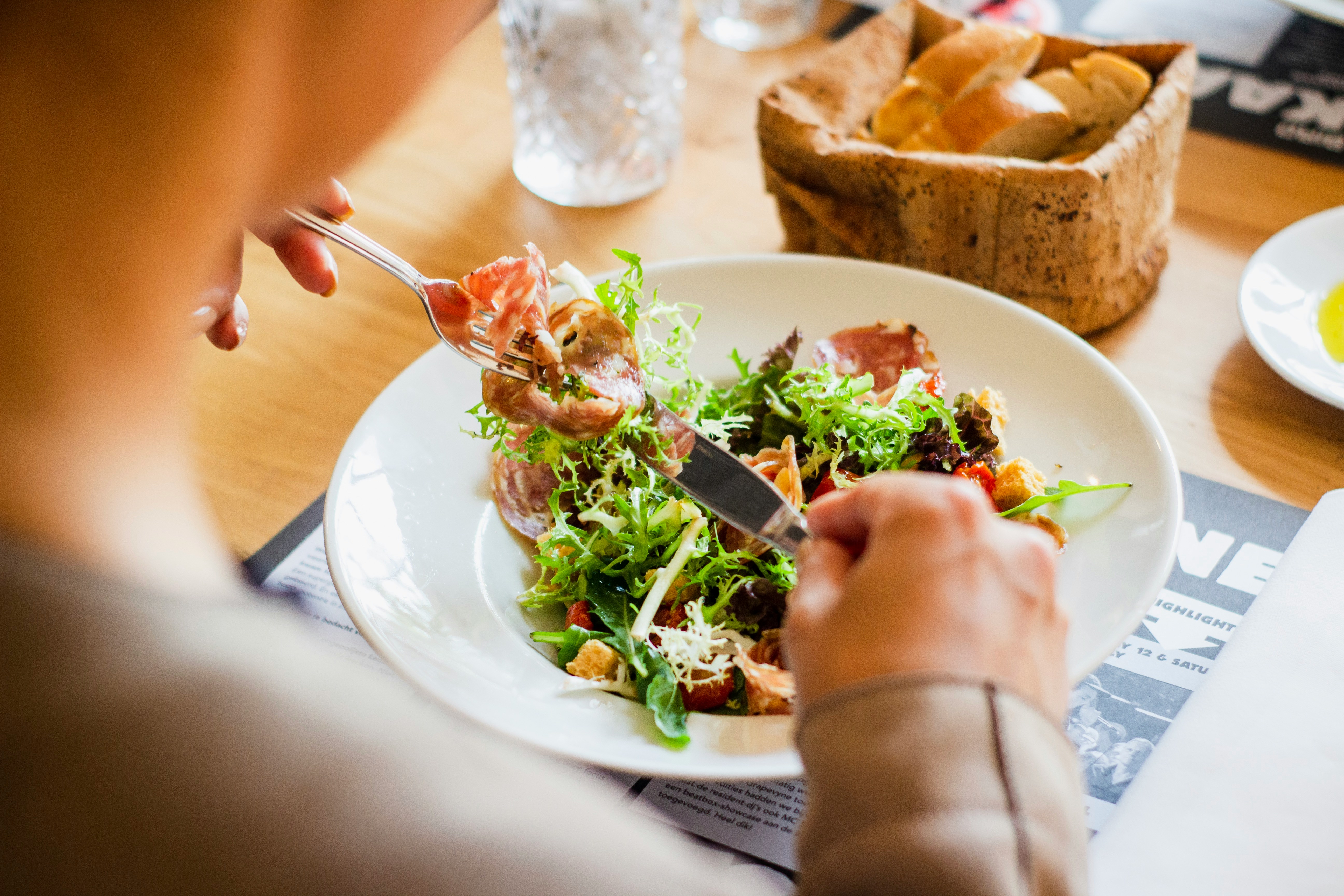
Restaurant meals can fit into your healthy lifestyle with a bit of planning and awareness. You will find plenty of ways to enjoy delicious food while keeping your...
Jul 29, 2026

Fresh sneakers on your feet and a new field or court ahead bring a sense of excitement and anticipation. Many people who join a league feel curious and slightly nervous...
Jun 06, 2026

Interactive workshops combine emotional understanding with hands-on activities to help people build mental resilience. Attendees engage in exercises designed to sharpen...
Aug 12, 2026
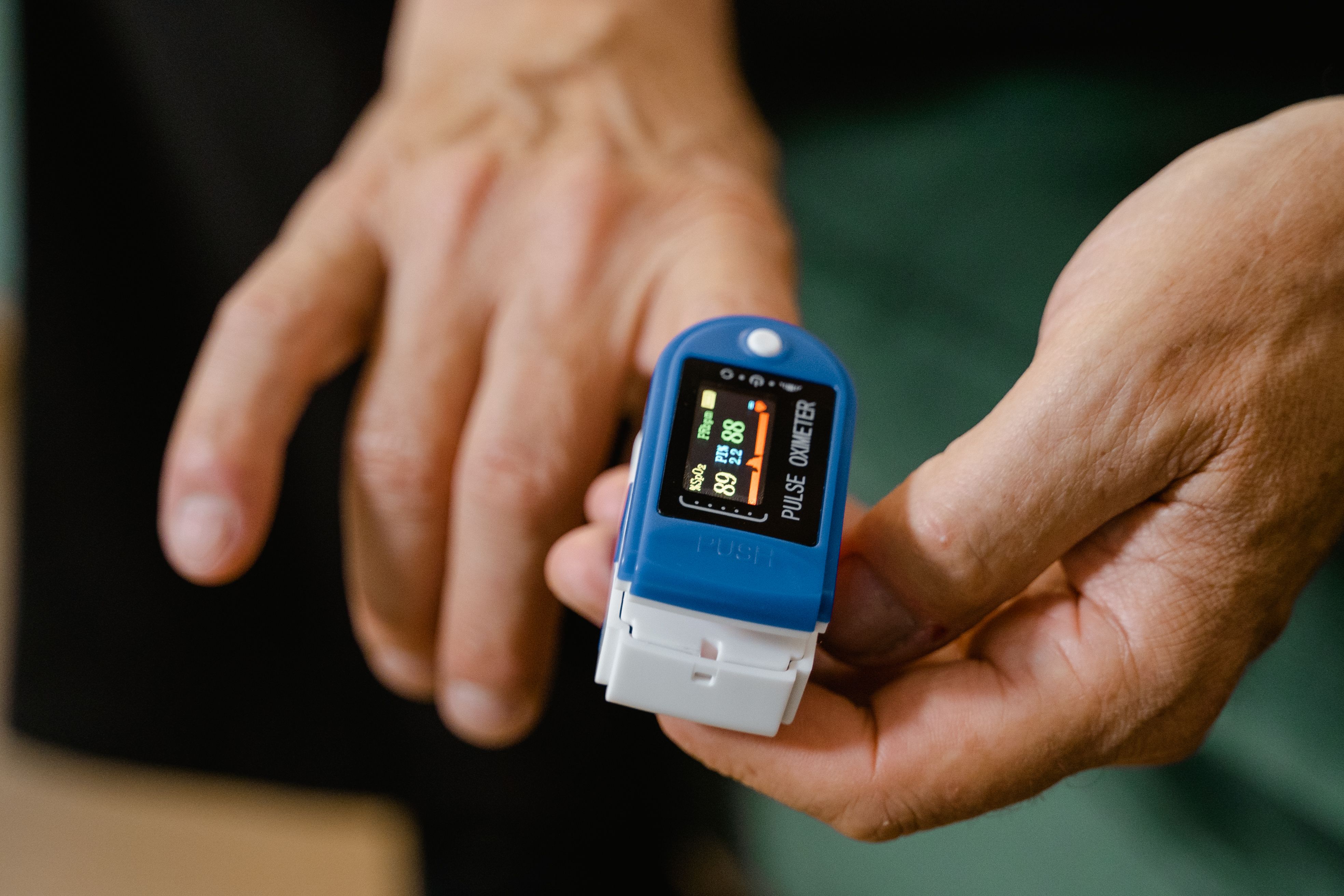
Modern apps and devices simplify the way people keep an eye on their health. These tools deliver instant updates on daily steps, sleep quality, meals, and even stress....
Jul 01, 2026
Regular health checkups offer significant benefits by helping you spot potential problems before they become serious. By choosing screenings that fit your age,...
May 23, 2026

Building lasting bonds depends on thoughtful, everyday choices. You pick up on subtle shifts, like a dip in enthusiasm or when discussions feel less genuine. Noticing...
Aug 26, 2026

Plenty of runners find themselves going through the motions, checking off miles without really savoring the experience. Initial excitement often fades when running turns...
Aug 19, 2026
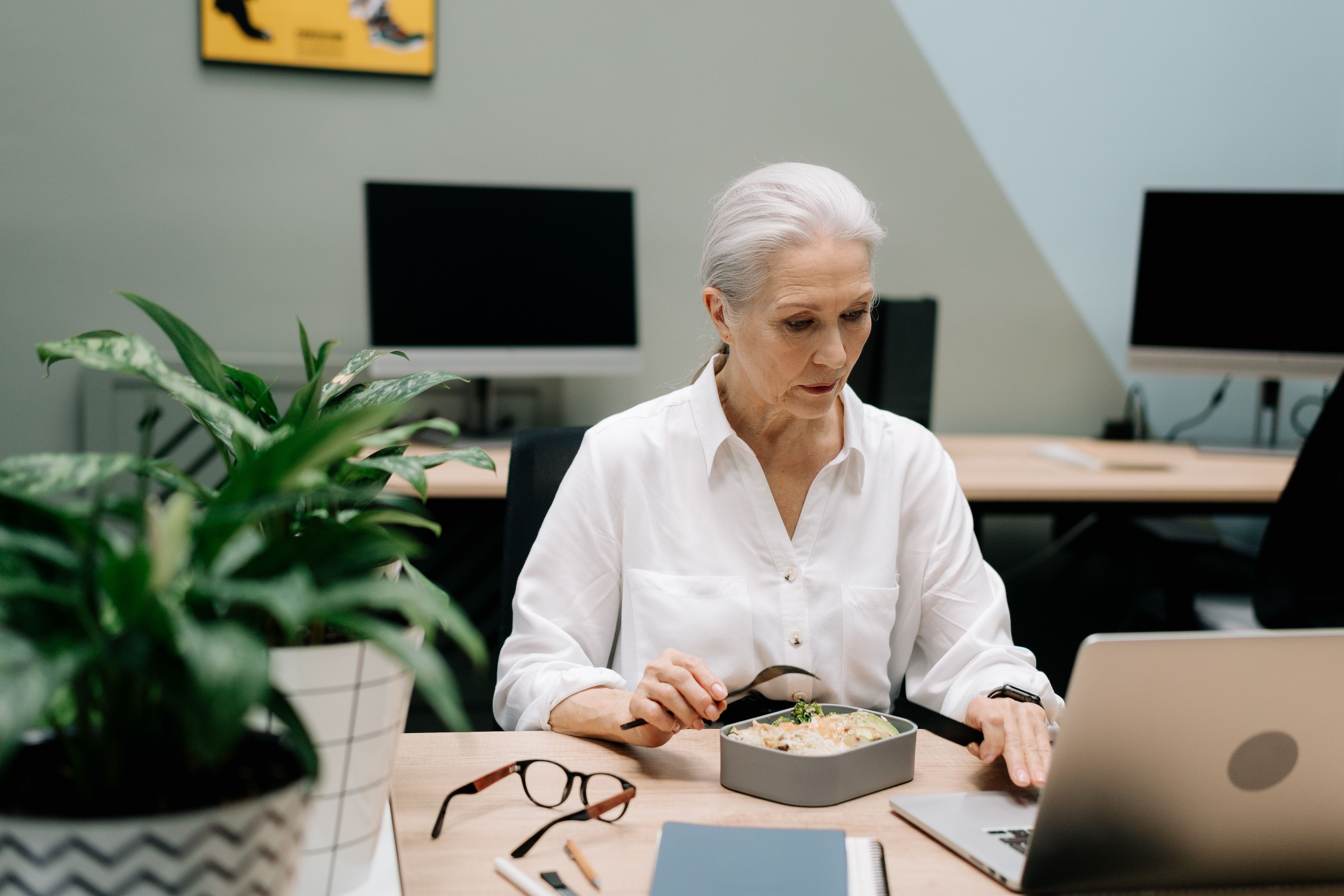
Busy workweeks often make it challenging to maintain healthy eating habits. As tasks build up and meetings fill your schedule, you might find yourself reaching for quick...
Aug 05, 2026
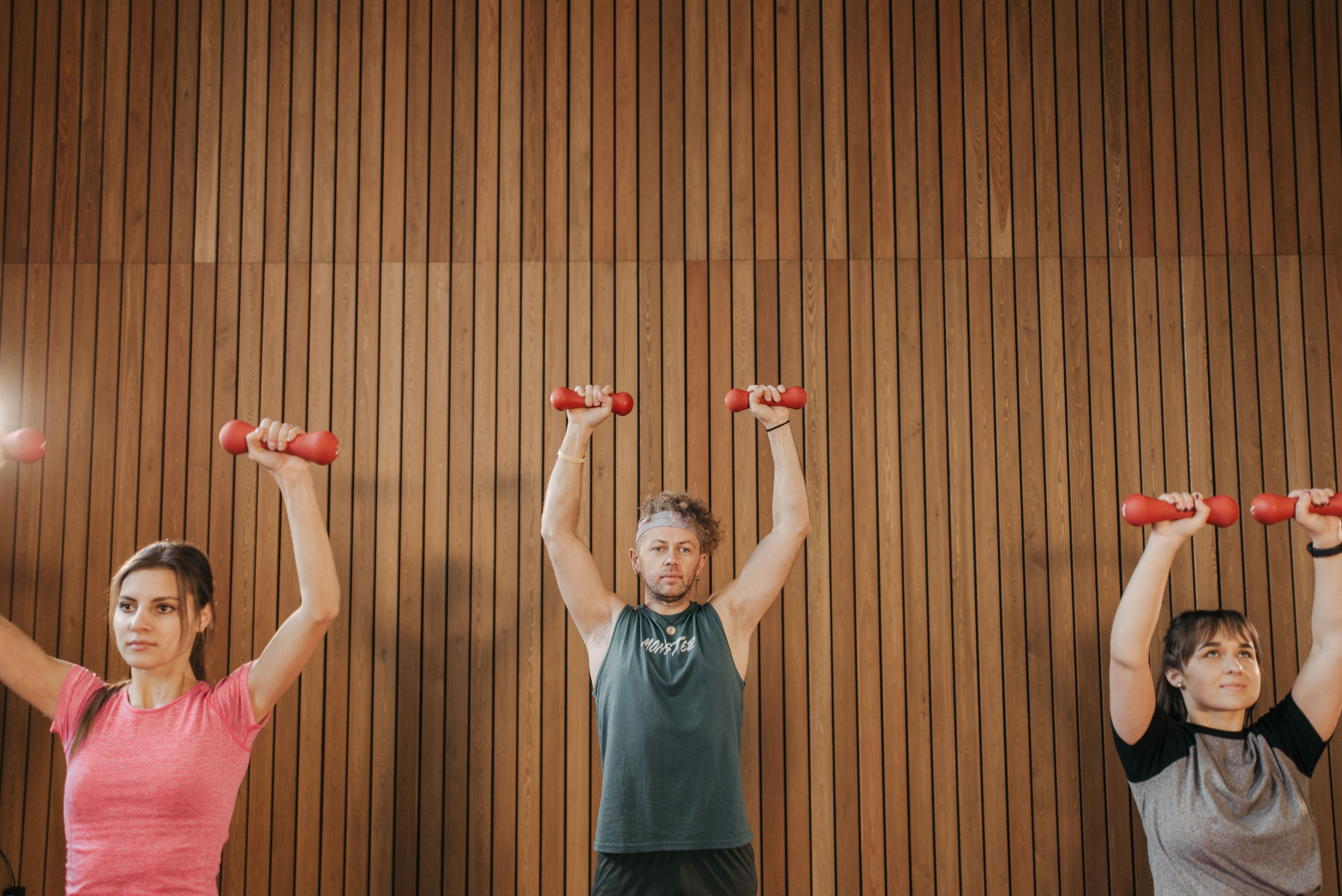
Group fitness challenges bring people together and make building new exercise habits more enjoyable. Sharing workouts with others who have similar fitness goals creates...
Jul 21, 2026

Riding a bike offers a practical way to improve both lung capacity and heart health, making it easier to handle everyday stress. Pedaling on a regular basis gives you a...
Jul 15, 2026

Taking a moment each day to reflect on your routines helps you understand which habits align with your health goals and which ones may hold you back. By asking yourself...
Aug 02, 2026

Recovering from an injury often means finding new ways to keep your body moving while protecting the area that needs time to heal. When you deal with a sore knee, a...
Jun 02, 2026
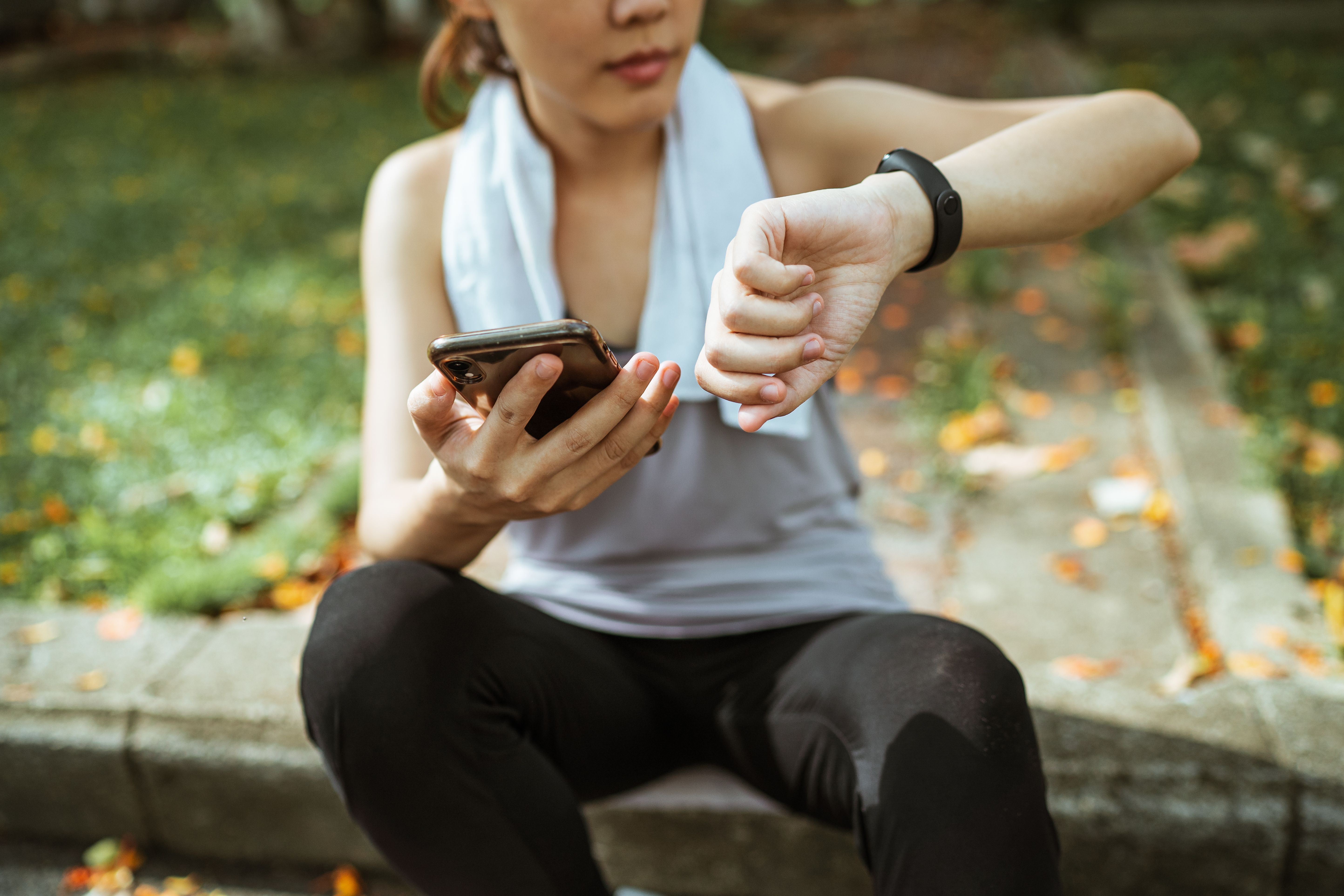
Finding a tool that seamlessly fits into your daily routine can make healthy habits easier to maintain. More than just counting steps or estimating calories, you deserve...
Aug 09, 2026