Making smart choices when it comes to snacks helps you stay energized and focused from morning until night. By selecting wholesome foods and enjoying them at the right times, you can avoid sudden drops in energy and continue to feel productive. This guide lays out straightforward ways to create a balanced snacking routine using foods packed with nutrients. Inside, you’ll discover practical tips, everyday examples, and easy suggestions that fit into any schedule. Explore seven simple methods to maintain your energy levels between meals and enjoy the benefits of steady concentration and well-being all day long.
Snack 1: Pick Nutrient-Dense Options
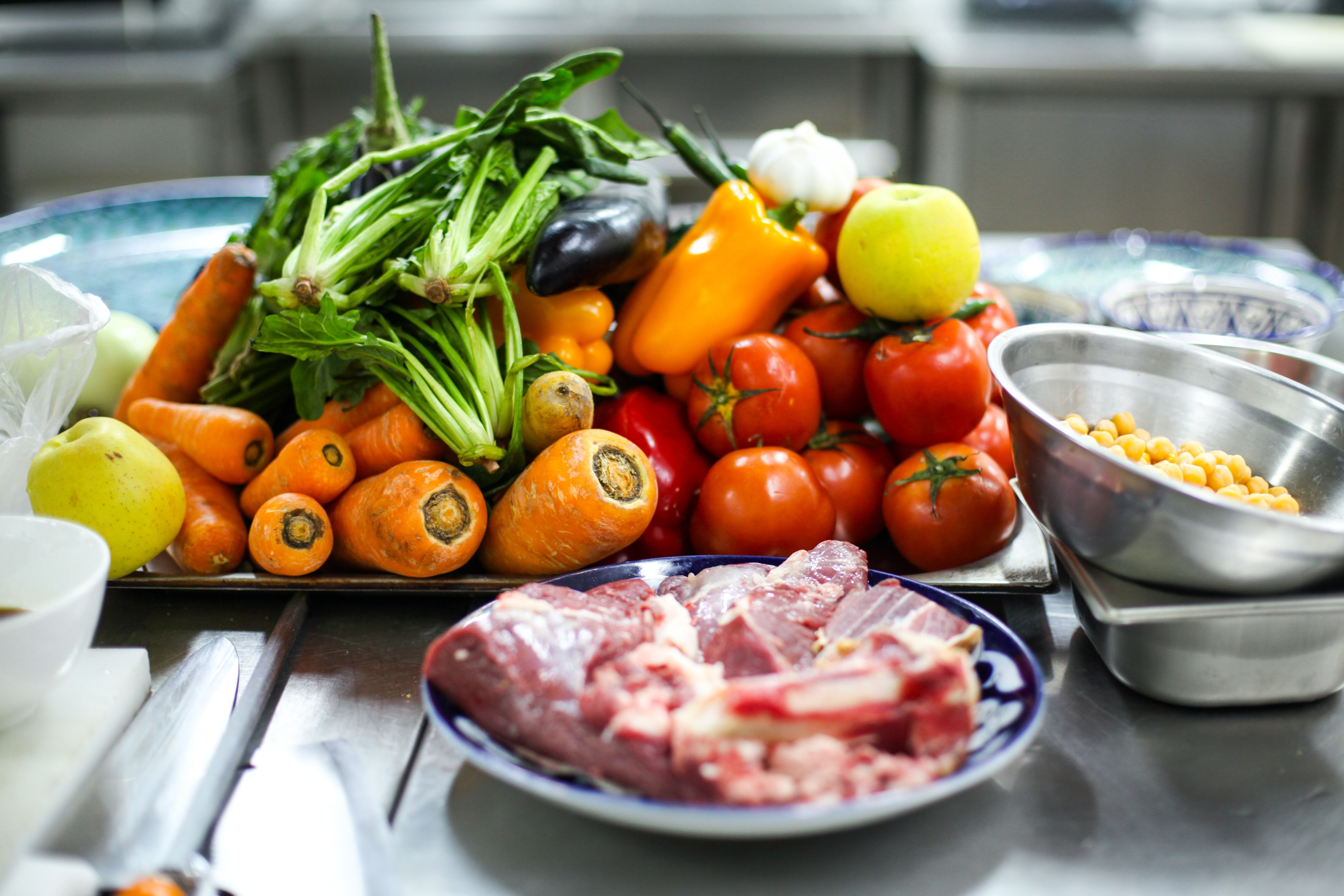
Select snacks filled with vitamins, minerals, and healthy macronutrients to sustain your energy. Instead of empty-calorie treats, choose foods that offer multiple benefits at once. Combining fiber with healthy fats or protein slows digestion, preventing blood sugar crashes.
Focus on these essential nutrients:
- Protein: eggs, Greek yogurt, canned salmon
- Healthy fats: avocado, nuts, seeds
- Fiber: berries, raw veggies, whole grains
- Micronutrients: spinach, bell peppers, sweet potatoes
Snack 2: Balance Protein, Carbohydrates, and Fats
Your energy comes from a mix of macronutrients. A balanced snack keeps you full longer and prevents sudden hunger. Lean proteins help repair tissues and support muscle health. Complex carbohydrates provide fuel for the brain and muscles. Healthy fats assist in nutrient absorption.
For example, a quick plate might include carrot sticks, hummus, and whole-grain crackers. Alternatively, mix low-fat cottage cheese with pineapple chunks and a sprinkle of chia seeds. Blending at least two macronutrient groups transforms a simple snack into a smart energy booster.
Snack 3: Time Your Snacks to Keep Energy Levels Stable
Eat at regular intervals to keep blood sugar stable and avoid mid-afternoon energy drops. Aim for three to four hours between meals and snacks to keep your momentum. Adjust snack times based on your personal schedule—match them with natural dips in your energy levels.
- Mid-morning (10–11 am): counter the post-breakfast lull
- Early afternoon (2–3 pm): prevent the after-lunch slump
- Evening pre-workout (4–5 pm): fuel your exercise session
Write these times in a planner or set reminders on your phone. Over time, you’ll naturally reach for a snack when your body needs a boost instead of grabbing whatever is nearby.
Snack 4: Prepare Snacks in Advance
Spending a little time on prep can help you avoid impulsive choices later. On weekends or in the evening, cut produce, portion out nuts, or bake granola bars. Store portions in clear containers so you can grab them quickly.
Try these prep ideas: roast chickpeas with spices, assemble yogurt parfaits in mason jars, or cut bell peppers into sticks. Preparing snacks in advance reduces decision time from minutes to seconds, making it easier to stick to healthy options.
Snack 5: Keep Portable Snack Ideas Ready
When you leave home, choose snacks that travel well. Pack resealable bags or small containers in your bag to avoid vending-machine temptations. This practice saves money and helps you stay on track.
Some ready-to-eat options include apples with individual nut butter packets, cheese sticks with whole-grain crackers, or *Kind* bars with a small piece of fruit. Combine sweet, salty, crunchy, and creamy textures to keep variety high and cravings low.
Snack 6: Try Healthy Snack Ideas
Having a mental list of go-to combinations helps you avoid decision fatigue. Rotate options weekly to prevent boredom. Most of these require minimal assembly and taste great cold or at room temperature.
- Greek yogurt with blueberries and a teaspoon of honey
- Whole-grain toast topped with mashed avocado and hemp seeds
- Cottage cheese with pineapple and *LÄRABAR* crumbles
- Roasted almonds and dried cranberries mixed in a small tin
Try each idea on your next snack break. Note which ones leave you satisfied and which still leave you hungry. Adjust portions or add a side to hit the right balance.
Snack 7: Pay Attention to Your Body’s Signals
Not every moment of low energy indicates that you need more food. Sometimes a short walk, a glass of water, or a stretch can help. Learning to recognize true hunger cues helps you snack when you need fuel, not just out of boredom.
Pause briefly before eating. Ask yourself if you’re hungry, thirsty, or just restless. If hunger scores low, try a brisk five-minute walk or a water break. When real hunger hits, reach for a prepared, balanced snack to refuel properly.
Choose nutrient-rich snacks and prepare them simply to maintain steady energy. Small bites can improve your focus and mood throughout the day.